Page SEO Summary: This technical guide helps goat farmers and feed producers evaluate goat feed pellet mills with molasses addition—covering molasses handling, equipment features, processing challenges, and procurement considerations.
Molasses is a valuable ingredient in goat feed. It improves palatability, increases energy content, reduces dust, and serves as a binder. However, molasses addition presents unique challenges for feed pelleting—its sticky nature can cause equipment buildup, inconsistent mixing, and pellet quality issues.
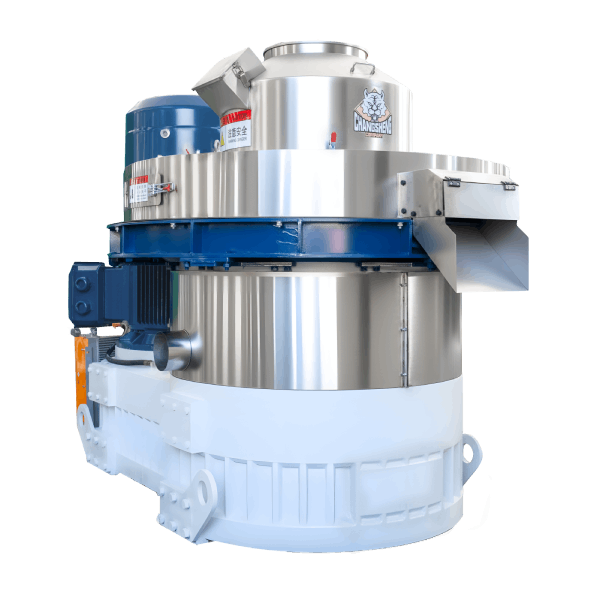
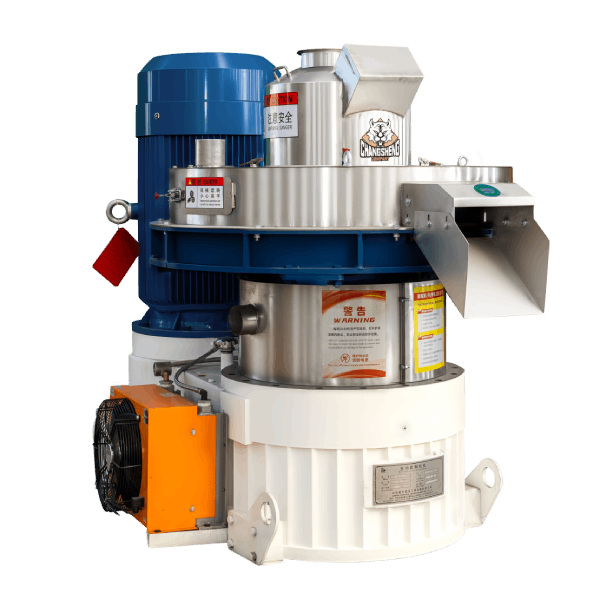
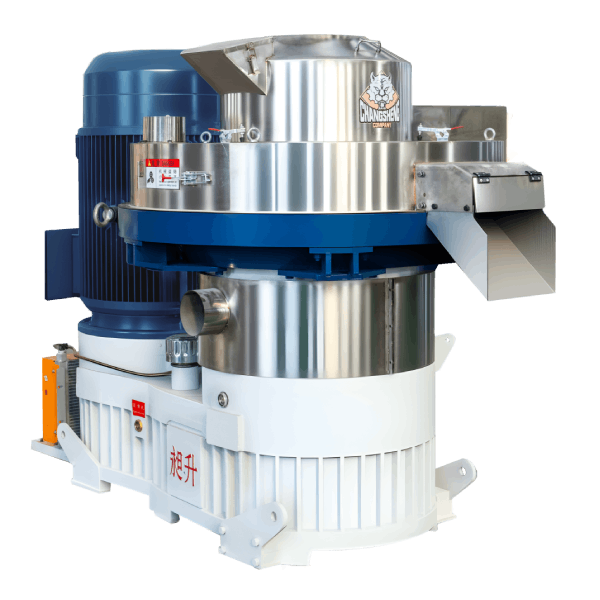
A goat feed pellet mill with molasses addition is designed to handle these challenges. It includes specialized equipment for storing, pumping, metering, and mixing molasses into the feed formulation before pelletizing.
This guide provides a comprehensive technical framework for understanding, selecting, and procuring goat feed pellet mills with molasses addition capabilities.
Why Molasses in Goat Feed?
Benefits of Molasses
Benefit
Impact on Goats
Improved palatability
Increased feed intake
Energy source
Higher milk production; weight gain
Dust reduction
Better feed quality
Binder
Improved pellet durability
Fiber digestion
Enhanced rumen function
Mineral carrier
Effective nutrient delivery
Typical Inclusion Rates
Goat Type
Molasses Inclusion (%)
Maintenance
3-5%
Lactating doe
5-8%
Growing kid
3-6%
Finishing
5-8%
Breeding buck
3-5%
Molasses Types
Type
Characteristics
Best For
Cane molasses
Sweet; high sugar
Palatability
Beet molasses
Lower sugar; less sweet
Energy
Liquid molasses
Easy to handle
Standard use
Dried molasses
Powder form
Mixing with dry ingredients
The Challenge of Molasses in Pelleting
Why Molasses Is Challenging
Challenge
Cause
Impact
Stickiness
Sugars and moisture
Equipment buildup
Inconsistent mixing
Viscous liquid
Uneven distribution
Die binding
Sticky material
Blocked die holes
Moisture increase
Added liquid
Drying issues
Shelf life
Hygroscopic
Storage concerns
Solutions
Challenge
Solution
Stickiness
Proper mixing; warm molasses
Inconsistent mixing
Specialized mixing equipment
Die binding
Oil/lubricant addition
Moisture increase
Adjust drying; reduce added moisture
Shelf life
Cool properly; store dry
Equipment for Molasses Addition
Key Components
Component
Function
Importance
Molasses storage tank
Store liquid molasses
Essential
Heating system
Reduce viscosity (30-40°C)
Important
Pump
Transfer molasses
Essential
Metering system
Accurate dosage
Critical
Spray system
Even distribution
Important
Mixer
Blend molasses with feed
Essential
Conditioner
Pre-heat before pelleting
Recommended
System Layout
Component
Purpose
Storage tank
Bulk storage of molasses
Heating coil
Warm molasses for flow
Pump
Move to mixer
Flow meter
Measure quantity
Spray nozzle
Atomize for mixing
Mixer
Uniform distribution
Pellet mill
Form pellets
Pellet Mill Specifications
Key Specifications
Specification
Recommendation
Rationale
Motor power
1.1-1.2× standard
Extra for sticky feed
Die compression ratio
1:8 to 1:12
Good pellet quality
Die material
Premium alloy
Durability
Conditioner
Essential
Pre-heating
Feeder
Variable speed
Controlled feeding
Additional Equipment
Equipment
Purpose
Mixer (ribbon/paddle)
Blend molasses with feed
Spray system
Even molasses distribution
Heating system
Maintain molasses flow
Drying/cooling system
Manage added moisture
Process Parameters
Optimal Conditions
Parameter
Recommended Range
Notes
Molasses temperature
30-40°C
For flow
Molasses inclusion
3-8%
Goat feed
Mixing time
3-6 minutes
Uniform distribution
Conditioning temperature
70-85°C
Starch gelatinization
Conditioning moisture
15-18%
Including molasses moisture
Pellet moisture (final)
10-12%
Storage stability
Molasses Addition Points
Addition Point
Advantages
Considerations
Before mixer
Good mixing
Potential buildup
In mixer
Even distribution
Requires spray system
After pelleting (coating)
Easy; flexible
Less effective as binder
Feed Formulation with Molasses
Sample Goat Feed Formula (with Molasses)
Ingredient
%
Purpose
Alfalfa/grass hay
30-40
Fiber
Corn
20-25
Energy
Soybean meal
12-18
Protein
Wheat bran
10-15
Fiber
Molasses
5-8
Energy; binder; palatability
Minerals/vitamins
2-3
Supplement
Formulation Considerations
Factor
Consideration
Molasses moisture
~20% water; adjust dry ingredients
Sugar content
Affects fermentation; pellet quality
Binding
Improves pellet durability
Color
Darker pellets; normal
Investment Analysis
Cost Estimates
Capacity
Equipment Cost (USD)
Complete Line Cost (USD)
50-150 kg/h
$1,500-4,000
$5,000-12,000
150-300 kg/h
$4,000-8,000
$12,000-25,000
300-500 kg/h
$8,000-15,000
$25,000-50,000
500+ kg/h
$15,000-30,000
$50,000-100,000
Molasses System Cost
Component
Estimated Cost (USD)
Storage tank
$500-2,000
Heating system
$300-1,000
Pump
$200-500
Metering system
$300-1,000
Spray system
$300-800
Total
$1,600-5,300
Profitability Example
Operation: 200 Goats
Item
Amount
Annual feed need
~20-25 tons
Molasses cost
$200-300/ton
Feed value with molasses
+10-15% palatability
Production cost
$300-400/ton
Annual savings vs purchased
$2,000-4,000
Payback period
1-3 years
Operation and Maintenance
Daily Operation with Molasses
Step
Task
1
Check molasses temperature (30-40°C)
2
Start mixer
3
Add dry ingredients
4
Spray molasses during mixing
5
Mix 3-6 minutes
6
Transfer to conditioner
7
Pelletize
8
Cool and package
Maintenance
Task
Frequency
Clean mixer
After each batch (molasses buildup)
Clean spray nozzles
Daily
Check molasses pump
Weekly
Inspect die
Weekly
Clean storage tank
Monthly
Procurement Checklist: Goat Feed Pellet Mill with Molasses
Operation Assessment
□ Goat numbers and feed needs confirmed
□ Molasses inclusion rate determined (3-8%)
□ Power supply assessed
□ Space for storage tank and system
Equipment Specifications
□ Pellet mill with appropriate capacity
□ Molasses storage tank (size based on usage)
□ Heating system (30-40°C capability)
□ Pump and metering system
□ Spray system for even distribution
□ Mixer (ribbon or paddle)
Process Parameters
□ Molasses temperature: 30-40°C
□ Mixing time: 3-6 minutes
□ Conditioning temperature: 70-85°C
□ Final moisture: 10-12%
Budget
□ Equipment cost budgeted
□ Molasses system cost estimated
□ Operating cost projected
□ Payback period calculated
Supplier Evaluation
□ Supplier experience with molasses systems
□ References from feed producers
□ Spare parts availability
□ Warranty and support terms
Frequently Asked Questions
1. Why add molasses to goat feed?
Molasses improves palatability (goats love sweetness), provides energy, reduces dust, binds pellets, and enhances fiber digestion. It improves feed intake and overall goat performance.
2. What is the optimal molasses inclusion rate?
3-5% for maintenance diets; 5-8% for lactating does and growing kids. Higher rates (>10%) can cause handling difficulties and reduce pellet quality.
3. What equipment is needed for molasses addition?
Storage tank, heating system, pump, metering system, spray system, and a mixer. The pellet mill itself also needs to handle the slightly sticky feed.
4. How does molasses affect pelleting?
Molasses adds stickiness, increases moisture, and can cause die binding. Proper mixing, heating (30-40°C), and conditioning help overcome these challenges.
5. Does molasses reduce pellet durability?
Properly mixed molasses (3-8%) actually improves pellet durability as a binder. Too much molasses (>10%) can reduce durability and cause handling issues.
6. What is the shelf life of molasses-containing pellets?
3-6 months when properly dried (10-12% moisture) and stored in cool, dry conditions. Molasses is hygroscopic, so moisture management is critical.
7. Can I add molasses after pelleting?
Yes, liquid molasses can be sprayed onto finished pellets (coating). This is easier but less effective as a binder. Pre-pelleting addition improves pellet quality.
8. What is the cost of a molasses addition system?
A basic system costs $1,600-5,300 depending on capacity and features. This includes tank, heating, pump, metering, and spray system.
Zhang Wei has over 12 years of experience in the biomass and feed pellet mill industry, with a background in mechanical engineering and international project execution. He has worked with goat farmers, feed producers, and livestock operations across multiple regions, providing practical solutions for specialized feed production.
With hands-on experience in both the manufacturing workshop and client-side operations, Zhang brings practical insights into successful equipment procurement—from the factory floor to the customer’s feed production facility.