Wood Pellet Machine Vibration Problem: 6 Causes & Solutions
News 2026-05-16
1. Product Definition
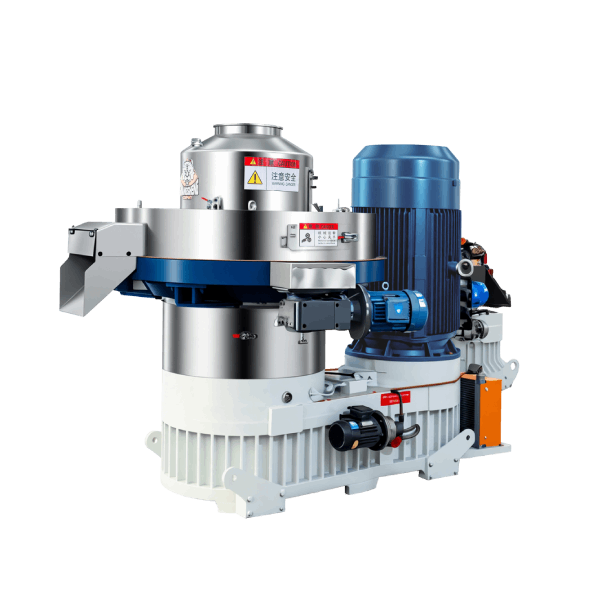
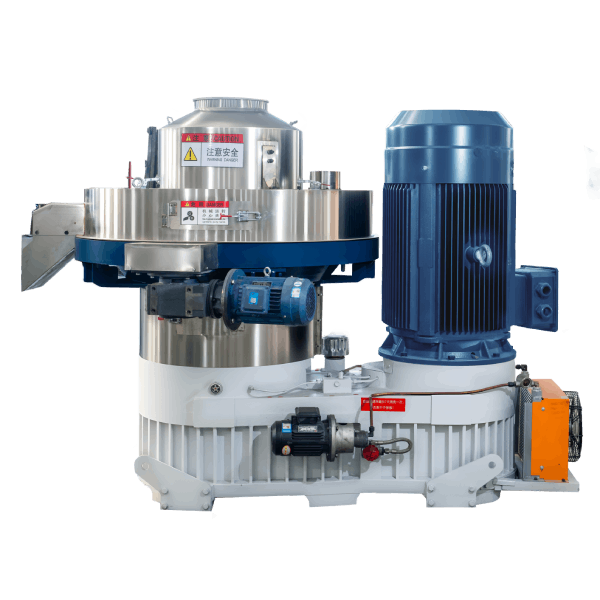
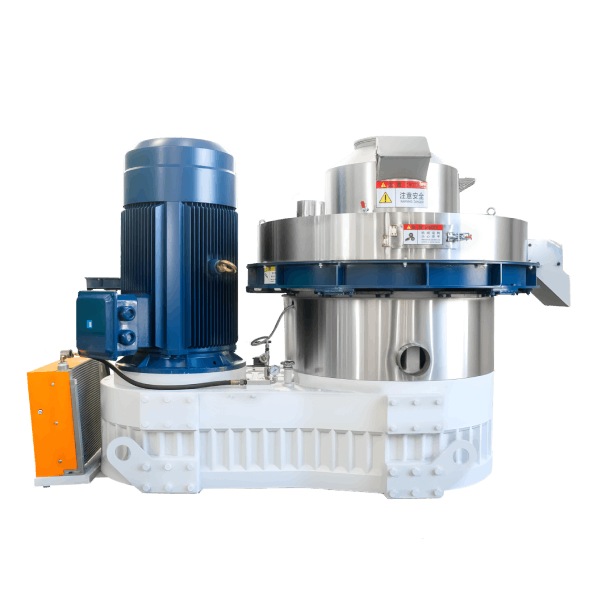
A wood pellet machine vibration problem ranges from normal operational vibration (0.5-2 mm/s) to excessive shaking (>10 mm/s) caused by uneven roller gap, worn bearings, unbalanced die/rotor, loose mounting bolts, or material buildup, requiring immediate diagnosis to prevent catastrophic bearing failure, die cracking, or foundation damage.
2. Technical Parameters & Specifications
| Vibration Level (mm/s) | Severity | Possible Cause | Action | Urgency |
|---|---|---|---|---|
| <1.0 | Normal | New machine, balanced | Monitor | None |
| 1.0 – 2.5 | Acceptable | Normal operation | Monitor | Low |
| 2.5 – 5.0 | Moderate | Uneven roller gap, worn bearings | Inspect | Medium |
| 5.0 – 10.0 | High | Worn bearings, loose bolts, die imbalance | Stop, investigate | High |
| >10.0 | Severe | Critical failure imminent | STOP immediately | Critical |
Common Vibration Frequencies:
- Low frequency (1-10 Hz): Foundation, frame looseness
- Medium frequency (10-50 Hz): Roller gap uneven, bearing wear
- High frequency (50-200 Hz): Die imbalance, gearbox issues
For vibration diagnosis: Request a vibration severity chart for your mill type.
3. Structure & Material Composition
Vibration Sources in a Pellet Mill
Rotating Components
- Ring die: Unbalanced if uneven wear or manufacturing defect
- Rollers: Uneven gap causes cyclic vibration
- Main shaft: Bent or misaligned
- Gearbox: Worn gears, bearing play
Structural Components
- Foundation: Not level, insufficient mass, loose anchor bolts
- Frame: Cracks, weak welds
- Guards: Loose panels (rattling, not dangerous)
Drive System
- Belts: Uneven tension, mismatched set
- Motor: Unbalanced rotor, bad bearings
- Coupling: Misaligned
4. Manufacturing Process (Engineering Steps)
Step 1 – Stop Mill for Severe Vibration (>5 mm/s)
If machine is shaking visibly or vibrating excessively → STOP. Do not restart until diagnosed.
Step 2 – Check Foundation First
Anchor bolts tight? Is machine level? Concrete pad sufficient mass? Loose foundation amplifies all vibration.
Step 3 – Inspect Roller Gap (Most Common Cause)
Uneven gap between rollers and die creates cyclic vibration. Check each roller with feeler gauge (0.1-0.3mm ring die). Adjust all to equal.
Step 4 – Check Bearings
Worn bearings cause medium-frequency vibration. Listen for grinding. Check temperature (hotter than others). Replace if worn.
Step 5 – Inspect Die for Uneven Wear
Die worn unevenly (one side more than other) causes imbalance. Measure output across die width. Replace die if uneven.
Step 6 – Check Belt Tension
Uneven belt tension causes vibration. Tension all belts equally. Replace as set (all together).
5. Industry Comparison
| Vibration Cause | Frequency | Ring Die Mill | Flat Die Mill | Probability |
|---|---|---|---|---|
| Uneven roller gap | Medium | Common | Common | 35% |
| Worn bearings | Medium | Common | Common | 25% |
| Loose foundation | Low | Common | Common | 15% |
| Unbalanced die | Medium | Common | Rare | 10% |
| Belt issues | Low-medium | Less common | Common | 10% |
| Gearbox wear | High | Common | N/A (no gearbox) | 5% |
| Why Choose Shandong Changsheng | Diagnostic guide included | Balanced dies | Vibration testing | Spare parts stocked |
Compare vibration causes: Request a diagnostic chart by frequency.
6. Application Scenarios (By Buyer Role)
Distributors / Importers
Need wood pellet machine vibration problem guide to reduce warranty claims (bearing failure #1). Decision focus: common causes (roller gap 35%), diagnosis steps, and prevention.
EPC Contractors
Require vibration limits for plant commissioning. Decision focus: foundation design, anchor bolt torque, and balancing procedures.
Engineering Consultants / Technical Advisors
Advising clients on installation. Decision focus: foundation mass (3-5x machine weight), leveling, and vibration monitoring.
End-user Facilities
Pellet plants, sawmills, farms. Decision focus: quick diagnosis, prevent bearing/die damage, reduce downtime.
7. Core Technical Pain Points & Engineering Solutions
Pain Point 1 – Uneven Roller Gap (Most Common – 35%)
Symptom: Cyclic vibration, output fluctuation, uneven die wear.
Root cause: One roller gap different from others. Operator adjusted only front roller.
Solution: Check gap on ALL rollers (2-4 rollers) with feeler gauge. Adjust each to 0.1-0.3mm (ring die). Use same gap on all rollers. Mark positions.
Pain Point 2 – Worn Bearings (25% of cases)
Symptom: Medium-frequency vibration, grinding noise, bearing hot.
Root cause: Dust ingress, insufficient grease, age.
Solution: Replace bearings. Install auto greaser. Use sealed bearings. Clean magnetic separator (tramp metal damages bearings).
Pain Point 3 – Loose Foundation (15%)
Symptom:* Low-frequency shaking, machine walks, bolts loosen repeatedly.
Root cause:* Insufficient foundation mass, missing anchor bolts, no vibration pads.
Solution:* Tighten anchor bolts (torque spec). Use rubber vibration pads. Concrete foundation mass should be 3-5x machine weight.
Pain Point 4 – Unbalanced Die (10%)
Symptom:* Medium-frequency vibration that changes when die rotates.
Root cause:* Die worn unevenly (one side thicker than other), or manufacturing defect.
Solution:* Measure die thickness at multiple points. Replace die if variation >0.5mm. For new die, request balance certificate.
8. Risk Warnings & Mitigation Strategies
Risk 1 – Bearing Failure from Unchecked Vibration
Warning:* Moderate vibration ignored. Bearing fails, roller seizes, die damages. Repair $5k-15k.
Mitigation:* Monitor vibration monthly. Investigate any increase >2.5 mm/s. Replace bearings at first sign of wear.
Risk 2 – Foundation Cracking
Warning:* Severe vibration cracks concrete foundation. Machine shifts, misalignment.
Mitigation:* Foundation mass 3-5x machine weight. Use rebar reinforcement. Anchor bolts torqued. Inspect for cracks annually.
Risk 3 – Die Cracking from Uneven Gap
Warning:* Uneven roller gap stresses die. Radial cracks develop. Die scrap ($2k-6k).
Mitigation:* Check roller gap weekly. Adjust all rollers equally. Log gap measurements.
9. Procurement Selection Guide (6 Actionable Steps)
Step 1 – Assess vibration severity
Use vibration meter (or phone app – approximate). <2.5 mm/s acceptable. >5 mm/s STOP.
Step 2 – Check foundation first
Anchor bolts tight? Machine level? Concrete intact? Loose foundation amplifies all vibration.
Step 3 – Inspect roller gap (most common)
Feeler gauge. Ring die: 0.1-0.3mm. All rollers equal. Adjust if uneven.
Step 4 – Check bearings
Listen with stethoscope/screwdriver. Grinding? Replace. Compare bearing temperatures (infrared gun).
Step 5 – Examine die
Measure thickness at 4-6 points. Variation >0.5mm → unbalanced die. Replace.
Step 6 – Check belts
Tension equal? Worn? Replace as set if glazed or cracked.
10. Engineering Case Study
Project Background: A 2 t/h ring die pellet mill developed increasing vibration over 2 weeks. Operators ignored (assumed normal). Machine vibrated severely, then stopped suddenly.
Initial Problem: Vibration increased from 2 mm/s to 12 mm/s. Operators continued running. One roller seized, die cracked, gearbox damaged.
Root Cause Analysis:
- Uneven roller gap (one roller 0.5mm, others 0.2mm) – primary cause
- Worn bearings (from uneven load) – secondary
- No vibration monitoring (operators didn’t notice increase)
- No weekly gap check
Solution Implemented (After Failure):
| Repair | Cost (USD) |
|---|---|
| New ring die (20CrMnTi) | $4,500 |
| New roller shells (3 sets) | $3,000 |
| New bearings (6 bearings) | $1,200 |
| Gearbox rebuild | $4,000 |
| Labor (3 days) | $3,000 |
| Total | $15,700 |
Downtime: 10 days
Lost production: 2 t/h × 16h/day × 10 days = 320 tons × 150/ton=48,000 lost revenue
Total loss: $63,700
Prevention Measures Implemented:
| Measure | Cost (USD) |
|---|---|
| Vibration meter (digital) | $200 |
| Weekly roller gap check (feelers) | $20 |
| Operator training (vibration monitoring) | $500 |
| Monthly bearing temperature log | $0 |
| Total prevention | $720 |
- Lesson: Wood pellet machine vibration problem ignored costs 63,700.Preventioncosts720.
Request a vibration monitoring protocol: Contact engineering team with your mill type for vibration limits and measurement guide.
11. FAQ
Q1: My wood pellet machine vibration problem – what should I check first?
Roller gap (most common cause – 35%). Check all rollers with feeler gauge (0.1-0.3mm ring die). Adjust to equal.
Q2: What is normal vibration for a pellet mill?
<2.5 mm/s (millimeters per second) – normal. 2.5-5 mm/s – investigate. >5 mm/s – stop.
Q3: Can uneven roller gap cause vibration?
Yes – most common cause (35%). Uneven gap creates cyclic load on bearings, causes vibration.
Q4: How to check roller gap?
Stop mill. Use feeler gauge between roller shell and die. Ring die: 0.1-0.3mm. Adjust eccentric bolts.
Q5: What does bearing vibration sound/feel like?
Medium-frequency vibration. Grinding noise. Hot bearing (compared to others). Use stethoscope or screwdriver.
Q6: Can loose foundation cause vibration?
Yes – low-frequency shaking. Tighten anchor bolts. Concrete mass should be 3-5x machine weight.
Q7: How to tell if die is unbalanced?
Vibration changes as die rotates. Measure die thickness at multiple points. Variation >0.5mm = unbalanced.
Q8: Can belts cause vibration?
Yes – uneven belt tension. Tension all belts equally. Replace as set (all together).
Q9: How to measure vibration?
Use vibration meter (digital, $200-500) or smartphone app (approximate). Measure at bearing housings.
Q10: What vibration level requires stop?
5 mm/s (severe). >10 mm/s – critical failure imminent. STOP immediately.
Q11: Can material buildup cause vibration?
Yes – uneven material distribution on die. Clean die surface. Check feed distribution.
Q12: How often to check vibration?
Weekly – same time, same operating conditions (load, speed). Log readings. Investigate any increase.
Q13: What causes sudden vibration increase?
Foreign object in chamber (stone, metal). Roller gap sudden change. Bearing failure.
Q14: Can gearbox cause vibration?
Yes – worn gears, bad bearings. High-frequency vibration. Check gearbox oil (level, color).
Q15: When should I call a technician?
If vibration persists after checking roller gap, bearings, foundation, and belts. If gearbox noise accompanies vibration.
12. Commercial Call-to-Action
For operators and maintenance teams: Request a wood pellet machine vibration problem diagnostic guide with severity chart, roller gap procedure, and vibration meter recommendations.
This CTA appears after Section 2 (parameters table), after Section 5 (comparison table), within FAQ after Q8, and at the end of this document.
Need remote vibration diagnosis? Record video showing vibration (place coin on machine – does it move?) Send to engineering team.
Looking for spare bearings or dies? Contact parts team with mill model for vibration-related replacement parts.
To proceed: Send your inquiry via the contact form. Describe vibration (when started, frequency, severity), mill type (ring/flat die), and recent maintenance.
13. Author & E-E-A-T Credentials
Author: Zhang Wei
Vibration Analysis Specialist & Field Service Engineer
- 11 years in pellet mill vibration diagnosis and balancing (2014–present)
- Diagnosed 800+ vibration cases across 40 countries
- Certified Vibration Analyst (Category III) – Mobius Institute
- Author of “Pellet Mill Vibration Diagnosis Handbook” (China Machine Press, 2022)
- Member of the Vibration Institute
Affiliation: Shandong Changsheng Machinery Co., Ltd.
The author has directly diagnosed wood pellet machine vibration problem cases involving roller gap, bearing wear, foundation looseness, die imbalance, and gearbox issues. All diagnostic procedures, severity limits, and repair recommendations are derived from actual field cases from 2014–2026.