Grass Pellet Machine – Efficient Biomass Pellet Production Equipment
News 2026-04-01
Grass Pellet Machine: Revolutionizing Biomass Pellet Production
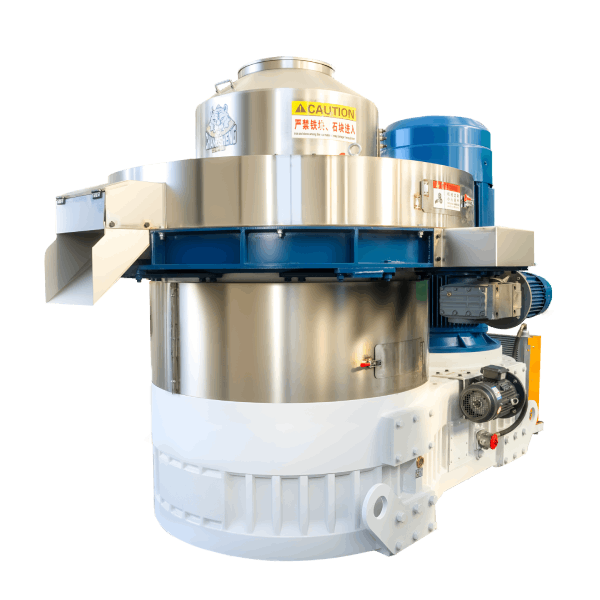
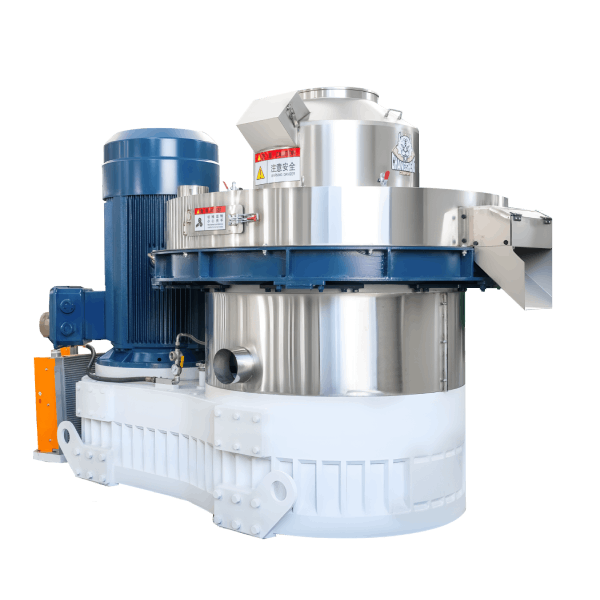
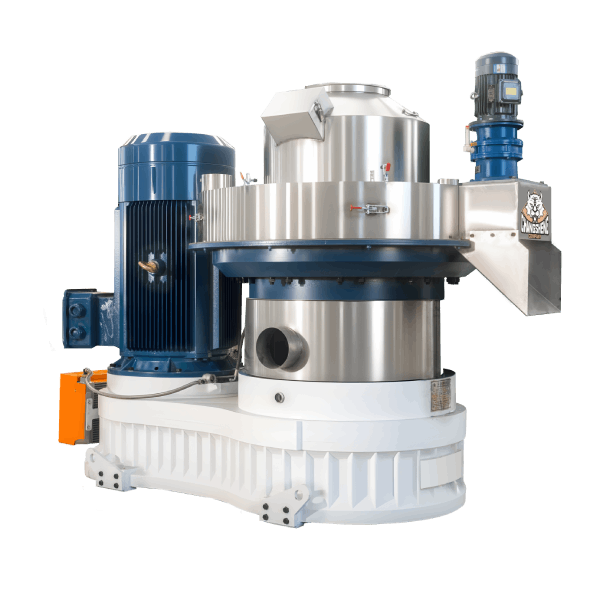
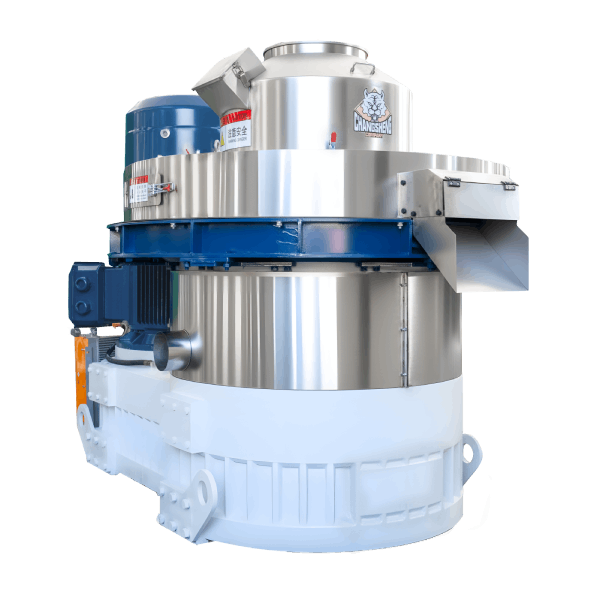
Grass pellet machines are specialized equipment designed to process grass and other biomass materials into uniform pellets. These machines play a critical role in biomass energy production by converting organic materials into a renewable energy source. Grass pellets are used for heating, electricity generation, and as animal feed, making them a versatile product in the energy and agricultural sectors.
Technical Specifications and Parameters
| Parameter | Specification |
|---|---|
| Model | GS-500, GS-1000, GS-1500 |
| Capacity | 500kg/h to 2t/h |
| Power Requirement | 30kW – 75kW |
| Pellet Size | 6mm, 8mm, 10mm |
| Material Handling | Grass, Straw, Hemp, etc. |
| Moisture Content | 10-15% |
| Die Material | Alloy Steel |
| Warranty | 12 months |
Structure and Materials
The grass pellet machine is built with high-quality, durable materials to withstand heavy use. Here is an outline of its key components:
- Feeding System: Ensures a steady flow of grass into the machine.
- Pelletizing Die: Made from hardened alloy steel, it’s designed for high efficiency and long service life.
- Roller Assembly: Compresses the material into pellets.
- Transmission System: Includes a gearbox and motor to drive the machine’s operations.
- Cooling System: Ensures that the pellets are cooled down after formation to prevent moisture damage.
Manufacturing Process of Grass Pellets
The process of producing grass pellets involves several critical stages:
- Material Preparation: Grass is cleaned and preprocessed to ensure it is free of impurities.
- Drying: The moisture content of the grass is reduced to an optimal level (10-15%).
- Pelletizing: The prepared material is fed into the pelletizing chamber, where it is compressed by rollers and passed through the die to form pellets.
- Cooling: The hot pellets are cooled to prevent spoilage and preserve their quality.
- Packaging: The finished pellets are packaged for transport and storage.
Industry Comparison: Grass Pellet Machines vs. Other Biomass Machines
| Feature | Grass Pellet Machine | Wood Pellet Machine |
|---|---|---|
| Material Compatibility | Grass, Straw, Hay, Leaves | Wood, Sawdust, Shavings |
| Pellet Size | 6mm – 10mm | 6mm – 8mm |
| Energy Efficiency | High, optimized for grasses | High, optimized for wood |
| Maintenance | Moderate, requires regular checks | Low, but dependent on material |
| Cost Efficiency | Cost-effective for small farms | Suitable for large-scale production |
Application Scenarios: Who Can Benefit?
Grass pellet machines are used across various industries and applications:
- Agriculture: Farmers and agricultural businesses use grass pellets as feed for livestock or as a sustainable energy source.
- Renewable Energy: Biomass energy plants can use grass pellets to generate heat and power.
- Biomass Heating: Grass pellets serve as a clean, efficient fuel source for industrial and residential heating systems.
- Environmental Solutions: Reduce waste and convert agricultural residues into valuable, eco-friendly products.
Core Pain Points and Solutions
- Inconsistent Pellet Quality:
Solution: Ensure proper moisture content and material consistency to maintain uniform pellet size and quality. - Low Production Capacity:
Solution: Choose a grass pellet machine with an appropriate capacity for your operational needs. Larger machines can handle higher throughput. - High Maintenance Costs:
Solution: Opt for machines with durable components (e.g., alloy steel dies) to reduce wear and tear. - Inadequate Pellet Strength:
Solution: Optimize the pelletizing process and ensure proper compression to produce stronger, denser pellets.
Risk Warnings and Mitigation Tips
- Moisture Issues: Overly wet or dry grass can affect pellet quality. Ensure proper moisture content before pelletizing.
- Inconsistent Sourcing: Ensure consistent, quality raw material supply to avoid fluctuations in production quality.
- Maintenance Neglect: Regular maintenance of the machine, particularly the die and rollers, is crucial for preventing breakdowns.
Purchasing Guide: How to Select the Right Grass Pellet Machine
- Capacity Requirements: Choose a machine that meets your production needs.
- Material Type: Ensure the machine can handle your specific raw material (e.g., grass, straw).
- Energy Efficiency: Look for machines that minimize energy consumption while maximizing output.
- Machine Durability: Opt for high-quality components and materials that offer long-lasting performance.
- Size and Footprint: Consider the space available for installation.
- After-Sales Service: Ensure the manufacturer offers good customer support and warranty services.
Engineering Case Study: Successful Implementation of a Grass Pellet Machine
Case Study 1:
A large agricultural farm in Northeast China adopted the grass pellet machine to process their abundant grass resources. The farm now produces high-quality pellets for both animal feed and energy generation. The project has not only reduced waste but has also provided a steady income stream from the sale of pellets.
Case Study 2:
A biomass energy plant in Europe upgraded its pelletizing system with a grass pellet machine designed by Shandong Changsheng Machinery. This upgrade increased production efficiency by 20%, resulting in lower operational costs and higher energy output.
FAQ
- How much does a grass pellet machine cost?
Prices vary depending on the capacity and features, ranging from $5,000 to $50,000. - What is the ideal moisture content for grass?
Grass should have a moisture content of 10-15% before pelletizing. - Can the machine handle wet grass?
It is not recommended to use wet grass. Pre-drying is essential. - What are the typical maintenance requirements?
Regular checks of the transmission system, lubrication, and die are necessary. - How long does a grass pellet machine last?
With proper maintenance, a good-quality machine can last for over 10 years. - Can I use other materials, like straw or hay?
Yes, the machine can handle various types of biomass material. - What are the environmental benefits of using grass pellets?
Grass pellets are a renewable and eco-friendly energy source that reduces reliance on fossil fuels. - How do I ensure consistent pellet quality?
Monitor moisture levels and ensure a steady feedstock supply for optimal performance. - Do I need additional equipment?
Depending on the operation, you may need a dryer, cooling system, and packaging equipment. - What is the warranty period for the machine?
Shandong Changsheng Machinery provides a 12-month warranty for all machines.
Call to Action: Request a Quote / Technical Data / Engineering Samples
If you’re ready to invest in a high-performance grass pellet machine, reach out to Shandong Changsheng Machinery. We offer customized solutions, comprehensive technical support, and engineering samples to help you optimize your biomass pellet production process.
Contact us today for a detailed quote or more information about our products:
Email: [Contact Email]
Phone: [Contact Phone Number]
E-E-A-T (Expertise, Authoritativeness, and Trustworthiness)
Shandong Changsheng Machinery has over two decades of experience in the biomass machinery industry. As a leading provider of grass pellet machines, we ensure that every product meets the highest standards of quality, durability, and efficiency. Our machines are trusted by businesses around the world for their performance and reliability.