Wood Shavings Pellet Machine | Specs, Cost & Buying Guide
News 2026-03-26
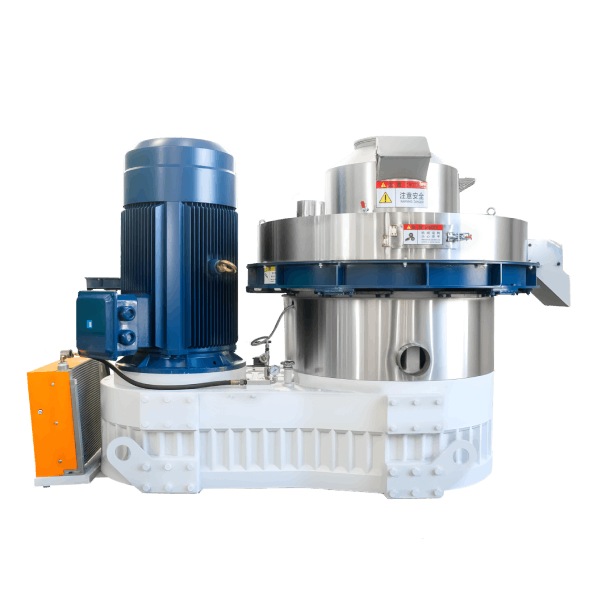
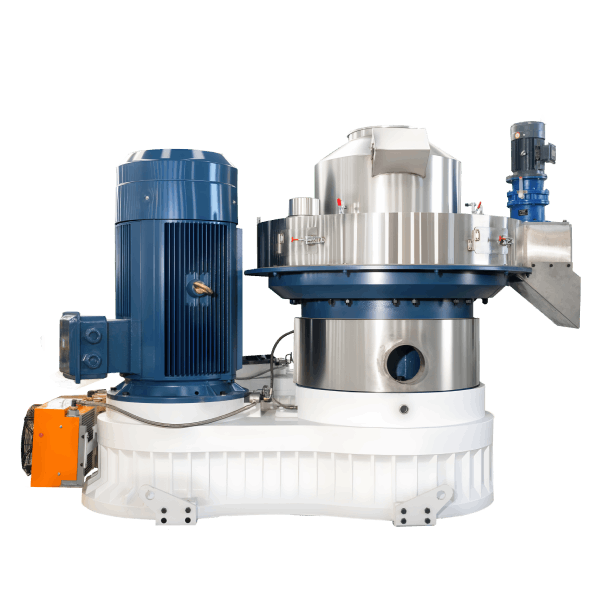
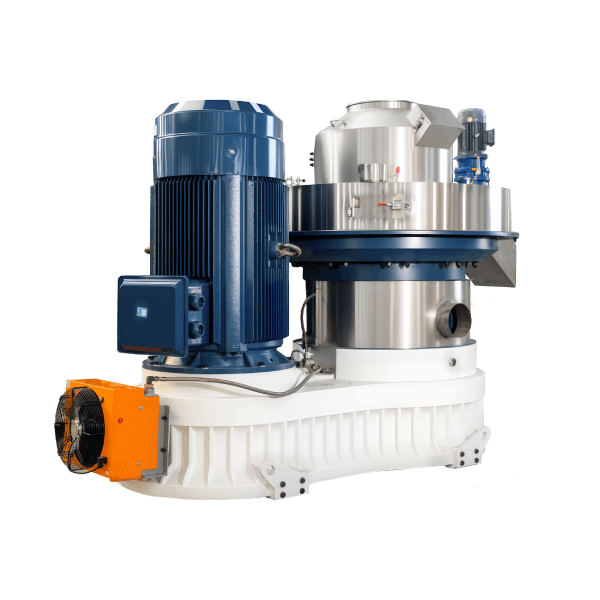
A wood shavings pellet machine is an industrial pelletizing system designed to compress wood shavings, sawdust, and other wood residues into high-density biomass pellets. Using high-pressure rollers and a ring die system, the machine converts loose biomass into standardized fuel pellets suitable for heating, industrial boilers, and energy production.
Technical Parameters & Specifications
The performance of a wood shavings pellet machine depends on raw material properties, die configuration, and drive system. The following specifications represent typical industrial equipment used in biomass pellet production plants.
| Parameter | Typical Specification |
|---|---|
| Production Capacity | 0.8 – 6 tons/hour |
| Pellet Diameter | 6 mm / 8 mm / 10 mm |
| Raw Material Moisture | 10 – 15% |
| Installed Power | 90 – 250 kW |
| Pellet Density | 1.1 – 1.35 g/cm³ |
| Ring Die Diameter | 420 – 700 mm |
| Compression Ratio | 1:6 – 1:8 |
| Pellet Temperature | 80 – 100°C |
| Pellet Durability | ≥ 95% |
| Operation Mode | Continuous industrial operation |
These parameters enable stable pellet production while maintaining consistent pellet quality and energy efficiency.
Structure & Material Composition
A typical wood shavings pellet machine consists of the following engineered components:
1. Feeding System
- Screw feeder with frequency control
- Carbon steel hopper
2. Pelletizing Chamber
- Ring die (alloy steel, vacuum heat-treated)
- Press rollers with wear-resistant coating
- Adjustable roller pressure system
3. Main Drive System
- Industrial motor (90–250 kW)
- Gearbox transmission system
- High-strength coupling
4. Lubrication System
- Automatic grease lubrication
- Bearing temperature monitoring
5. Control System
- PLC-based operation panel
- Overload protection
6. Frame & Housing
- Heavy-duty welded steel structure
- Anti-vibration base design
Manufacturing Process (Engineering Workflow)
The pelletizing process using a wood shavings pellet machine follows a structured engineering workflow.
Step 1 – Raw Material Preparation
Equipment: Wood chipper / hammer mill
Goal: Reduce particle size to 3–5 mm.
Step 2 – Moisture Adjustment
Equipment: Rotary dryer
Goal: Reduce moisture content to 10–15%.
Step 3 – Feeding
Equipment: Variable-speed screw feeder
Goal: Maintain uniform material flow.
Step 4 – Pellet Compression
Equipment: Ring die pellet mill
Process: High-pressure rollers compress biomass through die holes.
Step 5 – Pellet Cooling
Equipment: Counterflow cooler
Goal: Reduce pellet temperature and improve durability.
Step 6 – Screening & Packaging
Equipment: Vibrating screen + automatic bagging machine
Goal: Remove fines and package finished pellets.
Industry Comparison
| Factor | Wood Shavings Pellet Machine | Flat Die Pellet Machine | Briquette Machine |
|---|---|---|---|
| Production Capacity | High | Low–Medium | Medium |
| Pellet Density | High | Medium | Medium |
| Continuous Operation | Yes | Limited | Yes |
| Industrial Suitability | Excellent | Small scale | Fuel briquettes |
| Maintenance Frequency | Medium | High | Medium |
| Pellet Quality | Stable | Variable | Irregular |
Industrial buyers typically prefer ring die pellet machines due to higher productivity and pellet durability.
Application Scenarios
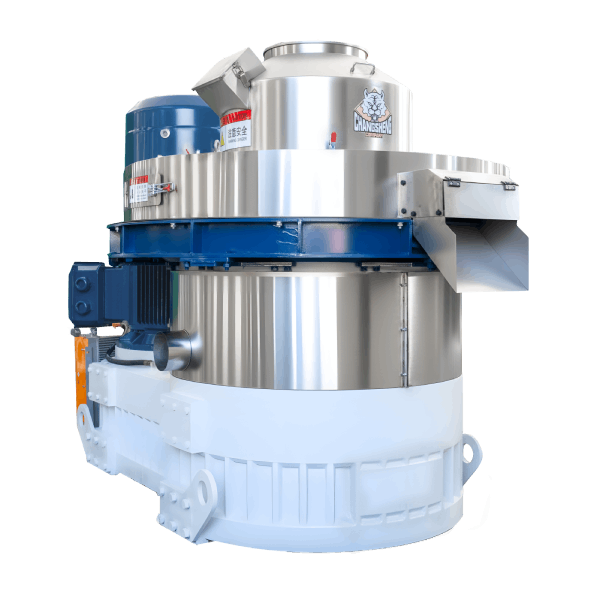
A wood shavings pellet machine is widely used in industrial biomass fuel production.
Distributors & Importers
Supply standardized biomass pellets to residential heating and commercial fuel markets.
EPC Contractors
Develop biomass energy plants or pellet production facilities.
Industrial Enterprises
Convert wood waste into renewable fuel for boilers.
Wood Processing Plants
Utilize sawdust and wood shavings generated during production.
Core Pain Points & Solutions
1. Raw Material Moisture Fluctuation
Problem: Excess moisture causes pellet cracks.
Solution: Install rotary dryers and moisture sensors.
2. Die Wear and Short Lifespan
Problem: High compression causes rapid die wear.
Solution: Use alloy steel dies with vacuum heat treatment.
3. High Energy Consumption
Problem: Inefficient grinding and drying.
Solution: Optimize hammer mill efficiency and airflow design.
4. Pellet Quality Instability
Problem: Inconsistent feeding rate.
Solution: Implement frequency-controlled feeding systems.
Risk Warnings & Mitigation
Fire Risk in Drying Systems
Install temperature sensors and fire suppression systems.
Bearing Overheating
Ensure proper lubrication and temperature monitoring.
Dust Explosion Hazard
Integrate cyclone separators and dust collectors.
Raw Material Contamination
Install magnetic separators to remove metal debris.
Procurement Selection Guide
Procurement managers should evaluate the following factors when purchasing a wood shavings pellet machine:
1. Determine Production Capacity
Define hourly output requirements.
2. Evaluate Raw Material Characteristics
Analyze wood species, moisture content, and particle size.
3. Check Core Component Quality
Inspect die material, roller design, and gearbox reliability.
4. Review Power Consumption
Calculate energy cost per ton of pellets.
5. Verify Automation Level
PLC control and automated lubrication reduce labor costs.
6. Assess Supplier Experience
Choose manufacturers with proven industrial projects.
7. Evaluate Spare Parts Availability
Ensure quick replacement of wear components.
Engineering Case Study
Project: 5 T/H Wood Pellet Production Facility
Location: Southeast Asia
Project configuration:
- Raw material: Pine wood shavings
- Installed power: 650 kW
- Pellet size: 8 mm
- Daily operation: 20 hours
Project Results
- Average output: 4.8–5 tons/hour
- Pellet durability: 96%
- Fuel replacement: 30% reduction in coal consumption
The project demonstrates the efficiency of industrial pelletizing systems in biomass energy applications.
FAQ – Wood Shavings Pellet Machine
1. What raw materials can be used?
Wood shavings, sawdust, wood chips, and agricultural biomass.
2. What moisture level is required?
10–15% for optimal pellet formation.
3. What is the lifespan of a ring die?
Typically 800–1,500 operating hours.
4. How many operators are required?
Usually 2–4 operators per production shift.
5. What pellet size is most common?
6 mm and 8 mm for biomass fuel markets.
6. Can the machine run continuously?
Yes, industrial machines are designed for 24/7 operation.
7. What is the power consumption per ton?
Approximately 90–150 kWh per ton.
8. Is cooling necessary after pelletizing?
Yes, cooling improves pellet hardness and durability.
9. Can the system be integrated into a full pellet plant?
Yes, it can be integrated into complete pellet production lines.
10. What maintenance is required?
Routine lubrication, die inspection, and roller adjustment.
Request Technical Information or Quotation
For detailed specifications, engineering layouts, or customized pricing of a wood shavings pellet machine, contact Shandong Changsheng Machinery.
Our engineering team can provide:
- Equipment configuration proposals
- Raw material testing
- Production line design
- Cost estimation and ROI analysis
Submit your requirements to receive technical documentation and sample pellet testing support.
Authoritative Statement (E-E-A-T)
This article is prepared by engineering specialists with extensive experience in biomass pellet equipment design and international project implementation. Shandong Changsheng Machinery has delivered pelletizing equipment and complete production systems to clients across Asia, Europe, and Africa, supporting industrial buyers, EPC contractors, and biomass energy developers.