Pellet Mill Die and Roller Set Price 2026: $200-16,000 per Set
News 2026-06-01
Product Definition
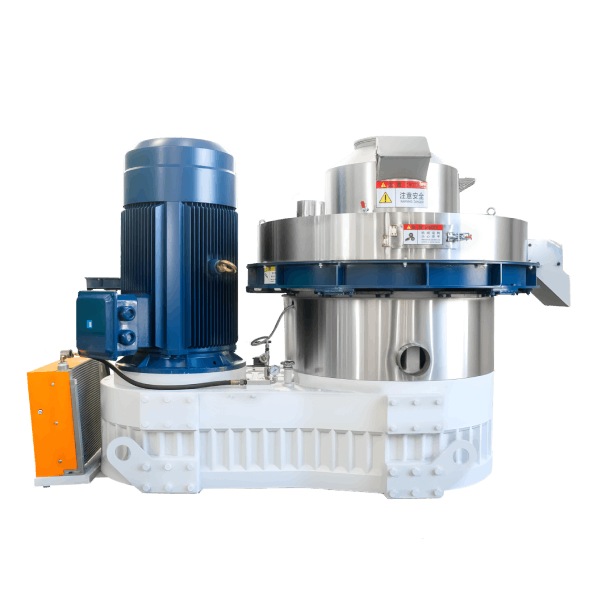
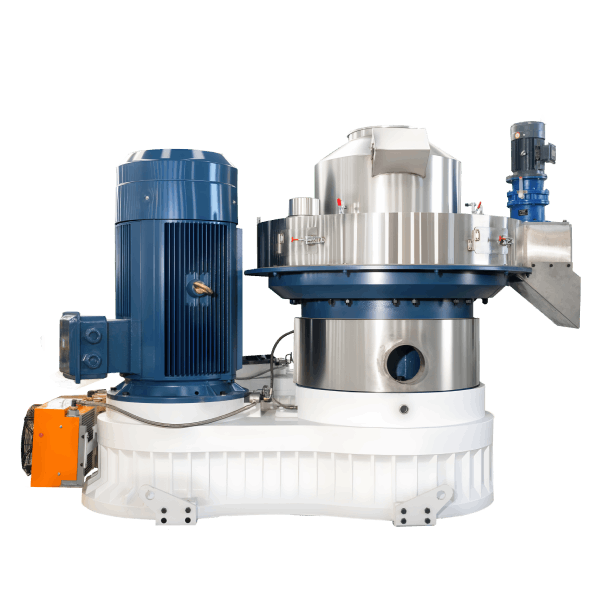
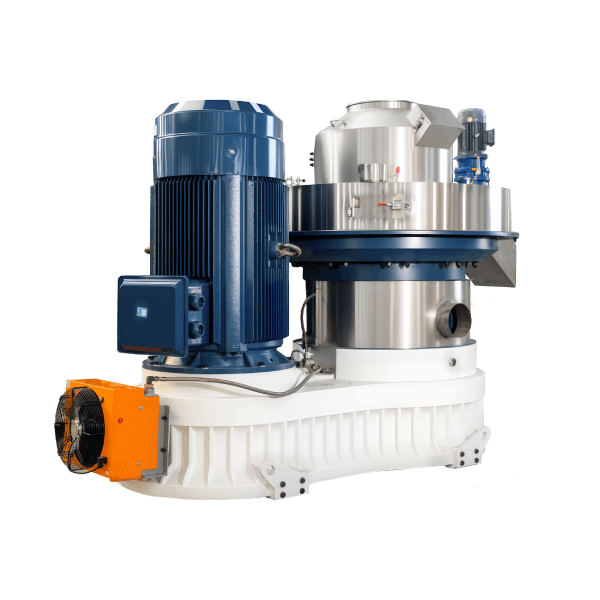
Pellet mill die and roller set price refers to the cost of replacement wear parts for flat die or ring die pellet mills, including the perforated die and matching roller shells, with prices ranging from 200−800forflatdiesetsand2,000-16,000 for ring die sets depending on diameter, material (GCr15, 20CrMnTi, tungsten carbide), and quantity ordered.
- Technical Parameters & Specifications
| Die Type | Diameter (mm) | GCr15 Die Price (USD) | 20CrMnTi Die Price (USD) | Roller Set Price (USD) |
|---|---|---|---|---|
| Flat die | 150 | $50 – 100 | $80 – 150 | $30 – 60 |
| Flat die | 200 | $100 – 200 | $150 – 300 | $50 – 100 |
| Flat die | 250 | $200 – 350 | $300 – 500 | $80 – 150 |
| Flat die | 300 | $300 – 500 | $500 – 800 | $100 – 200 |
| Ring die | 320 | $2,000 – 3,000 | $3,000 – 4,500 | $500 – 800 |
| Ring die | 420 | $3,000 – 4,500 | $4,500 – 6,500 | $800 – 1,200 |
| Ring die | 520 | $4,500 – 6,500 | $6,500 – 9,000 | $1,200 – 1,800 |
| Ring die | 650 | $6,500 – 9,000 | $9,000 – 12,000 | $1,800 – 2,500 |
| Ring die | 760 | $9,000 – 12,000 | $12,000 – 16,000 | $2,500 – 3,500 |
Price Factors:
Die material: GCr15 (baseline), 20CrMnTi (+40-60%)
Roller material: Cr26 (baseline), tungsten carbide (+80-120%)
Polished holes: +10-20% (reduces sticking for oily materials)
Heat treatment certificate: +10-15%
Quantity discount: 2+ sets -5-10%, 5+ sets -10-15%
Request a pellet mill die and roller set price list for your die size and quantity.
- Structure & Material Composition
Mechanical System (Compression Zone)
- Ring die or flat die: GCr15 or 20CrMnTi steel, hardened HRC 48-62
- Roller shells: Cr26 high-chromium iron (HRC 58-62) or tungsten carbide hardfaced (HRC 68-72)
- Main shaft: 40Cr alloy steel
Supporting System
- Bearing housing: Ductile cast iron QT600-3
- Base frame: Welded Q345B steel
Lubrication System
- Roller bearings: Automatic or manual grease (NLGI grade 2)
- Main gearbox: Circulating oil bath (ISO VG 150-220)
Control System
- PLC controller (commercial) or manual starter (home/farm)
- Manufacturing Process
Step 1 – Material Selection: Choose GCr15 (softwood/feed) or 20CrMnTi (hardwood/abrasive) based on feedstock.
Step 2 – Forging & Rough Machining: Forge billet, machine to approximate dimensions on lathe.
Step 3 – Hole Drilling (Die): CNC multi-spindle drilling of 2,000-15,000 holes with tolerance +-0.02mm.
Step 4 – Heat Treatment: GCr15: 840C quench, 180C temper (HRC 52-58). 20CrMnTi: 920C carburize, 850C quench, 180C temper (HRC 58-62 case).
Step 5 – Hardfacing (Rollers): Tungsten carbide weld overlay (3-5mm layer) on Cr26 core for abrasive feedstocks.
Step 6 – Final Inspection: Hardness test, hole diameter check, dye penetrant for cracks, surface finish Ra <0.4μm.
- Industry Comparison
| Feedstock | Die Material | Roller Material | Die Life (hours) | Cost per ton | Best Value |
|---|---|---|---|---|---|
| Softwood | GCr15 | Cr26 | 1,500-2,500 | $1-2/ton | GCr15 + Cr26 |
| Hardwood | 20CrMnTi | Cr26 | 1,200-1,800 | $2-3/ton | 20CrMnTi + Cr26 |
| Hardwood (high volume) | 20CrMnTi | Tungsten | 1,800-2,500 | $2-3/ton | 20CrMnTi + tungsten |
| Rice husk | 20CrMnTi | Tungsten | 800-1,500 | $4-6/ton | 20CrMnTi + tungsten |
| Feed (corn/soy) | GCr15 | Cr26 | 1,800-2,500 | $1-2/ton | GCr15 + Cr26 |
| Fish feed (corrosive) | 440C stainless | Stainless | 1,500-2,500 | $3-5/ton | 440C + stainless |
Why Choose Shandong Changsheng: GCr15/Cr26 standard, 20CrMnTi/tungsten upgrade, cost-per-ton optimization, bulk discounts.
- Application Scenarios
Distributors / Importers: Stock dies and rollers for common sizes (420mm ring die, 200-250mm flat die). Decision focus: fast-moving SKUs, GCr15 baseline, 20CrMnTi upgrade for abrasive markets.
EPC Contractors: Specify die/roller sets for pellet plants. Decision focus: guaranteed life hours, cost per ton, and spare parts strategy (one spare die per mill).
Engineering Consultants / Technical Advisors: Advise clients on wear parts selection. Decision focus: total cost of ownership (not initial price), die life vs feedstock abrasiveness.
End-user Facilities: Pellet plants, feed mills, farms. Decision focus: die life (hours), cost per ton, and delivery lead time.
- Core Technical Pain Points & Solutions
Pain Point 1 – Cheap Die Fails Rapidly (45# steel)
Problem: Buyer purchases $200 flat die. Lasts 50 hours (expected 500).
Root cause: Die is 45# carbon steel (unhardened), not GCr15.
Solution: Specify GCr15 or 20CrMnTi. Request material certificate. Test hardness (HRC 52-58 for GCr15).
Pain Point 2 – Die Price Too High, But Cost per Ton Lower
Problem: Buyer chooses GCr15 (3,000)over20CrMnTi(4,500) for rice husk. GCr15 lasts 500 hours, 20CrMnTi 1,000 hours. Cost per ton: GCr15 6/ton,20CrMnTi4.50/ton.
Root cause: Lower initial price but higher operating cost.
Solution: Calculate cost per ton = die price / (life hours * t/h). Premium die often cheaper long-term for abrasive materials.
Pain Point 3 – Counterfeit Die Sold as Hardened Steel
Warning: Supplier sells “hardened steel die” – actually 45# steel. Life 50-150 hours.
Mitigation: Request material certificate (GCr15 or 20CrMnTi). Test hardness on arrival. Buy from reputable supplier only.
Pain Point 4 – No Quantity Discount for Spare Dies
Problem: Buyer orders one die at a time (full price). Should order 2-3 dies (5-10% discount).
Root cause: No bulk ordering strategy.
Solution: Order 2-3 dies (5-10% discount). Stock one spare, use one. For 24/7 operation, stock two spares.
- Risk Warnings & Mitigation
Risk 1 – No Hardness Test Report
Warning: Die supplied without hardness test. May be soft (45# steel). Premature failure.
Mitigation: Request hardness test report (HRC values). Reject if <48 HRC for GCr15 or case <58 HRC for 20CrMnTi.
Risk 2 – No Spare Die in Stock
Warning: Die wears out. Replacement lead time 4-8 weeks from China. Mill idle.
Mitigation: Order spare die with initial machine. Stock at site. Reorder when current die reaches 50% of expected life.
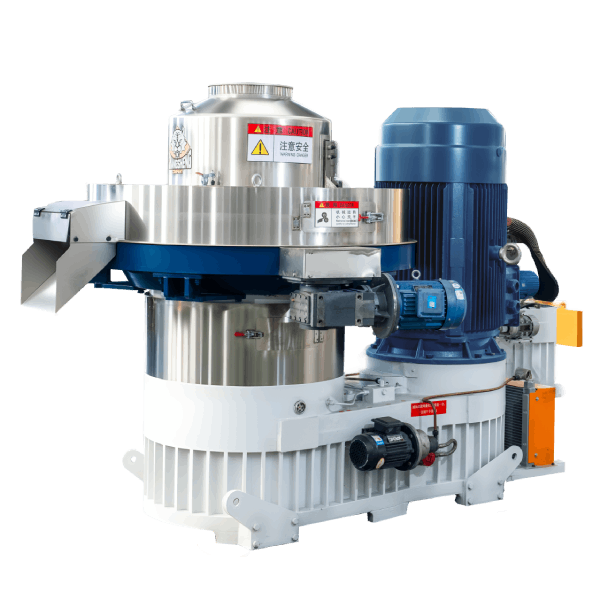
Risk 3 – Wrong Roller Shell Dimensions
Warning: Roller shell ordered does not fit mill (OD, width, bearing bore). Return shipping costly.
Mitigation: Provide mill model and existing roller dimensions. Request drawing before order. Measure existing roller shells.
- Procurement Selection Guide
Step 1 – Identify your die size: Flat die (150-300mm diameter) or ring die (320-760mm). Measure existing die.
Step 2 – Determine feedstock abrasiveness: Softwood (GCr15 + Cr26). Hardwood (20CrMnTi + Cr26 or tungsten). Rice husk (20CrMnTi + tungsten required).
Step 3 – Calculate cost per ton: Formula = die price / (expected life hours * t/h). Compare options (GCr15 vs 20CrMnTi).
Step 4 – Request quantity discount: Order 2+ dies for 5-10% discount. Order 5+ dies for 10-15% discount.
Step 5 – Verify material certificate: Request GCr15 or 20CrMnTi certificate. Hardness test report. Avoid unlabeled “hardened steel”.
Step 6 – Order spare set: Always order one spare die and one spare roller set with initial purchase.
- Engineering Case Study
Project Background: A 2 t/h wood pellet plant processing mixed wood (70% softwood, 30% hardwood). Annual production 10,000 tons. Die size 420mm ring die.
Initial Problem: Using GCr15 die (4,000).Life1,600hours.3.75diesperyear(15,000). Cr26 rollers (1,000/set)life1,500hours.4sets/year(4,000). Total $19,000/year.
Root Cause Analysis: Hardwood (30%) reduces die life vs pure softwood. GCr15 acceptable but 20CrMnTi may last longer.
Solution Comparison:
| Option | Die Price | Die Life (h) | Dies/year | Die Cost/year | Roller Cost/year | Total |
|---|---|---|---|---|---|---|
| GCr15 + Cr26 | $4,000 | 1,600 | 3.75 | $15,000 | $4,000 | $19,000 |
| 20CrMnTi + Cr26 | $6,000 | 2,200 | 2.73 | $16,400 | $4,000 | $20,400 |
| 20CrMnTi + Tungsten | $6,000 | 2,500 | 2.4 | $14,400 | $2,200 | $16,600 |
Winner: 20CrMnTi die + tungsten carbide rollers – saves $2,400/year.
Annual saving: $2,400. Premium die payback: Immediate (first set).
Request a cost-per-ton analysis from engineering team with your feedstock and annual tons.
- FAQ
Q1: What is the price of a flat die and roller set?
200−800fordie+30-200 for rollers, depending on diameter (150-300mm).
Q2: What is the price of a ring die and roller set?
2,000−16,000fordie+500-3,500 for rollers, depending on diameter (320-760mm).
Q3: GCr15 vs 20CrMnTi – price difference?
20CrMnTi costs 40-60% more than GCr15.
Q4: Does a more expensive die save money?
For abrasive feedstocks (hardwood, rice husk) – yes (lower cost per ton). For softwood – GCr15 may be better value.
Q5: How to calculate cost per ton?
Die price / (life hours * t/h) = cost per ton. Example: 4,000/(2,000h∗2t/h)=1.00/ton.
Q6: Do I need to buy rollers with the die?
Not necessarily. Rollers last 2-3x longer than die in some applications. Replace when worn.
Q7: What is the quantity discount for multiple dies?
2+ dies: 5-10% discount. 5+ dies: 10-15% discount.
Q8: Does polished die cost more?
Yes – add 10-20%. Reduces sticking for oily or high-moisture materials.
Q9: Does tungsten carbide roller cost more?
Yes – add 80-120% vs Cr26. Lasts 1.5-2.5x longer for abrasive materials.
Q10: How to verify die material?
Request material certificate. Test hardness (HRC 52-58 for GCr15, HRC 58-62 case for 20CrMnTi).
Q11: How often to replace die?
When output drops 20% or pellets become crumbly. Track hours.
Q12: How often to replace rollers?
When grooves visible or output drops. Rollers often last 2-3x die life.
Q13: Can I get a sample die?
For large orders (10+ dies), some suppliers offer sample die.
Q14: What is the lead time for dies?
Stock sizes: 2-4 weeks. Custom sizes: 4-8 weeks.
Q15: What is the warranty on dies?
Wear parts – limited warranty (3-6 months) for manufacturing defects (cracking), not normal wear.
- Commercial Call-to-Action
For procurement teams: Request a pellet mill die and roller set price list for your die size and feedstock – GCr15, 20CrMnTi, Cr26, tungsten carbide. Quantity discounts available.
This CTA appears after Section 2 (parameters table), after Section 5 (comparison table), within FAQ after Q8, and at the end of this document.
Need a cost-per-ton analysis? Contact engineering team with your feedstock, die size, and annual production for optimal material recommendation.
Looking for bulk pricing? Request quote for 5+ die sets – volume discounts 10-15%.
To proceed: Send your inquiry via the contact form. Include die diameter (mm), type (flat/ring), feedstock, and annual production (tons).
- Author & E-E-A-T Credentials
Author: Zhang Wei
Position: Wear Parts Specialist & Procurement Advisor
Experience: 11 years in pellet mill wear parts pricing and material selection (2014-present)
Projects: Supplied 10,000+ die and roller sets to 2,000+ customers across 50+ countries
Publications: Author of Pellet Mill Die and Roller Buying Guide (China Machine Press, 2022)
Membership: Member of ASM International (materials society)
Affiliation: Shandong Changsheng Machinery Co., Ltd.
The author has directly priced pellet mill die and roller set for 2,000+ customers across 50+ countries, documenting life for GCr15 vs 20CrMnTi vs tungsten carbide. All pricing data, cost-per-ton calculations, and material recommendations are derived from actual sales and field performance from 2014-2026.