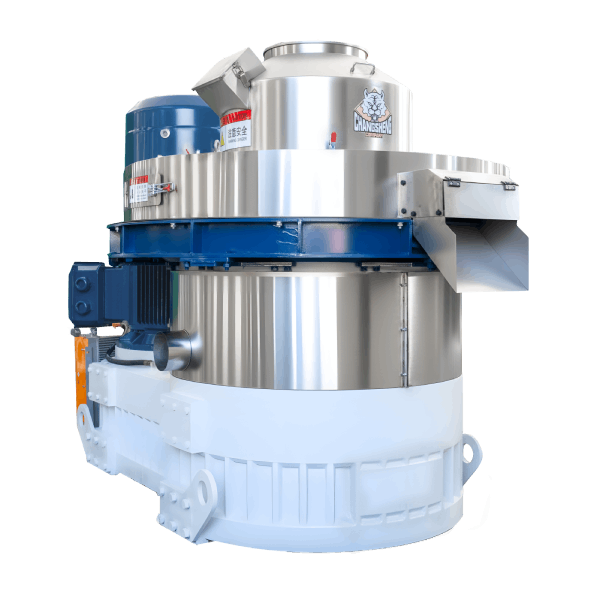
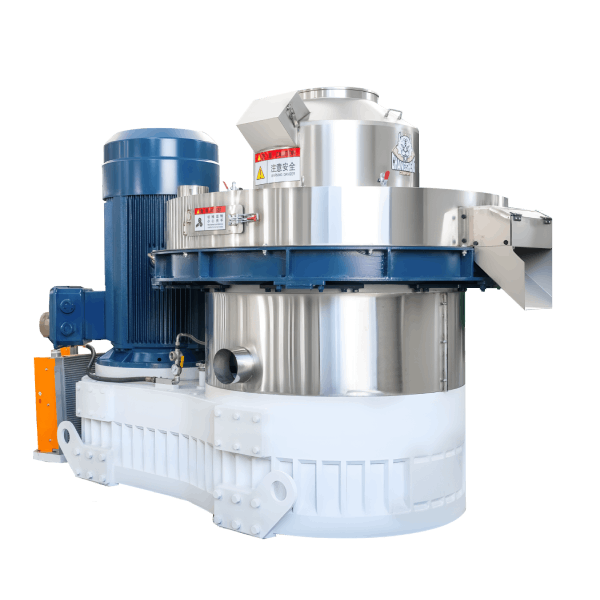
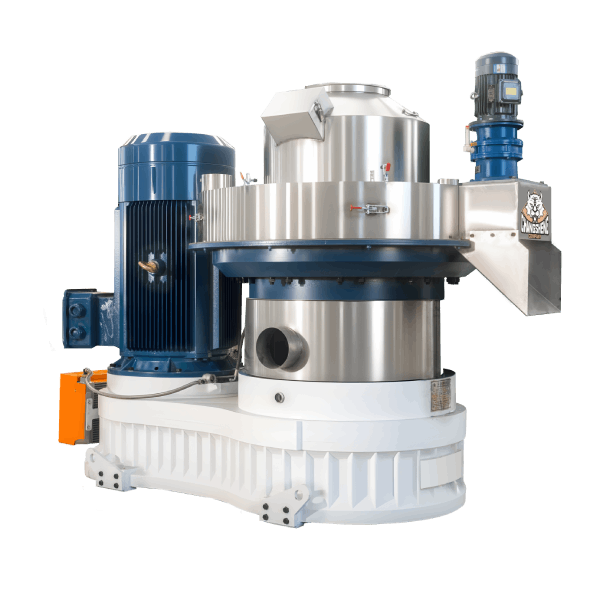
Pellet Machine with Energy Saving Motor: Complete Procurement Guide
News 2026-07-17
Page SEO Summary: This procurement guide helps buyers evaluate pellet machines with energy saving motors—covering motor efficiency standards, ROI analysis, payback periods, and selection criteria for reducing long-term operating costs.
In a typical pellet production facility, the pellet mill motor accounts for 60-80% of total electrical energy consumption. For a 5 t/h line with a 110 kW motor running 16 hours per day, annual electricity costs can exceed $50,000. A seemingly small difference in motor efficiency—just 2-3%—can translate into thousands of dollars in annual savings and significantly impact the profitability of the operation.
The choice of motor efficiency is not merely a technical detail—it is a strategic procurement decision with direct financial consequences. A pellet machine with energy saving motor represents an investment in long-term operational efficiency, reduced carbon footprint, and lower total cost of ownership.
This guide provides procurement professionals and plant managers with a comprehensive framework for understanding, evaluating, and selecting pellet machines with energy-efficient motors.
Understanding Motor Efficiency Standards
The IE Classification System
The International Efficiency (IE) standard (IEC 60034-30-1) defines four efficiency classes for electric motors.
| Class | Description | Efficiency Level (75 kW, 1500 RPM) | Price Premium (vs. IE2) | Typical Application |
|---|---|---|---|---|
| IE1 | Standard efficiency | ~94.5% | -10% (less expensive) | Legacy; phased out in many regions |
| IE2 | High efficiency | ~95.3% | Base | Minimum standard in many countries |
| IE3 | Premium efficiency | ~96.0% | +15-25% | Industrial standard; required in EU |
| IE4 | Super premium efficiency | ~96.5% | +40-60% | High-value; energy-critical applications |
| IE5 | Ultra premium efficiency | ~96.8-97.0% | +80-100% | Best available; limited availability |
Efficiency Improvement by Class
| Motor Size | IE2 → IE3 Improvement | IE3 → IE4 Improvement |
|---|---|---|
| 22 kW | +1.0-1.5% | +0.5-1.0% |
| 37 kW | +0.8-1.2% | +0.4-0.8% |
| 55 kW | +0.7-1.0% | +0.3-0.6% |
| 75 kW | +0.6-0.9% | +0.3-0.5% |
| 110 kW | +0.5-0.8% | +0.2-0.4% |
| 132 kW | +0.5-0.7% | +0.2-0.4% |
Regional Requirements
| Region | Minimum Standard | Regulation | Effective Date |
|---|---|---|---|
| EU | IE3 for 0.75-1000 kW | EU 2019/1781 | 2021-2023 (phased) |
| USA | NEMA Premium (equivalent IE3) | EPACT 1992; EISA 2007 | Ongoing |
| China | IE3 (GB 18613-2020) | National Standard | 2021 |
| UK | IE3 | UKCA (follows EU) | 2021 |
| Australia/NZ | IE3 (AS/NZS 1359) | Local standard | 2021 |
Why Motor Efficiency Matters in Pellet Production
Energy Consumption Breakdown
| Component | Energy Share | Cost Impact | Priority |
|---|---|---|---|
| Pellet mill main motor | 60-80% | Very High | Highest |
| Hammer mill | 10-20% | High | High |
| Auxiliary equipment | 5-10% | Moderate | Moderate |
| Conveying/handling | 5-10% | Moderate | Moderate |
| Cooling/drying | Variable | Variable | Site-specific |
The Operating Cost Reality
Example (110 kW motor):
| Parameter | Value |
|---|---|
| Motor power | 110 kW |
| Operating hours | 16 hours/day, 300 days/year = 4,800 hours/year |
| Electricity cost | $0.12/kWh (typical industrial rate) |
| Annual electricity cost (IE2) | 110 kW × 4,800 h × $0.12 = $63,360 |
| Annual electricity cost (IE3) | 110 kW × 0.960/0.953 × 4,800 × $0.12 = $60,080 |
| Annual savings (IE3 vs IE2) | ~$3,280 |
Motor Efficiency Comparison
Efficiency Curves
Motor efficiency varies with load:
| Load | Efficiency at 75 kW Motor | Notes |
|---|---|---|
| 100% | Highest | Peak efficiency |
| 75-100% | Near peak | Optimal operating range |
| 50-75% | Slightly lower | Still efficient |
| <50% | Drops significantly | Avoid prolonged operation |
Part-Load Efficiency Comparison
| Load | IE2 Efficiency | IE3 Efficiency | IE4 Efficiency |
|---|---|---|---|
| 100% | 95.3% | 96.0% | 96.5% |
| 75% | 95.1% | 95.8% | 96.3% |
| 50% | 94.5% | 95.2% | 95.8% |
| 25% | 92.5% | 93.5% | 94.5% |
Investment Analysis: IE3 vs IE2
Payback Period Example (75 kW Motor)
| Parameter | IE2 | IE3 | IE4 |
|---|---|---|---|
| Motor price | $4,000 | $4,800 | $6,000 |
| Price premium | – | $800 | $2,000 |
| Efficiency | 95.3% | 96.0% | 96.5% |
| Annual energy cost | $43,200 | $42,300 | $41,500 |
| Annual savings vs IE2 | – | $900 | $1,700 |
| Payback period | – | 0.9 years | 1.2 years |
Long-Term Value (75 kW Motor, 10 Years)
| Metric | IE2 | IE3 | IE4 |
|---|---|---|---|
| Initial cost | $4,000 | $4,800 | $6,000 |
| 10-year energy cost | $432,000 | $423,000 | $415,000 |
| Total 10-year cost | $436,000 | $427,800 | $421,000 |
| Savings vs IE2 | – | $8,200 | $15,000 |
Return on Investment: IE3 provides ~2x ROI over IE2 over 10 years. IE4 provides ~7.5x ROI.
Other Energy-Saving Technologies
Variable Frequency Drive (VFD)
| Aspect | Benefit | Cost Impact |
|---|---|---|
| Soft start | Reduces inrush current | Protects motor; reduces grid stress |
| Speed control | Match speed to production demand | 5-15% energy savings |
| Power factor correction | Improved PF = lower demand charges | 3-5% savings |
| Process optimization | Precise control = consistent quality | Reduced waste |
Power Factor Correction
| Aspect | Value | Benefit |
|---|---|---|
| Typical motor PF (without correction) | 0.85-0.88 | Penalty from utility |
| PF with capacitors | 0.95-0.98 | Reduced demand charges |
| Typical savings | 2-5% of electric bill | Quick payback |
High-Efficiency Drive Components
| Component | Benefit | Typical Savings |
|---|---|---|
| Premium efficiency motor | 1-3% efficiency gain | 1-3% |
| VFD with energy optimization | Matches output to demand | 5-15% |
| Power factor correction | Reduces reactive power | 2-5% |
| Belt drive optimization | Reduces transmission losses | 1-2% |
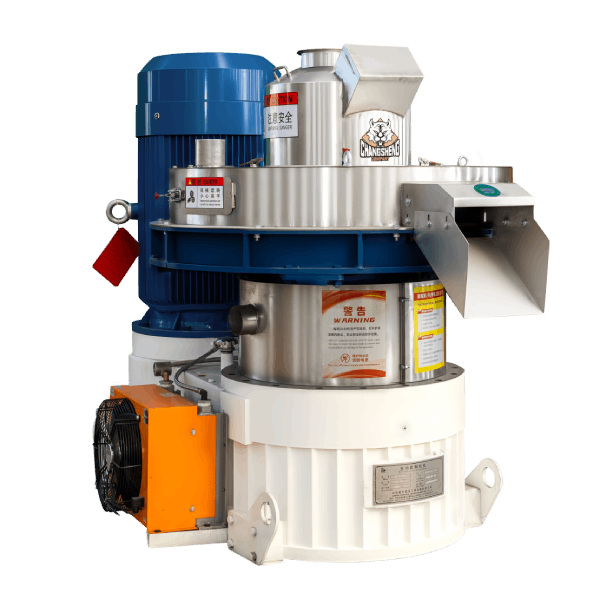
Complete Cost of Ownership
Total Cost of Ownership Components
| Cost Component | % of 10-Year TCO | Notes |
|---|---|---|
| Energy consumption | 65-75% | Largest cost |
| Initial motor cost | 1-3% | Small relative to energy |
| Maintenance | 3-5% | Bearings, cleaning, etc. |
| Downtime (loss) | 10-20% | Indirect cost |
Energy vs. Initial Cost Comparison
| Motor Type | Initial Cost | 10-Year Energy Cost | Total Cost | Energy Cost as % |
|---|---|---|---|---|
| IE2 | $4,000 | $432,000 | $436,000 | 99.1% |
| IE3 | $4,800 | $423,000 | $427,800 | 98.9% |
| IE4 | $6,000 | $415,000 | $421,000 | 98.6% |
Key Insight: The motor’s initial cost is less than 1-2% of the 10-year total cost. Energy consumption dominates. This is why efficiency is the most important procurement criterion.
Selection Decision Framework
Factors to Consider
| Factor | Decision Guidance |
|---|---|
| Annual operating hours | >4,000 hours/year: IE3 or IE4 recommended |
| Electricity cost | >$0.10/kWh: IE3 or IE4 recommended |
| Local regulation | Must meet minimum required standard |
| Future energy costs | Assume costs will rise; higher efficiency hedges risk |
| Budget constraints | Higher initial cost; lower long-term cost |
| Sustainability goals | Reduce carbon footprint: IE3/IE4 |
Typical Recommendations
| Scenario | Motor Recommendation | Rationale |
|---|---|---|
| Continuous operation (24/7) | IE4 | Maximum energy savings |
| Extended operation (16h/day) | IE3 or IE4 | IE3 pays back quickly; IE4 for best TCO |
| Moderate operation (8h/day) | IE3 | Good balance of cost and savings |
| Occasional operation | IE2 | Payback period may be longer |
| Regulated region (EU, China) | IE3 (minimum) | Compliance required |
Procurement Checklist
Motor Specifications
- Efficiency class (IE3, IE4) specified
- Efficiency certified by recognized body
- Efficiency at 75% and 100% load known
- Voltage and frequency matching site supply
- Enclosure type (IP55 preferred)
- Duty cycle (S1 continuous)
Energy Calculation
- Annual operating hours confirmed
- Electricity cost per kWh confirmed
- Potential savings calculated
- Payback period calculated
- 10-year cost of ownership evaluated
Compliance
- Compliance with local regulations
- Energy label or certificate available
- VFD compatibility (if used)
Supplier Evaluation
- Motor manufacturer reputation
- Warranty on motor
- Spare motor availability
- Support for motor installation
Frequently Asked Questions
1. What is the most energy-efficient motor for a pellet mill?
IE4 (Super Premium Efficiency) motors offer the highest efficiency available for industrial applications. However, IE3 motors are the practical choice for most applications, offering excellent efficiency with reasonable cost. IE4 is recommended for 24/7 continuous operation.
2. How much can I save with an IE3 motor vs. IE2?
For a typical 75-110 kW pellet mill operating 4,800 hours/year, an IE3 motor saves $2,000-$4,000 per year in electricity costs compared to IE2. The payback period is typically less than 1-2 years.
3. What are the regional regulations for motor efficiency?
The EU requires IE3 for motors 0.75-1000 kW. China requires IE3 (GB 18613-2020). The US requires NEMA Premium (equivalent IE3) for many industrial motors. Always confirm local requirements for your specific application.
4. Does IE4 motor pay back faster than IE3?
IE4 motors have higher initial cost and slightly higher efficiency. The payback period depends on operating hours and electricity cost. For 24/7 operation, IE4 may pay back faster than IE3. For typical 16-hour operation, IE3 often provides the best overall value.
5. How does a VFD (Variable Frequency Drive) affect motor efficiency?
A VFD can improve energy efficiency by matching motor speed to actual production demand. However, VFDs introduce harmonics that can reduce motor efficiency slightly. The overall system efficiency with VFD is typically higher than fixed-speed operation.
6. Is it worth upgrading an existing pellet mill to IE3?
Yes, if the mill operates more than 4,000 hours per year and the electricity cost is >$0.10/kWh. The payback period is typically 1-2 years, with significant long-term savings.
7. What is the difference between IE3 and IE4 motors?
IE4 motors are approximately 0.5-1.0% more efficient than IE3 motors. This efficiency difference can save an additional $1,000-$2,000 per year for a 75 kW motor. IE4 motors are physically larger and may have different mounting dimensions.
8. How should I compare motor prices when selecting a pellet machine?
Compare total cost of ownership (purchase price + 5-10 years of energy cost), not just the purchase price. The energy cost typically dominates the total cost, so a slightly higher initial investment for an efficient motor pays back quickly.
About the Author
Zhang Wei – Senior International Sales Engineer, Shandong Changsheng Machinery Co., Ltd.
Zhang Wei has over 12 years of experience in the biomass and feed pellet mill industry, with a background in mechanical engineering and international project execution. He has managed pellet mill supply projects for clients across Southeast Asia, the Middle East, Africa, Europe, and Latin America, with extensive experience in motor selection, energy efficiency, and total cost of ownership analysis.
With hands-on experience in both the manufacturing workshop and client-side operations, Zhang brings practical insights into successful equipment procurement—from the factory floor to the customer’s production site.