Straw Pellet Machine – Technical Guide & Industrial Solutions
News 2026-03-23
Straw Pellet Machine: Engineering Design, Process Flow & Procurement Guide
Product Definition
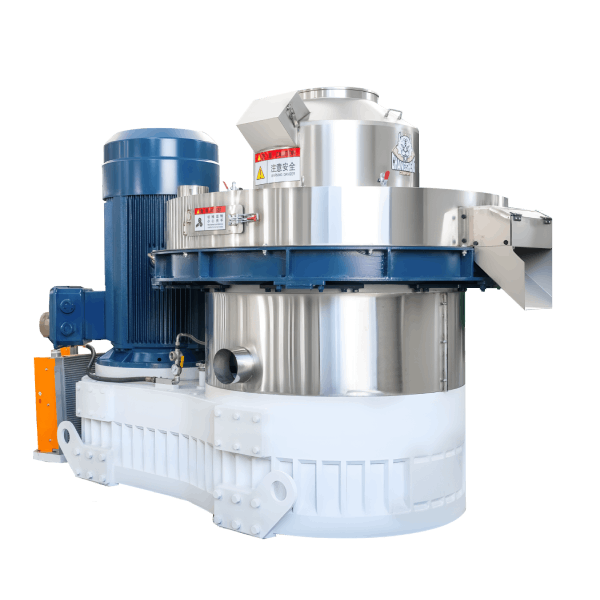
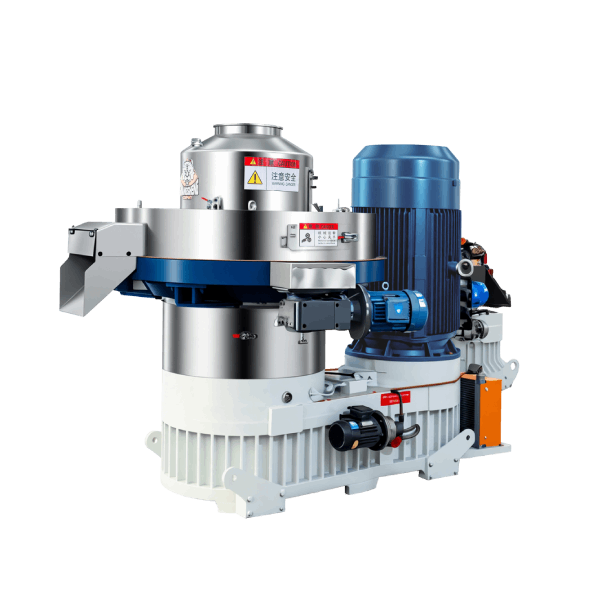
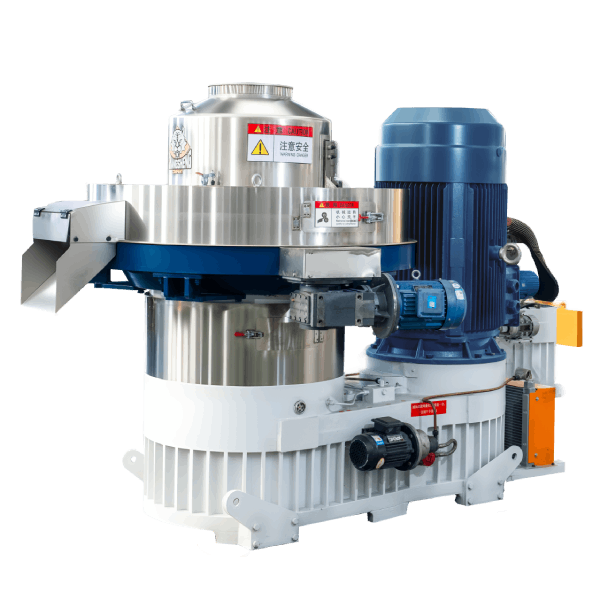
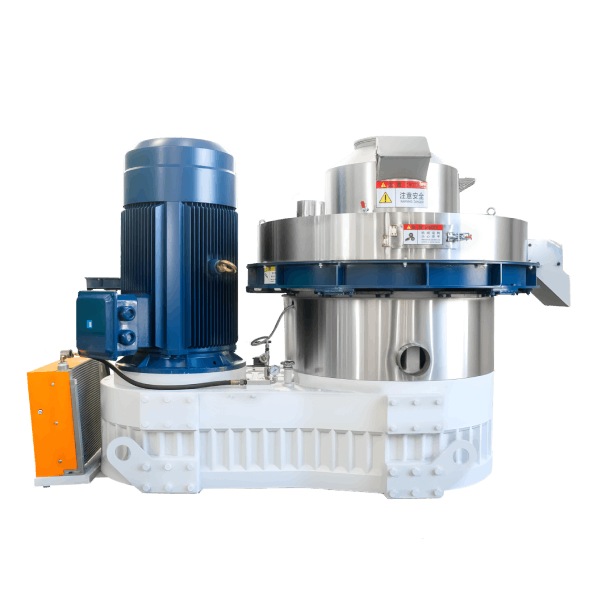
A straw pellet machine is an industrial biomass processing system that compresses agricultural residues such as wheat straw, rice straw, and corn stalks into high-density fuel pellets through mechanical extrusion under controlled pressure and temperature, enabling efficient storage, transportation, and combustion.
Technical Parameters & Specifications
Typical engineering specifications of a straw pellet machine are as follows:
| Parameter | Range |
|---|---|
| Capacity | 0.8–6 tons/hour (single machine) |
| Pellet Diameter | 6–10 mm |
| Raw Material Moisture | 12–18% |
| Final Pellet Moisture | ≤10% |
| Main Motor Power | 90–160 kW |
| Pellet Density | 1.0–1.3 g/cm³ |
| Compression Ratio | 1:6 – 1:10 |
| Die Hardness | HRC 52–58 |
| Energy Consumption | 80–120 kWh/ton |
These parameters vary depending on straw type, fiber content, and machine configuration.
Structure & Material Composition
A straw pellet machine consists of the following core components:
1. Feeding System
- Forced feeder with variable frequency control
- Material: carbon steel with anti-blocking design
2. Pelletizing Chamber
- Ring die (alloy steel, wear-resistant)
- Rollers (high chromium steel, hardened surface)
3. Transmission System
- Gearbox (helical gear, carburized steel)
- Main shaft (forged alloy steel)
4. Lubrication System
- Automatic grease lubrication
- Ensures continuous operation and reduces wear
5. Electrical Control System
- PLC-based control panel
- Overload and temperature protection
Manufacturing Process (Engineering Workflow)
The straw pellet machine operates within a complete process system:
Step 1: Raw Material Preparation
- Equipment: Straw crusher / hammer mill
- Target size: ≤5 mm
- Key point: Uniform particle size improves pellet quality
Step 2: Moisture Conditioning
- Equipment: Mixer or conditioner
- Moisture adjustment: 12–18%
- Key point: Too dry → poor bonding; too wet → blockage
Step 3: Pelletizing
- Equipment: Straw pellet machine (ring die type)
- Temperature: 80–110°C
- Key point: High pressure activates lignin as natural binder
Step 4: Cooling
- Equipment: Counterflow cooler
- Reduces pellet temperature to ambient
Step 5: Screening
- Equipment: Vibrating screen
- Removes fines and returns them to production
Step 6: Packaging
- Equipment: Automatic bagging machine
Industry Comparison
| Factor | Straw Pellet Machine | Wood Pellet Machine | Briquette Machine |
|---|---|---|---|
| Raw Material | Agricultural straw | Wood residues | Mixed biomass |
| Fiber Content | High | Medium | Variable |
| Pellet Density | Medium | High | Medium |
| Wear Rate | High | Medium | Low |
| Energy Consumption | Medium–High | Medium | Low |
| Application | Biomass fuel | Heating fuel | Industrial fuel |
Application Scenarios
Distributors / Importers
- Supply biomass pellets to heating markets
- Export agricultural pellets to Europe and Asia
EPC Contractors
- Biomass energy plant construction
- Industrial boiler fuel conversion projects
Industrial Users
- Power plants replacing coal
- Cement and brick factories
Agricultural Enterprises
- Straw recycling and waste valorization
- Rural energy utilization projects
Core Pain Points & Solutions
1. High Die Wear
- Cause: High silica content in straw
- Solution: Use reinforced alloy dies and optimize compression ratio
2. Pellet Breakage
- Cause: Improper moisture or cooling
- Solution: Install precise moisture control and efficient cooling systems
3. Low Production Efficiency
- Cause: Poor feeding uniformity
- Solution: Use variable frequency controlled feeders
4. Frequent Blockage
- Cause: Long fiber materials
- Solution: Improve crushing system and ensure consistent particle size
Risk Warnings & Mitigation
- Fire Risk: Dry straw is highly flammable—install spark detection systems
- Dust Explosion Risk: Use proper dust collection and ventilation systems
- Mechanical Overload: Avoid feeding oversized or wet materials
- Improper Installation: Ensure foundation stability and alignment
Procurement & Selection Guide (≥6 Steps)
Step 1: Define Capacity
- Choose machine size based on required output (e.g., 2 T/H or 5 T/H)
Step 2: Analyze Raw Material Type
- Wheat straw, rice straw, or corn stalk—affects die design
Step 3: Select Die Specifications
- Compression ratio based on fiber characteristics
Step 4: Evaluate Power Configuration
- Ensure stable power supply and efficiency
Step 5: Check Wear Parts Quality
- Die and roller material directly impact operating cost
Step 6: Assess Automation Level
- PLC control improves consistency and reduces labor
Step 7: Verify Supplier Capability
- Engineering experience and project references
Engineering Case Study
Project: 5 T/H Straw Pellet Production Line
Location: Northern China
Raw Material: Wheat straw
Configuration:
- 1 × hammer mill
- 1 × moisture conditioner
- 2 × straw pellet machines (110 kW each)
- Cooling, screening, and packing system
Performance Results:
- Pellet diameter: 8 mm
- Density: 1.15 g/cm³
- Moisture: 9%
- Energy consumption: 105 kWh/ton
- Stable operation: 20 hours/day
FAQ (Frequently Asked Questions)
1. Can straw be pelletized directly?
No, it must be crushed and moisture-adjusted.
2. What is the ideal moisture content?
12–18% before pelletizing.
3. Why do straw pellets break easily?
Usually due to improper moisture or insufficient الضغط.
4. How long does the die last?
Typically 800–1200 hours depending on material.
5. Is straw harder to pelletize than wood?
Yes, due to higher fiber and silica content.
6. What pellet size is standard?
6–8 mm for most markets.
7. What is the main cost factor?
Energy consumption and wear parts.
8. Can one machine handle multiple materials?
Yes, with adjustments in settings.
9. Is cooling necessary?
Yes, to stabilize pellet structure.
10. What certifications are required?
CE, ISO, and local standards.
CTA (Call to Action)
For customized straw pellet machine configurations, technical drawings, and detailed quotations, contact our engineering team.
We provide complete solutions including equipment supply, layout design, and turnkey project support.
E-E-A-T: Authoritative Statement
This article is developed by the engineering team at Shandong Changsheng Machinery, a manufacturer with over 15 years of experience in biomass pellet equipment and production line solutions. Our expertise covers equipment design, process optimization, and global project delivery for industrial biomass applications.