Chicken feed pellet machine: industrial specification and buying guide
News 2026-03-10
Chicken Feed Pellet Machine: Engineering Overview and Industrial Procurement Guide
Product Definition
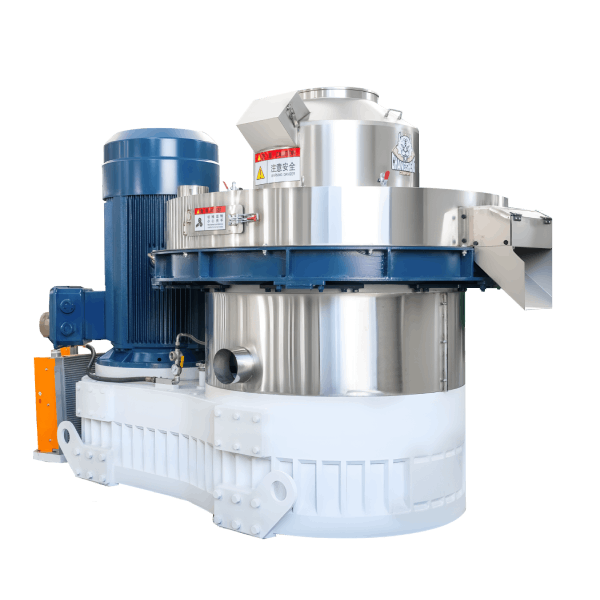
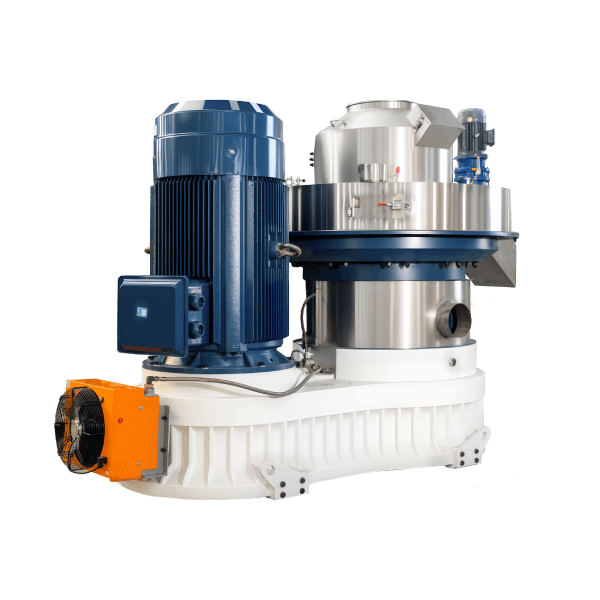
A chicken feed pellet machine is an industrial processing system designed to compress poultry feed ingredients such as corn, soybean meal, wheat bran, and additives into uniform pellets. These pellets improve feed digestibility, reduce feed waste, and ensure consistent nutrition supply in commercial poultry farming.
For feed manufacturers, poultry farms, and EPC contractors building feed processing facilities, selecting a reliable chicken feed pellet machine is essential for maintaining stable feed quality and production efficiency.
Technical Parameters and Specifications
The performance of a chicken feed pellet machine depends on several engineering parameters that directly influence pellet density, durability, and production capacity.
Typical specifications for industrial poultry feed pellet machines include:
Production capacity: 1–8 tons per hour
Main motor power: 75–220 kW
Ring die diameter: 350–650 mm
Pellet diameter: 2–4 mm for broilers and layers
Compression rollers: 2–3 units
Conditioning temperature: 70–85°C
Raw material moisture: 12–16 percent recommended
Main shaft speed: 250–380 rpm
Machine weight: 2–8 tons depending on model
Maintaining these parameters ensures that the chicken feed pellet machine produces pellets with stable structure and consistent nutritional quality.
Structure and Material Composition
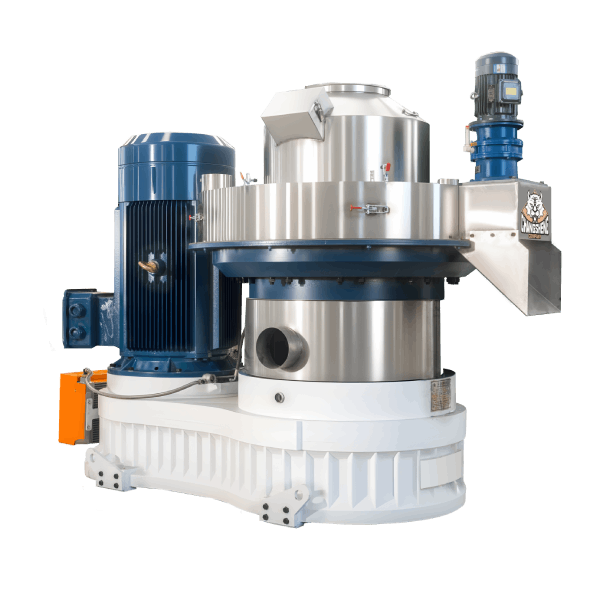
A typical chicken feed pellet machine consists of several critical mechanical systems designed for continuous feed processing.
Main frame
Heavy-duty welded steel structure
Provides vibration resistance and structural stability
Ring die system
Alloy steel die with precision-drilled pellet holes
Controls pellet diameter and compression ratio
Compression rollers
Chromium alloy steel rollers
Provide compression pressure during pellet formation
Main shaft assembly
High-strength alloy steel shaft
Transfers torque from the motor to the die assembly
Bearing system
Heavy-duty industrial bearings
Support continuous operation under heavy loads
Transmission system
Gearbox or belt drive
Controls rotational speed and mechanical torque
High-quality materials and precision engineering are required to ensure long-term reliability in feed production environments.
Manufacturing Process
Industrial chicken feed pellet machines are produced through a series of engineering manufacturing steps.
Step 1 Raw material preparation
Structural steel plates and alloy steel billets are selected according to mechanical strength requirements.
Step 2 CNC machining
Key components such as shafts, dies, and rollers are machined using high-precision CNC equipment.
Step 3 Heat treatment
Critical components undergo quenching and tempering to increase wear resistance.
Step 4 Die hole drilling
Specialized drilling equipment creates uniform pellet holes.
Step 5 Assembly and alignment
Mechanical components are assembled and aligned using calibrated tools.
Step 6 Operational testing
Machines are tested with feed materials to verify pellet quality and production capacity.
This controlled manufacturing process ensures that the chicken feed pellet machine operates efficiently in commercial feed plants.
Industry Comparison
Feed Processing Equipment | Pellet Quality | Production Efficiency | Typical Application
Ring die feed pellet machine | High | High | Commercial feed plants
Flat die feed pellet machine | Moderate | Low–medium | Small farms
Feed extrusion machine | High digestibility | Medium | Aquaculture feed
Feed briquette press | Low uniformity | Low | Limited applications
Industrial poultry feed producers typically use ring die pellet machines because they provide higher output and consistent pellet quality.
Application Scenarios
Chicken feed pellet machines are widely used across the poultry production and feed processing industry.
Commercial poultry feed manufacturing plants
Producing feed for large broiler and layer farms.
Integrated poultry farming operations
Large farms producing feed internally to reduce supply costs.
Feed equipment distributors
Supplying pellet production equipment to regional feed producers.
EPC contractors and feed plant developers
Designing and building complete poultry feed processing facilities.
Agricultural processing companies
Producing pelletized feed for regional poultry markets.
In these scenarios, reliable feed pellet production directly affects poultry growth performance and feed efficiency.
Core Pain Points and Engineering Solutions
Problem 1 Low pellet durability
Cause
Improper compression ratio or incorrect moisture levels.
Solution
Optimize feed formula and select appropriate ring die specifications.
Problem 2 Pellet breakage during transport
Cause
Insufficient pellet density or improper cooling.
Solution
Install pellet cooling systems and adjust compression pressure.
Problem 3 High energy consumption
Cause
Inefficient motor systems or misaligned transmission components.
Solution
Use energy-efficient motors and maintain proper machine calibration.
Problem 4 Rapid die and roller wear
Cause
High fiber feed materials or poor maintenance practices.
Solution
Use high-grade alloy dies and establish routine maintenance schedules.
Risk Warnings and Prevention Strategies
Improper operation of a chicken feed pellet machine can result in production losses and equipment damage.
Potential risks include
Inconsistent feed pellet quality
Frequent machine downtime
Increased energy consumption
Premature equipment wear
Feed contamination risks
Preventive strategies include
Implement regular maintenance programs
Monitor pelletizing temperature and moisture levels
Inspect dies and rollers regularly
Train operators in proper equipment operation
Maintain raw material quality control
Procurement and Equipment Selection Guide
Step 1 Determine poultry feed production capacity
Calculate daily feed demand based on farm size or market requirements.
Step 2 Evaluate feed formulation
Protein content and fiber levels influence pellet machine configuration.
Step 3 Select appropriate pellet size
Broiler feed typically requires 2–3 mm pellets, while layer feed may vary.
Step 4 Assess machine structural strength
Heavy-duty machines provide better operational stability.
Step 5 Verify manufacturer engineering experience
Experienced suppliers offer reliable technical support and commissioning.
Step 6 Confirm spare parts availability
Ensure easy access to dies, rollers, and bearings.
Step 7 Evaluate lifecycle cost
Energy consumption, maintenance cost, and equipment lifespan must be considered.
Engineering Case Study
A poultry farming company in Southeast Asia expanded its feed production capacity to support a broiler farm of over 120,000 birds.
The company installed a chicken feed pellet machine with a 420 mm ring die and a 110 kW motor as part of a complete feed processing system.
The production line included raw material grinding, feed mixing, conditioning, pelletizing, cooling, and packaging equipment.
After commissioning, the plant achieved stable feed production of approximately 3 tons per hour. Pellet durability exceeded industry standards, and feed waste during poultry feeding was significantly reduced.
This project demonstrated how proper equipment selection improves feed efficiency and poultry production performance.
FAQ
What is a chicken feed pellet machine
It is a machine used to compress poultry feed ingredients into uniform pellets.
Why are pellets used for chicken feed
Pellets reduce feed waste and improve nutrient absorption.
What pellet size is used for poultry feed
Most poultry feed pellets range from 2 to 4 mm in diameter.
What ingredients can be used in chicken feed pellets
Common ingredients include corn, soybean meal, wheat bran, vitamins, and minerals.
Does moisture affect pellet quality
Yes. Moisture levels between 12 and 16 percent are generally recommended.
How often should pellet machines be maintained
Routine inspection every 200–300 operating hours is common in feed plants.
Can pellet machines be used for other livestock feed
Yes. With different dies, they can produce feed for cattle, pigs, or fish.
What affects pellet durability
Compression ratio, feed composition, and cooling efficiency.
Do feed pellet machines require conditioning
Steam conditioning improves pellet durability and digestibility.
How long does an industrial feed pellet machine last
With proper maintenance, industrial machines can operate reliably for many years.
Request Technical Support
Procurement managers, feed plant developers, and equipment distributors may request technical specifications, equipment drawings, quotation packages, and engineering consultation for poultry feed pellet production systems.
E-E-A-T Author Expertise
This article was prepared by engineers with more than ten years of experience in feed processing equipment manufacturing and poultry feed plant engineering. The technical information is based on practical industry experience in feed production technology and large-scale pellet production projects worldwide.