Wood Pellet Making Machine Price: What Determines Cost and How to Compare Quotations
News 2026-10-05
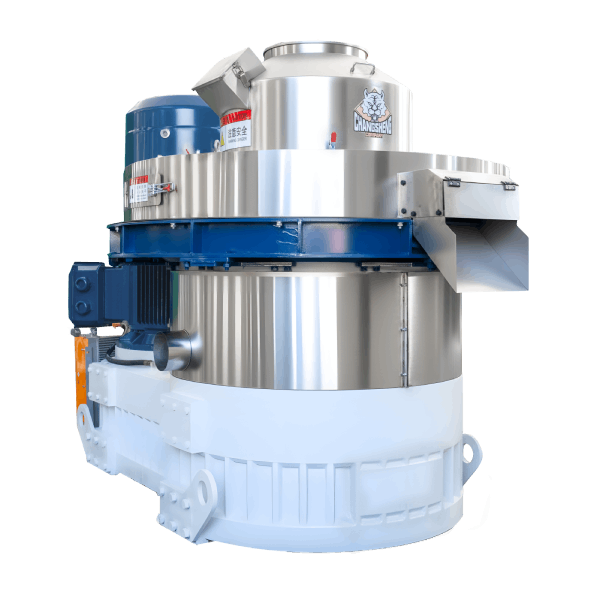
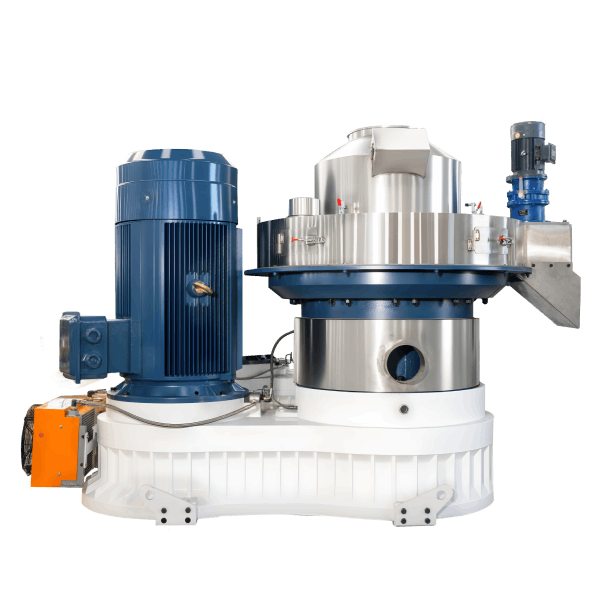
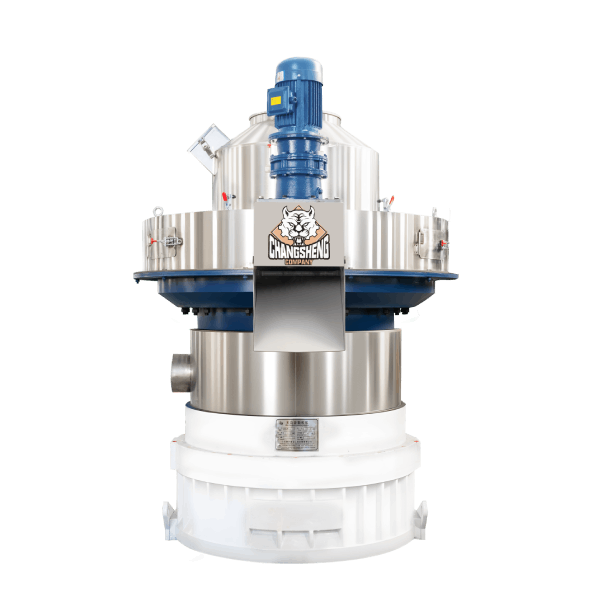
Wood pellet making machine price does not have a single fixed number. It depends on capacity, machine type, motor power, die specification, drive system, automation level, feedstock, drying and grinding requirements, and the scope of supply. Two machines with the same nominal capacity can differ significantly in price because the configuration is different.
The practical question for a buyer is not which quotation is the lowest. The real question is what is included in the price, what is excluded, and whether the machine will run at the stated capacity with your actual feedstock. A low machine price with a narrow scope of supply often leads to a higher landed project cost.
This guide explains how wood pellet making machine price is structured, what determines the price, how capacity and feedstock affect cost, how to compare quotations on landed cost, and what to confirm with the supplier before ordering. This page focuses on wood feedstock. For biomass feedstocks in general, including agricultural residues and mixed biomass, see the biomass pellet machine price page on this site. For machine selection without a price focus, see the wood pellet maker machine page on this site.
Wood Pellet Making Machine Price by Capacity
Wood pellet making machine price rises with capacity, but not in a straight line. A machine at twice the capacity does not always cost twice as much, because some components scale more slowly than others. At the same time, auxiliary equipment and site requirements often grow faster than the machine itself.
Capacity: 100 to 300 kg/h
Typical Application: Small farm, workshop, pilot project
Machine Type: Flat die, sometimes small ring die
Capacity: 300 to 500 kg/h
Typical Application: Small commercial production
Machine Type: Flat die or small ring die
Capacity: 500 kg/h to 1 t/h
Typical Application: Commercial production
Machine Type: Ring die
Capacity: 1 to 3 t/h
Typical Application: Industrial production
Machine Type: Ring die, often multiple mills
Capacity: 3 to 5 t/h and above
Typical Application: Large industrial production
Machine Type: Ring die, multiple mills, full line
As a general reference, small flat die machines and small ring die machines are in a lower price category, medium ring die machines are in a mid price category, and complete industrial lines with drying, grinding, cooling, screening, and packing are in a higher price category. The exact price depends on configuration, feedstock, and scope of supply. These capacity figures depend on wood species, moisture, particle size, and die specification, and final price should be confirmed against a written scope of supply.
What Determines Wood Pellet Making Machine Price
Machine Capacity
Higher capacity requires a larger motor, larger die, heavier frame, and more auxiliary equipment. Capacity is the first driver of price.
Machine Type
Flat die machines are generally lower in cost than ring die machines at the same capacity, but they also have lower throughput and shorter die life at scale. Ring die machines cost more but are more efficient for commercial and industrial production.
Motor Power
Higher motor power increases cost. Motor power must match capacity and wood density. Motor power also depends on voltage, frequency, altitude, and ambient temperature, so these conditions should be stated in the technical agreement.
Die Specification
Die size, hole diameter, compression ratio, material, and heat treatment all affect price. A die with higher wear resistance costs more but may reduce cost per ton over its service life.
Roller Configuration
Single, double, or three-roller configurations affect price and output stability. More rollers provide more compression points and can improve output stability, but also increase cost and maintenance complexity.
Drive System
Gearbox drive and belt drive are in different price categories. Gearbox drive provides higher torque transmission efficiency and better stability under continuous load, and is common in industrial ring die machines. Belt drive is simpler, lower in cost, and easier to maintain in locations without specialized service.
Automation Level
Higher automation reduces labor but increases initial cost. Automation may include variable frequency feeding, automatic lubrication, PLC control, and remote monitoring. In general, a manual configuration is the lowest in initial cost, a semi-automatic configuration with variable frequency feeding and basic monitoring is in the middle, and a full PLC configuration with automatic lubrication and remote monitoring is the highest. The right level depends on local labor cost and operating hours.
Feedstock and Material Compatibility
Hardwood, softwood, mixed wood waste, bark-containing material, and contaminated wood each require different die and roller specification. Hardwood and bark-containing material require more wear-resistant die and roller material, which increases price. Softwood and clean sawdust usually allow a lower-cost die specification.
Drying and Grinding Requirements
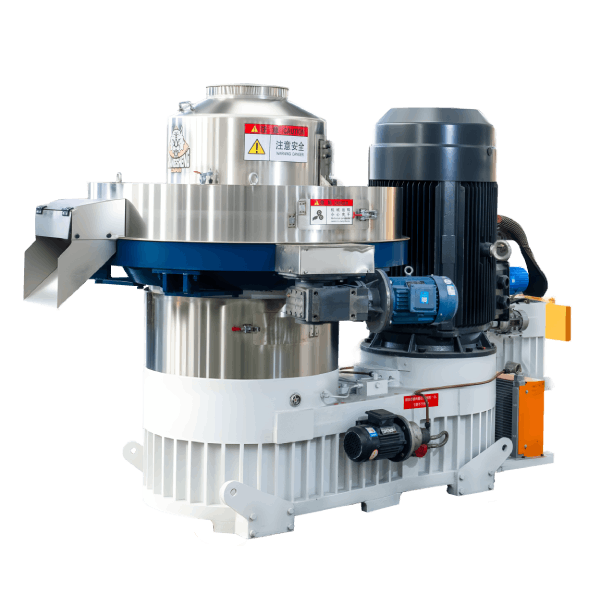
If wood moisture is above the suitable range, a dryer is required. If wood particle size is too coarse, a hammer mill is required. Drying and grinding equipment often represent a significant part of total project cost. A small dryer for low moisture may be in a lower price category, while a larger rotary dryer for high moisture and high capacity is in a higher price category.
Included Auxiliary Equipment
Auxiliary equipment may include chipper, hammer mill, dryer, cooler, screener, packing machine, dust collection, and control system. A machine-only price and a complete line price are in clearly different categories.
Spare Parts First Order
A first-order spare parts package includes dies, rollers, bearings, belts, seals, lubricants, and critical electrical spares. This should be included in the project budget from the start. A first-order package with one die and one roller set is lower in cost than a package with multiple dies and roller sets, but provides less production continuity.
Freight, Import Charges and Installation
Freight, insurance, import duties, port charges, inland transport, installation, electrical infrastructure, civil works, and commissioning add to the landed project cost. These items are often excluded from machine price and can add significantly to total cost.
Wood Pellet Making Machine Price vs Landed Project Cost
Machine price is not the same as landed project cost. Landed project cost includes equipment, freight, insurance, import charges, port charges, inland logistics, installation, electrical infrastructure, civil works, dryer heat source, spare parts, and commissioning.
A low machine price with a narrow scope of supply often leads to a higher landed project cost, because the buyer has to purchase auxiliary equipment, installation, and spare parts separately. Comparing quotations on landed cost and scope of supply gives a more reliable basis for supplier selection.
How Capacity and Feedstock Affect Cost per Ton
Cost per ton of pellets is the figure that matters, not machine price alone. Cost per ton includes raw material, power, labor, depreciation, maintenance, and spare parts.
Wood species affects cost per ton. Softwood usually pelletizes more easily and requires less energy per ton. Hardwood is denser and more abrasive and usually requires more energy and more frequent die change. Bark-containing and contaminated wood increases die and roller wear and reduces die life. Moisture above the suitable range increases drying cost and energy consumption per ton.
For abrasive feedstocks, spare parts and downtime often dominate total cost. A die that costs more but lasts significantly longer may reduce cost per ton. Die life varies widely by wood species and contamination level, so expected working hours should be confirmed with the supplier based on similar material, not assumed from a general figure. Die change frequency and downtime cost also affect cost per ton: a project without a spare die on site will face long downtime when the first die wears out, even if the die price itself was low.
Pellet Quality Standards and Price
Pellet quality standards affect price indirectly. For export or higher-grade markets, pellet quality may need to meet standards such as ISO 17225 for solid biofuels. Higher-grade pellets usually require lower ash content, which means cleaner feedstock, tighter process control, better cooling, and better screening. These requirements often increase equipment cost and operating cost. Certification also requires testing and documentation, which adds cost beyond the machine itself.
For local use, pellet quality requirements are usually set by the boiler or stove, and the price impact is smaller. Buyers should decide the target market before comparing quotations, because a line built for local use and a line built for export are in different price categories.
Regional Price Differences
Wood pellet making machine price also varies by region because of freight, import charges, certification requirements, and local service cost. Projects in Southeast Asia, South America, Africa, and Eastern Europe may have different freight and import cost structures. European and North American projects may face higher certification and compliance cost. Regional price differences should be confirmed with the supplier and with a local import agent before budgeting.
How to Compare Wood Pellet Making Machine Quotations
Compare scope of supply, not headline price. Confirm what is included and what is excluded in each quotation.
Confirm capacity conditions, including wood species, moisture, particle size, and pellet diameter. A capacity figure without these conditions is not a technical commitment.
Confirm die material, die diameter, die hole diameter, and compression ratio. Confirm roller material and hardness.
Confirm drive system, gearbox or belt drive. Confirm motor power and total connected load.
Confirm voltage, phase, frequency, and control voltage. Confirm protection class and insulation class.
Confirm auxiliary equipment scope, including chipper, hammer mill, dryer, cooler, screener, packing, dust collection, and control system.
Confirm spare parts list with part numbers and recommended first order.
Confirm warranty scope, wear part definition, and response process.
Confirm inspection and acceptance method before shipment.
Confirm acceptance test conditions, including wood species, moisture, particle size, and pellet diameter.
Confirm certification and documentation requirements for the destination market, where applicable.
Common Price-Related Mistakes
First, comparing machine price only. Landed project cost and scope of supply matter more than machine price alone.
Second, accepting capacity without stated conditions. A capacity figure without feedstock, moisture, and die specification is not a technical commitment.
Third, ignoring drying and grinding cost. Drying and grinding equipment often represent a significant part of total project cost.
Fourth, buying a low-cost die for abrasive wood. A low-cost die may wear faster and increase cost per ton.
Fifth, ignoring spare parts and downtime cost. Spare parts and downtime often dominate total cost for abrasive feedstocks.
Sixth, ignoring freight, import charges, and installation. These items add to landed project cost and should be included in the comparison.
Seventh, buying capacity without confirming market demand. A line that cannot sell its output is a loss regardless of its efficiency.
Typical Project Scenario
The following summarizes typical project parameters from wood pellet making machine projects. Specific customer names, locations, and contact details are not included.
Typical project: softwood sawmill pellet production.
Raw material: softwood sawdust from pine, fir, and spruce.
Moisture: reduced by drying to the range suitable for pelletizing.
Pellet diameter: 6 to 8 mm.
Configuration: ring die pellet making machine with hammer mill, dryer, cooler, screener, and packing.
Application: industrial fuel pellets and local fuel market supply.
Acceptance: trial run with actual sawdust, output and pellet quality recorded before shipment.
The parameters above are typical ranges and should be confirmed with actual test records.
Frequently Asked Questions
What is the price of a wood pellet making machine?
Price depends on capacity, machine type, motor power, die specification, drive system, automation, feedstock, drying and grinding requirements, and scope of supply. Small flat die machines and small ring die machines are in a lower price category, medium ring die machines are in a mid price category, and complete industrial lines are in a higher price category. Final price should be confirmed against a written scope of supply.
How much does a 1 t/h wood pellet making machine cost?
A 1 t/h machine is in the medium capacity category. Price depends on machine type, die specification, drive system, automation, feedstock, and whether a dryer, hammer mill, cooler, screener, and packing machine are included. A machine-only quotation and a complete line quotation are in different price categories. Final price should be confirmed against a written scope of supply.
Why does wood pellet making machine price vary so much between suppliers?
Price varies because of machine type, motor power, die and roller material, drive system, automation, included auxiliary equipment, spare parts, and scope of supply. Comparing quotations on landed cost and scope of supply gives a more reliable basis than comparing machine price alone.
What is the difference between machine price and landed project cost?
Machine price covers the machine itself. Landed project cost includes equipment, freight, insurance, import charges, port charges, inland logistics, installation, electrical infrastructure, civil works, dryer heat source, spare parts, and commissioning.
How much does a complete wood pellet production line cost?
Line cost depends on capacity, feedstock, drying requirement, automation, cooling and screening scope, packing, electrical system, dust collection, civil works, installation, and spare parts. A complete line and a machine-only quotation are in different cost categories. Final cost should be confirmed against a written scope of supply.
How does wood species affect cost per ton?
Softwood usually pelletizes more easily and requires less energy per ton. Hardwood is denser and more abrasive and usually requires more energy and more frequent die change. Bark-containing and contaminated wood increases die and roller wear and reduces die life. Cost per ton should be confirmed with a test using your actual wood species.
What should be included in a wood pellet making machine quotation?
A quotation should include machine body, main motor, ring die, roller shells, feeder, control panel, and basic tools. Clarify whether chipper, hammer mill, dryer, cooler, screener, packing, dust collection, installation, and freight are included.