Wood Pellet Maker: Complete Beginner’s Guide
News 2026-08-30
Page SEO Summary: This beginner’s guide explains wood pellet makers—what they are, how they work, types, applications, and how to choose the right one for your needs.
If you’ve been hearing about wood pellets as a heating fuel and wondered how they are made, a wood pellet maker is the answer. These machines turn wood waste—sawdust, chips, shavings—into clean-burning fuel pellets.
This guide explains everything you need to know about wood pellet makers, from basic concepts to choosing the right machine.
What Is a Wood Pellet Maker?
Simple Definition
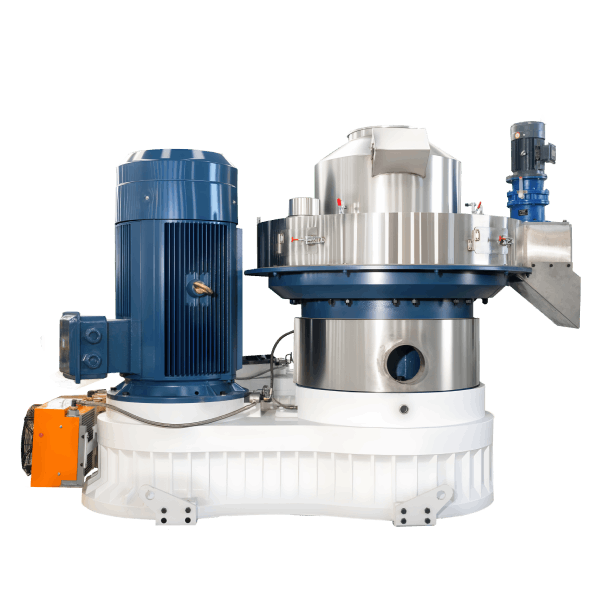
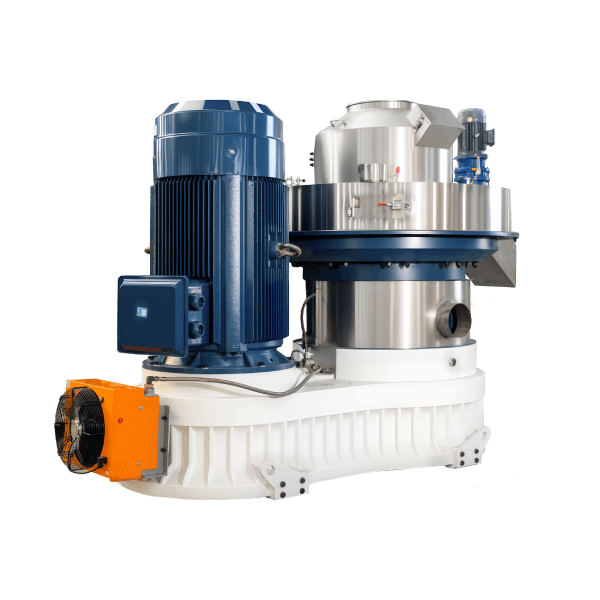
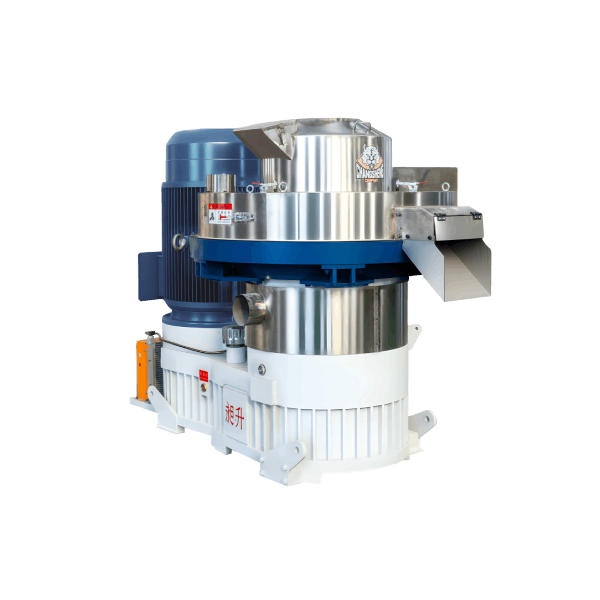
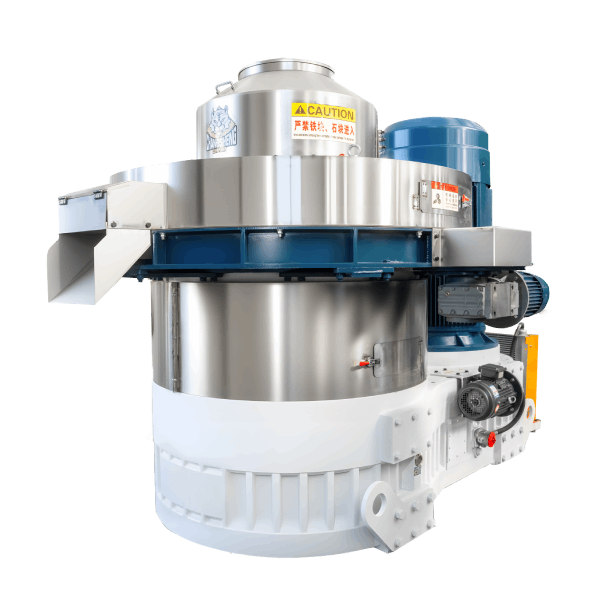
A wood pellet maker (also called a wood pellet mill or pellet machine) is a machine that compresses sawdust, wood chips, and other wood waste into small, dense cylinders called wood pellets.
What It Does
| Input | Process | Output |
|---|---|---|
| Sawdust | Heat + pressure | Wood pellets |
| Wood chips | Compression | Wood pellets |
| Wood shavings | Natural lignin binding | Wood pellets |
| Wood waste | No additives needed | Clean fuel |
The Simple Analogy
Think of it like a meat grinder or pasta maker—material goes in one end, and uniform cylinders come out the other. But instead of grinding meat or making pasta, it compresses wood waste into fuel.
How a Wood Pellet Maker Works
The Basic Process
| Step | What Happens |
|---|---|
| 1 | Wood material (sawdust, chips) is fed into the machine |
| 2 | Rollers press material through small holes |
| 3 | Friction creates heat (80-120°C) |
| 4 | Natural lignin melts and binds particles |
| 5 | Pellets emerge from the die |
| 6 | Pellets are cut to length |
No Additives Needed
| Why | Explanation |
|---|---|
| Lignin | Natural glue in wood |
| Heat | Melts the lignin |
| Pressure | Compacts everything together |
No glue, no chemicals, no binders are needed—the wood binds itself.
Types of Wood Pellet Makers
Flat Die
| Aspect | Detail |
|---|---|
| Capacity | 30-300 kg/h |
| Best for | Small farms, home use, hobby |
| Price | $500-5,000 |
| Advantages | Lower cost, simpler, portable |
| Limitations | Lower capacity, more wear |
Ring Die
| Aspect | Detail |
|---|---|
| Capacity | 200-5,000+ kg/h |
| Best for | Commercial production |
| Price | $5,000-80,000+ |
| Advantages | Higher capacity, better quality, efficient |
| Limitations | Higher cost, larger footprint |
Which One to Choose
| If You | Choose |
|---|---|
| Need <200 kg/h | Flat die |
| Have limited budget | Flat die |
| Run a small farm | Flat die |
| Need >200 kg/h | Ring die |
| Run a business | Ring die |
| Need 24/7 operation | Ring die |
What Can You Make?
Wood Pellets
| Application | Use |
|---|---|
| Home heating | Pellet stoves, boilers |
| Commercial heating | Businesses, schools |
| Animal bedding | Horses, poultry |
Other Materials
| Material | Application |
|---|---|
| Feed grains | Animal feed pellets |
| Agricultural residues | Biomass fuel |
| Grass/hay | Animal feed |
Who Uses Wood Pellet Makers?
Typical Users
| User Type | Why They Use It | Scale |
|---|---|---|
| Homeowners | Lower heating costs | Small |
| Small farmers | On-farm feed/fuel | Small-Medium |
| Business owners | Commercial production | Medium |
| Sawmills | Utilize waste wood | Medium-Large |
| Entrepreneurs | Pellet business | Variable |
Benefits
| Benefit | Why It Matters |
|---|---|
| Lower heating costs | Pellets cheaper than oil/electric |
| Waste utilization | Turn waste into value |
| Income opportunity | Sell pellets |
| Energy independence | Make your own fuel |
| Sustainability | Renewable resource |
What Do You Need to Get Started?
Basic Requirements
| Requirement | Details |
|---|---|
| Wood material | Sawdust, chips (dry) |
| Power supply | Electricity or diesel |
| Space | 5-20 m² depending on size |
| Raw material preparation | May need hammer mill, dryer |
Additional Equipment
| Equipment | Need? | Notes |
|---|---|---|
| Hammer mill | If material isn’t ground | Grinds to 2-5 mm |
| Dryer | If material is wet | Reduces to 10-12% moisture |
| Cooler | Recommended | Cools pellets for storage |
Cost Overview
Price Ranges
| Type | Capacity | Price (USD) |
|---|---|---|
| Small flat die | 30-80 kg/h | $500-1,500 |
| Medium flat die | 80-150 kg/h | $1,500-2,500 |
| Large flat die | 150-300 kg/h | $2,500-5,000 |
| Small ring die | 200-500 kg/h | $5,000-15,000 |
| Medium ring die | 500-1,500 kg/h | $15,000-35,000 |
| Complete line | 50-300 kg/h | $5,000-20,000 |
Additional Costs
| Cost | Estimated |
|---|---|
| Hammer mill | $500-3,000 |
| Dryer | $2,000-10,000 |
| Shipping | $500-5,000 |
| Installation | $500-3,000 |
Operation and Maintenance
Daily Operation
| Step | Task |
|---|---|
| 1 | Prepare material (dry, ground) |
| 2 | Feed material into machine |
| 3 | Monitor pellet quality |
| 4 | Adjust as needed |
| 5 | Clean after use |
Maintenance
| Task | Frequency |
|---|---|
| Clean die | After each use |
| Lubricate | Weekly |
| Inspect rollers | Monthly |
| Replace die | As needed (hours of use) |
Procurement Checklist
Before Buying
- □ Material source confirmed
- □ Material moisture assessed
- □ Power supply confirmed
- □ Space available
- □ Budget established
Equipment Selection
- □ Type (flat die/ring die) selected
- □ Capacity matched to need
- □ Additional equipment considered
- □ Supplier verified
Final Decision
- □ Best option selected
- □ Supplier chosen
- □ Order placed
Frequently Asked Questions
1. What is a wood pellet maker?
A wood pellet maker is a machine that compresses sawdust, wood chips, and wood waste into small, dense pellets for heating and fuel.
2. How does a wood pellet maker work?
Wood material is fed into the machine, pressed through holes by rollers, and heat from friction melts natural lignin to bind the pellets together.
3. What are the main types?
The two main types are flat die and ring die. Flat die is simpler and lower cost for small scale. Ring die is higher capacity for commercial production.
4. What materials can be used?
Sawdust, wood chips, wood shavings, and other wood waste. Also feed grains, grass, and some agricultural residues.
5. How much does a wood pellet maker cost?
Small flat die machines: $500-2,500. Larger flat die: $2,500-5,000. Ring die machines: $5,000-80,000+.
6. Are additives needed?
No. The wood’s natural lignin acts as a binder. High-quality pellets are 100% wood.
7. Can I make wood pellets at home?
Yes, with a small flat die wood pellet maker. You need dry, ground wood material and the machine.
8. How long does a die last?
Die life varies by material usage. For wood, a die typically lasts 200-500 hours. Premium dies last longer.
About the Author
Zhang Wei – Senior International Sales Engineer, Shandong Changsheng Machinery Co., Ltd.
Zhang Wei has over 12 years of experience in the biomass and feed pellet mill industry, with a background in mechanical engineering and international project execution. He has helped clients across Southeast Asia, the Middle East, Africa, Europe, and Latin America understand and enter the wood pellet industry.
With hands-on experience in both the manufacturing workshop and client-side operations, Zhang brings practical insights into successful equipment procurement—from the factory floor to the customer’s operation.