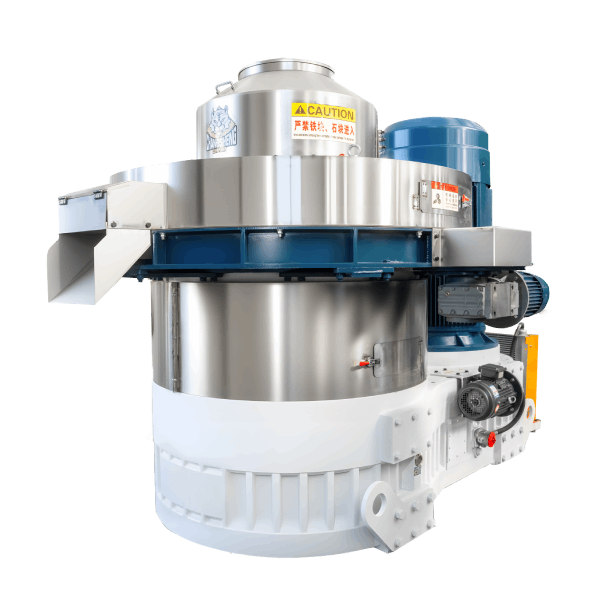
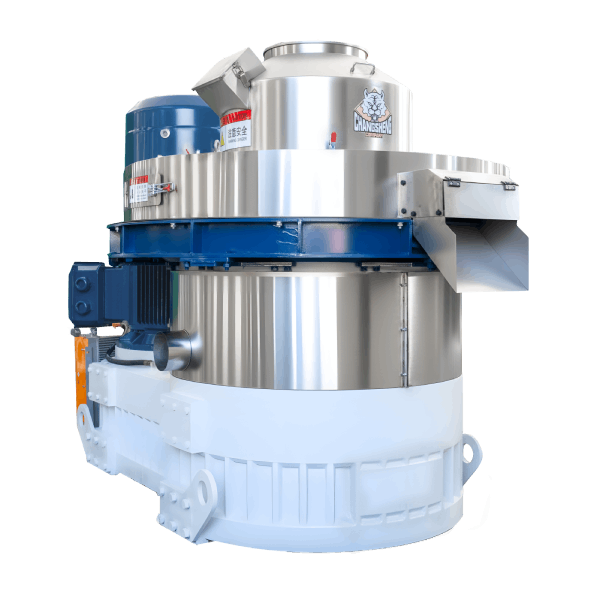
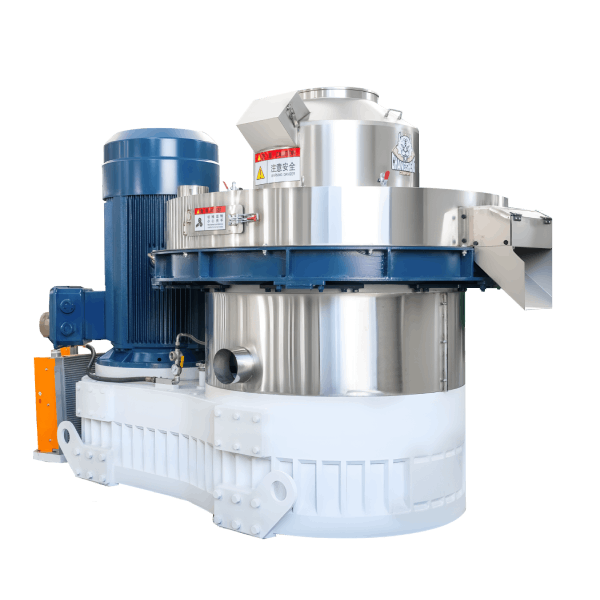
Pellet Mill for Poultry House: Feed & Setup Guide
News 2026-09-23
Pellet Mill for Poultry House: How to Choose a Machine That Cuts Feed Cost and Produces Consistent Pellets
A pellet mill for poultry house use is not the same project as a machine installed in a feed mill. In a poultry house, the main risks are not pellet quality or capacity alone. They are feed formula control, pellet size, hygiene, moisture, dust and ammonia environment, power supply, and the ability to keep the machine running with limited technical support.
This guide is written for poultry farm owners, procurement managers, importers, and project engineers who plan to install a pellet mill for poultry house feed production. It explains the five main constraints, the practical options for each, and what to confirm with the supplier before purchase.
The Five Main Constraints in a Poultry House Project
Poultry house projects are shaped by five constraints:
Flock size and daily feed demand: determines machine capacity
Feed formula and pellet size: depends on bird type and growth stage
Hygiene and moisture control: affects feed safety and pellet quality
Environment: dust, ammonia, and humidity affect electrical components and corrosion
Maintenance and spare parts: few technicians, long lead time for parts
Each constraint affects machine selection, configuration, and operating cost. The sections below address each one with practical measures.
Constraint 1: Flock Size and Daily Feed Demand
The most common reason to install a pellet mill at a poultry house is to reduce feed cost by producing feed on site. Flock size and daily feed demand determine machine capacity and storage requirements.
Key engineering points:
Daily feed demand depends on bird type, age, body weight, feed conversion ratio, and climate.
Broilers, layers, and breeders have different daily intake and different feed formulation.
Demand changes over the growth cycle, so capacity should be sized for peak demand, not average demand.
Feed storage should match the interval between production and consumption, considering feed freshness.
If the farm also sells feed, capacity may need to be larger than for own use only.
A backup feed source is recommended in case of machine downtime during peak demand.
What to confirm with the supplier:
Recommended capacity for your flock size and daily feed demand
Whether the machine can run part-time in off-season without excessive wear
Recommended pellet diameter for your bird type and growth stage
Recommended storage capacity and moisture protection method
Constraint 2: Feed Formula and Pellet Size
Poultry feed formulas usually contain corn, soybean meal, wheat, fish meal, minerals, vitamins, and additives. These materials behave differently in a pellet mill, and pellet size requirements differ by bird type.
Key engineering points:
Corn and soybean meal pelletize relatively easily but require fine grinding and consistent mixing.
Fish meal and animal proteins may cause die blockage if moisture and fat content are not controlled.
Fat content above the typical range for poultry feed may reduce pellet durability.
Vitamin and mineral premixes are heat-sensitive. Conditioning temperature should be controlled to protect them.
Pellet size requirements vary: 2 to 4 mm for chicks and small birds, 4 to 6 mm for growing birds and layers, larger sizes for breeders where required.
What to confirm with the supplier:
Recommended die compression ratio for your formula
Recommended conditioner configuration and temperature range
Recommended pellet diameter for each feed type
Whether the machine can handle fat and protein levels in your formula
Constraint 3: Hygiene and Moisture Control
Feed hygiene is critical in poultry production. Moisture control, temperature control, and contamination control all affect feed safety and pellet quality.
Key engineering points:
High moisture in feed causes mold, poor pellet durability, and blockage.
Conditioning temperature should be high enough to improve binding and reduce pathogens, but not so high that vitamins are damaged.
Feed contact surfaces should be easy to clean and inspect.
Foreign material such as metal, stones, and packaging must be removed before pelletizing.
Finished pellets should be cooled and dried to a stable moisture level before storage.
Practical measures:
Control raw material moisture before mixing.
Use a conditioner with adjustable temperature and moisture control.
Install a magnet or metal detector before the pellet mill.
Cool pellets properly before storage.
Store finished feed in a dry, ventilated area.
Keep feed contact surfaces clean and inspect them regularly.
What to confirm with the supplier:
Recommended conditioner configuration and temperature range
Recommended cooling and moisture control method for feed pellets
Recommended hygiene and cleaning procedure
Material of feed contact surfaces
Constraint 4: Environment
Poultry houses contain dust, ammonia, and high humidity. These affect electrical components, filters, and corrosion.
Key engineering points:
Dust accumulates on motors, control panels, and cooling fins, reducing cooling efficiency and increasing fault risk.
Ammonia accelerates corrosion on copper, aluminum, and electrical contacts.
High humidity increases condensation risk in electrical panels and motors.
Feed dust in the air increases fire and explosion risk in enclosed areas.
Practical measures:
Install motors and control panels with appropriate protection class.
Use sealed control cabinets with filtered ventilation.
Clean cooling fins and filters on a regular schedule.
Use corrosion protection on frames, guards, and fasteners.
Locate the pellet mill in a separate feed production area away from bird zones where possible.
Install dust collection and grounding to reduce dust and static risk.
What to confirm with the supplier:
Recommended machine protection class and insulation class for dusty and ammonia environments
Whether sealed control cabinets and filtered ventilation are available
Recommended cleaning and inspection schedule
Corrosion protection for frames and exposed parts
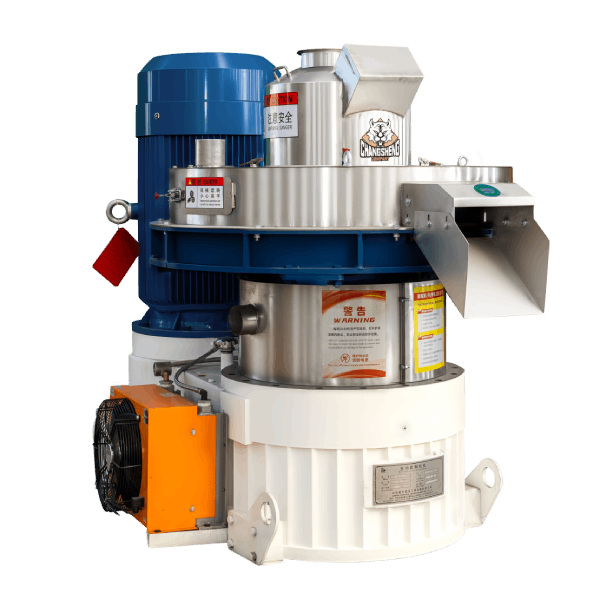
Constraint 5: Power Supply and Maintenance
Poultry house power supply is often shared with ventilation, lighting, feeding systems, and cooling equipment. Available capacity may be limited.
Key engineering points:
Pellet machines have high starting current. Confirm the available transformer and cable capacity before ordering.
If the farm has a generator, size it for starting current, not only running load.
If power is shared with other equipment, schedule pellet production to avoid peak load conflicts.
For small capacity, a flat die machine with lower starting load is easier to power than a large ring die machine.
A voltage stabilizer or automatic voltage regulator is recommended where grid voltage fluctuates.
A soft starter or variable frequency drive can reduce starting current and improve stability.
Keep a minimum spare parts stock: one die, one set of rollers, bearings, belts, seals, and lubricants.
Train local operators on daily checks, die change, roller clearance adjustment, and troubleshooting.
Plan spare parts orders ahead of the wear cycle.
What to confirm with the supplier:
Total connected load, including main motor and auxiliary equipment
Starting current and recommended generator size
Motor insulation class and protection class
Whether a soft starter or variable frequency drive is available
Recommended spare parts stock and part numbers
Expected die and roller life under your feed formula
Machine Selection Guide for Poultry Houses
Small poultry house, low daily feed demand: flat die machine, 7.5 to 30 kW, with hammer mill and mixer, single phase or three phase depending on power source.
Medium poultry house, regular feed demand: flat die machine, 30 to 55 kW, with hammer mill, mixer, and cooler.
Larger poultry house, continuous feed production: small ring die machine, 55 to 90 kW, with full auxiliary line and planned spare parts stock.
Very small poultry house with limited power: consider a very small flat die machine, and accept lower output. In some cases, buying finished feed may be more practical than producing on site.
In all cases, size the machine to the available power, formula requirements, and storage capacity, not to the ideal output.
Cost and Payback Analysis
The purchase price is only one part of the total cost. A realistic cost analysis for a poultry house pellet project should include:
Cost Item: Machine purchase
Typical Consideration: Flat die lower, ring die higher
Cost Item: Raw material and mixing
Typical Consideration: Hammer mill, mixer, scales
Cost Item: Power consumption
Typical Consideration: Main motor and auxiliary equipment
Cost Item: Labor
Typical Consideration: Operators for batching, feeding, bagging, maintenance
Cost Item: Spare parts
Typical Consideration: Dies, rollers, bearings, belts
Cost Item: Hygiene and storage
Typical Consideration: Covered storage, sealed packaging
Cost Item: Maintenance and downtime
Typical Consideration: Schedule, repair time, backup feed
How to estimate payback period:
Calculate the production cost per ton of feed, including raw material, power, labor, depreciation, and maintenance. Compare this with the local price of commercial poultry feed. The difference multiplied by annual consumption gives annual savings. Divide total investment by annual savings to get the approximate payback period.
Note that the actual payback period is affected by feed demand, raw material cost, power price, and machine utilization rate. Use conservative data for calculation.
Installation Checklist for Poultry House Sites
Confirm available power capacity and starting current
Confirm the location of the pellet mill relative to bird zones and ventilation
Confirm foundation and floor condition
Confirm raw material storage and moisture protection
Confirm finished feed storage and packaging
Confirm ventilation, dust collection, and grounding
Confirm operator training plan
Confirm spare parts and tools are on site before commissioning
Operating Checklist for Poultry House Feed Production
Check material moisture before mixing and pelletizing
Follow formula and mixing procedure precisely
Follow a structured startup procedure to avoid overload
Monitor motor current, die temperature, and pellet quality
Record output and power consumption daily
Check lubrication, roller clearance, and corrosion regularly
Keep spare die and rollers in stock
Protect finished feed from humidity and contamination
Risk Reminders
Wrong pellet size reduces feed intake and growth performance
High moisture in feed causes mold and poor durability
Excessive fat in formula reduces pellet durability
Ammonia and dust accelerate corrosion and electrical faults
Shared power supply may cause overload trips during peak demand
No spare parts stock turns a one-day repair into a long shutdown
No backup feed plan risks flock performance in peak demand
A Practical Case from a Poultry House Project
A layer farm used corn, soybean meal, and premix to produce feed pellets on site. The first attempt failed because moisture was too high and pellets were soft. The farm added a mixer, controlled moisture before pelletizing, and changed the die compression ratio for the actual formula. Pellet quality improved, and feed cost decreased.
The farm also installed sealed control cabinets with filtered ventilation, and moved the pellet mill to a separate feed production area away from bird zones. Electrical faults during the wet season were reduced. A spare die and roller set were kept on site, so production resumed the same day when the first die wore out.
This case shows that in a poultry house, formula control, moisture control, dust and ammonia protection, and spare parts planning matter as much as the machine itself.
Decision Guide: When a Smaller Machine Is the Better Choice
Choose a smaller machine when power supply is limited, formula is variable, storage space is limited, or local maintenance capability is low.
Choose a larger machine only when power supply is confirmed, formula supply is consistent, storage and hygiene protection are in place, and spare parts and trained operators are available.
Frequently Asked Questions
Can a pellet mill reduce poultry feed cost?
Yes, if raw material is available on site and the machine can run regularly. The savings depend on local feed price, raw material cost, power price, and machine utilization rate.
What is the best machine type for a poultry house?
Flat die machines are generally better for small poultry houses because they are simpler, easier to transport, and easier to maintain. Ring die machines are suitable for larger farms with continuous feed production.
What pellet size is suitable for poultry feed?
Common sizes are 2 to 4 mm for chicks and small birds, 4 to 6 mm for growing birds and layers. Larger sizes may be used for breeders where required.
Can I pelletize corn and soybean meal on site?
Yes, but they require fine grinding and consistent mixing. Moisture and fat content should be controlled for stable pellet quality.
How does moisture affect poultry feed pellets?
High moisture causes mold, poor durability, and blockage. Feed moisture should be controlled before pelletizing and after cooling.
Do I need a conditioner for poultry feed?
A conditioner helps improve binding and reduce pathogens, but temperature must be controlled to protect vitamins and additives.
How do I plan capacity for a poultry house?
Estimate peak daily feed demand based on flock size and growth stage, then calculate required output per hour. Add a capacity margin and plan storage for the interval between production and consumption.
What is the biggest risk in poultry house pellet projects?
The biggest risk is uncontrolled formula and moisture. Both affect feed safety, pellet quality, and flock performance.
Author Introduction
This article was prepared by a technical content specialist with over ten years of experience in industrial equipment, feed and biomass processing machinery, and B2B export projects. The author has worked with pellet mill projects in poultry, livestock, and agricultural settings, including formula control, moisture control, dusty and ammonia environments, and seasonal feed demand, and understands the practical challenges buyers face in selection, installation, and operation.
The content reflects real engineering practice in pellet mill selection, feed formula control, hygiene and moisture control, and international project execution. It is intended to help poultry farm owners, procurement managers, importers, and project engineers make informed decisions and reduce downtime in poultry house conditions. The author is affiliated with Shandong Changsheng Machinery Co., Ltd.
Call to Action
If you are planning a pellet mill project for a poultry house and need help confirming machine type, capacity, pellet size, formula control, moisture control, dust protection, power configuration, or spare parts plan, you can request a technical proposal based on your raw material and required output. Share your bird type, flock size, daily feed demand, formula, target pellet size, available power source, and operating hours, and a suitable configuration can be recommended.
You can also request a quotation, ask for general arrangement drawings, request a spare parts list, or arrange a video factory inspection before making a final decision.