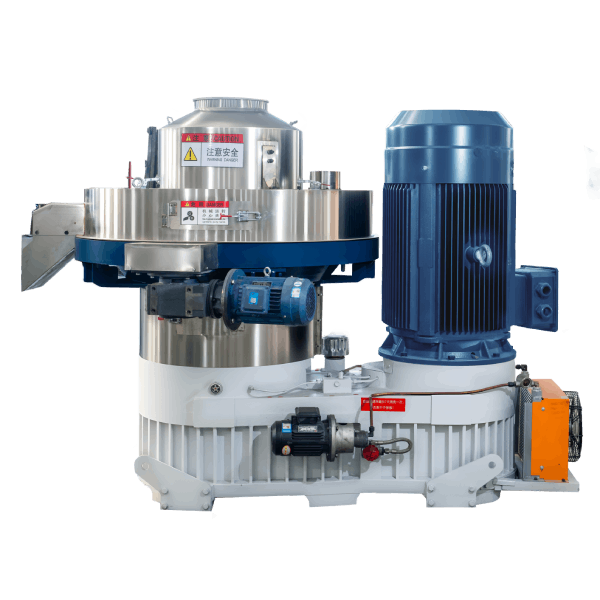
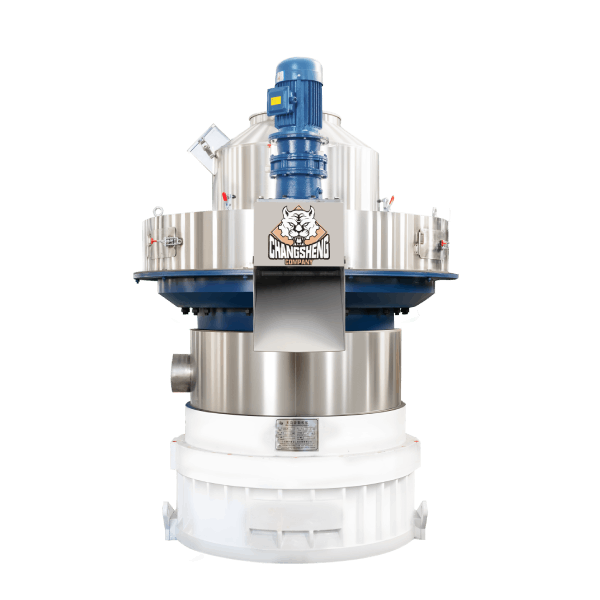
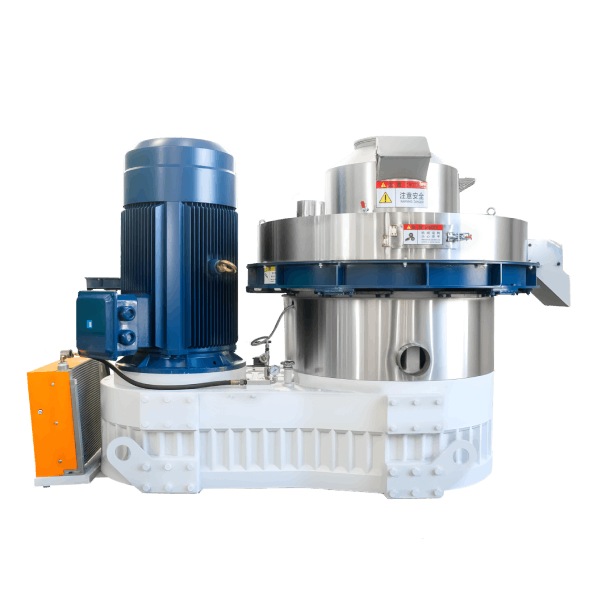
Pellet machine raw material size requirement guide
News 2026-02-28
Pellet Machine Raw Material Size Requirement: Engineering Guide for Industrial Production
Product Definition
Pellet machine raw material size requirement refers to the controlled particle size, moisture range, and physical uniformity of biomass feedstock prior to pelletizing. Proper sizing ensures stable compression, die protection, high pellet density, and reduced energy consumption in industrial pellet production systems.
Technical Parameters and Specification Standards
The pellet machine raw material size requirement varies by machine type, die design, and biomass characteristics. However, the following engineering ranges are widely accepted in commercial biomass pellet plants:
Particle Size Range
• Wood-based biomass (hardwood/softwood): 3–5 mm after grinding
• Agricultural residues (straw, husk): 2–4 mm
• Maximum particle length: < 2/3 of die hole diameter
• Fine powder proportion (<1 mm): 10–20% for optimal bonding
Moisture Content
• Optimal range: 10%–15% (wet basis)
• Hardwood: 10%–13%
• Agricultural biomass: 12%–15%
Bulk Density Before Pelletizing
• 180–300 kg/m³ depending on material
Foreign Material Tolerance
• Metal: 0% (magnetic separation required)
• Stones: <0.1%
• Sand/soil: <1%
Ring Die Compatibility Rule
• For 6 mm die hole: feedstock <4 mm
• For 8 mm die hole: feedstock <6 mm
Failure to meet pellet machine raw material size requirement often results in die blockage, roller slippage, low pellet durability, and excessive wear.
Structure and Material Composition of Pre-Processing System
A compliant pellet machine raw material size requirement is achieved through a structured preprocessing line:
- Feeding Section
• Belt conveyor or screw feeder
• Magnetic separator - Crushing Section
• Drum chipper (for logs)
• Hammer mill (final size reduction)
• Adjustable screen (3–5 mm) - Drying Section
• Rotary drum dryer
• Moisture sensor feedback system - Screening Section
• Vibrating screen
• Cyclone dust collector - Buffer Silo
• Level sensor
• Uniform discharge mechanism
Each component directly influences the final compliance with pellet machine raw material size requirement standards.
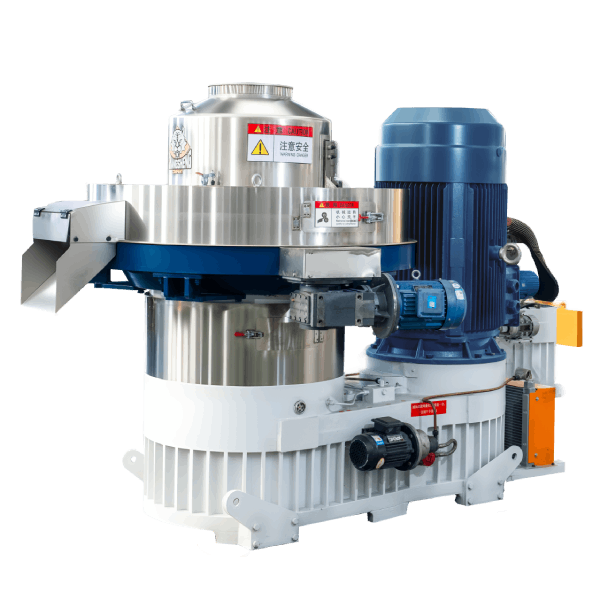
Manufacturing Process: Engineering Workflow
Step 1: Raw Material Inspection
Moisture testing using digital moisture analyzer. Visual inspection for contaminants.
Step 2: Primary Size Reduction
Logs reduced to chips (20–30 mm). Agricultural residues pre-cut to <30 mm.
Step 3: Secondary Grinding
Hammer mill reduces material to 3–5 mm. Screen selection is critical to meet pellet machine raw material size requirement.
Step 4: Drying
Rotary dryer reduces moisture to 10–15%. Overdrying (<8%) reduces binding capacity.
Step 5: Screening and Dust Control
Oversized particles are recycled. Excess fines are controlled to maintain bonding ratio.
Step 6: Conditioning
Optional steam conditioning for industrial lines.
Step 7: Pelletizing
Material enters ring die pellet mill.
Step 8: Cooling and Final Screening
Pellets cooled to ambient temperature and fines removed.
Stable compliance with pellet machine raw material size requirement reduces specific energy consumption by 5%–12%.
Industry Comparison
Parameter | Wood Biomass | Straw Biomass | Rice Husk
Particle Size | 3–5 mm | 2–4 mm | 2–3 mm
Moisture | 10–13% | 12–15% | 12–14%
Grinding Difficulty | Medium | Low | High (silica)
Die Wear Rate | Moderate | Moderate | High
Binder Requirement | No | Occasionally | Rare
The pellet machine raw material size requirement is stricter for high-silica materials due to abrasive characteristics.
Application Scenarios
Distributors
Require standardized raw material sizing to guarantee pellet quality consistency across customers.
EPC Contractors
Must define pellet machine raw material size requirement in technical specifications to avoid commissioning delays.
Engineering Consultants
Evaluate grinding and drying capacity to ensure upstream compatibility.
Importers and Wholesalers
Focus on durability index (PDI > 95%) achieved through proper particle control.
Technical Directors
Monitor particle size deviation to prevent die damage and shutdowns.
Core Pain Points and Solutions
- Die Blockage
Cause: Oversized particles
Solution: Install secondary screening and automatic oversize return. - High Energy Consumption
Cause: Excessively coarse feedstock
Solution: Optimize hammer mill screen to 3–4 mm. - Low Pellet Durability
Cause: Over-fine powder ratio
Solution: Maintain 10–20% fines balance. - Roller Slippage
Cause: Incorrect moisture
Solution: Install inline moisture sensor. - Excessive Die Wear
Cause: Contaminants and silica
Solution: Magnetic separator + stone trap installation.
Proper management of pellet machine raw material size requirement directly reduces maintenance costs.
Risk Warning and Mitigation
• Oversized material increases die cracking risk.
• Excess moisture causes steam explosion during pelletizing.
• Excess fines increase dust explosion hazard.
• Poor drying control leads to microbial growth in storage.
Mitigation Measures
• Calibrate moisture sensors weekly.
• Inspect hammer mill screens daily.
• Install spark detection systems.
• Maintain dust collection compliance.
Procurement and Selection Guide
- Define pellet output capacity (t/h).
- Determine target pellet diameter (6 mm, 8 mm).
- Analyze raw material species and initial moisture.
- Specify grinding screen size based on die diameter.
- Confirm dryer evaporation capacity (kg water/h).
- Evaluate power consumption per ton (kWh/t).
- Request particle size distribution report.
- Verify integration capability of preprocessing line.
Clear documentation of pellet machine raw material size requirement prevents costly redesign.
Engineering Case Example
Project: 5 t/h Industrial Wood Pellet Plant
Location: Southeast Asia
Raw Material: Mixed hardwood residues
Initial Moisture: 38%
Target Pellet Diameter: 6 mm
Engineering Configuration
• Drum chipper 8 t/h
• Hammer mill 132 kW with 4 mm screen
• Rotary dryer evaporation 1.5 t/h
• Vibrating screen double deck
Results
• Final particle size: 90% within 3–4 mm
• Moisture: 12%
• Pellet durability index: 96.5%
• Energy consumption: 92 kWh/t
Compliance with pellet machine raw material size requirement reduced die replacement frequency by 30%.
FAQ
- What is the ideal particle size before pelletizing?
Generally 3–5 mm for wood materials. - Can oversized material be pelletized?
It increases blockage risk and should be avoided. - What happens if material is too fine?
Pellet density may drop; dust increases. - How does moisture affect pelletizing?
Too wet reduces compression efficiency; too dry weakens bonding. - Does die diameter affect raw material size?
Yes, feedstock must be smaller than die hole. - Is screening mandatory?
Yes, to ensure compliance with pellet machine raw material size requirement. - How often should hammer mill screens be replaced?
Based on wear; typically 500–800 operating hours. - Can agricultural waste follow the same sizing rule?
No, fiber structure requires finer grinding. - What is acceptable contamination level?
Metal must be zero; stones <0.1%. - Does correct sizing reduce energy consumption?
Yes, typically by 5–12%.
Request Technical Documentation or Quotation
For detailed particle size distribution charts, grinding configuration recommendations, or a full technical proposal aligned with your pellet machine raw material size requirement, contact our engineering department for specification sheets and project evaluation.
Authoritative Technical Statement (E-E-A-T)
This article is prepared by a biomass pellet production engineering team with over 15 years of industrial pellet line design and commissioning experience across Asia and the Middle East. The guidance reflects practical plant operation data, equipment integration standards, and procurement best practices used in commercial pellet manufacturing facilities.