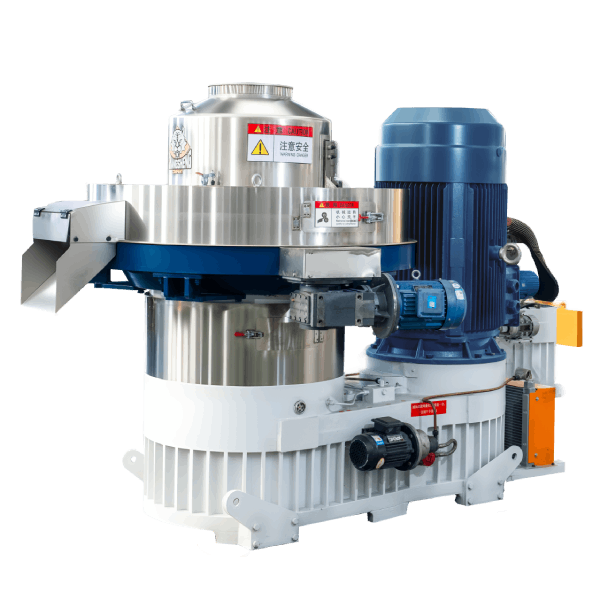
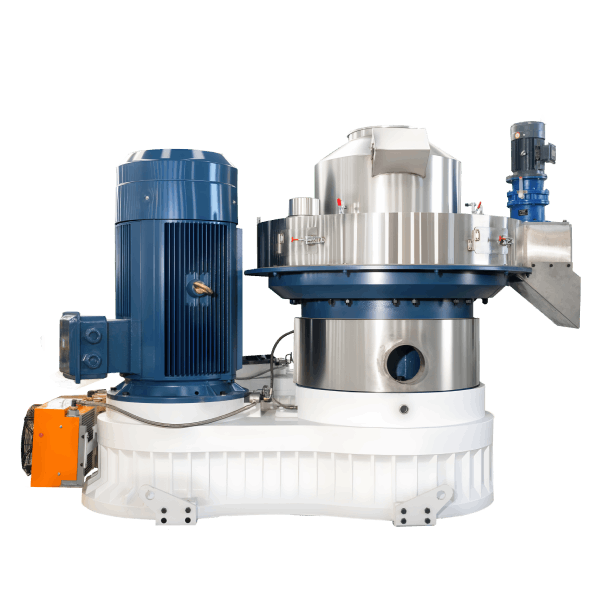
Pellet Mill in Cold Climate: How Low Temperature Affects Operation and What to Do About It
News 2026-09-21
A pellet mill in cold climate does not fail because of the cold itself. It fails because low temperature changes material behavior, lubricant viscosity, electrical performance, and operator routine. Buyers who plan for these changes run through winter with stable output. Buyers who do not face blockage, cracked dies, overloaded motors, and long downtime.
This guide is written for procurement managers, importers, EPC contractors, and end users who operate or plan to operate a pellet mill in cold climate. It explains how low temperature affects each part of the system, what engineering measures reduce the risk, and what to confirm with the supplier before purchase.
How Cold Climate Affects a Pellet Mill
Cold climate affects a pellet mill through five main mechanisms:
Raw material becomes harder, more brittle, and more variable in moisture
Lubricants become thicker, reducing flow and increasing startup load
Electrical components experience higher starting current and condensation risk
Hydraulic and pneumatic systems respond more slowly
Workshop conditions affect operator comfort, material handling, and moisture control
Each mechanism has a direct effect on output, pellet quality, die life, and maintenance cost. The sections below address each one in practical terms.
Effect on Raw Material
In cold climate, raw material stored outdoors or in unheated warehouses can freeze, form lumps, or develop uneven moisture. Frozen material does not feed evenly, which causes fluctuating load on the main motor and unstable pellet quality.
Key problems:
Frozen lumps block the feeder and cause torque spikes
Surface moisture condenses when material is moved into a warm area
Dry material becomes more brittle, producing more fines
Wet material freezes and cannot be pelletized without thawing
Practical measures:
Store raw material in a covered or insulated area
Bring material into the workshop at least 12 to 24 hours before use to allow temperature equalization
Break up frozen lumps before feeding
Monitor moisture before and after warming, because moisture distribution changes with temperature
Use a mixer to homogenize moisture before pelletizing
What to confirm with the supplier:
Recommended moisture range for your material at low ambient temperature
Whether a conditioner or preheating step is recommended
Feeder type and whether variable frequency control is available to handle uneven feed
Effect on Dies and Rollers
Low temperature increases the hardness and brittleness of both the raw material and the die itself. A cold die is more prone to cracking during startup if load is applied too quickly.
Key problems:
Cold die is brittle and can crack under sudden load
Thicker material requires higher torque, increasing roller and die stress
Pellet quality drops because material does not soften properly in the die
Die wear may accelerate if material is too dry and abrasive
Practical measures:
Warm up the die gradually before full load operation
Start with a lower feed rate and increase slowly
Use a die compression ratio matched to your material at winter moisture
Keep spare dies in a temperature-controlled area
Avoid starting at full load immediately after a long shutdown
What to confirm with the supplier:
Recommended die compression ratio for cold climate operation
Startup procedure for low temperature conditions
Whether a die heater or preheating method is recommended
Effect on Lubrication
Lubricant viscosity increases as temperature drops. Thicker oil flows more slowly and may not reach bearings and gears at startup, which increases wear.
Key problems:
Grease may not flow through lines at low temperature
Gear oil becomes too thick, increasing startup torque
Bearings run dry during the first minutes of operation
Automatic lubrication systems may fail to deliver the correct amount
Practical measures:
Use lubricants with a viscosity grade suitable for the lowest expected ambient temperature
Confirm the pour point and base oil type with the lubricant supplier
Preheat the machine or run at no load to warm lubricant before full load
Check lubrication lines for blockage after cold nights
Keep lubricant containers indoors
What to confirm with the supplier:
Recommended lubricant type and viscosity grade for cold climate
Whether the lubrication system is manual, automatic, or centralized
Minimum ambient temperature for the standard lubrication configuration
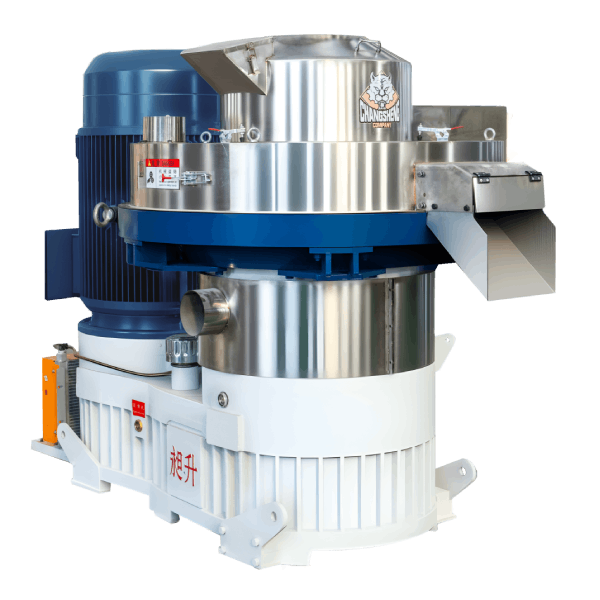
Effect on Electrical Systems
Low temperature affects motor starting current, insulation resistance, and control components. Condensation is a common problem when equipment moves between cold and warm environments.
Key problems:
Starting current increases, which may trip protection devices
Insulation resistance drops if condensation forms inside motors or panels
Control relays and contactors may respond slowly
Display screens and sensors may lose accuracy at very low temperature
Practical measures:
Confirm motor insulation class and protection class suitable for low temperature
Install anti-condensation heaters in motors and control panels
Keep control panels closed and use IP-rated enclosures
Use a soft starter or variable frequency drive where starting current is a concern
Check insulation resistance before first startup in cold conditions
What to confirm with the supplier:
Motor insulation class, protection class, and minimum ambient temperature rating
Whether anti-condensation heaters are included
Control voltage and component temperature rating
Whether a soft starter or variable frequency drive is recommended
Effect on Hydraulic and Pneumatic Systems
If the pellet mill includes hydraulic or pneumatic components, such as for die clamping or feeder control, low temperature affects response time and seal performance.
Key problems:
Hydraulic oil becomes thick, slowing response
Seals become stiff and may leak
Condensation in air lines can freeze and block flow
Pressure readings may be unstable at startup
Practical measures:
Use hydraulic oil with suitable viscosity index for cold climate
Install air line dryers and water traps
Warm up hydraulic system at low load before full operation
Inspect seals and hoses before winter
Keep spare seals in stock
What to confirm with the supplier:
Recommended hydraulic oil grade for cold climate
Whether air dryer or water trap is included
Minimum ambient temperature for standard hydraulic components
Workshop and Installation Measures
The workshop itself is part of the cold climate solution. A well-insulated workshop reduces moisture variation, protects operators, and stabilizes machine temperature.
Practical measures:
Insulate the workshop and close large openings
Maintain workshop temperature above freezing, ideally in a range that keeps material workable
Use local heating near the feeder and die area if needed
Keep raw material and spare dies in the same temperature zone as the machine
Provide ventilation to remove moisture without causing large temperature swings
Protect water lines and air lines from freezing
What to confirm with the supplier:
Recommended ambient temperature range for normal operation
Whether local heating near the die area is advised
Installation requirements for cold climate, including foundation and insulation
Startup Procedure for Cold Climate
A structured startup procedure reduces the risk of die cracking, motor overload, and blockage.
Step 1: Check workshop temperature and material temperature
Step 2: Check lubrication and confirm oil or grease flows properly
Step 3: Run the machine at no load for a short period to warm bearings and lubricant
Step 4: Start feeding at low rate and increase gradually
Step 5: Monitor main motor current, die temperature, and pellet quality
Step 6: Adjust moisture or feed rate if pellets are soft or fines are excessive
Step 7: Record startup data for future reference
Shutdown and Restart After a Cold Night
Shutdown procedure matters as much as startup. Material left in the die can harden and block the next start.
Practical measures:
Empty the die area before shutdown if the machine will be idle for a long period
Clean the feeder and conditioner
Cover the die area to prevent condensation
Keep the workshop above freezing during idle periods
On restart, follow the cold climate startup procedure again
Winter Maintenance Checklist
Daily: check lubrication, material moisture, feeder condition, and motor current
Weekly: check die and roller clearance, belt tension, and electrical connections
Monthly: check insulation resistance, hydraulic oil condition, and air line water traps
Seasonal: replace lubricants with cold climate grades, inspect seals and hoses, review spare parts stock
Procurement Checklist for Cold Climate Projects
When purchasing a pellet mill for cold climate, confirm the following with the supplier:
Minimum ambient temperature rating for the machine
Motor insulation class, protection class, and anti-condensation provision
Recommended lubricant type and viscosity grade
Recommended die compression ratio for your material at winter moisture
Feeder control type, preferably variable frequency
Hydraulic oil grade and air line drying provision, if applicable
Foundation and insulation recommendations
Startup and shutdown procedure for low temperature
Spare parts list including dies, rollers, bearings, belts, and seals
A Practical Case from a Cold Climate Project
A feed producer in a region with winter temperatures down to minus 20 degrees Celsius operated a pellet mill in an unheated workshop. In the first winter, the mill experienced repeated die cracking, motor overload trips, and low output. Material stored outdoors froze and fed unevenly.
The producer made three changes: moved raw material into an insulated area 24 hours before use, installed anti-condensation heaters in the motor and control panel, and switched to a cold climate lubricant. Output stabilized, die life improved, and overload trips stopped. The additional investment was recovered within one heating season through reduced downtime and spare parts cost.
This case shows that cold climate operation is a system issue, not a machine issue. Material, lubrication, electrical protection, and workshop conditions must be addressed together.
Frequently Asked Questions
Can a pellet mill operate in freezing temperatures?
Yes, but it requires suitable configuration and operating procedure. Motors, lubricants, control components, and material handling must be adapted to low temperature.
What is the biggest problem in cold climate operation?
Uneven material moisture and cold lubricant are the most common causes of startup problems, die damage, and low output.
Should I heat the workshop?
Maintaining the workshop above freezing is strongly recommended. It stabilizes material moisture, protects operators, and reduces startup load.
What lubricant should I use in cold climate?
Use a lubricant with a viscosity grade suitable for the lowest expected ambient temperature. Confirm pour point and base oil type with the lubricant supplier.
How do I prevent die cracking in winter?
Warm up the die gradually, start at low feed rate, and avoid full load immediately after a long shutdown.
Do I need a variable frequency feeder?
A variable frequency feeder helps handle uneven feed caused by frozen or lumpy material. It is recommended for cold climate operation.
How should I store raw material in winter?
Store in a covered or insulated area. Bring material into the workshop 12 to 24 hours before use to allow temperature equalization.
What spare parts should I keep for winter?
At least one spare die, one set of rollers, bearings, belts, seals, and lubricants suitable for cold climate.
Author Introduction
This article was prepared by a technical content specialist with over ten years of experience in industrial equipment, biomass and feed processing machinery, and B2B export projects. The author has worked with pellet mill projects in cold climate regions, including feed and biomass applications, and understands the practical challenges buyers face in material handling, lubrication, electrical protection, and winter maintenance.
The content reflects real engineering practice in pellet mill selection, cold climate operation, and international project execution. It is intended to help procurement managers, importers, EPC contractors, and end users make informed decisions and reduce downtime in low temperature conditions.
Call to Action
If you are planning a pellet mill project in a cold climate region and need help confirming configuration, lubrication, electrical protection, or winter operating procedure, you can request a technical proposal based on your raw material and required output. Share your material type, moisture, target pellet size, local power supply, minimum ambient temperature, and daily demand, and a suitable configuration can be recommended. You can also request a quotation, ask for general arrangement drawings, or arrange a video factory inspection before making a final decision.