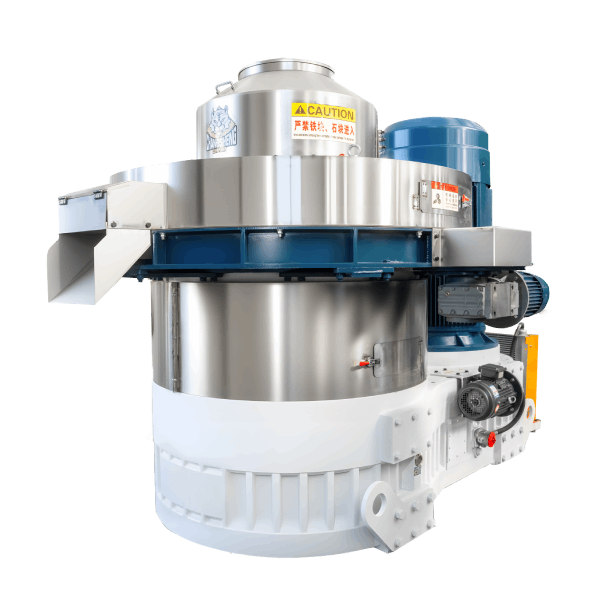
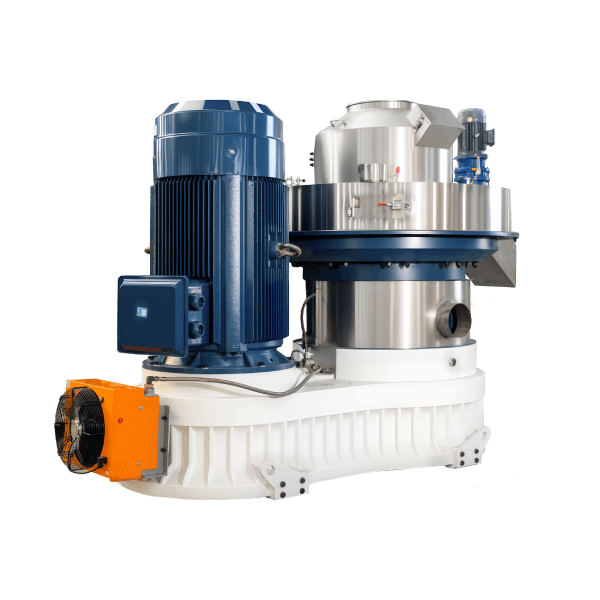
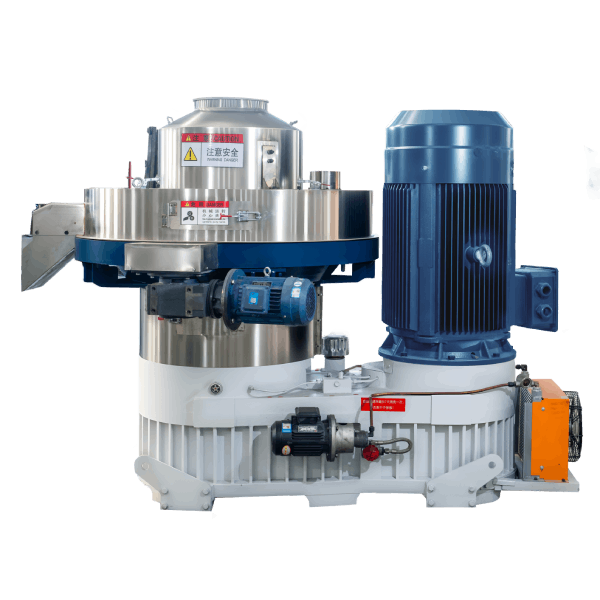
complete wood pellet production line for sale
News 2026-02-03
A complete wood pellet production line for sale refers to a fully integrated industrial system designed to convert wood-based raw materials into standardized fuel pellets. The line includes crushing, drying, pelleting, cooling, screening, and control units, engineered for continuous, stable, and scalable commercial operation.
Technical Parameters and Specifications
Before selecting a complete wood pellet production line for sale, buyers should confirm the following engineering parameters, which directly determine performance and investment scale:
- Design capacity: 1–15 tons/hour
- Pellet diameter: 6 mm, 8 mm, 10 mm (EN/industrial standard)
- Main pellet mill power: 90–250 kW
- Raw material moisture (inlet): 10–20%
- Finished pellet moisture: ≤10%
- Bulk density of pellets: 600–750 kg/m³
- Operating mode: Continuous, 2–3 shifts/day
- Control system: PLC with temperature and overload protection
Structure and Material Composition
A complete wood pellet production line for sale is composed of multiple functional modules, each built with industrial-grade materials:
- Raw material feeding system: Carbon steel silos, belt and screw conveyors
- Grinding unit: Hammer mill with wear-resistant alloy steel hammers
- Drying system: Rotary drum dryer with heat-resistant steel shell
- Pelletizing system: Ring die pellet mill with alloy steel die and rollers
- Cooling unit: Counterflow cooler with reinforced frame structure
- Screening system: Vibrating screen for pellet classification
- Electrical & control system: PLC cabinet, sensors, and safety interlocks
Manufacturing Process and Engineering Workflow
Understanding the process logic is critical when evaluating a complete wood pellet production line for sale:
- Raw Material Handling: Wood chips or sawdust are conveyed from storage bins.
- Crushing: Oversized materials are reduced to ≤5 mm using a hammer mill.
- Drying: Rotary dryer lowers moisture to optimal pelleting range.
- Conditioning: Material temperature and moisture are stabilized.
- Pelletizing: High-pressure extrusion through ring die forms dense pellets.
- Cooling: Pellets are cooled to ambient temperature to prevent deformation.
- Screening & Packing: Qualified pellets are packed; fines are recycled.
Industry Comparison
| System Type | Pellet Quality | Automation Level | Logistics Efficiency | Market Acceptance |
|---|---|---|---|---|
| Complete Wood Pellet Production Line | High | High | High | High |
| Briquette Production Line | Medium | Medium | Medium | Medium |
| Loose Wood Fuel Processing | Low | Low | Low | Low |
Application Scenarios
A complete wood pellet production line for sale is widely applied in the following B2B scenarios:
- Distributors supplying standardized wood pellets to regional markets
- EPC contractors delivering turnkey biomass energy projects
- Industrial plants converting wood waste into renewable fuel
- Importers and wholesalers sourcing pellets for international trade
Core Pain Points and Engineering Solutions
- Unstable pellet quality: Solved through precise moisture control and die selection
- High wear of pellet mill parts: Mitigated with alloy steel components and proper conditioning
- Energy-intensive drying: Reduced by optimized dryer sizing and heat recovery
- Operational downtime: Addressed via modular layout and spare parts strategy
Risk Warnings and Mitigation Strategies
Key risks when purchasing a complete wood pellet production line for sale include:
- Mismatch between raw material characteristics and line configuration
- Underestimating civil foundation and installation requirements
- Inadequate dust control and fire prevention measures
- Lack of operator training and maintenance planning
Procurement and Selection Guide
- Confirm wood raw material type and annual availability
- Define target pellet specifications and export standards
- Select capacity with 10–20% expansion margin
- Request detailed equipment list and power consumption data
- Review layout drawings and civil engineering requirements
- Evaluate supplier manufacturing capability and references
- Clarify commissioning, training, and after-sales support scope
Engineering Case Example
A 5 tons/hour complete wood pellet production line for sale was installed for a forestry enterprise. The system processed pine sawdust at 14% moisture, using a 2.5 m rotary dryer and 160 kW pellet mill. Annual output exceeded 28,000 tons, meeting industrial fuel pellet standards.
FAQ
- Q1: What is included in a complete wood pellet production line for sale?
A: All major processing, conveying, and control equipment. - Q2: Can the line process different wood types?
A: Yes, with parameter adjustments. - Q3: Is drying always required?
A: Only when moisture exceeds 15–18%. - Q4: Typical power consumption?
A: 80–120 kWh per ton. - Q5: How many operators are needed?
A: Usually 2–3 per shift. - Q6: Pellet mill die lifespan?
A: Approximately 800–1200 operating hours. - Q7: Installation time?
A: 20–45 days depending on size. - Q8: Is PLC automation necessary?
A: Strongly recommended for stability. - Q9: Can the line meet export standards?
A: Yes, if designed accordingly. - Q10: What is the typical ROI period?
A: 18–36 months depending on market conditions.
Call to Action
To receive a detailed quotation, technical datasheets, or a customized proposal for a complete wood pellet production line for sale, please submit your project requirements to a qualified engineering supplier.
E-E-A-T Author Credentials
This article is authored by a senior biomass processing engineer with over 15 years of experience in wood pellet plant design, equipment manufacturing, and EPC project implementation for international industrial clients.