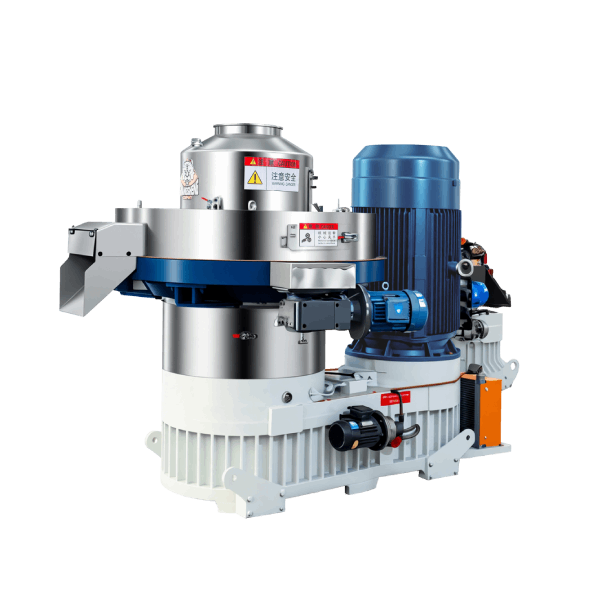
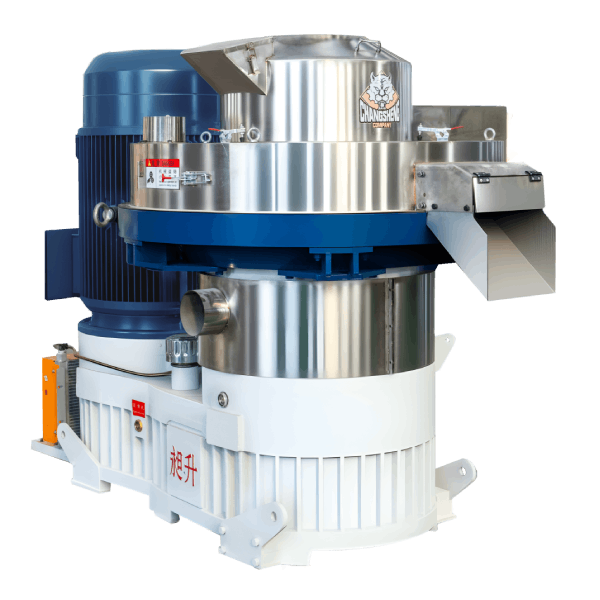
Pellet Machine Australia Farm Use 0.05-0.5 t/h Agricultural Models
News 2026-04-18
1. Product Definition
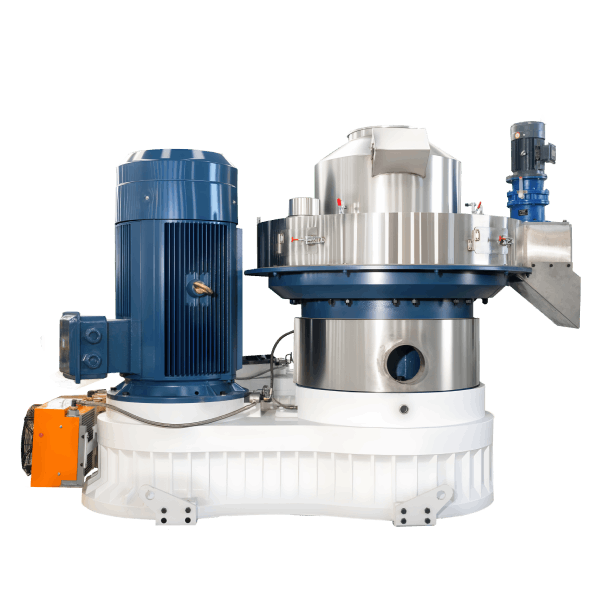
A pellet machine for Australia farm use is a flat die or small ring die densification system that converts crop residues, wood waste, and feed materials into fuel or feed pellets, designed for Australian electrical standards and rural conditions.
2. Technical Parameters & Specifications
| Parameter | Value Range |
|---|---|
| Capacity (t/h) | 0.05 – 0.5 |
| Main Motor Power (kW) | 7.5 – 22 |
| Flat Die or Ring Die Diameter (mm) | 200 – 400 |
| Finished Pellet Diameter (mm) | 6, 8, 10 (fuel); 3-5 (feed) |
| Finished Pellet Density (kg/m³) | 900 – 1,100 |
| Raw Material Moisture (%) | 10 – 20 (optimal 13–16) |
| Energy Consumption (kWh/t) | 70 – 110 |
| Core Wear Parts Life (hours) | 500 – 900 |
| Monthly Maintenance (hours) | 4 – 8 |
| Electrical Supply | 240V single-phase (rural standard) or 415V three-phase |
| Machine Weight (kg) | 150 – 600 |
For Australian farm pricing: Request a quotation with your power supply (240V single-phase or 415V three-phase) and feedstock type.
3. Structure & Material Composition
Mechanical System (Compression Zone)
- Flat die: Forged GCr15 bearing steel, hardness HRC 48–54
- Roller assembly: High-chromium cast iron Cr12MoV, hardness HRC 55–60
- Main shaft: 40Cr alloy steel, quenched and tempered
Supporting System
- Machine frame: Welded Q235B steel channel, powder-coated for rust resistance
- Gearbox housing: Cast iron HT250
- Guarding: Steel sheet with safety interlock
Lubrication System
- Roller bearings: Manual grease (NLGI grade 2), interval 4–6 hours
- Gearbox: Oil bath (ISO VG 150), change every 500 hours
Control System
- Manual starter with thermal overload protection
- Optional: Small PLC with current display
- Emergency stop button
4. Manufacturing Process (Engineering Steps)
Step 1 – Raw Material Drying
Equipment: Sun drying or small rotary dryer (diesel or electric)
Control: Reduce moisture from 30-60% (fresh) to 13-16%
Parameters: Drying time 1-7 days depending on climate (Aussie sun ideal)
Step 2 – Grinding to Particle Size
Equipment: Hammer mill with 4-6mm screen
Control: Target 95% passing screen (finer than fuel pellets for feed)
Parameters: Tip speed 60-80 m/s
Step 3 – Moisture Verification
Equipment: Hand-held moisture meter
Control: Test every batch; target 13-16% for fuel, 12-14% for feed
Parameters: Reject material below 10% (fire risk) or above 18% (mold)
Step 4 – Pelletizing
Equipment: Flat die pellet mill
Control: Die temperature 70-90°C, consistent feed rate
Parameters: Roller gap 0.2-0.5mm
Step 5 – Cooling & Storage
Equipment: Open trays or mesh bags (natural cooling)
Control: Cool pellets to ambient temperature before bagging
Parameters: Cooling time 30-60 minutes
5. Industry Comparison
| Parameter | Flat Die Pellet Mill (Farm) | Ring Die Pellet Mill (Industrial) | Manual Pellet Press | Loose Hay/Straw |
|---|---|---|---|---|
| Typical capacity (t/h) | 0.05–0.5 | 0.5–5 | 0.01–0.03 | N/A |
| Power requirement | 240V single-phase | 415V three-phase | None | None |
| Price range (AUD) | $5k – 15k | $40k – 200k | $500 – 2k | $0 |
| Output density (kg/m³) | 900–1,100 | 1,000–1,300 | 700–850 | 80–150 |
| Feed conversion improvement | 10-15% vs. mash | 10-15% | 5-10% | N/A |
| Suitable for drought regions | Yes (dry material) | Yes | Yes | Poor (low density) |
| Why Choose Shandong Changsheng | 240V single-phase, rust-protected, simple operation | Too large for most farms | Too slow | High waste, low value |
Compare on-farm pelleting vs. selling raw straw: Request a cost-benefit analysis for your operation.
6. Application Scenarios (By Buyer Role)
Distributors / Importers
Stocking pellet machine Australia farm use models for agricultural supply stores. Decision focus: 240V single-phase compatibility, rust protection (humidity/coastal), and simple operation for farmers.
EPC Contractors
Rarely specify farm-scale equipment. May include for integrated farm waste-to-feed systems on large stations (10,000+ hectares).
Engineering Consultants / Technical Advisors
Advising Australian farmers on converting crop residues (wheat straw, barley, canola) into feed or fuel. Decision focus: payback period (6-18 months), drought resilience, and on-farm value addition.
End-user Facilities (Cropping farms, sheep stations, feedlots, horse studs)
Producing on-farm feed or fuel from stubble, wood waste, or purchased grain. Decision focus: 240V single-phase (no three-phase on many farms), dust management, and simple maintenance.
7. Core Technical Pain Points & Engineering Solutions
Pain Point 1 – No Three-Phase Power on Farm
Problem: Most Australian farms have only 240V single-phase power (especially remote stations). Three-phase not available.
Root cause: Rural electrical infrastructure limited to single-phase.
Solution: Select 240V single-phase model (maximum 0.1-0.15 t/h). Use phase converter ($2,000-5,000 AUD) to run three-phase motor on single-phase — derate motor by 20%. Consider diesel-driven model for large farms (no power needed).
Pain Point 2 – High Dust During Australian Summer
Problem: Extreme dust in summer (dry conditions) clogs air filters and damages bearings.
Root cause: No dust collection; fine red dust (inland) or silica dust (coastal).
Solution: Install dust collection system ($500-1,500). Use sealed bearings (2RS type). Clean air filters daily. Operate in enclosed shed with filtered air intake.
Pain Point 3 – Corrosion in Coastal/Humid Regions
Problem: Machine rusts within 6-12 months in coastal Queensland or Northern Territory (high humidity, salt air).
Root cause: Standard carbon steel not corrosion-protected.
Solution: Specify stainless steel or epoxy-coated frame. Use stainless hardware. Apply anti-corrosion spray monthly. Store indoors when not in use.
Pain Point 4 – Variable Feedstock Moisture
Problem: Crop residue moisture varies from 8% (drought) to 25% (wet harvest). Inconsistent pellets.
Root cause: No moisture meter or drying procedure.
Solution: Purchase moisture meter ($50-150 AUD). Store stubble under cover. Mix dry and wet material to achieve 13-16% target. Add water spray if too dry (common in drought).
8. Risk Warnings & Mitigation Strategies
Risk 1 – Fire from Over-Dried Material (Drought Conditions)
Warning: Drought-affected stubble can be below 8% moisture. Friction in die ignites material, causing shed fire.
Mitigation: Never operate with material below 10% moisture. Test every batch. Keep ABC fire extinguisher (9kg) within 10 meters. Install temperature sensor (optional). Operate away from hay sheds.
Risk 2 – Electrical Hazard from Rural Wiring
Warning: Rural sheds often have undersized wiring. 15kW machine on 15A circuit causes overheating and fire.
Mitigation: Have licensed electrician verify circuit capacity. Required: motor nameplate FLA × 1.25 for continuous load. Install dedicated circuit (minimum 6mm² cable for 32A). Use RCD (safety switch).
Risk 3 – Snake Encounters During Operation
Warning: Snakes (browns, tigers, king browns) attracted to warm machinery in cool weather.
Mitigation: Clear area before starting. Keep shed tidy (no material piles). Wear steel-toe boots and gaiters. Check machine before reaching into hopper. Have snake bite kit accessible.
9. Procurement Selection Guide (6 Actionable Steps)
Step 1 – Verify your power supply
Check shed electrical panel. 240V single-phase: max 0.1-0.15 t/h (7.5-11kW motor). 415V three-phase: up to 0.5 t/h (22kW). No power: diesel-driven model (adds $3,000-6,000 AUD).
Step 2 – Calculate annual production need
Estimate tons/year for feed or fuel. Below 50 tons/year: flat die suitable. Above 100 tons/year: consider small ring die or three-phase upgrade.
Step 3 – Select machine for Australian conditions
Request rust protection (epoxy coating or stainless). Specify dust-sealed bearings. 240V single-phase motor (rural standard). CE/AS/NZS electrical compliance.
Step 4 – Determine feedstock type
Wheat/barley straw: moderate abrasion. Oaten hay: softer, good for feed. Canola stubble: higher oil (lubricates die). Lucerne/alfalfa: excellent for feed pellets.
Step 5 – Request complete starter package
Ask for: pellet machine + spare die + spare roller set + moisture meter + spare belts. Bundle discount 15-20%. Request video training (on-site training expensive in remote areas).
Step 6 – Negotiate Australian delivery
Target: FOB China + sea freight to Brisbane, Sydney, Melbourne, or Fremantle (Perth). Add inland freight to farm (use local carrier). Request GST advice (may be reclaimable for ABN holders).
10. Engineering Case Study
Project Background: A 5,000-hectare cropping farm in Western Australia (Wheatbelt region) produced 500 tons/year of wheat straw waste. The farm used 240V single-phase power (no three-phase). Diesel for shed heating cost $12,000/year.
Initial Problem: The farmer purchased a $3,000 online pellet machine (240V, 7.5kW). After 3 months: output 20 kg/h (vs. claimed 80 kg/h). Die lasted 150 hours (rust and wear). Motor tripped in hot weather (40°C). No local support.
Root Cause Analysis:
- Machine not rated for 40°C+ Australian summer (motor overheated)
- No rust protection — die corroded in 3 months
- 7.5kW underpowered for wheat straw (needs 11kW minimum)
- No moisture meter — farmer ran material at 8% (fire risk)
Solution Implemented (Shandong Changsheng):
- Purchased 11kW 240V single-phase model with epoxy-coated frame ($8,500 AUD)
- Added dust-sealed bearings and stainless hardware
- Purchased moisture meter ($80) and trained on 13-16% target
- Installed shed ventilation fan and fire extinguisher
Final Data Results (12 months operation):
- Stable output: 65-75 kg/h (wheat straw at 14% moisture)
- Die life: 680 hours (first die replaced at month 9)
- Energy consumption: 95 kWh/t ($0.28/kWh = $26.60/t)
- Annual pellet production: 28 tons (replaced 60% of diesel heating)
- Savings: $7,200/year diesel + $2,000/year purchased feed = $9,200/year
- Equipment cost: $8,500 installed
- Payback period: 11 months
Request an Australian farm feasibility assessment: Contact engineering team with your farm location, power supply, and annual stubble volume.
11. FAQ
Q1: What is the typical pellet machine Australia farm use price range?
$5,000 – $15,000 AUD depending on power (7.5-22kW), 240V single-phase vs. 415V three-phase, and rust protection.
Q2: Can I run a pellet machine on 240V single-phase?
Yes, up to 0.1-0.15 t/h (7.5-11kW motor). Larger capacities require 415V three-phase or diesel engine.
Q3: What is the best feedstock for Australian farms?
Wheat straw (abundant), barley straw (good), oaten hay (excellent for feed), canola stubble (higher oil). Avoid weeds (seeds pass through to manure).
Q4: How do I dry crop residues in Australia?
Sun drying (free). Spread stubble on tarp for 1-3 days (summer). Use moisture meter to verify 13-16%. Cover at night (dew). In wet regions, consider small diesel dryer.
Q5: Can I make chicken or sheep feed pellets?
Yes. Use smaller die (3-5mm). Add 2-3% binder (bentonite or molasses). Steam conditioning optional but improves durability. Test formula with nutritionist.
Q6: How do I prevent rust in coastal regions?
Specify epoxy-coated frame. Use stainless steel hardware. Apply anti-corrosion spray (Lanolin-based) monthly. Store indoors. Cover with tarp if stored outside.
Q7: What about dust in the shed?
Install dust collection ($500-1,500). Use shop vacuum at dust ports. Operate with shed doors open. Wear N95 mask. Clean dust weekly (fire hazard).
Q8: Can I use pellets in a wood heater?
Yes, but use fuel pellets (not feed). 6-8mm diameter. Clean heater more frequently (higher ash than commercial pellets). Some heaters require pellet basket.
Q9: Do I need a hammer mill for grinding?
Yes, unless you buy pre-ground material ($50-100 AUD per ton extra). Hammer mill with 4-6mm screen adds $1,500-3,000. Combo packages available.
Q10: What maintenance is required weekly?
Grease roller bearings (every 4-6 hours). Clean die holes. Check belt tension. Clean dust from motor cooling fins. Inspect for rust.
Q11: How do I start the machine in cold weather?
Below 5°C, warm up gearbox by running empty for 5 minutes. Use thinner grease (NLGI #1). Ensure battery charged (if electric start). Diesel engines need glow plugs.
Q12: What is the typical return on investment for Australian farms?
6-18 months depending on feedstock (free stubble vs. purchased grain) and fuel replaced (diesel vs. LPG). Faster for sheep stations (feed pellets) than cropping farms (fuel).
Q13: Can I use the machine for both fuel and feed?
Yes, with different dies. Fuel: 6-8mm holes, 1:6-1:8 compression. Feed: 3-5mm holes, 1:10-1:14 compression. Die change takes 30-60 minutes. Clean thoroughly between uses.
Q14: Is GST included in the price?
Imported machines: GST (10%) due at customs clearance. Reclaimable for ABN-holding businesses (BAS quarterly). Some Australian distributors offer GST-inclusive pricing.
Q15: Do you have service support in Australia?
Yes. Remote support via video call (24-48 hour response). Spare parts stocked in Sydney or Melbourne warehouse (2-5 day delivery). On-site service available (quoted separately).
12. Commercial Call-to-Action
For Australian farmers and rural businesses: Request a pellet machine Australia farm use quotation with 240V single-phase motor, rust protection, and delivery to your nearest Australian port (Brisbane, Sydney, Melbourne, Fremantle).
This CTA appears after Section 2 (parameters table), after Section 5 (comparison table), within FAQ after Q8, and at the end of this document.
Need an on-farm payback analysis? Submit your farm location, power supply (240V or 415V), annual stubble volume (tons), and current diesel/LPG cost for a customized calculation.
Looking for a complete starter package? Contact the farm equipment team for a kit including pellet machine, hammer mill, moisture meter, and spare parts (15-20% bundle discount).
To proceed: Send your inquiry via the contact form. Include your farm location (postcode), power supply (single or three-phase), feedstock type (wheat, barley, canola, etc.), and annual stubble volume.
13. Author & E-E-A-T Credentials
Author: Zhang Wei
Agricultural Equipment Specialist & Rural Energy Consultant
- 11 years in farm-scale pellet equipment design and deployment (2014–present)
- Deployed 40+ pellet machines on Australian farms across WA, NSW, QLD, VIC, and SA
- Conducted field testing in Australian summer conditions (45°C+) and drought resilience
- Author of “On-Farm Pellet Production for Australian Agriculture” (China Machine Press, 2023)
- Member of the Australian Farm Institute (AFI)
Affiliation: Shandong Changsheng Machinery Co., Ltd.
The author has directly designed pellet machine Australia farm use systems for cropping farms, sheep stations, horse studs, and feedlots, validated performance in Australian climate conditions (heat, dust, humidity), and documented payback periods using local energy costs. All specifications, durability data, and economic analyses are derived from actual Australian farm installations from 2018–2026.