Wood Pellet Machine Price vs Quality: Complete Value Guide
News 2026-09-08
Page SEO Summary: This guide helps buyers understand wood pellet machine price vs quality—covering what you get at different price points, total cost of ownership, and value-based decision making.
When buying a wood pellet machine, the price range is vast—from $500 to over $100,000. The question every buyer faces is: does higher price mean better quality? And if so, is it worth the extra investment?
The answer is not always straightforward. Some price differences reflect genuine quality improvements; others reflect brand premiums or unnecessary features. This guide helps you understand the price-quality relationship and make a value-based decision.
The Price Spectrum
Price Ranges
| Price Tier | Price Range | Typical Equipment | Target User |
|---|---|---|---|
| Entry | $500-2,000 | Small flat die | Hobby, home |
| Mid | $2,000-8,000 | Medium flat die | Small farms |
| Commercial | $8,000-25,000 | Small ring die | Commercial |
| Industrial | $25,000-80,000 | Large ring die | Industrial |
| Heavy Industrial | $80,000+ | Mega-scale | Large plants |
What Each Tier Delivers
| Tier | Components | Construction | Expected Life | Support |
|---|---|---|---|---|
| Entry | Basic | Standard | 3-5 years | Limited |
| Mid | Good | Good | 5-8 years | Basic |
| Commercial | Quality | Robust | 8-12 years | Good |
| Industrial | Premium | Heavy-duty | 12-18 years | Excellent |
| Heavy Industrial | Best | Industrial | 15-20+ years | Premium |
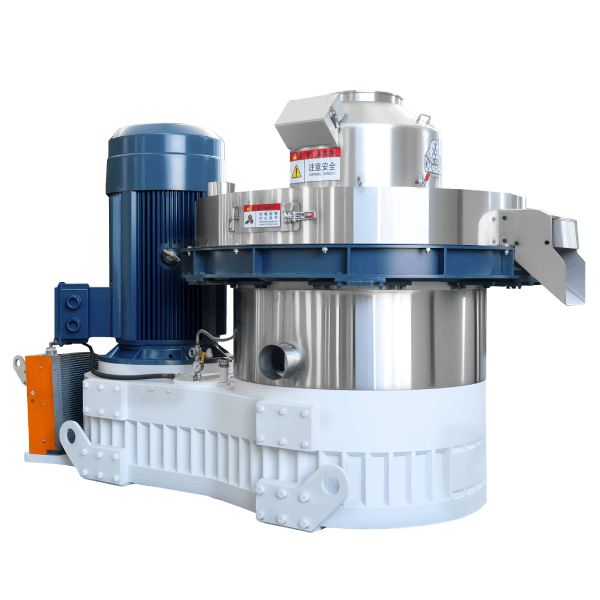
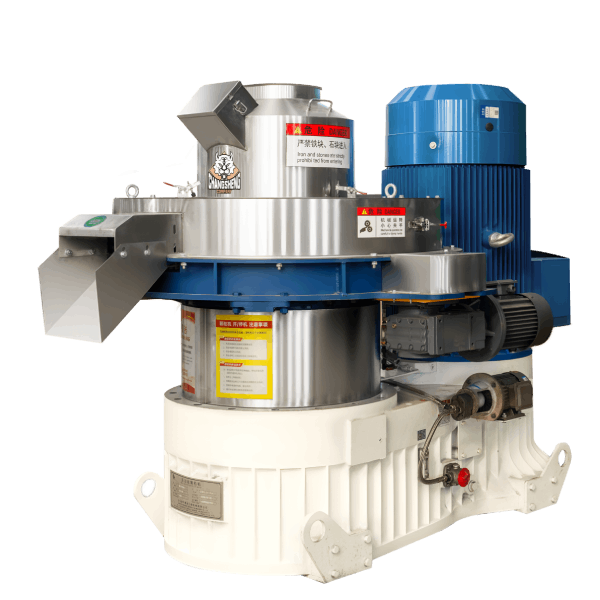
A wood pellet machine from a manufacturer like Shandong Changsheng Machinery Co., Ltd. can be configured across multiple price tiers, allowing buyers to balance price and quality based on their specific needs.
What Determines Quality
Component Quality
| Component | Entry | Mid | Commercial | Industrial |
|---|---|---|---|---|
| Motor | Generic | Chinese brand | Premium Chinese | ABB/Siemens |
| Bearings | Generic | Chinese brand | SKF/FAG | SKF/FAG |
| Die | Standard steel | Good alloy | Premium alloy | X46Cr13 |
| Gearbox | Standard | Good | Heavy-duty | Hardened |
| Controls | Basic | Good | PLC | Premium PLC |
Construction Quality
| Aspect | Entry | Mid | Commercial | Industrial |
|---|---|---|---|---|
| Steel thickness | Standard | Good | Thick | Heavy |
| Weld quality | Basic | Good | Professional | Premium |
| Finish | Basic | Good | Professional | Premium |
| Fit | Basic | Good | Precise | Precision |
Quality Indicators
| Indicator | What to Look For |
|---|---|
| Component brands | Premium brands indicate quality |
| Fit and finish | Professional appearance |
| Weight | Heavier often means better |
| Warranty | Longer = more confidence |
| Documentation | Professional manuals |
Why Prices Vary
Cost Drivers
| Factor | Why It Affects Price | Typical Impact |
|---|---|---|
| Component brands | Premium components cost more | 10-30% |
| Material quality | Better steel costs more | 10-20% |
| Manufacturing precision | Precision costs more | 10-25% |
| Engineering | R&D costs | 5-15% |
| Support | After-sales support | 5-10% |
| Brand | Reputation premium | 5-20% |
Where the Money Goes
Entry Machine ($1,000)
| Component | % of Cost |
|---|---|
| Motor/Bearings | 20% |
| Die/Rollers | 15% |
| Frame/Structure | 25% |
| Labor | 20% |
| Other | 20% |
Premium Machine ($15,000)
| Component | % of Cost |
|---|---|
| Motor/Bearings | 25% |
| Die/Rollers | 20% |
| Frame/Structure | 20% |
| Engineering | 10% |
| Labor | 15% |
| Support | 10% |
Total Cost of Ownership
5-Year Cost Comparison
Entry Machine ($1,000)
| Cost Category | Year 1 | Year 2-5 | Total |
|---|---|---|---|
| Purchase | 1,000 | — | 1,000 |
| Maintenance | 200 | 400/year | 1,800 |
| Downtime | 500 | 1,000/year | 4,500 |
| Total | 1,700 | 1,400/year | 7,300 |
Mid Machine ($5,000)
| Cost Category | Year 1 | Year 2-5 | Total |
|---|---|---|---|
| Purchase | 5,000 | — | 5,000 |
| Maintenance | 100 | 250/year | 1,100 |
| Downtime | 200 | 300/year | 1,400 |
| Total | 5,300 | 550/year | 7,500 |
Commercial Machine ($15,000)
| Cost Category | Year 1 | Year 2-5 | Total |
|---|---|---|---|
| Purchase | 15,000 | — | 15,000 |
| Maintenance | 50 | 150/year | 650 |
| Downtime | 100 | 100/year | 500 |
| Total | 15,150 | 250/year | 16,150 |
Cost per Ton Comparison
| Machine | Initial Cost | 5-Year TCO | Production | Cost/Ton |
|---|---|---|---|---|
| Entry | $1,000 | $7,300 | 200 tons | $36.50 |
| Mid | $5,000 | $7,500 | 500 tons | $15.00 |
| Commercial | $15,000 | $16,150 | 1,500 tons | $10.77 |
Value Assessment Framework
Questions to Ask
| Question | Why Important |
|---|---|
| “How many hours will it operate?” | Durability needs |
| “What is the cost of downtime?” | Reliability value |
| “What is your budget?” | Realistic options |
| “What quality do you need?” | Match to needs |
| “How long will you keep it?” | Long-term value |
Decision Matrix
| If You | Choose |
|---|---|
| Occasional use (<200 hours/year) | Entry |
| Regular use (500-1,000 hours/year) | Mid |
| Continuous use (>1,500 hours/year) | Commercial |
| 24/7 operation | Industrial |
| High downtime cost | Premium |
When to Pay More
| Situation | Invest in Premium |
|---|---|
| 24/7 operation | Yes |
| High production value | Yes |
| Limited maintenance capability | Yes |
| Long-term investment | Yes |
| Remote location | Yes |
Common Mistakes
Mistakes to Avoid
| Mistake | Why Problematic | Better Approach |
|---|---|---|
| Buying cheapest | High operating cost | Consider TCO |
| Overbuying | Wasted capital | Match to needs |
| Ignoring component quality | Hidden costs | Check brands |
| Not considering support | Future problems | Evaluate support |
| Focusing only on price | Miss value | Consider value |
Procurement Checklist: Price vs Quality
Price Assessment
- □ Price range understood
- □ Components compared
- □ TCO calculated
Quality Assessment
- □ Component brands reviewed
- □ Construction quality inspected
- □ Warranty terms reviewed
Value Assessment
- □ Operating needs defined
- □ Downtime cost estimated
- □ Best value selected
Frequently Asked Questions
1. Is a more expensive wood pellet machine always better?
Not always. Higher price often means better components and construction, but some premium may be for brand or features you don’t need. Evaluate value, not just price.
2. What is the biggest hidden cost of cheap machines?
Downtime and maintenance are the biggest hidden costs. Cheap machines break more often and cost more to keep running.
3. How much should I spend?
Spend based on your usage. Occasional use: $1,000-3,000. Regular use: $5,000-15,000. Continuous: $15,000-50,000+.
4. What components matter most?
Motor, bearings, die, and gearbox are the most critical. Premium brands in these areas indicate quality.
5. How do I calculate total cost of ownership?
Add purchase price + maintenance + downtime + energy + consumables over the equipment’s life.
6. Is Chinese equipment good value?
Yes, Chinese equipment offers excellent value at most price points. Premium Chinese manufacturers provide quality comparable to Western brands at lower prices.
7. What is the best price-quality balance?
Mid-range ($5,000-15,000) often offers the best balance for most commercial users. Entry-level is best for hobby use.
8. How long should a wood pellet machine last?
Entry: 3-5 years. Mid: 5-8 years. Commercial: 8-12 years. Industrial: 12-20+ years with proper maintenance.
About the Author
Zhang Wei – Senior International Sales Engineer, Shandong Changsheng Machinery Co., Ltd.
Zhang Wei has over 12 years of experience in the biomass and feed pellet mill industry, with a background in mechanical engineering and international project execution. He has helped clients across Southeast Asia, the Middle East, Africa, Europe, and Latin America find the right balance between price and quality.
With hands-on experience in both the manufacturing workshop and client-side operations, Zhang brings practical insights into successful equipment procurement—from the factory floor to the customer’s production site.