Page SEO Summary: This procurement guide helps buyers evaluate and procure biomass pellet lines—covering supplier assessment, technical specifications, cost analysis, and risk management.
Procuring a biomass pellet line is a complex, high-value investment. Unlike buying a single machine, a pellet line involves multiple components, system integration, and long-term operational considerations. For procurement professionals, the challenge is to ensure quality and reliability while controlling costs and managing risks.
This guide provides a comprehensive framework for procuring biomass pellet lines.
1. Define Your Requirements
Key Questions
Question Why Important “What is the target capacity?” Sizes the line “What materials will be processed?” Determines configuration “What is the product quality requirement?” Defines equipment grade “What is the budget?” Sets scope “What is the timeline?” Defines delivery requirements
Scope Definition
Scope Element What to Define Equipment Complete list of components Installation Supplier responsibility vs owner Commissioning Included or separate Training Operator training scope Performance guarantee Capacity, quality, consumption Warranty Duration and coverage
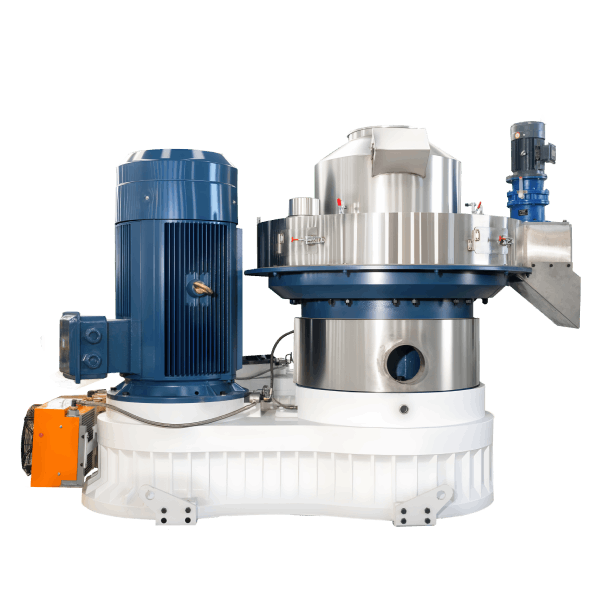
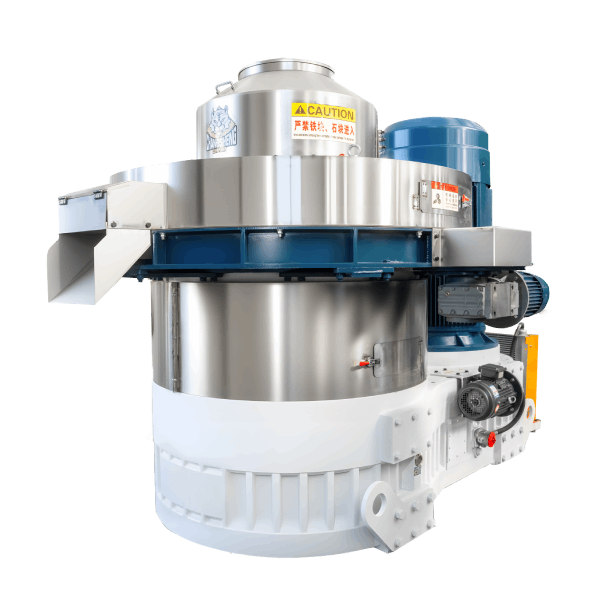
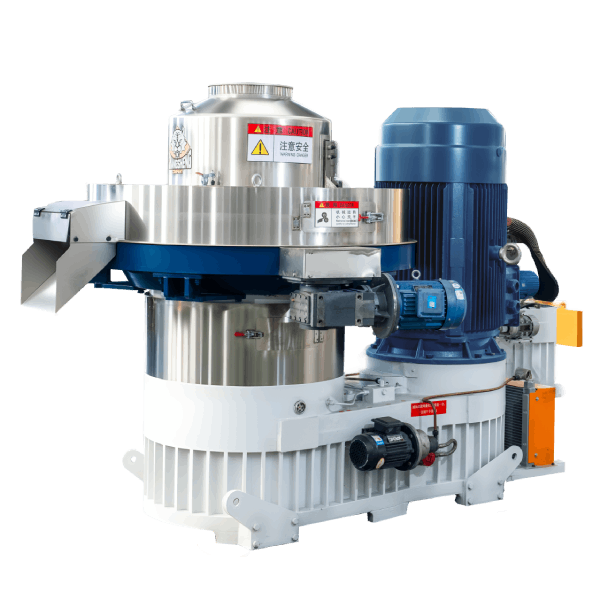
A biomass pellet line for procurement from a supplier like Shandong Changsheng Machinery Co., Ltd. should have a clearly defined scope to avoid gaps and disputes.
2. Supplier Evaluation
Supplier Assessment Criteria
Criterion Weight What to Check Experience 20% Similar projects completed Technical capability 25% Engineering, manufacturing Quality 20% Component brands, certifications Commercial terms 15% Price, payment terms Support 10% After-sales, spare parts References 10% Customer satisfaction
Due Diligence Checklist
Item What to Verify Company registration Legal status Years in business Stability Export experience International capability Certifications ISO, CE Financial stability Company health References Contact previous customers
Questions to Ask Suppliers
Question Why Ask “What is your experience with similar lines?” Relevant experience “What is the expected delivery time?” Schedule “What is your quality control process?” Quality assurance “What is included in the warranty?” Protection “What references can you provide?” Verification
3. Technical Specifications
Key Equipment Specifications
Equipment Key Specifications Dryer Capacity, moisture reduction, fuel type Hammer mill Capacity, power, screen size Pellet mill Power, die size, capacity Cooler Capacity, retention time Control system Automation level, PLC brand
Performance Parameters
Parameter What to Specify Acceptance Criteria Capacity t/h under specified conditions ±10% of rated Pellet quality Durability, moisture, ash As per grade Power consumption kWh per ton As per spec Emissions Dust, noise Meet regulations
Component Brands
Component Preferred Brands Acceptable Motor ABB, Siemens, WEG Premium Chinese Bearings SKF, FAG, NSK Premium Chinese Gearbox Premium brand Quality Chinese Controls Siemens, Allen-Bradley Premium Chinese
4. Cost Analysis
Cost Components
Cost Category What to Include Notes Equipment All line components Base price Shipping Freight, insurance Incoterm dependent Installation Labor, materials Supplier or local Commissioning Start-up, testing Often extra Training Operator training Often extra Import costs Duties, taxes Country specific
Total Cost of Ownership
Cost Factor 1-Year 5-Year 10-Year Equipment High — — Energy Medium High High Maintenance Low Medium High Consumables Low Medium High Labor Medium High High
Cost Comparison Tool
Supplier Equipment Cost Shipping Installation TCO (5Y) A $500,000 $30,000 $20,000 $900,000 B $550,000 $25,000 $15,000 $850 ,000 C $480,000 $40,000 $25,000 $950,000
5. Contract Management
Key Contract Clauses
Clause Why Important What to Include Scope of work Defines responsibilities Clear, detailed list Performance guarantee Protects investment Capacity, quality, consumption Liquidated damages Penalty for delay Per day/week Payment milestones Tied to progress % at each stage Warranty Protection after delivery Duration, coverage FAT Quality before shipment Testing procedure Dispute resolution Clear process Arbitration/mediation
Payment Milestones
Milestone Payment % Condition Contract signing 20-30% Contract executed Design approval 10-15% Drawings approved Manufacturing complete 30-35% FAT passed Delivery 15-20% Bill of lading Installation complete 10-15% Mechanical completion Commissioning 5-10% Performance test passed
6. Risk Management
Key Risks
Risk Likelihood Impact Mitigation Supplier performance Medium High References, milestones Schedule delays Medium Medium Liquidated damages Quality issues Medium High FAT, inspection Cost overruns Medium Medium Fixed price contract Scope gaps Low-Medium High Detailed scope Shipping delays Medium Medium Contingency
Risk Mitigation Checklist
Action Purpose Site visit Verify supplier capability Reference calls Verify performance Clear contract Define responsibilities Milestone payments Tie payment to progress FAT attendance Verify quality before shipment Contingency budget Cover unexpected costs
7. Delivery and Installation
Delivery Management
Step Action Responsibility 1 Order placement Buyer 2 Manufacturing Supplier 3 FAT Buyer/Supplier 4 Shipping Supplier/Buyer 5 Customs clearance Buyer 6 Site delivery Buyer
Installation Planning
Item Consideration Site preparation Foundations, utilities Installation team Supplier or local Timeline Coordinate with operations Safety On-site safety plan
Procurement Checklist
Pre-Purchase
□ Requirements defined
□ Budget established
□ Timeline confirmed
□ Supplier shortlist created
Evaluation
□ Proposals received (3+)
□ Technical specifications compared
□ Costs compared
□ References contacted
□ Site visits completed
Contract
□ Scope clearly defined
□ Performance guarantee included
□ Payment milestones agreed
□ Warranty terms reviewed
□ Liquidated damages included
Delivery
□ FAT scheduled
□ Shipping arranged
□ Installation planned
□ Commissioning scheduled
Frequently Asked Questions
1. What is the procurement process for a biomass pellet line?
Define requirements, evaluate suppliers, compare proposals, negotiate contract, manage delivery, and oversee installation and commissioning.
2. How many suppliers should I evaluate?
Shortlist 3-5 suppliers for detailed evaluation. This provides competitive pricing while keeping the evaluation manageable.
3. What is the most important contract clause?
Performance guarantee with liquidated damages is the most important. It protects your investment if the line doesn’t meet specifications.
4. How much should I budget for installation?
Typically 15-25% of equipment cost, depending on scope and location.
5. What is FAT and why is it important?
Factory Acceptance Testing verifies equipment quality before shipment. It is essential for identifying and correcting issues early.
6. What are liquidated damages?
Pre-agreed penalties for delays or performance failures. They protect the buyer from schedule and quality risks.
7. How do I manage scope gaps?
Define the scope clearly in the contract with detailed equipment lists and responsibility matrices.
8. What is the typical timeline?
From contract signing to commissioning: 6-18 months depending on scale and complexity.
About the Author
Zhang Wei – Senior International Sales Engineer, Shandong Changsheng Machinery Co., Ltd.
Zhang Wei has over 12 years of experience in the biomass and feed pellet mill industry, with a background in mechanical engineering and international project execution. He has worked with procurement professionals across Southeast Asia, the Middle East, Africa, Europe, and Latin America on biomass pellet line projects.
With hands-on experience in both the manufacturing workshop and client-side operations, Zhang brings practical insights into successful equipment procurement—from the factory floor to the customer’s plant.