Page SEO Summary: This comprehensive guide helps US buyers source pellet mills—covering supplier options, price ranges, compliance requirements, and import considerations for the American market.
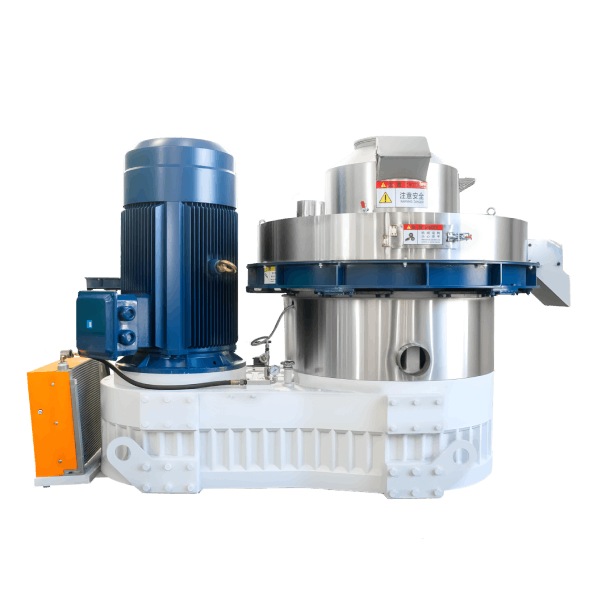
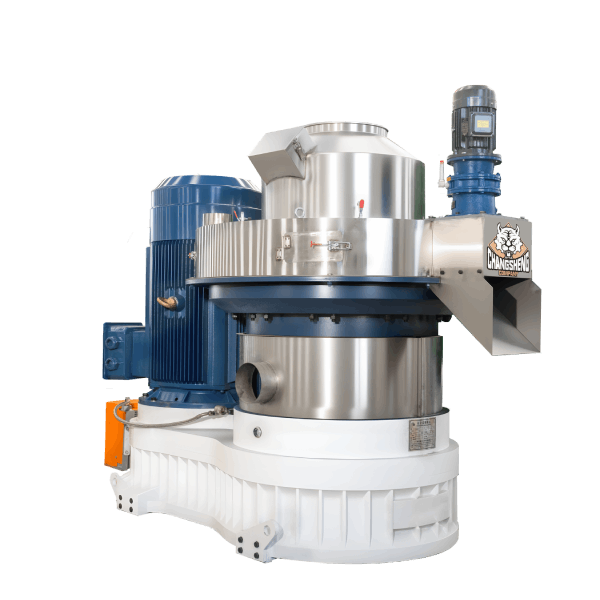
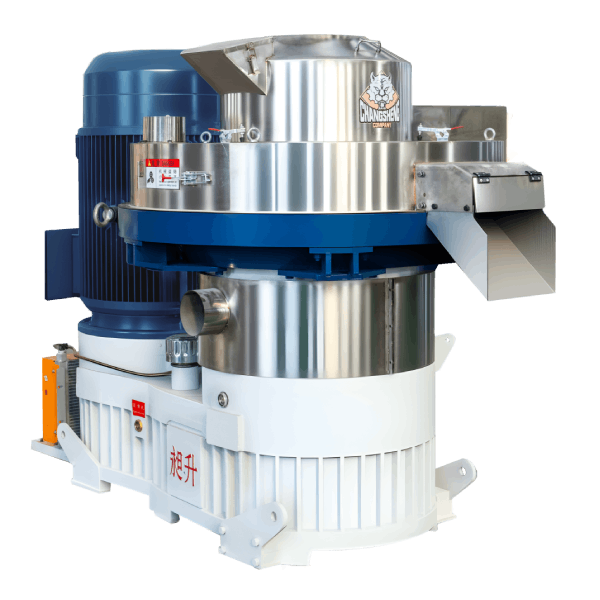
The United States is one of the world’s largest markets for wood pellets, driven by residential heating, industrial applications, and growing export demand. For US buyers, finding the right pellet mill involves considering domestic manufacturers, importers, and direct overseas sourcing. Manufacturers like Shandong Changsheng Machinery Co., Ltd. supply equipment to the US market through local distributors and direct import channels.
This guide provides a comprehensive overview of sourcing pellet mills in the USA.
The US Pellet Market
Market Context
Aspect
Details
Market size
Very large; world’s largest consumer
Key applications
Residential heating; industrial; export
Key resource
Abundant forestry; sawmill residues
Quality standards
PFI (Pellet Fuels Institute)
Market Drivers
Driver
Impact
Residential heating
Strong demand in Northeast
Industrial growth
Power generation, CHP
Export demand
Growing Asian and European markets
Carbon reduction
Sustainability goals
Energy security
Domestic fuel source
Buying Options in the USA
Supplier Types
Type
Description
Pros
Cons
US manufacturers
Built in USA
Highest quality; local support
Most expensive
US distributors
Import and sell
Local stock; support
Higher price
Direct import (China)
Direct from manufacturer
Best price
Longer lead time
Used equipment
Second-hand machines
Budget-friendly
Unknown condition
What to Look For
Criterion
Why Important
Local stock
Quick delivery
Technical support
Help with installation
Spare parts
Local availability
UL/OSHA compliance
Legal and safety
Warranty
Protection
A pellet mill USA sourced from a supplier like Shandong Changsheng Machinery Co., Ltd. can be delivered through local distributors or direct import, with UL/OSHA compliance ensured for the American market.
Price Ranges (US Market)
Estimated Prices in USD
Type
Capacity
Price Range
Flat die (small hobby)
20-50 kg/h
$500-1,500
Flat die (medium)
50-150 kg/h
$1,500-3,500
Ring die (small commercial)
150-500 kg/h
$6,000-15,000
Ring die (commercial)
500-1,500 kg/h
$15,000-35,000
Ring die (industrial)
1.5-5 t/h
$40,000-85,000
Complete line
1-3 t/h
$60,000-180,000
Price Comparison
Source
Price
Delivery
Support
US manufacturer
Highest
4-12 weeks
Excellent
US distributor
High
1-2 weeks
Excellent
Direct import (China)
Lower (25-40% savings)
10-16 weeks
Limited
Local Purchase vs Import
Comparison
Aspect
US Purchase
Direct Import
Price
Higher
Lower (25-40% savings)
Delivery
1-2 weeks (distributor)
10-16 weeks
UL/OSHA
Guaranteed
Must verify
Support
Local; immediate
Remote; limited
Spare parts
Readily available
May take time
Warranty
US service
International service
Customs
None (local stock)
Buyer responsible
Section 301 tariffs
N/A
May apply
When to Choose US Purchase
Scenario
Reason
Need machine quickly
Fast delivery
Want local support
Easy communication
Limited import experience
No customs hassle
Budget allows
Premium for convenience
First-time buyer
Simpler process
When to Consider Direct Import
Scenario
Reason
Large budget savings
25-40% lower cost
Multiple machines
Better economies
Import experience
Know the process
Not time-sensitive
Can wait for delivery
US Compliance Requirements
Key Standards
Standard
Requirement
Applicability
UL/CSA
Electrical safety
All electrical equipment
OSHA
Workplace safety
Machinery guarding
ANSI
Safety standards
Machinery
EPA
Emissions
Biomass equipment
NFPA
Fire safety
Dust/fire protection
Certification Requirements
Certification
When Required
UL/CSA
Electrical equipment
OSHA compliance
Workplace safety
EPA compliance
Emissions (if applicable)
Documentation Required
Document
Purpose
UL/CSA certification
Safety compliance
Declaration of conformity
Compliance declaration
User manual
Operating instructions
Warranty
Terms and conditions
Section 301 Tariffs
Current Status
Aspect
Details
Applicability
Certain equipment from China
Rate
Up to 25% (check current status)
Exclusions
Some products may be excluded
Verification
Confirm with customs broker
Impact on Pricing
Price Component
Impact
Equipment price
Base
Section 301 tariff
+0-25%
Import duty
0-3% typically
Total import cost
Variable
Risk Mitigation
Strategy
How
Check current exclusions
Consult customs broker
Verify HS code
Correct classification
Consider US stock
Avoid tariffs
Plan timeline
Allow for tariff changes
Buying Process
Steps to Buy in the USA
Step
Action
Timeline
1
Define your needs
1-2 weeks
2
Research suppliers
1-2 weeks
3
Request quotes
1 week
4
Compare options
1-2 weeks
5
Select supplier
1 week
6
Order and payment
1 week
7
Delivery
1-2 weeks (local)
8
Installation
1-2 weeks
9
Commissioning
1 week
Questions to Ask US Suppliers
Question
Why
“Do you have UL/OSHA compliance?”
Legal requirement
“Do you have stock in the USA?”
Delivery time
“What is the warranty?”
Protection
“Do you have spare parts?”
Maintenance
“Can you provide installation support?”
Setup help
Procurement Checklist: US Purchase
Needs Assessment
□ Application defined (heating/industrial/export)
□ Capacity requirement confirmed
□ Budget established
□ Timeline confirmed
Supplier Evaluation
□ 3-5 suppliers compared
□ US stock checked
□ Support capability verified
□ References contacted
Compliance
□ UL/OSHA compliance verified
□ Documentation available
□ Section 301 tariff status checked
□ Warranty reviewed
Final Decision
□ Price compared (total delivered)
□ Support confirmed
□ Delivery date confirmed
Frequently Asked Questions
1. Where can I buy a pellet mill in the USA?
You can buy from US manufacturers, distributors, and directly from overseas manufacturers. Local distributors offer the fastest delivery and best support.
2. What is the price range in the USA?
Small hobby machines: $500-1,500. Commercial machines: $6,000-35,000. Industrial machines: $40,000-85,000+.
3. Is it cheaper to import from China?
Yes. Direct import from China can save 25-40% on equipment cost. However, consider shipping time, import duties, and Section 301 tariffs.
4. What compliance is required in the USA?
UL certification for electrical safety, OSHA compliance for workplace safety, and ANSI for machinery safety. EPA compliance may be required for emissions.
5. What are Section 301 tariffs?
Additional tariffs on certain goods from China. Rates vary and change frequently. Check current status with a customs broker.
6. Do US suppliers offer support and spare parts?
Yes. US distributors typically offer local support, installation assistance, and readily available spare parts. This is a key advantage over direct import.
7. What raw materials are available in the USA?
Abundant forestry resources, sawmill residues, and agricultural residues are available across the country.
8. What is the delivery time?
US distributors with stock: 1-2 weeks. US manufacturers: 4-12 weeks. Direct imports: 10-16 weeks.
Zhang Wei has over 12 years of experience in the biomass and feed pellet mill industry, with a background in mechanical engineering and international project execution. He has helped US clients across multiple states find the right pellet mills for their needs.
With hands-on experience in both the manufacturing workshop and client-side operations, Zhang brings practical insights into successful equipment procurement—from the factory floor to the US customer’s site.