Page SEO Summary: This comprehensive guide helps you design and plan a wood pelleting plant—covering system components, capacity options, investment costs, and project implementation.
A wood pelleting plant transforms wood waste—sawdust, wood chips, shavings—into high-value wood pellets for heating, power generation, and industrial use. With growing demand for renewable energy, wood pelleting plants are becoming increasingly important investments.
This guide provides a comprehensive framework for planning, designing, and implementing a wood pelleting plant.
What Is a Wood Pelleting Plant?
Definition
A wood pelleting plant is a complete production facility that processes wood materials into wood pellets. It includes receiving, preparation, pelletizing, post-processing, and storage systems.
Plant Components
System Function Raw material handling Receive and store wood Preparation Screening, drying, grinding Pelletizing Conditioning, pellet mills Post-processing Cooling, screening Storage and packaging Finished product handling Control Process automation
Raw Material Requirements
Suitable Materials
Material Quality Notes Sawdust Excellent Best quality Wood chips Good Needs grinding Wood shavings Good Needs grinding Bark Moderate Higher ash Wood residues Variable Quality depends
Material Specifications
Parameter Requirement Why Moisture 10-12% (after drying) Optimal pelletizing Particle size 2-5 mm Uniform pellets Bark content <10% Lower ash Contaminants None Protect equipment
Moisture Management
Stage Moisture Content Action Receiving 30-60% Drying required After drying 10-12% Pelletizing ready After cooling 8-10% Storage ready
Plant Systems
Raw Material Handling
Equipment Function Receiving hopper Accept raw material Conveyors Move material Storage silos Buffer supply Magnetic separator Remove metal
Drying System
Equipment Function Typical Rotary dryer Reduce moisture Most common Belt dryer Gentle drying Premium quality Flash dryer Fast drying Pre-dried material
Grinding System
Equipment Function Typical Hammer mill Size reduction Most common Crusher Primary reduction Large pieces
Pelletizing System
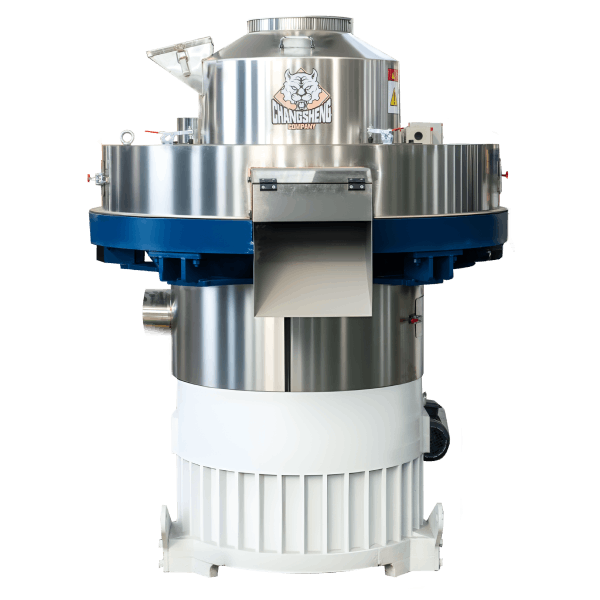
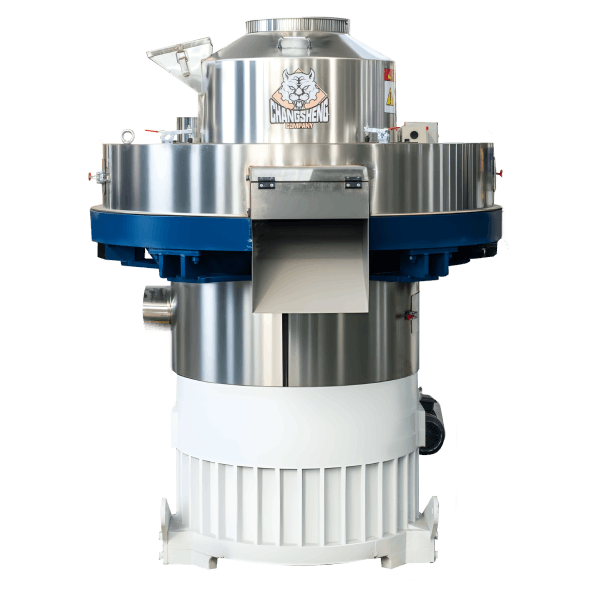
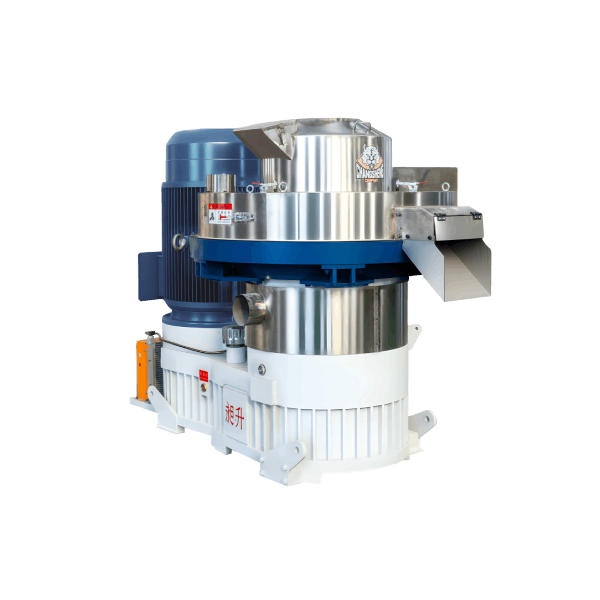
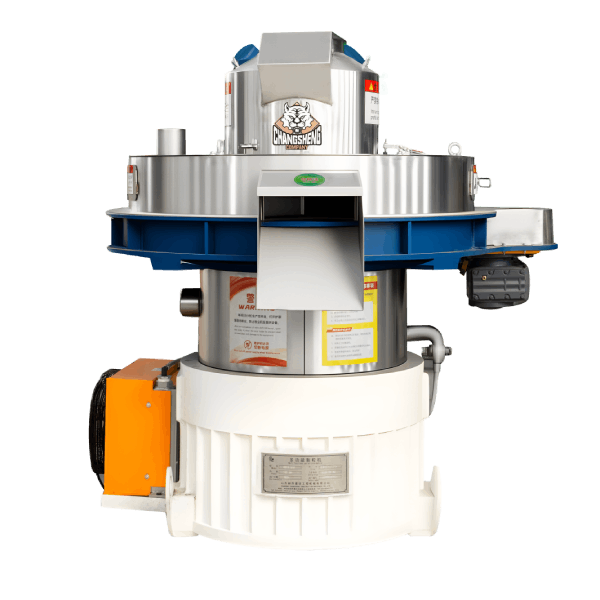
Equipment Function Typical Conditioner Heat and steam Essential Pellet mill Form pellets Ring die Feeder Control feed Variable speed
Cooling and Screening
Equipment Function Typical Counterflow cooler Cool pellets Most common Screening Remove fines Vibrating screen
Storage and Packaging
Equipment Function Typical Finished product silos Store pellets Bulk storage Bagging system Package pellets 15-50 kg bags Bulk loading Truck loading For bulk customers
Plant Design
Process Flow
Stage Equipment Purpose 1. Receiving Hopper, conveyor Material intake 2. Screening Vibrating screen Remove debris 3. Drying Dryer Reduce moisture 4. Grinding Hammer mill Size reduction 5. Conditioning Conditioner Heat activation 6. Pelletizing Pellet mill Form pellets 7. Cooling Cooler Stabilize pellets 8. Screening Fines screen Remove fines 9. Storage Silos Store pellets 10. Loading Bulk/Bagging Ship product
Key Design Factors
Factor Consideration Material flow Continuous, balanced Buffer storage Between stages Dust control Safety and quality Energy efficiency Operating cost Expansion Future capacity
Capacity Options
Plant Sizes
Scale Capacity (t/h) Annual Output Typical Use Small 0.5-1 1,000-3,000 tons Local market Medium 1-3 3,000-9,000 tons Regional Large 3-5 9,000-15,000 tons Commercial Industrial 5-10+ 15,000-30,000+ tons Export/power
Equipment Sizing
Capacity Dryer Hammer Mill Pellet Mill Cooler 1 t/h 1.5 t/h 1.5 t/h 1 t/h 1.2 t/h 3 t/h 4 t/h 4 t/h 3 t/h 3.5 t/h 5 t/h 7 t/h 7 t/h 5 t/h 6 t/h
Space Requirements
Plant Area
Scale Process Area Storage Area Total Area Small 50-100 m² 100-200 m² 150-300 m² Medium 100-200 m² 200-400 m² 300-600 m² Large 200-400 m² 400-800 m² 600-1,200 m² Industrial 400-800 m² 800-2,000 m² 1,200-2,800 m²
Height Requirements
Equipment Typical Height Receiving hopper 3-5 m Dryer 5-10 m Pellet mill 3-5 m Cooler 4-8 m Storage silos 10-20 m
Investment Costs
Equipment Cost by Scale
Scale Equipment Cost (USD) Complete Plant Cost (USD) Small (0.5-1 t/h) $50,000-100,000 $100,000-200,000 Medium (1-3 t/h) $100,000-250,000 $200,000-500,000 Large (3-5 t/h) $250,000-500,000 $500,000-1,000,000 Industrial (5-10 t/h) $500,000-1,500,000 $1,000,000-3,000,000
Cost Breakdown
Component % of Total Notes Drying system 20-30% Largest cost Pellet mills 20-25% Core equipment Material handling 10-15% Conveyors, elevators Grinding 10-15% Hammer mills Building/civil 15-20% Facility Electrical/controls 10-15% Power, automation
Project Implementation
Timeline
Phase Activities Duration 1. Feasibility Market, raw materials, business case 2-4 months 2. Design Process design, equipment selection 2-4 months 3. Procurement Equipment, contractors 2-3 months 4. Construction Building, installation 4-8 months 5. Commissioning Testing, start-up 1-2 months Total 11-21 months
Key Milestones
Milestone Description Success Factor Feasibility complete Business case confirmed Project viability Design freeze Final specifications No scope creep Equipment ordered Contracts signed Supplier selection Construction complete Building ready Project progress Commissioning Production starts Project completion
Procurement Checklist
Project Definition
□ Capacity target confirmed
□ Raw material source confirmed
□ Market identified
□ Budget established
Plant Design
□ Complete equipment list developed
□ Capacity matched across all systems
□ Space requirements confirmed
□ Utilities confirmed
Supplier Evaluation
□ Multiple suppliers compared
□ References contacted
□ Factory visits completed
□ Proposals evaluated
Project Management
□ Implementation timeline developed
□ Milestones established
□ Risk assessment completed
Frequently Asked Questions
1. What is a wood pelleting plant?
A complete production facility that processes wood materials into wood pellets, including receiving, drying, grinding, pelletizing, cooling, and storage systems.
2. What equipment is needed?
Receiving hopper, conveyor, dryer, hammer mill, conditioner, pellet mill, cooler, screening, and storage/packaging systems.
3. What raw materials can be used?
Sawdust, wood chips, wood shavings, wood residues, and bark (limited). Quality varies by material.
4. What moisture content is needed?
Raw material must be dried to 10-12% before pelletizing. Final pellets should be 8-10% moisture.
5. What capacity do I need?
Small: 0.5-1 t/h. Medium: 1-3 t/h. Large: 3-5 t/h. Industrial: 5-10+ t/h.
6. How much does a wood pelleting plant cost?
Small: $100,000-200,000. Medium: $200,000-500,000. Large: $500,000-1,000,000. Industrial: $1,000,000-3,000,000+.
7. How much space do I need?
Small: 150-300 m². Medium: 300-600 m². Large: 600-1,200 m². Industrial: 1,200-2,800 m².
8. What is the typical timeline?
11-21 months from planning to production, depending on scale and complexity.
About the Author
Zhang Wei – Senior International Sales Engineer, Shandong Changsheng Machinery Co., Ltd.
Zhang Wei has over 12 years of experience in the biomass and feed pellet mill industry, with a background in mechanical engineering and international project execution. He has helped clients across Southeast Asia, the Middle East, Africa, Europe, and Latin America plan and build wood pelleting plants.
With hands-on experience in both the manufacturing workshop and client-side operations, Zhang brings practical insights into successful plant design and implementation—from the factory floor to the operating facility.