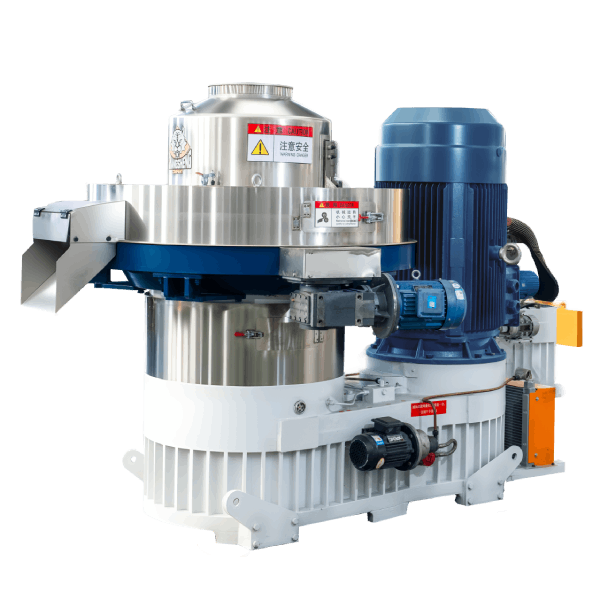
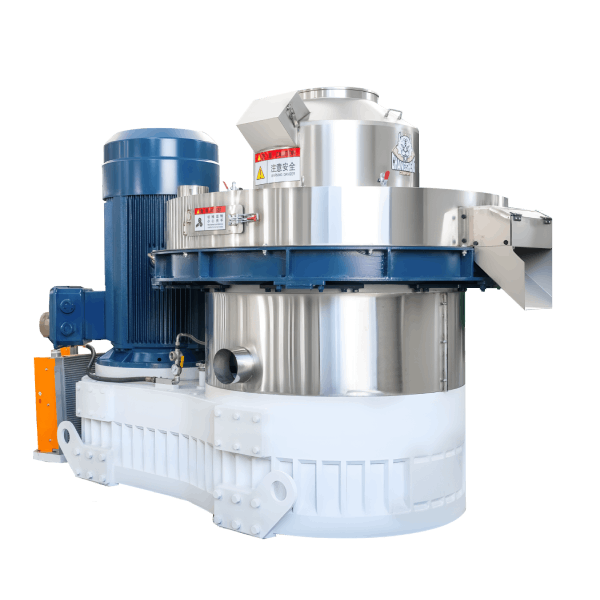
Pellet Machine Red Flags: 20 Warning Signs to Check
News 2026-09-19
Pellet Machine Red Flags: 20 Warning Signs Buyers Should Not Ignore
Most pellet machine purchase failures are visible before the order is placed. They appear as vague answers, missing data, unusual pricing, refusal to allow inspection, or contract terms that shift risk entirely to the buyer. Experienced buyers treat these as red flags and stop the process until they are resolved.
This guide is written for procurement managers, importers, EPC contractors, and end users. It lists the pellet machine red flags that matter most in real projects, explains why each one is a warning sign, and gives a practical action for each case. The goal is not to create suspicion, but to help buyers separate normal commercial negotiation from genuine risk.
How to Use This Guide
The red flags are grouped into six areas:
Supplier red flags
Quotation red flags
Technical red flags
Contract red flags
Inspection and pre-shipment red flags
After-sales red flags
Each red flag is described in three parts: what it looks like, why it matters, and what to do. At the end, a decision guide helps you decide whether to continue, pause, or walk away.
Supplier Red Flags
Red flag 1: The supplier cannot show real factory photos or production videos.
What it looks like: Only stock images, catalog renders, or photos that appear on many websites. No walkthrough video, no workshop overview, no nameplate close-up.
Why it matters: A trading company without production control may not be able to support technical clarification, spare parts, or warranty claims.
What to do: Request a live video walkthrough or a recorded factory tour showing the production line, assembly area, testing area, and warehouse. Ask for the nameplate and model of a machine currently in production.
Red flag 2: The supplier refuses or delays a video factory inspection.
What it looks like: Repeated scheduling changes, no fixed time, or only still photos with no live interaction.
Why it matters: Legitimate manufacturers can usually arrange a scheduled video inspection. Persistent refusal is a strong warning sign.
What to do: Propose a fixed time and a clear agenda: workshop, testing, packing, documents. If the supplier still refuses without a reasonable explanation, treat it as a serious risk.
Red flag 3: The supplier cannot provide reference projects with similar raw material.
What it looks like: Only generic references, no material type, no capacity, no location, no contactable user.
Why it matters: Pelletizing performance depends heavily on raw material. A supplier without similar experience may not anticipate moisture, die, or blockage issues.
What to do: Ask for at least one reference project with the same material type and similar capacity. Ask what problems occurred and how they were solved.
Red flag 4: The supplier pressures you to pay a deposit before technical clarification is complete.
What it looks like: Urgency, limited-time discounts, or claims that the price will rise tomorrow.
Why it matters: Pressure tactics are used to prevent buyers from comparing options and confirming technical data.
What to do: Slow down. Require the technical agreement to be completed before any deposit is discussed.
Quotation Red Flags
Red flag 5: The quotation is significantly lower than other suppliers without a clear reason.
What it looks like: A price far below the market range, with no explanation of what is included or excluded.
Why it matters: Cost reduction usually comes from thinner materials, smaller motors, lower-grade dies, simplified control systems, or excluded auxiliary equipment.
What to do: Request a line-by-line scope of supply with model, quantity, specification, and brand class. Compare configuration, not just price.
Red flag 6: The quotation does not state what is included and what is excluded.
What it looks like: A single total price with no itemized list.
Why it matters: Auxiliary equipment such as crusher, dryer, conveyor, cooler, and dust collection are often assumed to be included but are actually excluded.
What to do: Require a scope table with item, quantity, unit, specification, and remarks. Mark optional items clearly.
Red flag 7: The quotation does not state the conditions used to define capacity.
What it looks like: A capacity figure such as 1 t/h with no material, moisture, pellet size, or die specification.
Why it matters: Capacity is only meaningful under specific conditions. Without conditions, the figure cannot be verified.
What to do: Require capacity to be stated with material, moisture, pellet size, and die specification. Ask for a test run record if available.
Red flag 8: The quotation uses vague terms such as high quality, advanced design, or international standard without specifics.
What it looks like: Marketing language instead of technical data.
Why it matters: Vague terms cannot be verified and cannot be enforced in a contract.
What to do: Ask for measurable specifications: motor power, die diameter, compression ratio, roller hardness, control mode, protection class.
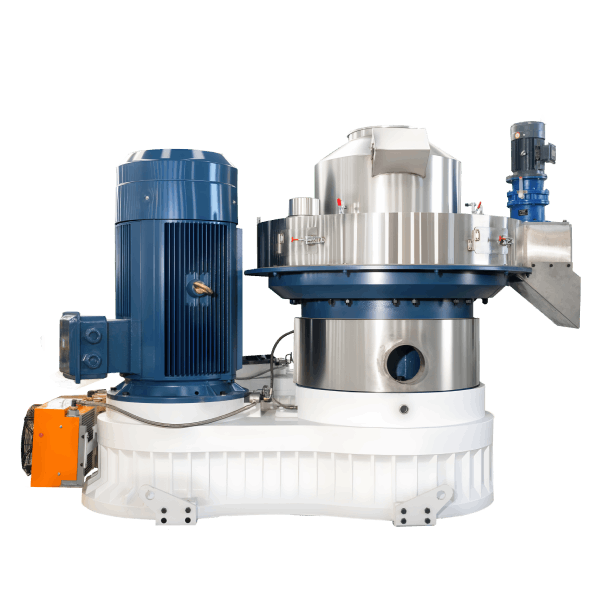
Technical Red Flags
Red flag 9: The supplier cannot explain the die compression ratio for your material.
What it looks like: A general answer such as we use standard die, or the die is suitable for all materials.
Why it matters: Compression ratio must match material density, fiber content, and moisture. A wrong die causes poor pellet quality, blockage, or fast wear.
What to do: Ask for the recommended compression ratio for your specific material and moisture range. Ask what happens if moisture varies.
Red flag 10: The supplier does not ask about your power supply.
What it looks like: No questions about voltage, phase, frequency, or transformer capacity.
Why it matters: Voltage and frequency mismatch is one of the most common and most expensive import errors.
What to do: Provide voltage, phase, frequency, and control voltage in writing. Require the supplier to confirm motor nameplate data and control voltage in the technical agreement.
Red flag 11: The supplier does not mention moisture control or drying.
What it looks like: The quotation only includes the pellet machine, with no discussion of raw material moisture.
Why it matters: Moisture is the most common cause of blockage and poor pellet quality. A pellet machine alone cannot fix wet material.
What to do: Confirm the target moisture range for your material and ask what drying or conditioning equipment is recommended.
Red flag 12: The supplier cannot provide a foundation drawing or load data.
What it looks like: Only a general arrangement drawing with no foundation or anchor bolt layout.
Why it matters: Without foundation and load data, installation may be delayed or incorrect, causing vibration and premature wear.
What to do: Request foundation drawing, anchor bolt layout, and load data before shipment.
Contract Red Flags
Red flag 13: The contract does not include a technical agreement as an attachment.
What it looks like: Only commercial terms, no technical annex.
Why it matters: Without a technical annex, the delivered machine may differ from what was discussed.
What to do: Require a technical agreement as a contract attachment, covering model, capacity, power, voltage, die, pellet size, auxiliary scope, and control mode.
Red flag 14: The contract does not define wear parts and warranty exclusions.
What it looks like: A general warranty statement with no definition of covered and excluded parts.
Why it matters: Dies, rollers, bearings, and belts are wear parts. If not defined, warranty claims may be rejected.
What to do: Require a clear list of covered parts, excluded wear parts, warranty period, warranty start date, and claim procedure.
Red flag 15: The contract has no inspection or acceptance clause.
What it looks like: No mention of pre-shipment test run, video inspection, or third-party inspection.
Why it matters: Without an agreed inspection method, the buyer has little leverage if the machine does not match the specification.
What to do: Add an inspection clause specifying test run material, output record, pellet quality check, and document review before shipment.
Red flag 16: Payment terms require full payment before production or before inspection.
What it looks like: 100 percent advance payment, or balance due before test run.
Why it matters: Full advance payment removes the buyer’s leverage and increases risk.
What to do: Negotiate a deposit plus balance against inspection or shipping documents. Use a letter of credit for larger amounts if possible.
Inspection and Pre-Shipment Red Flags
Red flag 17: The supplier refuses to run a test with material similar to yours.
What it looks like: Test run only with dry sawdust, or only a short no-load run.
Why it matters: A test with different material does not prove performance with your material.
What to do: Provide a material sample or agree on a comparable material for the test. Record output, pellet size, density, fines rate, and power consumption.
Red flag 18: Documents are incomplete or inconsistent before shipment.
What it looks like: Manual or drawing does not match the shipped configuration, or nameplate data differs from the technical agreement.
Why it matters: Inconsistent documents create installation and commissioning problems, and weaken warranty claims.
What to do: Require a final document review before shipment. Check manual, electrical diagram, foundation drawing, wear parts list, packing list, and nameplate data against the technical agreement.
After-Sales Red Flags
Red flag 19: The supplier cannot provide a spare parts list with part numbers.
What it looks like: Only general descriptions such as die and roller, with no part numbers or specifications.
Why it matters: Without part numbers, future orders may not match the original parts, causing fit and performance problems.
What to do: Require a spare parts list with part numbers, specifications, and recommended stock quantity.
Red flag 20: The supplier cannot explain the response process for warranty claims.
What it looks like: A general promise such as we will support you, with no process, timeline, or responsible contact role.
Why it matters: Without a defined process, warranty claims may be delayed or ignored.
What to do: Require a written response process: how to report a claim, what information is needed, expected response time, and how replacement parts are shipped.
Decision Guide: Continue, Pause, or Walk Away
Continue when the supplier answers technical questions directly, provides written data, allows inspection, and offers a clear scope of supply.
Pause when some items are missing but the supplier is willing to clarify and document them. Set a deadline for clarification and do not pay a deposit until critical items are confirmed in writing.
Walk away when the supplier refuses inspection, avoids written technical confirmation, cannot provide references with similar material, or requires full payment before production and inspection.
A Practical Case from Buyer Experience
A buyer received two quotations for a 1 t/h pellet line. One quotation was about 20 percent lower. The lower quotation did not include a dryer, did not specify die compression ratio, and did not state the control voltage. The buyer requested a scope table and a technical agreement. The supplier could not provide either and pushed for a quick deposit.
The buyer paused the process and requested the same information from the second supplier. The second supplier provided a scope table, a die recommendation based on the buyer’s material, a foundation drawing, and a pre-shipment inspection plan. The final price was higher, but the project was commissioned without major issues, and spare parts were available with part numbers.
This case shows that the lowest price is not the lowest risk. Red flags in the quotation stage usually predict problems in the installation and operation stage.
Frequently Asked Questions
What is the biggest red flag when buying a pellet machine?
The biggest red flag is refusal to confirm technical data in writing. If capacity, power, voltage, die specification, and scope of supply are not documented, the buyer has no basis for verification or warranty claims.
Is a very low price always a red flag?
Not always, but it requires explanation. Ask what is included, what is excluded, and which components are used. If the supplier cannot explain the price difference clearly, treat it as a risk.
Should I insist on a video factory inspection?
Yes, for any significant purchase. A video inspection confirms that the supplier has real production capacity and allows you to see assembly, testing, and packing conditions.
What should be included in the technical agreement?
Model, capacity with conditions, main motor power, total connected load, voltage, phase, frequency, control voltage, die specification, pellet size range, auxiliary equipment scope, control mode, and warranty terms.
How do I verify the rated capacity?
Ask for the material, moisture, pellet size, and die specification used to define the rated capacity. Compare with reference projects using similar material.
What payment terms are safest for the buyer?
A deposit plus balance against inspection or shipping documents is common. For larger amounts, a letter of credit provides additional protection. Full advance payment should be avoided when possible.
What documents should I receive before shipment?
Operation manual, electrical diagram, foundation drawing, wear parts list, packing list, certificate of conformity, and test run record.
What should I do if I find red flags after paying a deposit?
Document the issues in writing, request clarification with a deadline, and pause further payments until critical items are confirmed. If the supplier refuses to cooperate, consider third-party inspection or legal advice depending on the contract terms.
Author Introduction
This article was prepared by a technical content specialist with over ten years of experience in industrial equipment, biomass and feed processing machinery, and B2B export projects. The author has worked with pellet machine projects in feed, biomass, and agricultural processing, and understands the practical risks buyers face in supplier evaluation, technical clarification, contract negotiation, inspection, and after-sales.
The content reflects real engineering practice in pellet machine selection, risk identification, and international procurement. It is intended to help procurement managers, importers, EPC contractors, and end users make informed decisions and reduce purchase risk.
Call to Action
If you are evaluating a pellet machine supplier and want to confirm technical data, compare configurations, or prepare an inspection plan, you can request a technical proposal based on your raw material and required output. Share your material type, moisture, target pellet size, local power supply, and daily demand, and a suitable configuration can be recommended. You can also request a quotation, ask for general arrangement drawings, or arrange a video factory inspection before making a final decision.