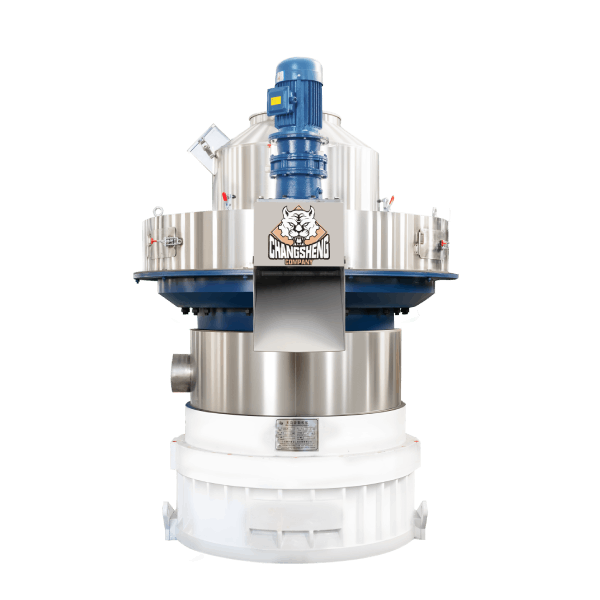
High Quality Pellet Mill: Complete Buyer’s Guide
News 2026-08-26
Page SEO Summary: This comprehensive guide explains what makes a high quality pellet mill—covering key components, quality indicators, premium features, and how to identify the best equipment for your operation.
A pellet mill is a significant investment. Choosing a high quality pellet mill can mean the difference between reliable, efficient production and constant downtime, maintenance issues, and poor pellet quality.
This guide explains what makes a high quality pellet mill, how to identify premium equipment, and why investing in quality pays off.
What Is a High Quality Pellet Mill?
Definition
A high quality pellet mill is a machine built with premium components, precision engineering, and robust construction to deliver reliable performance, consistent pellet quality, and long service life.
What High Quality Means
| Aspect | High Quality | Standard Quality |
|---|---|---|
| Component brands | Premium (ABB, Siemens, SKF) | Standard/Chinese |
| Construction | Heavy-duty, precision | Standard |
| Engineering | Advanced design | Basic |
| Testing | Comprehensive | Basic |
| Automation | Advanced PLC | Simple controls |
| Support | Full service | Limited |
| Life expectancy | 15-20+ years | 8-12 years |
Key Quality Components
1. Motor
| Factor | High Quality | Why Important |
|---|---|---|
| Brand | ABB, Siemens, WEG | Reliability; efficiency |
| Efficiency | IE3 or IE4 | Lower operating cost |
| Protection | IP55 | Dust and moisture resistance |
| Cooling | Adequate | Longer life |
2. Bearings
| Factor | High Quality | Why Important |
|---|---|---|
| Brand | SKF, FAG, NSK | Reliability; long life |
| Size | Oversized | Handles heavy loads |
| Sealing | Premium seals | Contamination protection |
3. Gearbox
| Factor | High Quality | Why Important |
|---|---|---|
| Type | Precision helical/planetary | Efficiency; reliability |
| Gears | Hardened, ground | Longer life |
| Bearings | Premium brands | Reliability |
| Cooling | Oil cooling | Extended life |
4. Die
| Factor | High Quality | Why Important |
|---|---|---|
| Material | Premium alloy (X46Cr13+) | Wear resistance |
| Precision | High precision holes | Pellet quality |
| Heat treatment | Proper treatment | Extended life |
5. Control System
| Factor | High Quality | Why Important |
|---|---|---|
| PLC | Premium brand (Siemens, Allen-Bradley) | Reliability; support |
| HMI | Color touchscreen | Ease of use |
| Features | Full automation | Efficiency |
| Diagnostics | Advanced | Troubleshooting |
Quality Indicators
Visual Inspection
| Indicator | What to Look For |
|---|---|
| Fit and finish | Clean welds; consistent paint; no rough edges |
| Hardware | Premium fasteners; proper torque marks |
| Labeling | Clear; professional; component brands visible |
| Wiring | Neat; labeled; proper conduit |
Documentation
| Document | Why It Matters |
|---|---|
| Component list | Shows brands used |
| Certificates | ISO, CE |
| Warranty | Duration and coverage |
| Manual | Professional; detailed |
| Test reports | Quality verification |
Testing
| Test | High Quality | Standard |
|---|---|---|
| Component testing | 100% tested | Spot checked |
| Assembly testing | Precise | Basic |
| Run test | 4-8 hours | 1-2 hours |
| Load test | Full load | Partial load |
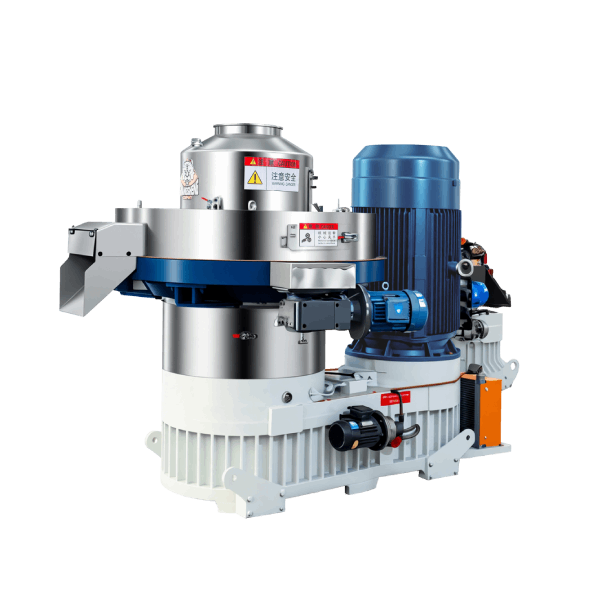
High Quality vs Standard
Comparison Table
| Aspect | High Quality | Standard | Difference |
|---|---|---|---|
| Motor | Premium brand | Standard | 10-20% more |
| Bearings | SKF/FAG | Chinese | 2-3× life |
| Gearbox | Precision | Standard | 2× life |
| Die | Premium alloy | Standard steel | 2× life |
| Control | Premium PLC | Basic | Better features |
| Warranty | 24 months | 12 months | 2× coverage |
| Price | 1.3-1.6× | 1× | Higher initial |
| Life | 15-20 years | 8-12 years | 50% longer |
| Reliability | High | Good | Less downtime |
Cost Difference
| Item | Standard | High Quality | Difference |
|---|---|---|---|
| Purchase price | $50,000 | $75,000 | +$25,000 |
| Annual maintenance | $8,000 | $5,000 | -$3,000 |
| Downtime cost | $10,000 | $2,000 | -$8,000 |
| Die life | 2,000 hours | 4,000 hours | 2× longer |
| Total 5-year cost | $110,000 | $100,000 | -$10,000 |
Why High Quality Pays Off
Benefits
| Benefit | Impact |
|---|---|
| Lower operating costs | Less maintenance, fewer repairs |
| Higher reliability | Less downtime |
| Better pellet quality | Premium product |
| Longer service life | Better ROI |
| Higher resale value | Better asset value |
| Better support | Less headache |
ROI Example
| Factor | Value |
|---|---|
| Premium cost | +$25,000 |
| Annual savings | $5,000-10,000 |
| Payback | 2.5-5 years |
| Additional life | 5+ years |
How to Evaluate Quality
Questions to Ask
| Question | Why Ask |
|---|---|
| “What component brands do you use?” | Quality indicator |
| “What is your quality control process?” | Verification |
| “What testing do you perform?” | Assurance |
| “What is your warranty?” | Confidence |
| “Can I see quality reports?” | Transparency |
| “What is your service history?” | Support |
Factory Visit Checklist
| Item | What to Check |
|---|---|
| Factory floor | Cleanliness; organization |
| Production equipment | Quality of machinery |
| Quality control | Testing procedures |
| Component storage | Organization; conditions |
| Finished goods | Current production quality |
| Documentation | Quality records |
Red Flags
| Red Flag | What It Suggests |
|---|---|
| Unclear component brands | Likely lower quality |
| No quality documentation | No quality system |
| Short warranty | Limited confidence |
| No testing | Potential issues |
| Low price | Quality compromise |
| Vague specifications | May be hiding issues |
Procurement Checklist
Quality Assessment
- □ Component brands identified
- □ Motor brand and efficiency confirmed
- □ Bearing brand confirmed
- □ Gearbox specifications reviewed
- □ Die material confirmed
- □ Control system features reviewed
Documentation
- □ Quality certificates obtained
- □ Component list reviewed
- □ Warranty terms understood
- □ Test reports reviewed
Evaluation
- □ Factory visited or toured virtually
- □ Quality control process reviewed
- □ References contacted
- □ Maintenance requirements understood
Decision
- □ Quality vs price trade-off evaluated
- □ Total cost of ownership calculated
- □ Best value selected
Frequently Asked Questions
1. What makes a pellet mill high quality?
High quality pellet mills use premium components (SKF bearings, ABB motors), have precision engineering, robust construction, and comprehensive testing.
2. How can I identify a high quality pellet mill?
Check component brands, build quality, documentation, warranty, and testing procedures. Premium brands and comprehensive warranties indicate quality.
3. Is a high quality pellet mill worth the extra cost?
Yes. While the initial cost is higher, total cost of ownership is often lower due to reduced maintenance, less downtime, and longer service life.
4. What are the most important components?
Motor, bearings, gearbox, die, and control system are the most critical components. Premium brands in these areas indicate high quality.
5. How much more does a high quality pellet mill cost?
Premium quality typically costs 30-60% more than standard quality. The higher cost is offset by lower operating costs and longer life.
6. What is the typical life of a high quality pellet mill?
With proper maintenance, a high quality pellet mill can last 15-20+ years, compared to 8-12 years for standard quality.
7. How can I verify quality before purchase?
Review component lists, check certifications, request test reports, visit the factory, and contact references.
8. What is the payback period for premium quality?
Typically 2-5 years, considering reduced maintenance, less downtime, and longer service life.
About the Author
Zhang Wei – Senior International Sales Engineer, Shandong Changsheng Machinery Co., Ltd.
Zhang Wei has over 12 years of experience in the biomass and feed pellet mill industry, with a background in mechanical engineering and international project execution. He has helped clients across Southeast Asia, the Middle East, Africa, Europe, and Latin America select high quality pellet mills for their operations.
With hands-on experience in both the manufacturing workshop and client-side operations, Zhang brings practical insights into successful equipment procurement—from the factory floor to the customer’s production site.