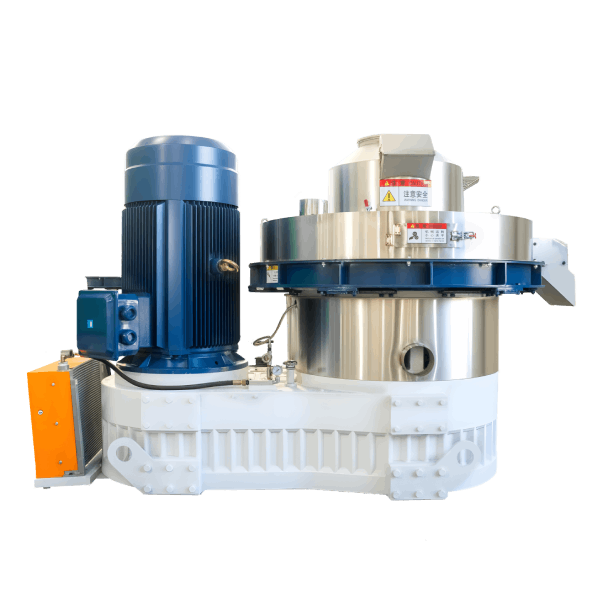
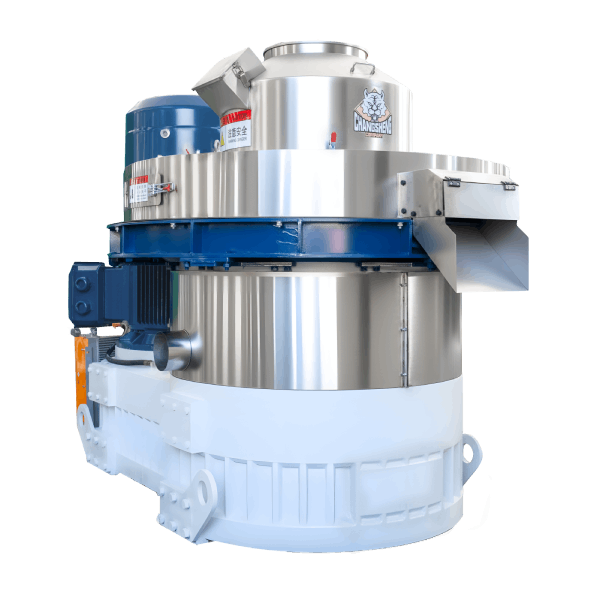
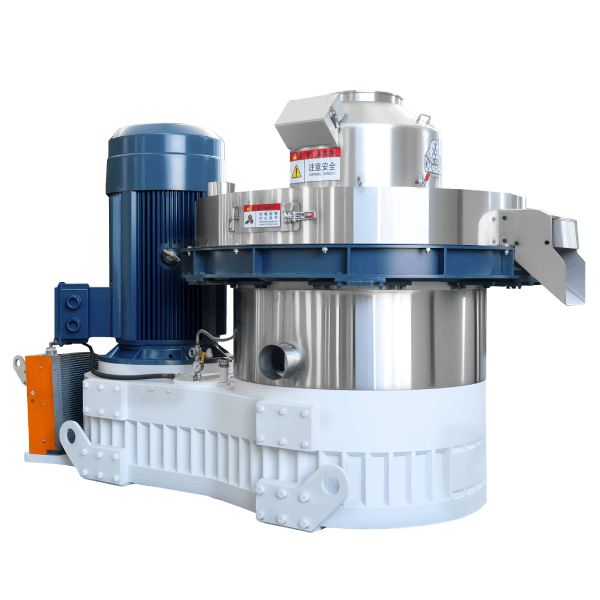
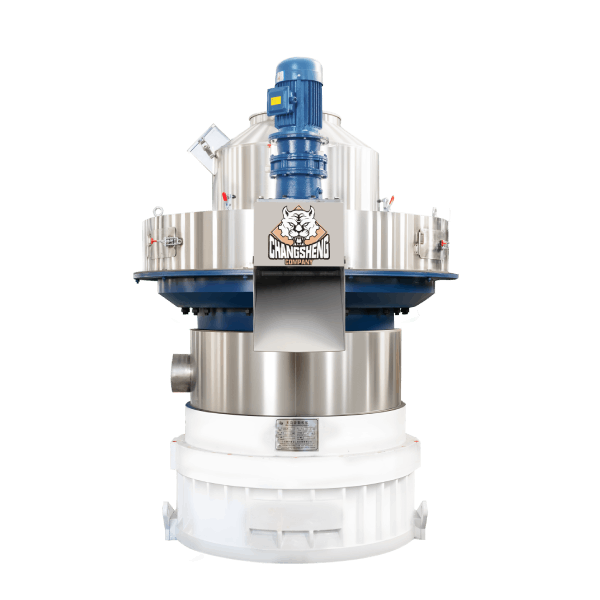
New vs Used Pellet Mill: Complete Comparison Guide
News 2026-08-12
Page SEO Summary: This comprehensive comparison guide helps you decide between new and used pellet mills—covering advantages, costs, risks, assessment methods, and selection criteria.
One of the most common dilemmas in purchasing a pellet mill is whether to buy new or used. New equipment offers reliability and warranty but comes at a premium price. Used equipment can save money upfront but carries potential risks.
This guide provides a comprehensive comparison of new and used pellet mills, helping you make an informed decision based on your budget, needs, and risk tolerance.
Basic Definitions
New Pellet Mill
| Aspect | Detail |
|---|---|
| Condition | Brand new, unused |
| Warranty | Manufacturer warranty included |
| Support | Full manufacturer support |
| Customization | Can be customized |
| Delivery | Usually 4-12 weeks |
| Price | Full retail price |
Used Pellet Mill
| Aspect | Detail |
|---|---|
| Condition | Previously used, worn |
| Warranty | Limited or none |
| Support | Limited or none |
| Customization | As-is condition |
| Delivery | Usually immediate |
| Price | 30-70% of new price |
Detailed Comparison
Cost Comparison
| Aspect | New | Used |
|---|---|---|
| Purchase price | 100% | 30-70% of new |
| Warranty | Yes (12-24 months) | Usually none |
| Installation | May be included | Buyer responsible |
| Repairs | None expected | May need repairs |
| Service life remaining | Full life | Variable |
| Resale value | Lower | Already depreciated |
Quality and Condition
| Aspect | New | Used |
|---|---|---|
| Condition | Brand new | Worn, used |
| Die condition | New | May be worn |
| Rollers condition | New | May be worn |
| Gearbox condition | New | Unknown |
| Motor condition | New | Unknown |
| Bearings | New | May need replacement |
Support and Warranty
| Aspect | New | Used |
|---|---|---|
| Manufacturer warranty | Yes | No |
| Technical support | Full | Limited or none |
| Parts availability | Guaranteed | May be limited |
| Installation support | Often included | Not included |
| Training | Often included | Not included |
Advantages and Disadvantages
New Pellet Mill
Advantages
| Advantage | Why It Matters |
|---|---|
| Reliability | New machine, no wear |
| Warranty | Protection against defects |
| Full service life | Expected 10-15+ years |
| Latest technology | Modern features and efficiency |
| Customization | Configured to your needs |
| Installation support | Manufacturer help |
| Training | Operator training included |
| Peace of mind | No unknown issues |
Disadvantages
| Disadvantage | Impact |
|---|---|
| Higher cost | Significant upfront investment |
| Depreciation | Immediate value loss |
| Delivery time | 4-12 weeks wait |
| Financing | May need financing |
Used Pellet Mill
Advantages
| Advantage | Why It Matters |
|---|---|
| Lower cost | 30-70% savings |
| Immediate availability | No waiting |
| Less depreciation | Already depreciated |
| Proven design | Known performance |
| Spare parts | Often available |
Disadvantages
| Disadvantage | Impact |
|---|---|
| Unknown condition | Hidden issues |
| No warranty | No protection |
| Shorter service life | Less remaining life |
| May need repairs | Additional cost |
| Worn components | May need replacement |
| Outdated technology | Less efficient |
| No support | No manufacturer help |
| No training | Must learn on own |
Cost Analysis
Initial Cost Comparison
| Machine Type | New Price | Used Price (Typical) | Savings |
|---|---|---|---|
| Small flat die | $1,000-3,000 | $500-1,500 | 30-50% |
| Medium flat die | $3,000-8,000 | $1,500-4,000 | 30-50% |
| Small ring die | $8,000-20,000 | $4,000-12,000 | 30-40% |
| Medium ring die | $20,000-50,000 | $10,000-30,000 | 30-40% |
| Large ring die | $50,000-150,000 | $25,000-80,000 | 30-50% |
Total Cost of Ownership (5 Years)
| Cost Item | New | Used |
|---|---|---|
| Purchase price | $50,000 | $25,000 |
| Repairs (year 1-2) | $0-2,000 | $2,000-8,000 |
| Die replacement | $2,000-4,000 | $2,000-4,000 |
| Roller replacement | $1,000-2,000 | $1,000-2,000 |
| Maintenance | $3,000-5,000 | $5,000-10,000 |
| Downtime cost | Minimal | Possible (higher) |
| Total 5-year cost | $56,000-61,000 | $35,000-49,000 |
| Net savings | — | $7,000-26,000 |
When Used Is Actually More Expensive
| Scenario | Why |
|---|---|
| Major repairs needed | Gearbox, motor replacement |
| Frequent downtime | Lost production |
| Poor efficiency | Higher operating costs |
| No support | Troubleshooting issues |
Risk Assessment
Used Pellet Mill Risks
| Risk | Likelihood | Impact | Mitigation |
|---|---|---|---|
| Worn die | High | Medium | Inspect carefully; budget for new die |
| Worn bearings | Moderate | High | Listen for noise; check play |
| Gearbox issues | Moderate | High | Check oil; listen for noise |
| Motor problems | Low-Moderate | High | Check electrical; run test |
| Hidden damage | Low-Moderate | High | Thorough inspection |
| No documentation | High | Medium | Request records |
Risk Mitigation Checklist
| Action | Purpose |
|---|---|
| Inspect in person | See actual condition |
| Test run | Verify operation |
| Check oil and lubricants | Detect contamination |
| Listen for unusual noise | Identify problems |
| Check die wear | Assess remaining life |
| Request maintenance records | Know history |
| Get professional inspection | Expert assessment |
Used Pellet Mill Assessment
What to Inspect
| Component | What to Check | Warning Signs |
|---|---|---|
| Die | Hole wear; surface condition | Enlarged holes; cracks |
| Rollers | Wear; bearing play | Excessive wear; noise |
| Gearbox | Oil condition; noise | Metal particles; grinding |
| Motor | Electrical; bearings | Noise; overheating |
| Bearings | Play; noise | Wobble; grinding |
| Frame | Cracks; damage | Welds; bending |
| Controls | Function | Malfunctions |
Test Run Checklist
| Test | What to Observe |
|---|---|
| Startup | Smooth start? Unusual noise? |
| Idle | Vibration? Noise level? |
| Load test | Performance? Amperage? |
| Pellet quality | Durability? Consistency? |
| Temperature | Overheating? |
Questions to Ask Seller
| Question | Why Ask |
|---|---|
| “Why are you selling?” | Reason for sale |
| “How many hours has it run?” | Usage history |
| “What maintenance has been done?” | Care history |
| “What parts have been replaced?” | Component condition |
| “Can I see it running?” | Verify operation |
| “Do you have the manual?” | Documentation |
| “What is the die condition?” | Major cost item |
Decision Framework
Questions to Ask Yourself
| Question | Why It Matters |
|---|---|
| “What is your budget?” | Determines options |
| “What is your risk tolerance?” | Used has more risk |
| “Do you need warranty?” | Protection need |
| “Do you have mechanical skills?” | Repair ability |
| “Is downtime costly?” | Reliability need |
| “Can you inspect the equipment?” | Assessment ability |
Decision Matrix
| If You | Choose |
|---|---|
| Need reliability, have budget | New |
| Want warranty, peace of mind | New |
| Limited budget, some risk tolerance | Used |
| Have mechanical skills | Used (can repair) |
| Can inspect thoroughly | Used |
| Need immediate delivery | Used |
| Commercial operation, critical | New |
Procurement Checklist
New Purchase
- □ Specifications defined
- □ Supplier selected
- □ Warranty confirmed
- □ Delivery date confirmed
- □ Training included
- □ Installation support confirmed
Used Purchase
- □ Machine inspected
- □ Test run completed
- □ Die condition assessed
- □ Maintenance records reviewed
- □ Price negotiated
- □ No warranty understood
- □ Repair budget allocated
Final Decision
- □ New vs used decision made
- □ Budget confirmed
- □ Purchase completed
Frequently Asked Questions
1. Is it better to buy a new or used pellet mill?
It depends on your budget, risk tolerance, and needs. New offers reliability and warranty. Used offers savings but more risk.
2. How much can I save with a used pellet mill?
Typically 30-70% of the new price. Savings depend on the machine’s age, condition, and local market.
3. What are the risks of buying a used pellet mill?
Risks include worn components (die, rollers, bearings), gearbox issues, motor problems, no warranty, and unknown maintenance history.
4. How do I inspect a used pellet mill?
Check the die, rollers, gearbox (oil and noise), motor, bearings, frame, and controls. Do a test run if possible.
5. Should I buy a used pellet mill without a test run?
Not recommended. Always try to see the machine running or get a professional inspection.
6. What is the most expensive part to replace?
The die and gearbox are the most expensive components. Check these carefully.
7. When is a used pellet mill a good deal?
When it has low hours, good maintenance history, and the price is 40-50% of new. Even better if a new die is included.
8. When is a used pellet mill a bad deal?
When it needs major repairs (gearbox, motor), has excessive wear, unknown history, and the price is close to new.
About the Author
Zhang Wei – Senior International Sales Engineer, Shandong Changsheng Machinery Co., Ltd.
Zhang Wei has over 12 years of experience in the biomass and feed pellet mill industry, with a background in mechanical engineering and international project execution. He has helped clients across multiple regions make informed decisions about new and used pellet mill purchases.
With hands-on experience in both the manufacturing workshop and client-side operations, Zhang brings practical insights into successful equipment procurement—from the factory floor to the customer’s site.