Cotton Stalk Pellet Machine: Drying, Grinding & Pellet Production
News 2026-06-03
Cotton stalk is a woody agricultural residue with long fibers, variable moisture, and potential soil contamination after harvesting. Its fiber structure affects shredding, grinding, feeding, and pelletizing, so the production line must be configured differently from a typical sawdust pellet line. A cotton stalk pellet machine is therefore part of a preprocessing-heavy system, not a standalone machine.
This guide is written for cotton farms, cotton gins, agricultural waste processors, industrial boiler fuel users, and biomass pellet producers. It covers cotton stalk characteristics, collection and cleaning, drying, shredding, grinding, lint removal, machine configuration, production process, pellet quality, capacity, applications, common problems, buying guide, and FAQ. For generic pellet mill selection, see the separate pellet mill guide on this site.
What Is a Cotton Stalk Pellet Machine?
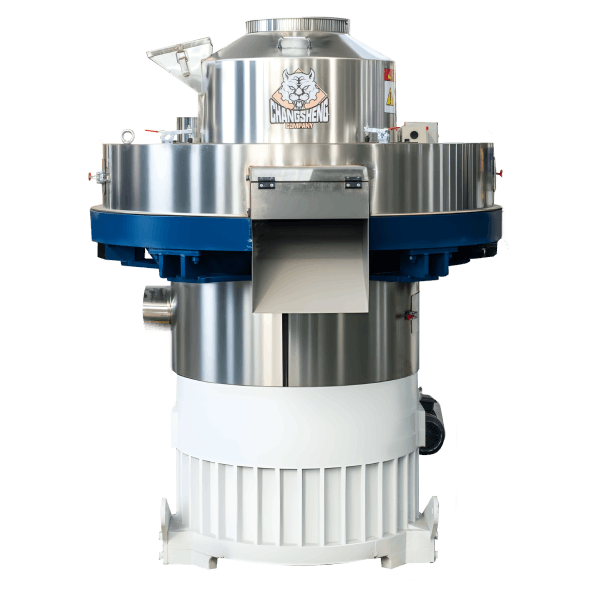
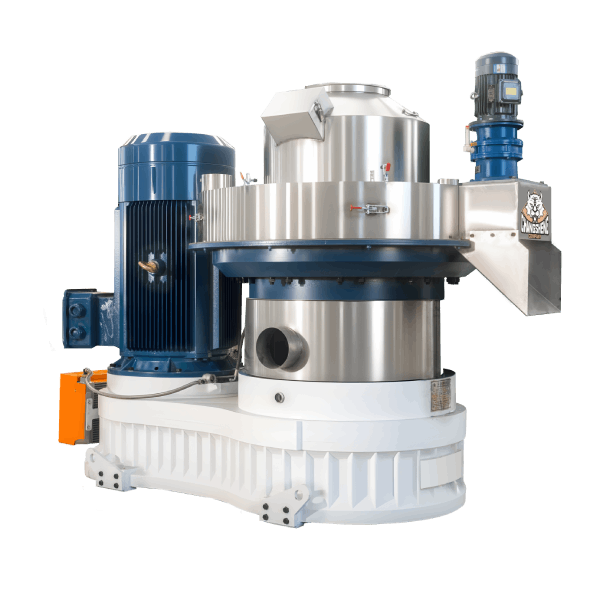
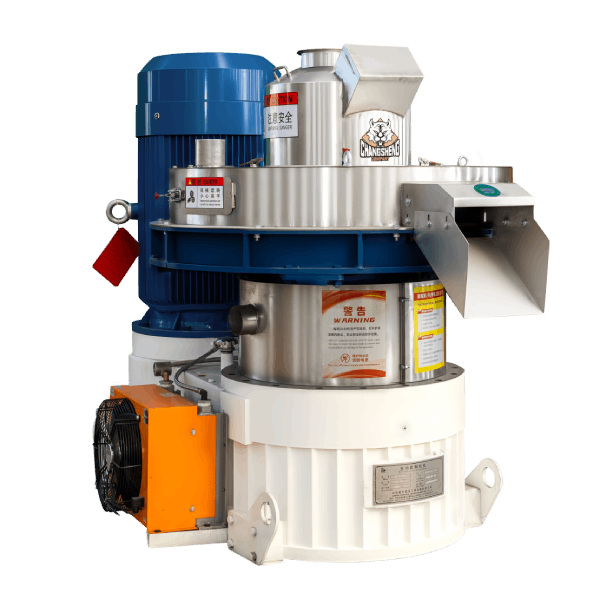
A cotton stalk pellet machine is a ring die densification system configured to compress dried, shredded, and ground cotton stalk into fuel pellets. It is used to convert post-harvest cotton stalk into a transportable and storable fuel.
Cotton Stalk as Agricultural Residue
Cotton stalk is the woody stem left after cotton harvesting. It is produced in large volume wherever cotton is grown, and it is often burned in the field or disposed of. Pelletizing offers a way to recover its energy value.
Sources from Farms and Cotton Gins
Cotton stalk is collected from farms after harvest and from cotton gins where stalk and lint residues are separated. Material from gins may contain more lint, while material from fields may contain more soil and sand. Both sources should be evaluated separately.
Cotton Stalk vs Wood Biomass
Cotton stalk is harder and more fibrous than typical wood biomass. It requires shredding before grinding, more grinding energy, and more attention to feeder design. Long fibers, lint, and soil contamination are the main differences from wood.
Cotton Stalk Characteristics
Long Fibers
Cotton stalk contains long fibers that tangle during handling and wrap around rotating parts. Shredding before grinding reduces fiber length and improves feeding stability.
Woody Structure
Cotton stalk is woody and dense. It is harder to grind than straw or hay, and requires more motor power and more hammer wear for the same output.
Moisture Variation
Fresh cotton stalk can have moisture around 30 to 40 percent. Field-dried stalk is often around 15 to 25 percent. Moisture varies by region, season, and storage condition, and directly affects drying requirement, grinding energy, and pellet quality.
Soil and Sand Contamination
Cotton stalk is cut close to the ground, so soil and sand often remain on the material. Mineral contamination accelerates die and roller wear. Cleaning and sand removal before grinding are strongly recommended.
Cotton Lint
Cotton lint is the main difference between cotton stalk and other agricultural residues. Lint wraps around roller shafts, conveyor bearings, and feeder screws. Lint also causes bridging in the feeder. Lint removal before grinding is part of stable operation.
Cotton Stalk Collection and Cleaning
Field Collection
Cotton stalk is collected after harvest, often after baling or chopping. Collection method affects contamination level and moisture.
Soil Removal
Soil is removed by screening and shaking. Soil removal reduces die wear and improves pellet quality.
Stone Removal
Stones are removed by air classification or gravity separation. This step is important when stalks are collected close to the ground.
Cotton Lint Removal
Lint is removed by air classification or mechanical separation. Lint removal reduces wrapping around shafts and feeder screws.
Magnetic Separation
Magnetic separators remove ferrous metal such as wire and nails. Double-stage separation is common in commercial lines.
Cotton Stalk Drying
Fresh Cotton Stalk
Fresh stalk moisture is often around 30 to 40 percent. This material requires drying before grinding and pelletizing.
Field-Dried Cotton Stalk
Field-dried stalk is often around 15 to 25 percent moisture. In dry climates, field drying may reduce moisture enough for direct grinding, depending on target pellet quality.
Sun Drying
Sun drying is possible in dry climates and can reduce moisture over 5 to 10 days. It requires large drying area and depends on weather.
Rotary Drying
A rotary dryer is recommended when moisture is above 20 percent, or when weather does not allow sun drying. Dryer inlet temperature should be controlled to avoid burning the stalk.
Moisture Before Pelletizing
Typical target moisture before pelletizing is around 10 to 18 percent. This range depends on stalk source, storage condition, die compression ratio, and machine configuration. The exact target should be confirmed with a pelletizing test.
Cotton Stalk Shredding and Grinding
Why Cotton Stalk Needs Shredding
Cotton stalk is long and fibrous. Shredding before grinding reduces fiber length, improves feeding stability, and reduces hammer mill overload. Without shredding, long fibers wrap around shafts and block the feeder.
Hammer Mill Selection
Hammer mill selection should match stalk hardness, fiber length, and target particle size. A 4 to 6 mm screen is common. Motor power should account for higher grinding load compared with wood.
Screen Size
Screen size affects final particle size and grinding energy. A 5 to 6 mm screen is often used for cotton stalk. Finer screens increase grinding energy and hammer wear.
Long-Fiber Problems
Long fibers cause tangling, wrapping, and bridging. Shredding before grinding, and a feeder designed for fibrous material, are the main solutions.
Hammer Wear
Hammer wear is faster with cotton stalk than with wood. Hammer inspection intervals of around 80 to 100 hours are common in commercial cotton stalk grinding, compared with around 200 hours for wood, depending on stalk condition and hammer quality.
Grinding Energy
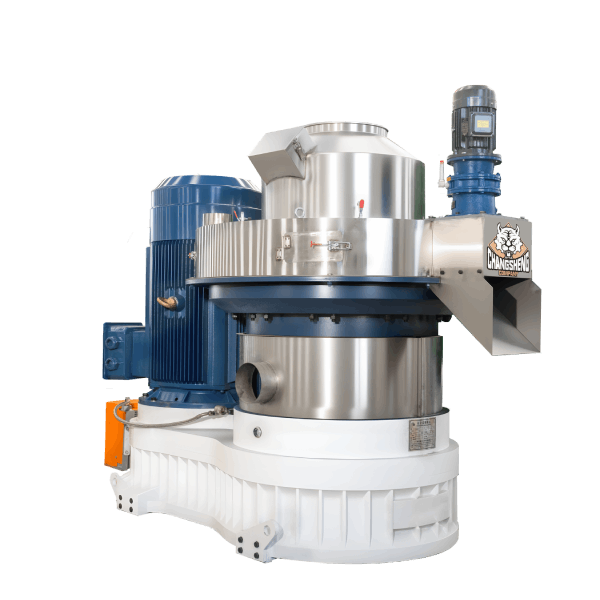
Cotton stalk requires more grinding energy than wood. A hammer mill may draw significantly more current when grinding cotton stalk than when grinding wood at the same screen size. Where stalk volume is high, a parallel hammer mill configuration may be used to maintain throughput and reduce single-mill load.
Cotton Lint and Feeder Problems
How Lint Wraps Around Equipment
Lint wraps around roller shafts, conveyor bearings, and feeder screws. Over time, lint buildup causes vibration, overheating, and bearing failure.
Lint Removal
Lint is removed by air classification or mechanical separation before grinding. Removing lint early reduces maintenance and improves feeding stability.
Feeder Bridging
Cotton stalk is woody and low in bulk density, often in the range of about 120 to 180 kg/m³ depending on moisture, particle size, and stalk origin. This range should be confirmed with a laboratory test for your material. Low bulk density causes bridging in the feeder. Feeder design should prevent material from arching and blocking the screw.
Breaker Shaft
A horizontal breaker shaft with finger plates helps break up bridging and provides more uniform feeding.
Variable-Pitch Screw
A variable-pitch screw with a wider inlet improves feeding of low bulk density material. The feeder diameter may need to be larger than for wood.
Cotton Stalk Pellet Mill Configuration
Ring Die
Ring die machines are used for commercial cotton stalk pellet production. Die hole diameter, taper, and compression ratio must be selected for cotton stalk, not for wood. Die material and heat treatment should be selected for abrasive service.
Roller
Roller shells should be selected for high abrasion. Hardfacing or carbide overlay extends roller life. Roller clearance should be checked regularly.
Feeder
Feeder design must prevent bridging and lint wrapping. A horizontal breaker shaft, variable pitch screw, and hopper vibrator may be required.
Hammer Mill
Hammer mill selection should match stalk hardness and target particle size. Screen size, hammer type, and motor power all affect grinding performance and energy consumption.
Dryer
A rotary dryer is recommended when moisture is above 20 percent, or when weather does not allow sun drying. Dryer inlet temperature should be controlled.
Cooler
Cooling hardens pellets and reduces fines. Cooling requirement depends on pellet diameter, initial pellet temperature, and ambient conditions.
Cotton Stalk Pellet Production Process
Cotton stalk pellet production typically follows this sequence: cotton stalk collection, cleaning, drying, shredding, grinding, lint removal, pelletizing, cooling, and screening.
Cleaning removes soil, stones, and metal. Drying reduces moisture to the target range. Shredding reduces fiber length. Grinding reduces particle size. Lint removal prevents wrapping and bridging. Pelletizing forms pellets. Cooling hardens pellets. Screening removes fines and oversize.
Each step is included for a specific reason. Skipping shredding, lint removal, or moisture control is a common cause of short die life and unstable output.
Cotton Stalk Pellet Quality
Moisture
Finished cotton stalk pellets typically have moisture around 8 to 10 percent. Moisture above this range reduces fuel value and increases mold risk.
Density
Bulk density of cotton stalk pellets is typically in the range of about 1,000 to 1,200 kg/m³, depending on compression and material.
Durability
Durability depends on lignin content, compression ratio, moisture, and cooling. Cotton stalk pellets are generally less durable than premium wood pellets and should be handled accordingly.
Ash
Ash content of cotton stalk is typically in the range of 8 to 15 percent. This range depends on stalk source and soil contamination, and should be confirmed by laboratory test. Ash affects boiler design and ash handling.
Pellet Diameter
Common pellet diameters are 6, 8, 10, and 12 mm, depending on boiler feeding system and application.
Fuel Performance
Cotton stalk pellets have calorific value in a similar range to wood, typically around 16 to 18 MJ/kg, depending on stalk source and ash content. Higher ash reduces fuel value and increases ash handling cost. These values should be confirmed by laboratory test for your specific stalk.
Cotton Stalk Pellet Machine Capacity
Capacity is not a fixed number. It depends on moisture, bulk density, particle size, fiber length, motor power, die specification, and feed rate.
Rated capacity is only meaningful when material, moisture, particle size, pellet diameter, and die specification are stated. Actual capacity is usually lower than rated capacity because of stalk hardness, fiber length, moisture variation, and feeder stability.
Typical commercial cotton stalk pellet lines range from about 0.5 to 3 t/h, depending on configuration and stalk condition. Smaller lines are used by farms and gins processing their own stalk, while larger lines are used by industrial fuel producers. The exact capacity for your project should be confirmed with test data at your actual stalk condition.
A capacity margin of about 20 to 30 percent above the calculated requirement is a practical starting point. The exact margin depends on material consistency and operating hours.
Cotton Stalk Pellet Applications
Cotton farms: converting stalk into fuel for own use or sale.
Cotton gins: managing stalk and lint waste and reducing disposal cost.
Agricultural waste processors: producing pellets from local residues.
Industrial boilers: supplying pellets to industrial customers with ash handling systems.
Biomass fuel producers: adding cotton stalk pellets to product range for specific markets.
These applications are common in cotton-producing regions such as India, China, the United States, Brazil, Pakistan, Uzbekistan, and Turkey, where stalk supply is concentrated.
Common Cotton Stalk Pelletizing Problems
Long fibers: cause tangling, wrapping, and bridging. Shredding before grinding and correct feeder design are recommended.
Grinding overload: caused by stalk hardness and fiber length. Motor sizing, screen size, and shredding should be reviewed.
Lint wrapping: wraps around roller shafts and feeder screws. Lint removal is required.
Feeder bridging: caused by low bulk density and fibrous structure. Feeder design should be adapted.
Soil contamination: accelerates die and roller wear. Cleaning and air classification are recommended.
Moisture fluctuation: causes unstable output and poor pellet quality. Moisture should be monitored before pelletizing.
How to Choose a Cotton Stalk Pellet Machine
Annual stalk volume: determines required capacity and operating hours.
Moisture: determines drying requirement.
Fiber length: determines shredding and grinding requirement.
Soil contamination: determines cleaning and air classification requirement.
Required grinding size: determines hammer mill specification.
Target capacity: determines pellet mill type and motor power.
Pellet diameter: determines die specification.
Final fuel application: determines pellet quality and boiler compatibility requirements.
These eight inputs are enough to recommend a suitable configuration.
Frequently Asked Questions
Can cotton stalk be made into pellets?
Yes. Cotton stalk can be pelletized into fuel pellets with a ring die pellet machine configured for hard, fibrous, and abrasive material.
Does cotton stalk need drying?
In most cases, yes. Fresh stalk moisture is often around 30 to 40 percent, and field-dried stalk is often around 15 to 25 percent. Target moisture before pelletizing is typically around 10 to 18 percent. Drying is required when moisture is above the suitable range.
What moisture is suitable?
Typical target moisture before pelletizing is around 10 to 18 percent. This range depends on stalk source, storage condition, die compression ratio, and machine configuration. The exact target should be confirmed with a pelletizing test.
Why is cotton stalk difficult to grind?
Cotton stalk is woody and fibrous. It is harder than straw or hay and requires more grinding energy and more hammer wear. A 5 to 6 mm screen and correctly sized motor are recommended.
Does cotton stalk need shredding?
Yes. Shredding before grinding reduces fiber length, improves feeding stability, and reduces hammer mill overload. Without shredding, long fibers wrap around shafts and block the feeder.
How can cotton lint be removed?
Lint is removed by air classification or mechanical separation before grinding. Removing lint early reduces wrapping, bridging, and bearing wear.
Can cotton stalk be mixed with sawdust?
Yes. Mixing stalk with sawdust reduces ash content and may extend die life. The mix ratio should be consistent and confirmed with a pelletizing test.
What pellet diameter is suitable?
Common diameters are 6, 8, 10, and 12 mm, depending on boiler feeding system and application. Industrial boilers usually accept 8 to 12 mm.
What capacity pellet machine is needed?
Calculate annual stalk volume divided by annual operating hours, then add a capacity margin of about 20 to 30 percent. The exact margin depends on stalk consistency and operating hours. Actual capacity depends on stalk hardness, moisture, particle size, fiber length, and die specification.
Can cotton stalk pellets be used in industrial boilers?
Yes, in industrial boilers with ash removal systems. They are not recommended for home pellet stoves because of higher ash content. Expected die life and pellet performance should be confirmed with test data at your stalk condition. Die life varies widely by stalk source and contamination level, so it should not be assumed from a general figure.
Author Introduction
This article was prepared by a technical content specialist with over ten years of experience in industrial equipment, agricultural residue processing machinery, and B2B export projects. The author has worked with cotton stalk pellet projects in cotton-producing regions such as India, China, the United States, Brazil, Pakistan, Uzbekistan, and Turkey, including high-fiber and high-soil stalk, and understands the practical challenges buyers face in collection, drying, shredding, grinding, lint removal, die selection, and dust safety.
The content reflects real engineering practice in cotton stalk pellet machine selection, feedstock preparation, grinding energy management, and project execution. It is intended to help cotton farms, cotton gins, agricultural waste processors, and pellet producers make informed decisions and reduce project risk. The author is affiliated with Shandong Changsheng Machinery Co., Ltd.
Call to Action
If you are planning a cotton stalk pellet project and need help confirming shredding, grinding, drying, lint removal, machine configuration, die selection, or spare parts plan, you can request a technical proposal based on your cotton stalk and required output. Share your stalk volume, moisture, fiber length, soil contamination level, target capacity, pellet diameter, power supply, and final fuel application, and a suitable configuration can be recommended.
You can also request a quotation for a cotton stalk pellet machine for sale, ask for a process flow diagram, request a spare parts list, or arrange a video factory inspection before making a final decision. If you have a cotton stalk sample, a pelletizing test can be arranged to confirm die selection and expected performance under your actual material conditions.