What Is the Best Wood for Pellets: Complete Guide

News 2026-08-05

Page SEO Summary: This comprehensive guide helps you choose the best wood for pellets—comparing softwood vs hardwood, key properties, and quality factors for optimal pellet production.

Choosing the right wood for pellet production is one of the most important decisions in making high-quality pellets. The type of wood affects calorific value, ash content, pellet durability, and overall production efficiency.

This guide provides a comprehensive overview of different wood types for pellet production, helping you make informed decisions about raw material selection.


Overview: Wood Types for Pellets

Two Main Categories

CategoryExamplesKey Characteristics
SoftwoodPine, spruce, fir, larchLower density, higher resin, easier to pelletize
HardwoodOak, beech, birch, mapleHigher density, lower resin, harder to pelletize
Mixed woodCombination of bothBalanced properties

Common Woods Used for Pellets

Wood TypeCategoryAvailabilityPellet Quality
PineSoftwoodVery commonExcellent
SpruceSoftwoodVery commonExcellent
FirSoftwoodCommonExcellent
LarchSoftwoodModerateExcellent
OakHardwoodCommonVery good
BeechHardwoodCommonVery good
BirchHardwoodModerateVery good
MapleHardwoodModerateVery good
MixedCombinationVery commonGood to excellent

Key Wood Properties

Critical Properties for Pellet Production

PropertyWhy It MattersSoftwoodHardwood
Calorific valueHeat content16.5-18 MJ/kg17-19 MJ/kg
DensityPellet density; handling350-500 kg/m³550-750 kg/m³
Lignin contentNatural binder25-30%20-25%
Resin contentAffects bindingHigherLower
Ash contentCombustion quality0.3-0.8%0.5-1.0%
MoistureDrying requirement40-60%40-60%

Softwood vs Hardwood Comparison

ParameterSoftwoodHardwoodWinner
Calorific value16.5-18 MJ/kg17-19 MJ/kgHardwood
Lignin content25-30%20-25%Softwood
Resin contentHigherLowerHardwood (cleaner)
Pellet durabilityExcellentVery GoodSoftwood
Ash content0.3-0.8%0.5-1.0%Softwood
Ease of pelletizingEasierHarderSoftwood
AvailabilityWidely availableWidely availableTie

Softwood vs Hardwood: Detailed Comparison

Softwood Pellets

AdvantageExplanation
Higher ligninBetter natural binding; easier to pelletize
Lower ashCleaner combustion; less maintenance
Better durabilityStronger, denser pellets
Easier processingLess wear on equipment
Better for residential heatingLower ash means less cleaning

Hardwood Pellets

AdvantageExplanation
Higher calorific valueMore heat per kg
Higher densityMore energy per volume
Lower resin contentLess emissions
Better for some applicationsLonger burn time

Real-World Performance

AspectSoftwoodHardwood
Heat outputGoodHigher
Ash productionLowHigher
Pellet durabilityExcellentVery Good
StorageGoodGood
EmissionsLowModerate
PriceLowerHigher

Best Wood by Application

Residential Heating

RecommendationReason
SoftwoodLower ash; less cleaning
Pine or spruceExcellent quality; widely available
Premium softwood pelletsENplus A1 certified

Industrial/Power Generation

RecommendationReason
Softwood or hardwoodBoth suitable
Mixed woodCost-effective
Lower grade OKIndustrial boilers more tolerant

Feed Pellet Production

RecommendationReason
Not used for feedWood not suitable for animal feed
Biomass onlyFor energy applications only

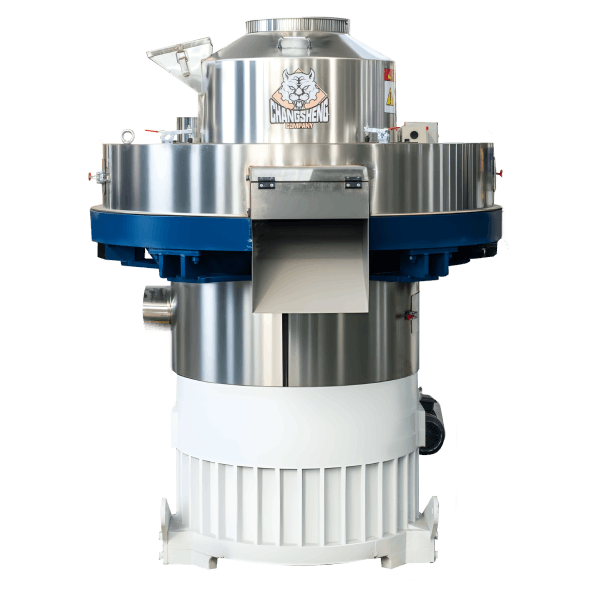
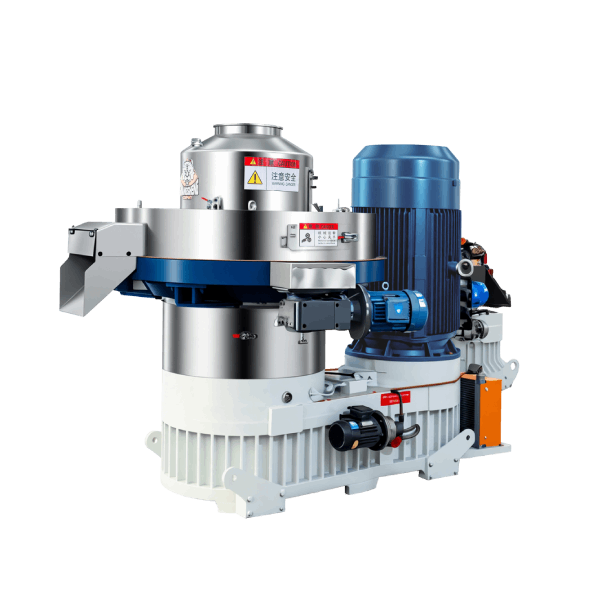
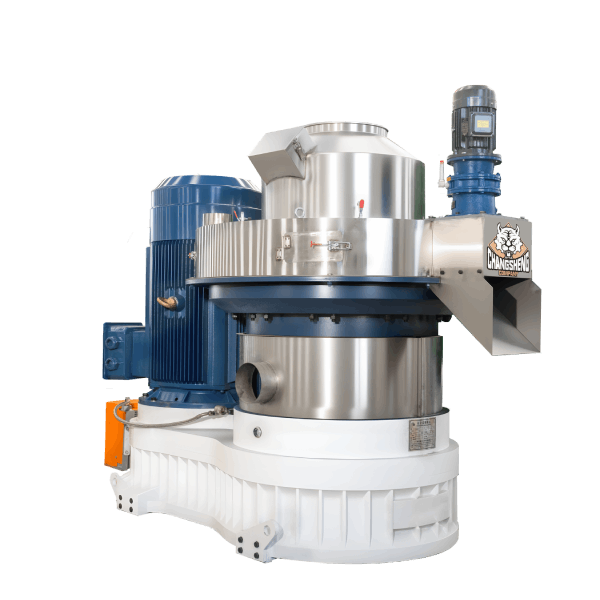
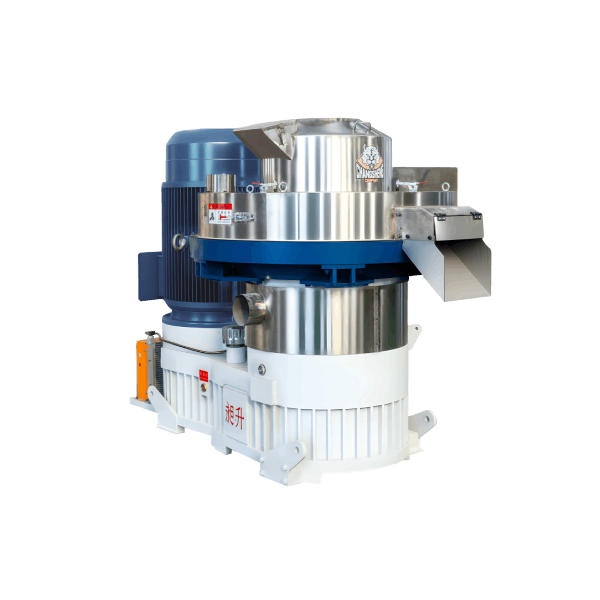
pellet mill

Other Factors Affecting Wood Quality

Moisture Content

MoistureEffectRecommendation
<10%Too dry; poor bindingNot ideal
10-12%Optimal for wood pelletsBest
12-15%AcceptableStill good
>15%Requires dryingNot ideal

Bark Content

BarkEffect
Low (<5%)Best; highest quality
Moderate (5-10%)Acceptable; slightly higher ash
High (>10%)Lower quality; higher ash; more maintenance

Sapwood vs Heartwood

TypeCharacteristicPellet Quality
SapwoodLower density; lower extractivesGood
HeartwoodHigher density; more extractivesExcellent

Mixing Woods

MixEffectRecommendation
Pure softwoodBest quality; lower ashPremium pellets
Pure hardwoodHigher energy; higher ashGood quality
Mixed 50/50Balanced propertiesGood quality
Hardwood + softwoodBetter binding + higher energyExcellent balance

Wood Availability by Region

Europe

RegionCommon WoodsBest Choice
NordicPine, spruce, birchPine/spruce
CentralSpruce, beech, oakSpruce
SouthernPine, oakPine

North America

RegionCommon WoodsBest Choice
Pacific NorthwestDouglas fir, pineFir/pine
SoutheastPine, oakPine
NortheastSpruce, fir, mapleSpruce/fir

Other Regions

RegionCommon WoodsBest Choice
South AmericaPine, eucalyptusPine
AsiaPine, rubberwoodPine
OceaniaPine, eucalyptusPine

Quality Grades

European ENplus Standards

GradeAsh ContentMoistureCalorific ValueBest Wood
ENplus A1<0.7%<10%>16.5 MJ/kgPremium softwood
ENplus A2<1.2%<10%>16.5 MJ/kgGood softwood
ENplus B<2.0%<10%>16.5 MJ/kgMixed/hardwood

Pellet Quality by Wood Type

WoodENplus GradeQuality
Pine/spruceA1Excellent
FirA1/A2Excellent
LarchA1/A2Excellent
BirchA2/BVery good
BeechA2/BVery good
OakBGood
MixedBGood

Wood Selection Decision Framework

Factors to Consider

FactorWeightConsideration
AvailabilityHighWhat’s available locally?
CostHighWhat’s most economical?
QualityHighWhat quality do you need?
EquipmentModerateWhat can your equipment handle?
MarketHighWhat does your market want?
Processing easeModerateHow easy is it to pelletize?

Decision Matrix

SituationBest ChoiceReason
Premium residential pelletsSoftwood (pine/spruce)Lowest ash; best durability
Industrial pelletsMixed or hardwoodCost-effective
Local heatingWhat’s availableLocal supply
Export marketENplus A1 softwoodPremium market
Budget-consciousMixed woodLower cost

Procurement Checklist: Wood Selection

Wood Assessment

  • □ Wood type identified
  • □ Moisture content measured
  • □ Bark content assessed
  • □ Lignin content considered
  • □ Ash content estimated

Quality Requirements

  • □ Target pellet quality (ENplus grade) defined
  • □ Calorific value requirement confirmed
  • □ Ash content limit established
  • □ Durability requirement known

Supply Assessment

  • □ Supply availability confirmed
  • □ Cost estimated
  • □ Seasonality considered
  • □ Storage capacity confirmed

Equipment Compatibility

  • □ Pellet mill configuration suitable
  • □ Die specification appropriate
  • □ Hammer mill adequate

Frequently Asked Questions

1. What is the best wood for making pellets?

Premium softwoods like pine and spruce are generally considered the best. They have high lignin content (good binding), low ash content (clean burning), and excellent pellet durability.

2. Is softwood or hardwood better for pellets?

Softwood is generally better for pellets because it has higher lignin content (better binding), lower ash content (cleaner burning), and is easier to pelletize. Hardwood has slightly higher calorific value but produces more ash.

3. Can I mix softwood and hardwood?

Yes. Mixing softwood and hardwood can provide balanced properties. Softwood provides better binding; hardwood adds higher energy content.

4. What is the most important wood property for pellet quality?

Lignin content is one of the most important. Higher lignin means better natural binding, which produces stronger, more durable pellets.

5. Does bark affect pellet quality?

Yes. Bark increases ash content and reduces pellet quality. For premium pellets, bark content should be <5%. Lower grade pellets may tolerate more.

6. What moisture content is best for wood pellets?

The optimal moisture content for wood pellet production is 10-12%. Too dry or too wet affects pellet quality and production efficiency.

7. Can any wood be made into pellets?

Most wood types can be made into pellets. However, softwoods are easiest to pelletize due to higher lignin content. Some hardwoods may require more processing.

8. What wood is best for ENplus A1 pellets?

Premium softwoods like pine, spruce, and fir are best for ENplus A1 pellets. They meet the strict ash content (<0.7%) and durability requirements.


About the Author

Zhang Wei – Senior International Sales Engineer, Shandong Changsheng Machinery Co., Ltd.

Zhang Wei has over 12 years of experience in the biomass and feed pellet mill industry, with a background in mechanical engineering and international project execution. He has helped clients across Southeast Asia, the Middle East, Africa, Europe, and Latin America select optimal raw materials for pellet production.

With hands-on experience in both the manufacturing workshop and client-side operations, Zhang brings practical insights into successful pellet production—from wood selection to finished pellets.