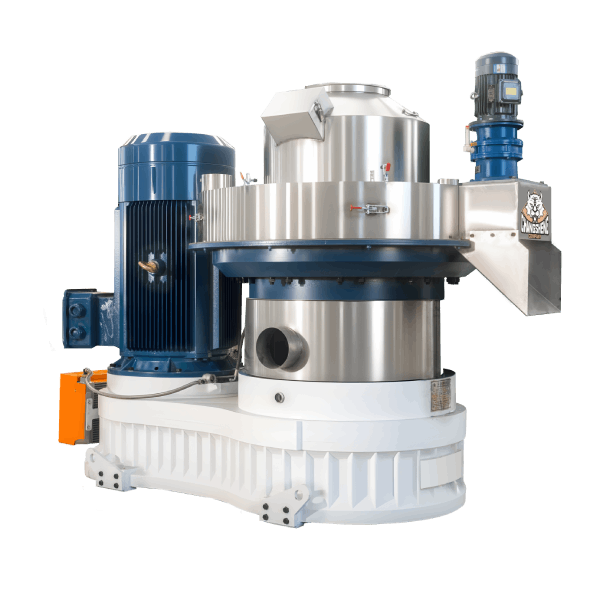
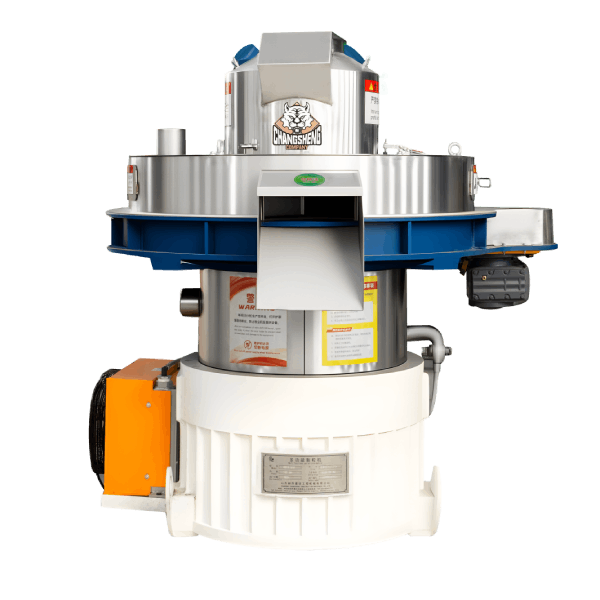
Sustainable Energy Pellet Machine: Complete Green Energy Guide
News 2026-08-22
Page SEO Summary: This comprehensive guide covers sustainable energy pellet machines—how they create renewable fuel, environmental benefits, and selection criteria for green energy production.
Sustainable energy pellet machines are at the heart of the transition to renewable biomass energy. By converting organic waste materials into clean-burning fuel pellets, these machines help reduce dependence on fossil fuels and lower carbon emissions.
This guide provides a comprehensive overview of sustainable energy pellet machines, helping you understand their role in renewable energy and how to choose the right equipment.
What Is a Sustainable Energy Pellet Machine?
Basic Definition
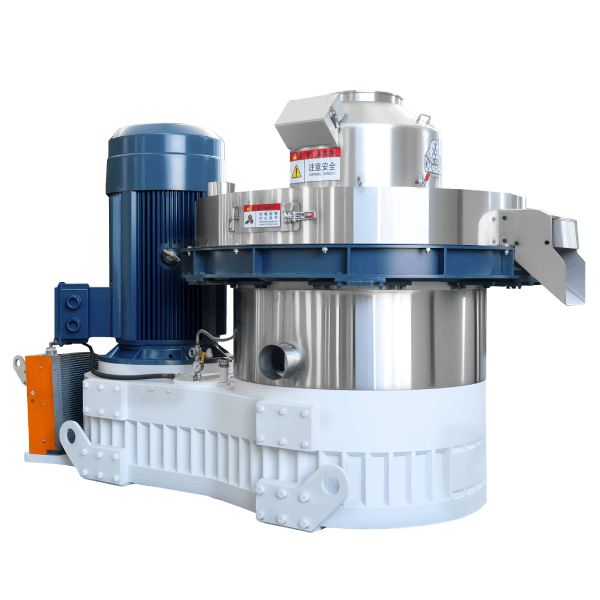
A sustainable energy pellet machine is a system that processes organic materials—wood, agricultural residues, energy crops—into biomass pellets. These pellets are a renewable, carbon-neutral alternative to fossil fuels.
Why “Sustainable Energy”?
| Reason | Explanation |
|---|---|
| Renewable resource | Biomass regrows |
| Carbon neutral | CO₂ absorbed during growth |
| Waste utilization | Uses agricultural/forestry waste |
| Fossil fuel reduction | Replaces coal, oil, gas |
| Circular economy | Waste to value |
Why Pellet Machines Are Sustainable
The Sustainability Case
| Factor | How It Contributes |
|---|---|
| Renewable feedstock | Trees, crops regrow |
| Carbon cycle | Closed loop CO₂ |
| Waste reduction | Diverts from landfill |
| Energy efficiency | Pellets are dense fuel |
| Local production | Reduced transport |
| Job creation | Local green jobs |
Carbon Neutrality
| Cycle | Description |
|---|---|
| 1. Growth | Trees absorb CO₂ from atmosphere |
| 2. Processing | Trees become pellets |
| 3. Combustion | Pellets release CO₂ |
| 4. Re-growth | New trees absorb CO₂ |
| Result | Net zero CO₂ |
Environmental Benefits
Pellet Fuel vs Fossil Fuels
| Pollutant | Pellets | Coal | Oil | Gas |
|---|---|---|---|---|
| CO₂ (net) | 0 | Very High | High | Moderate |
| SO₂ | Very Low | High | Moderate | Low |
| NOx | Moderate | High | Moderate | Low |
| Particulates | Low | High | Moderate | Very Low |
| Ash | Low | High | Moderate | None |
| Mercury | None | High | Low | None |
CO₂ Reduction
| Scenario | Annual CO₂ Reduction |
|---|---|
| 1,000 tons pellets | ~2,500 tons CO₂ saved |
| 5,000 tons pellets | ~12,500 tons CO₂ saved |
| 10,000 tons pellets | ~25,000 tons CO₂ saved |
Compared to coal
Economic Benefits
Cost Advantages
| Factor | Advantage |
|---|---|
| Raw material cost | Low (waste) |
| Price stability | Less volatile than fossil fuels |
| Local sourcing | Reduced transport |
| Energy security | Indigenous resource |
| Carbon credits | Potential revenue |
Cost Comparison
| Fuel | Price per GJ | Environmental Cost |
|---|---|---|
| Wood pellets | $12-15 | Low (carbon neutral) |
| Coal | $6-10 | High (carbon tax) |
| Natural gas | $7-14 | Moderate |
| Heating oil | $15-25 | High |
Investment Payback
| Scale | Investment | Payback |
|---|---|---|
| Small | $5,000-20,000 | 1-3 years |
| Medium | $20,000-100,000 | 2-4 years |
| Large | $100,000-500,000 | 3-5 years |
Applications in Sustainable Energy
Heating
| Application | Use | Scale |
|---|---|---|
| Residential | Home heating | Small |
| Commercial | Building heating | Medium |
| District heating | Municipal heating | Large |
| Industrial | Process heat | Large |
Power Generation
| Application | Use | Scale |
|---|---|---|
| Co-firing | Coal plant replacement | Very large |
| Biomass power plants | Renewable electricity | Large |
| CHP | Combined heat and power | Large |
Other Applications
| Application | Use | Scale |
|---|---|---|
| Export | Green fuel | Large |
| Carbon offset | Emissions reduction | Variable |
Production Process
Sustainable Production Flow
| Stage | Description | Sustainability Aspect |
|---|---|---|
| 1. Raw material | Sustainably sourced biomass | Renewable resource |
| 2. Processing | Energy-efficient equipment | Minimal energy use |
| 3. Pelletizing | Low-waste process | Minimal waste |
| 4. Distribution | Local/regional | Reduced transport |
| 5. Combustion | Carbon neutral | Net zero CO₂ |
Certification
| Certification | Meaning | Importance |
|---|---|---|
| ENplus | Pellet quality | Market access |
| PFI | US quality standard | Market access |
| FSC/PEFC | Sustainable sourcing | Sustainability |
| ISO 14001 | Environmental management | Credibility |
Selection Considerations
Key Questions
| Question | Why Important |
|---|---|
| “What biomass is available?” | Feedstock |
| “What is your target capacity?” | Sizing |
| “What is your budget?” | Investment |
| “What is your sustainability goal?” | Purpose |
| “Who is your customer?” | Market |
Decision Matrix
| If You | Choose |
|---|---|
| Want to reduce fossil fuel use | Sustainable pellet system |
| Have waste biomass | Pellet production system |
| Need carbon credits | Certified production |
| Want local energy | Local production facility |
Procurement Checklist
Sustainability Assessment
- □ Feedstock sustainability confirmed
- □ Carbon footprint calculated
- □ Environmental benefits documented
- □ Certifications identified
Equipment Selection
- □ Capacity matched to feedstock
- □ Energy-efficient equipment selected
- □ Emission controls included
- □ Certification capability confirmed
Business Case
- □ Cost-benefit analysis completed
- □ Payback period calculated
- □ Carbon credit potential evaluated
- □ Market demand confirmed
Frequently Asked Questions
1. What is a sustainable energy pellet machine?
A sustainable energy pellet machine is a system that processes organic biomass into fuel pellets, providing a renewable, carbon-neutral alternative to fossil fuels.
2. Are wood pellets really sustainable?
Yes, when produced from sustainably sourced biomass. The CO₂ released during combustion is absorbed by new growth, making it carbon neutral.
3. How much CO₂ is saved?
For every 1,000 tons of pellets replacing coal, approximately 2,500 tons of CO₂ emissions are avoided.
4. Are pellets cheaper than fossil fuels?
Pellet costs vary by region. With carbon pricing and stable biomass prices, pellets are often competitive with fossil fuels.
5. What is the payback period?
Typical payback is 1-5 years depending on scale, feedstock cost, and energy prices.
6. What certifications should I look for?
ENplus (Europe), PFI (US), FSC/PEFC for sustainability, and ISO 14001 for environmental management.
7. Can pellets replace coal?
Yes. Pellets can be used in co-firing or dedicated biomass boilers. They are a drop-in replacement for coal in many applications.
8. What is the carbon footprint of pellet production?
The carbon footprint is low. Processing energy (drying, grinding, pelletizing) is the main source of emissions. Using renewable energy for processing further reduces the footprint.
About the Author
Zhang Wei – Senior International Sales Engineer, Shandong Changsheng Machinery Co., Ltd.
Zhang Wei has over 12 years of experience in the biomass and feed pellet mill industry, with a background in mechanical engineering and international project execution. He has helped clients across Southeast Asia, the Middle East, Africa, Europe, and Latin America pursue sustainable energy projects.
With hands-on experience in both the manufacturing workshop and client-side operations, Zhang brings practical insights into successful sustainable energy equipment procurement—from the factory floor to the customer’s green energy facility.