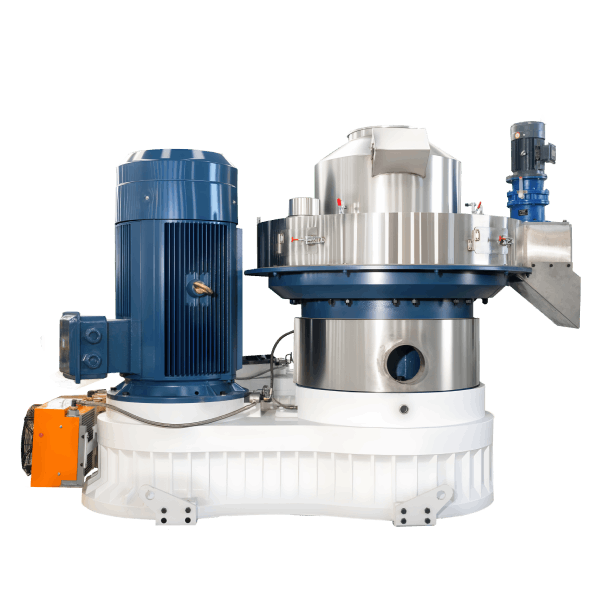
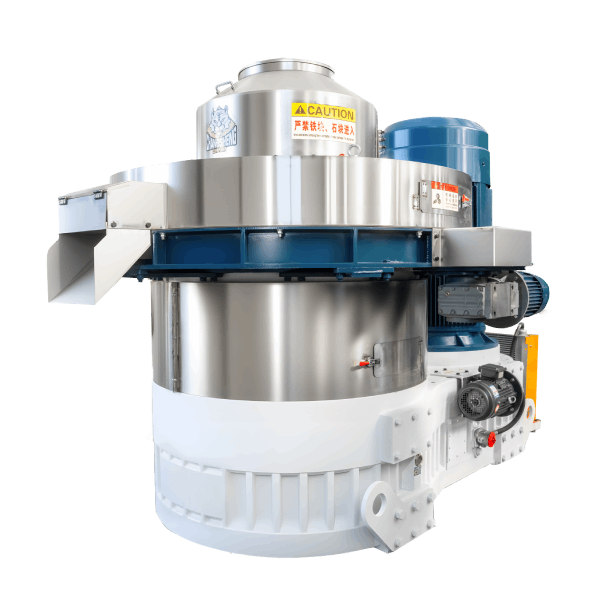
Floating Fish Feed Pellet Machine: Complete Selection Guide
News 2026-07-29
Page SEO Summary: This technical guide helps aquaculture professionals and procurement managers evaluate floating fish feed pellet machines—covering technology, production processes, equipment selection, and investment considerations for floating feed production.
The global aquaculture industry is growing rapidly, driving increasing demand for high-quality floating fish feed. Floating pellets are essential for many farmed fish species, allowing farmers to monitor feeding behavior, reduce waste, and improve feed conversion ratios.
Floating fish feed pellet machines, also known as extruders or expanders, are specialized equipment designed to produce pellets that float on water surfaces. Unlike standard pellet mills that use compression alone, floating feed production requires a combination of heat, moisture, and pressure to gelatinize starches and create the porous structure that enables floating.
This guide provides a comprehensive technical framework for understanding, selecting, and procuring floating fish feed pellet machines.
What Is a Floating Fish Feed Pellet Machine?
Definition
A floating fish feed pellet machine is a specialized piece of equipment that produces fish feed pellets which remain buoyant on water surfaces. Unlike sinking pellets, floating pellets allow farmers to observe feeding behavior, adjust feed rates, and minimize waste.
Operating Principle
| Principle | Description |
|---|---|
| Expansion | Raw materials are heated under pressure; when released, moisture evaporates rapidly, creating porous structure |
| Gelatinization | Starches are cooked, creating the binding that allows the pellet to hold its shape |
| Cutting | The extruded material is cut to the desired pellet length |
Key Applications
| Species | Pellet Size | Key Requirements |
|---|---|---|
| Tilapia | 2-6 mm | High floating time |
| Trout | 2-4 mm | High oil content; good buoyancy |
| Salmon | 3-8 mm | High oil; good stability |
| Carp | 2-6 mm | Good floating time |
| Catfish | 2-5 mm | Good digestibility |
Floating vs. Sinking Feed: Key Differences
Comparison Overview
| Aspect | Floating Feed | Sinking Feed |
|---|---|---|
| Production process | Extrusion + expansion | Compression only (standard pellet mill) |
| Starch gelatinization | High (80-90%) | Low (20-30%) |
| Float time | >1-24 hours | Sinks immediately |
| Water stability | High (several hours) | Moderate (15-30 minutes) |
| Feeding observation | Excellent | Poor |
| Cost | Higher | Lower |
| Equipment | Extruder/expander | Pellet mill |
Why Floating Feed Is Preferred
| Advantage | Benefit |
|---|---|
| Visible feeding | Observe fish appetite and health |
| Reduced waste | Less uneaten feed |
| Better FCR | Improved feed conversion |
| Easy monitoring | Adjust feeding rates real-time |
| Less water pollution | Less nutrient loading |
Floating Feed Production Process
Complete Process Flow
| Stage | Equipment | Purpose |
|---|---|---|
| Grinding | Hammer mill | Reduce raw materials to fine powder (0.5-1.5 mm) |
| Mixing | Mixer | Blend ingredients uniformly |
| Conditioning | Conditioner | Add steam and moisture; pre-cook |
| Extrusion/Expansion | Extruder/Expander | Cook, gelatinize starch; create structure |
| Drying | Dryer | Reduce moisture to 8-10% |
| Coating (optional) | Coating drum | Apply oil, vitamins, additives |
| Cooling | Cooler | Reduce temperature for packaging |
| Packaging | Bagging system | Final product packaging |
Key Process Parameters
| Parameter | Typical Range | Importance |
|---|---|---|
| Grinding fineness | 0.5-1.5 mm | Affects gelatinization and pellet quality |
| Conditioning temperature | 80-95°C | Starch gelatinization |
| Steam pressure | 5-10 bar | Heat and moisture |
| Extrusion temperature | 100-140°C | Cooking and expansion |
| Moisture (post-extrusion) | 20-30% | For expansion |
| Moisture (final) | 8-10% | Storage stability |
Floating Feed Pellet Machine Components
Key Components
| Component | Function | Specification |
|---|---|---|
| Screw/barrel | Convey, compress, cook material | Hardened alloy; wear-resistant |
| Die | Shape pellets; create holes | Precision; hole size for pellet diameter |
| Cutters | Cut extruded pellets to length | Adjustable; high-speed |
| Heating/cooling system | Control temperature during extrusion | Temperature control |
| Feeder | Regulate material feed | Variable speed; consistent flow |
| Conditioner | Pre-heat and add moisture | Efficient mixing |
Difference from Standard Pellet Mill
| Aspect | Floating Feed Machine | Standard Pellet Mill |
|---|---|---|
| Operating principle | Heat + pressure + expansion | Compression only |
| Starch gelatinization | High (80-90%) | Low (20-30%) |
| Product | Floating pellets | Sinking pellets |
| Moisture requirement | 20-30% | 10-15% |
| Temperature | 100-140°C | 80-100°C |
| Additives | Steam required | Steam optional |
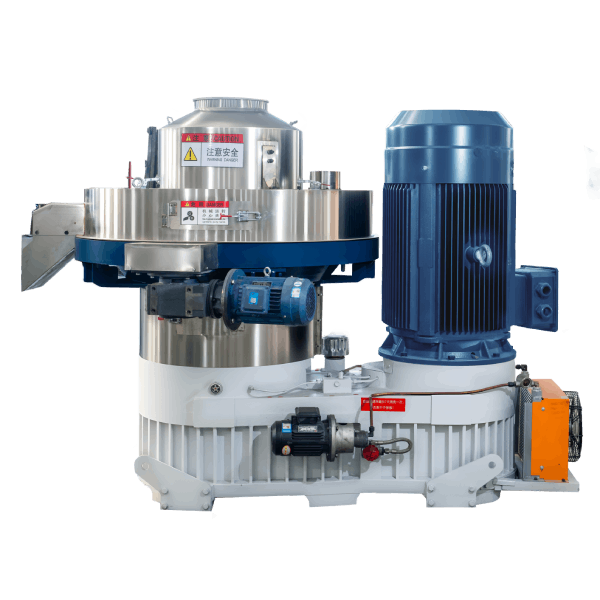
Equipment Selection Guide
Capacity Options
| Capacity (kg/h) | Machine Size | Recommended Motor Power | Applications |
|---|---|---|---|
| 50-100 | Small | 15-22 kW | Small farms; pilot |
| 100-300 | Medium | 22-37 kW | Small feed mills |
| 300-500 | Medium-Large | 37-55 kW | Commercial feed mills |
| 500-1,000 | Large | 55-90 kW | Large feed plants |
| 1,000-2,000 | Industrial | 90-160 kW | Large commercial |
Key Selection Criteria
| Criterion | Consideration |
|---|---|
| Production capacity | Match to market demand |
| Pellet size range | Species to be fed |
| Power supply | Voltage and frequency availability |
| Automation level | Manual vs. PLC-controlled |
| Material of construction | Food-grade; stainless steel |
| After-sales support | Spare parts; service |
Investment Considerations
Equipment Cost Estimates
| Capacity (kg/h) | Estimated Investment (USD) |
|---|---|
| 50-100 | $5,000-15,000 |
| 100-300 | $15,000-35,000 |
| 300-500 | $35,000-60,000 |
| 500-1,000 | $60,000-120,000 |
| 1,000-2,000 | $120,000-250,000 |
Complete Line Costs
| Capacity (kg/h) | Complete Line Investment (USD) |
|---|---|
| 50-100 | $15,000-35,000 |
| 100-300 | $35,000-75,000 |
| 300-500 | $75,000-150,000 |
| 500-1,000 | $150,000-300,000 |
Additional Costs
| Cost Category | Estimated |
|---|---|
| Installation | 5-15% of equipment cost |
| Commissioning | $2,000-10,000 |
| Shipping | Destination-dependent |
| Training | $1,000-5,000 |
| Spare parts | 10-20% of equipment cost |
Raw Materials for Floating Fish Feed
Common Ingredients
| Ingredient | Function | Typical Inclusion |
|---|---|---|
| Fish meal | Protein source | 20-40% |
| Soybean meal | Protein source | 20-35% |
| Corn/wheat flour | Starch source; binder | 15-30% |
| Oil | Energy source | 2-8% |
| Vitamins/minerals | Nutritional balance | 1-3% |
| Binders | Pellet stability | 2-5% |
Ingredient Requirements
| Ingredient | Requirement | Why |
|---|---|---|
| Starch | High content | Gelatinization for floating |
| Particle size | <0.5 mm (fine grind) | Uniform mixing; gelatinization |
| Moisture | <12% | Storage stability |
| Protein | 25-40% | Nutritional requirement |
Quality Control
Key Quality Parameters
| Parameter | Target | Why It Matters |
|---|---|---|
| Float time | >30 minutes (ideal: >1 hour) | Feeding observation |
| Durability | >98% | Handling and transport |
| Water stability | >3-6 hours | Prevent disintegration |
| Moisture | 8-10% | Storage and stability |
| Oil content | As per formulation | Energy content |
| Diameter | ±0.5 mm | Species-specific |
Quality Testing Methods
| Test | Method | Equipment |
|---|---|---|
| Float time | Place pellets in water; measure time | Beaker; timer |
| Durability | Pellet durability tester | PDI tester |
| Water stability | Immerse in water; check disintegration | Sieve; timer |
| Moisture | Drying method | Moisture analyzer |
Procurement Checklist: Floating Fish Feed Machine
Production Requirements
- □ Target capacity (kg/h) defined
- □ Pellet size range confirmed
- □ Species to be fed identified
- □ Raw materials available
Equipment Specifications
- □ Extruder/expander type selected
- □ Motor power confirmed
- □ Voltage/frequency match site supply
- □ Stainless steel contact surfaces specified
- □ Automation level defined
Complete Line
- □ Grinding equipment included
- □ Mixing equipment included
- □ Conditioning system included
- □ Drying system included
- □ Cooling system included
- □ Coating equipment (if needed)
- □ Packaging equipment (if needed)
Commercial
- □ Equipment investment budgeted
- □ Complete line investment estimated
- □ Operating cost projected
- □ Raw material cost calculated
- □ Profit margin estimated
Supplier Evaluation
- □ Supplier experience with floating feed
- □ References from aquaculture projects
- □ Spare parts availability
- □ Warranty and support terms
Frequently Asked Questions
1. What is a floating fish feed pellet machine?
A floating fish feed pellet machine (extruder/expander) produces fish feed pellets that float on water. It uses heat, moisture, and pressure to gelatinize starches, creating a porous structure that enables floating.
2. How is floating feed different from sinking feed?
Floating feed is produced by extrusion/expansion, with high starch gelatinization (80-90%). Sinking feed is produced by compression (standard pellet mill) with low gelatinization (20-30%). Floating feed allows feeding observation; sinking feed does not.
3. What capacity do I need?
Match capacity to your farm size or market. Small farms: 50-300 kg/h. Commercial operations: 300-1,000+ kg/h.
4. How much does a floating feed machine cost?
A standalone extruder/expander costs $5,000-250,000 depending on capacity. A complete line costs $15,000-300,000+.
5. What raw materials are needed?
Common ingredients: fish meal, soybean meal, corn/wheat flour, oil, vitamins/minerals. The formulation depends on the target species.
6. Is floating fish feed production profitable?
Yes, with proper market conditions. Floating feed commands premium prices over sinking feed, and aquaculture demand is growing.
7. What is the payback period?
Typical payback is 1-3 years for commercial operations, depending on capacity, market prices, and utilization.
8. Do I need stainless steel equipment?
For feed production, stainless steel is recommended for contact surfaces to ensure hygiene and durability. It prevents corrosion from salt and moisture in feed ingredients.
About the Author
Zhang Wei – Senior International Sales Engineer, Shandong Changsheng Machinery Co., Ltd.
Zhang Wei has over 12 years of experience in the biomass and feed pellet mill industry, with a background in mechanical engineering and international project execution. He has managed feed production projects for aquaculture, livestock, and poultry operations across Southeast Asia, the Middle East, Africa, and Latin America.
With hands-on experience in both the manufacturing workshop and client-side operations, Zhang brings practical insights into successful equipment procurement—from the factory floor to the customer’s feed production facility.