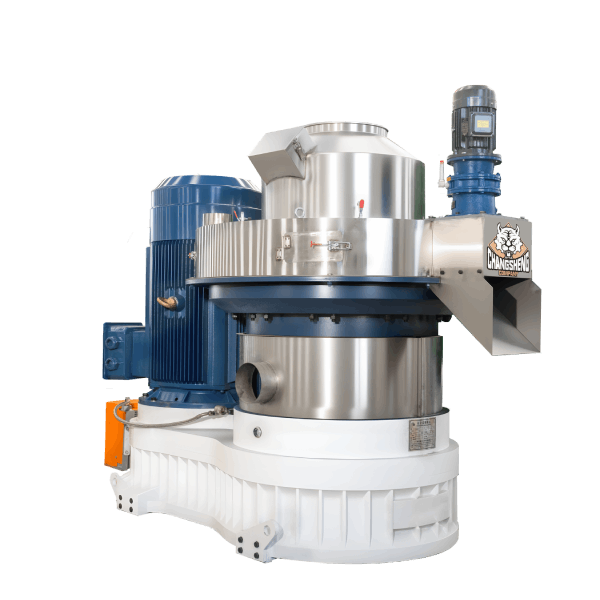
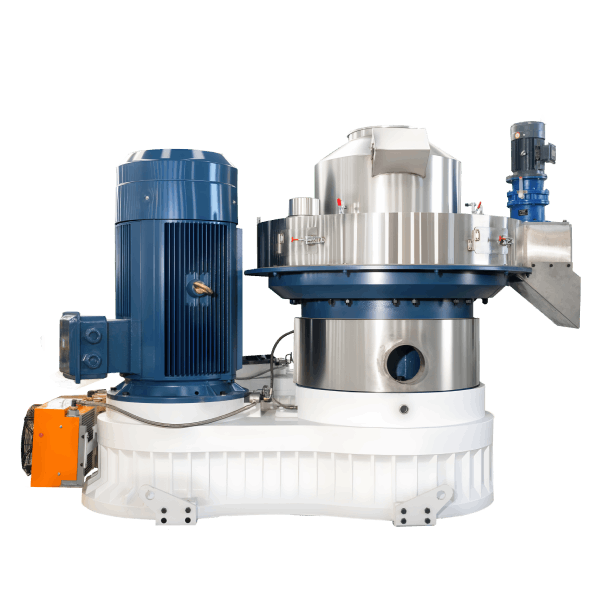
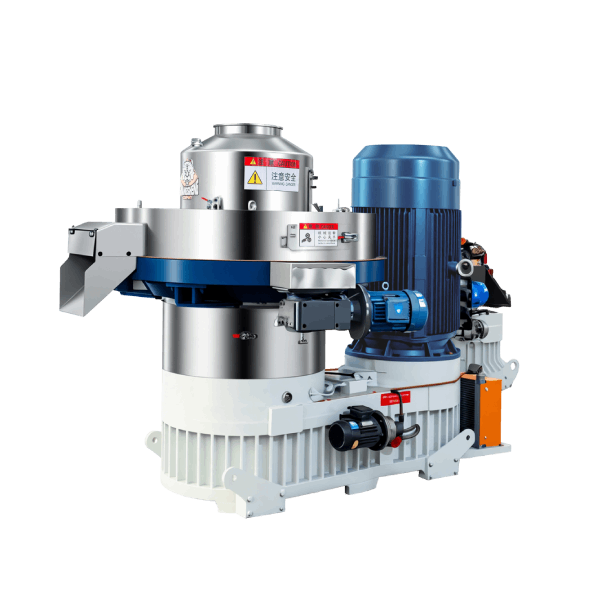
Page SEO Summary: This project planning guide helps municipal planners and energy companies evaluate pellet mills for district heating plants—covering fuel requirements, equipment scale, supply chain logistics, and economic analysis for large-scale heating projects.
District heating plants are the backbone of urban and industrial heating infrastructure, delivering heat to homes, businesses, and public buildings. Traditional fuels—coal, natural gas, and heavy fuel oil—are facing increasing pressure from environmental regulations, carbon pricing, and the global shift toward renewable energy.
Wood pellets offer a compelling alternative for district heating. As a high-density, standardized, renewable fuel, wood pellets can be integrated into existing boiler systems with relatively modest modifications. For large-scale district heating operations, on-site or regional pellet production can provide significant cost advantages and supply security.
This guide provides a comprehensive framework for evaluating wood pellet production for district heating plant applications—from fuel requirements and equipment scale to supply chain logistics and economic analysis.
Wood Pellets for District Heating: The Big Picture
Why District Heating Plants Are Turning to Pellets
Advantage
Benefit for District Heating
Carbon neutral
Meets climate goals; reduces emissions
Cost competitive
Often cheaper than oil; competitive with gas
Energy security
Domestic/regional fuel source
Standardized fuel
Consistent quality; automated handling
Scalable
Suitable for small to large plants
Renewable
Future-proof against carbon regulations
Typical Scale of District Heating Plants
Plant Type
Heat Output (MW)
Annual Pellet Demand (tons)
Customer Base
Small municipal
2-5 MW
2,000-5,000
Town/village
Medium municipal
5-20 MW
5,000-20,000
City district
Large municipal
20-50 MW
20,000-50,000
City
Industrial/utility
50-100+ MW
50,000-100,000+
Industrial park/region
Understanding Fuel Requirements
Converting Heat Output to Pellet Demand
Parameter
Calculation
Heat output
10 MW
Operating hours
5,000 hours/year (typical)
Annual heat production
50,000 MWh
Boiler efficiency
85%
Pellet calorific value
4.8 kWh/kg
Annual pellet demand
12,250 tons/year
Pellet Quality Requirements for District Heating
Parameter
Requirement
Why It Matters
Calorific value
>16.5 MJ/kg
Energy content
Moisture content
<10%
Combustion efficiency
Ash content
<1.5% (premium) or <3% (industrial)
Boiler maintenance
Durability
>95%
Handling and transport
Bulk density
>600 kg/m³
Storage and transport
Particle size
Consistent
Fuel handling systems
Pellet Production Scale for District Heating
Production Facility Options
Option
Description
Capacity
Best For
On-site production
Plant located at heating plant
2,000-20,000 tons/year
Medium to large plants
Regional production
Off-site but nearby
10,000-100,000+ tons/year
Multiple plants
Centralized production
Large industrial facility
50,000-200,000+ tons/year
Regional supply
Equipment Configuration for On-Site/Regional Production
Procurement Checklist: District Heating Pellet Plant
Feasibility
□ Heat demand and fuel requirements calculated
□ Feedstock availability and cost confirmed
□ Site availability and suitability assessed
□ Regulatory requirements identified
□ Financial viability confirmed
Technical Specifications
□ Production capacity defined (t/h)
□ Pellet quality specifications established
□ Equipment configuration determined
□ Power and utility requirements confirmed
□ Emission control requirements identified
Commercial
□ Capital investment budget established
□ Operating cost budget developed
□ Financing sources identified
□ Revenue model (heat sales) confirmed
□ Payback/ROI calculated
Project Management
□ Project timeline established
□ Key stakeholders identified
□ Risk management plan developed
□ Permitting plan created
□ Procurement strategy defined
Frequently Asked Questions
1. Can wood pellets fuel a district heating plant?
Yes. Wood pellets are an excellent fuel for district heating plants. They can be used in automated boilers with feed systems designed for pellets. Many district heating plants across Europe and North America use wood pellets.
2. How many pellets does a district heating plant need?
A 10 MW plant operating 5,000 hours/year needs approximately 12,000-13,000 tons of pellets annually. Larger plants require proportionally more fuel.
3. What size pellet mill is needed for district heating?
For on-site production, multiple pellet mill lines are typically used. A 10,000 tons/year plant might use two 2-3 t/h lines. Larger plants may use 5-10 lines.
4. Is on-site production cost-effective for district heating?
Yes, for larger plants. Self-production typically saves $475,000-1,400,000 annually for a 10,000 tons/year plant compared to purchasing pellets. Payback periods range from 2-10 years depending on scale and conditions.
5. What are the main cost components?
Raw material (40-60%), energy (15-25%), labor (5-10%), maintenance (5-10%), and depreciation (5-10%) are the main cost components.
6. What quality specifications are needed?
Key specifications: moisture <10%, ash <1.5-3% (depending on boiler), durability >95%, calorific value >16.5 MJ/kg. Specifications may vary by boiler manufacturer and application.
7. What are the logistics challenges?
Challenges include: securing consistent feedstock supply, ensuring quality consistency, managing seasonal demand variations, and coordinating transport logistics between production and consumption.
8. Is this a viable investment?
For larger district heating plants (5+ MW), pellet production can be a sound investment with good returns. The economics are most favorable when the plant has access to low-cost feedstock and can secure long-term heat sales contracts.
Zhang Wei has over 12 years of experience in the biomass and feed pellet mill industry, with a background in mechanical engineering and international project execution. He has worked on large-scale pellet production projects for district heating, power generation, and industrial applications across multiple regions.
With hands-on experience in both the manufacturing workshop and client-side operations, Zhang brings practical insights into successful equipment procurement—from the factory floor to the municipal heating plant.