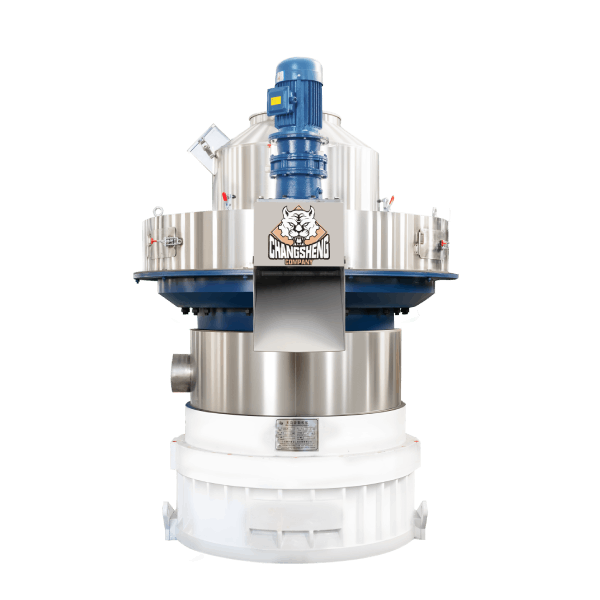
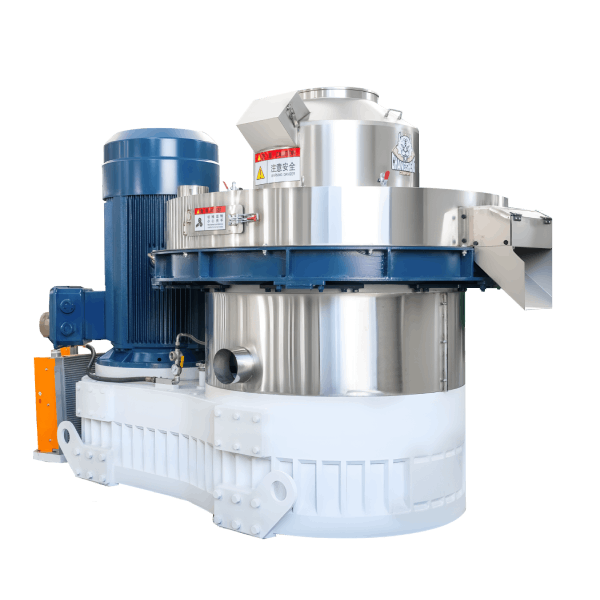
Pellet Mill from China Factory: Complete Direct Sourcing Guide
News 2026-07-22
Page SEO Summary: This procurement guide helps international buyers source pellet mills directly from China factories—covering factory vs. trader identification, direct sourcing process, factory verification, and risk management strategies.
Every international buyer knows the value proposition: source directly from the factory, cut out the middleman, and save 20-40% on equipment costs. The appeal of a pellet mill from China factory is clear—direct access to the world’s largest manufacturing base, competitive pricing, and the ability to build a long-term supplier relationship.
But how do you actually connect with a real factory in China? How do you distinguish a genuine manufacturer from a trading company that presents itself as a factory? And once you find a factory, how do you ensure a smooth, successful procurement experience?
This guide provides a comprehensive framework for sourcing pellet mills directly from Chinese factories—identifying real manufacturers, navigating the procurement process, and managing risks effectively.
Why Source Directly from a China Factory
The Value Proposition
| Benefit | Impact |
|---|---|
| Cost savings | 20-40% lower than sourcing through traders or local distributors |
| Direct communication | No intermediary; faster response; clearer specifications |
| Customization | Easier to modify specifications directly with engineers |
| Long-term relationship | Build direct partnership for future orders |
| Quality control | Direct visibility into production and quality processes |
| Technical support | Direct access to engineering and production teams |
Typical Price Structure
| Sourcing Channel | Typical Price (Relative) | Comments |
|---|---|---|
| Direct from factory | 1.0× (base) | Best pricing |
| Through trading company | 1.2-1.4× | Markup for their service |
| Through local distributor | 1.5-2.0× | Markup and local support |
| Through importer/agent | 1.3-1.6× | Markup and logistics services |
Factory vs. Trading Company: How to Tell the Difference
The Challenge
Many trading companies in China present themselves as factories. They have professional websites, show factory photos (often stock or from partner factories), and may even claim to be manufacturers. For an international buyer, distinguishing between the two is not always straightforward.
Key Indicators
| Aspect | Genuine Factory | Trading Company |
|---|---|---|
| Address | Specific, industrial area; often includes building/workshop number | Business address; often in office buildings |
| Website | Focused on specific product lines; technical information | Broad product range; sometimes unrelated products |
| Factory photos | Specific, realistic; can be verified | Often generic or stock |
| Contact person | Often engineering or production knowledge | Sales-focused; limited technical knowledge |
| Response to technical questions | Detailed, knowledgeable | Vague, non-specific |
| Business license | Shows “manufacturing” or “machinery” | Shows “trading” or “import & export” |
| Years in business | Often longer | Can be recent |
Verification Questions to Ask
| Question | What to Look For |
|---|---|
| “Can you show me your factory?” | Real factory = specific video tour |
| “What is your main production line?” | Real factory = specific product focus |
| “What is your production capacity?” | Real factory = concrete numbers |
| “How many workers do you have?” | Real factory = specific number |
| “Can I visit your factory?” | Real factory = welcome; trader = hesitant |
| “What certifications do you have?” | Real factory = ISO, CE; trader = may have none |
China Pellet Mill Factories: What to Expect
Factory Types
| Type | Description | Headcount | Typical Customers |
|---|---|---|---|
| Large integrated factory | Casting, machining, assembly, R&D | 100-500+ | Industrial; large projects |
| Mid-sized factory | Assembly; some component production | 30-100 | Commercial; standard equipment |
| Specialist factory | Focused on specific equipment | 20-50 | Niche applications |
| Small workshop | Basic assembly | 5-20 | Low-budget; simple machines |
Typical Factory Capabilities
| Capability | Large Factory | Mid-Sized | Small Workshop |
|---|---|---|---|
| Casting/foundry | In-house | Subcontracted | No |
| Machining | In-house | Partial | No |
| Fabrication | In-house | In-house | Limited |
| Assembly | In-house | In-house | In-house |
| Engineering | Full team | Limited | Minimal |
| Quality control | Systematic | Basic | Minimal |
Direct Sourcing Process
Step-by-Step Guide
| Step | Activity | What to Do |
|---|---|---|
| 1. Research | Identify potential factories | Use B2B platforms, industry referrals, trade shows |
| 2. Initial contact | Reach out to factories | Ask specific questions; test responsiveness |
| 3. Verification | Verify factory status | Video tour; check address; ask technical questions |
| 4. Requirements | Define your specifications | Be clear and detailed |
| 5. Quotation | Request pricing | Compare multiple factories |
| 6. Selection | Choose factory | Based on capability, price, communication |
| 7. Order | Place order | Clear contract; payment terms |
| 8. Production | Manufacturing | Regular progress updates |
| 9. Inspection | Quality control | Pre-shipment inspection |
| 10. Shipping | Logistics | Arrange shipping; documentation |
Estimated Timeline
| Scope | Typical Timeline |
|---|---|
| Standard machine | 8-12 weeks from order to delivery |
| Custom configuration | 12-16 weeks |
| Complete line | 16-24 weeks |
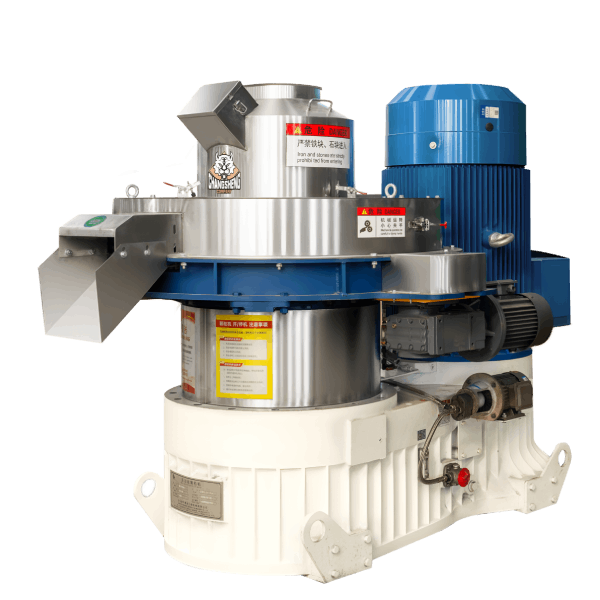
Factory Verification Methods
For Remote Buyers (Cannot Visit)
| Method | Effectiveness | How to Do It |
|---|---|---|
| Video factory tour | Very High | Schedule a video call; ask to see the entire production floor |
| Detailed photos | High | Request specific photos from multiple angles |
| Google Maps/Earth | Moderate | Verify address and facility size |
| Third-party inspection | Very High | Hire a local inspection company |
| Business license check | High | Request and verify through official channels |
| Reference calls | High | Contact other international customers |
For Buyers Who Can Visit
| Activity | What to Check |
|---|---|
| Factory tour | Production equipment; cleanliness; organization |
| Meet engineering team | Technical capability; experience |
| Quality control | Inspection processes; testing equipment |
| Inventory | Spare parts; component stock |
| Current production | Quality of machines being built |
Virtual Tour Checklist
- □ Production floor visible (not just office)
- □ Manufacturing equipment seen (not just assembly)
- □ Quality control area visible
- □ Workers seen (not just empty workshop)
- □ Component storage seen
- □ Finished machines visible
- □ Factory address matches listing
- □ Environment appears professional
Communication and Negotiation
Effective Communication
| Practice | Why It Matters |
|---|---|
| Be clear and specific | Reduces misunderstandings |
| Confirm in writing | Creates clear record of agreements |
| Use simple language | Avoids language barriers |
| Respond promptly | Builds trust and efficiency |
| Ask for clarification | Ensures mutual understanding |
Key Points for Negotiation
| Topic | Discussion Points |
|---|---|
| Price | Compare multiple factories; understand what’s included |
| Delivery | Clear delivery date; penalties for delay |
| Payment | Milestone-based payments; LC option |
| Specifications | Detailed component list; brands; materials |
| Warranty | Duration; coverage; exclusions |
| Support | Installation; training; parts availability |
Typical Response Times
| Good | Concern |
|---|---|
| Same day response | Delayed responses |
| Clear, complete answers | Vague, incomplete answers |
| Professional language | Unprofessional communication |
| Direct answers to questions | Evasive answers |
Quality and Risk Management
Quality Control Measures
| Measure | When to Use |
|---|---|
| Detailed specifications | Before order; clear component requirements |
| Production updates | During manufacturing; regular photos/video |
| Pre-shipment inspection | Before shipment; third-party or self-inspection |
| Testing | Factory acceptance test (FAT) before shipment |
Common Risks and Mitigation
| Risk | Mitigation |
|---|---|
| Quality not as expected | Clear specifications; pre-shipment inspection |
| Delivery delays | Milestone payments; clear delivery commitment |
| Communication issues | Written confirmation; key contact person |
| Hidden costs | Detailed scope; exclusions list |
| Warranty non-execution | Clear warranty terms; retention payment |
Procurement Checklist: Pellet Mill from China Factory
Pre-Contact
- □ Product requirements defined
- □ Target price range established
- □ Timeline determined
Contact Phase
- □ Identified 5-10 potential factories
- □ Initial inquiries sent
- □ Responsiveness evaluated
- □ Technical questions answered satisfactorily
Verification Phase
- □ Factory address verified
- □ Video factory tour completed
- □ Business license reviewed
- □ Certifications (ISO, CE) verified
- □ References contacted
Commercial Phase
- □ Detailed quotation received
- □ Component brands confirmed
- □ Exclusions list reviewed
- □ Payment terms negotiated
- □ Delivery terms confirmed
- □ Warranty terms reviewed
Order Phase
- □ Clear contract/PO issued
- □ Specifications attached and signed
- □ Payment schedule agreed
- □ Production timeline confirmed
Manufacturing Phase
- □ Production updates received
- □ Quality control plan in place
- □ Pre-shipment inspection arranged
Frequently Asked Questions
1. What does “from China factory” mean in sourcing?
It means sourcing directly from the manufacturing facility in China, bypassing trading companies, agents, and local distributors. The goal is to get the best price and direct communication with the manufacturer.
2. How do I find a real pellet mill factory in China?
Use B2B platforms (Alibaba, Made-in-China), industry referrals, and trade shows. Always verify with video tours, address checks, and technical questions. Shortlist 3-5 factories for detailed evaluation.
3. How can I tell if a supplier is a real factory or a trading company?
Check the address (industrial vs. office), ask for video factory tours, test technical knowledge, look for consistency in product range, and request business license verification. Real factories have specific, verifiable manufacturing addresses.
4. How much can I save by buying directly from a factory?
Typically 20-40% compared to buying through trading companies or local distributors. Direct factory prices are the base price; intermediaries add their margins.
5. Is it safe to buy a pellet mill directly from a China factory?
Yes, with proper due diligence. The key steps are: thorough factory verification, clear specifications, pre-shipment inspection, and milestone-based payments.
6. What if I can’t visit the factory in person?
Conduct a video factory tour, check certifications, contact references, and consider hiring a third-party inspection company for pre-shipment quality control.
7. What payment terms should I use for direct factory sourcing?
Milestone payments are recommended (e.g., 30% deposit, 40% before shipment, 30% after installation). Letters of Credit (LC) provide additional security for larger orders.
8. What documents should I request from a China factory?
Business license, ISO certification, CE certification (if applicable), component brand list, detailed technical specifications, export documentation samples, and warranty terms.
About the Author
Zhang Wei – Senior International Sales Engineer, Shandong Changsheng Machinery Co., Ltd.
Zhang Wei has over 12 years of experience in the biomass and feed pellet mill industry, with a background in mechanical engineering and international project execution. He has managed pellet mill supply projects for clients across Southeast Asia, the Middle East, Africa, Europe, and Latin America, with extensive experience in factory-to-buyer procurement.
With hands-on experience in both the manufacturing workshop and client-side operations, Zhang brings practical insights into successful equipment procurement—from the factory floor to the customer’s production site.