Pellet Machine for Furniture Factory Dust 50-800kg/h | Supplier Guide
News 2026-06-30
Product Definition
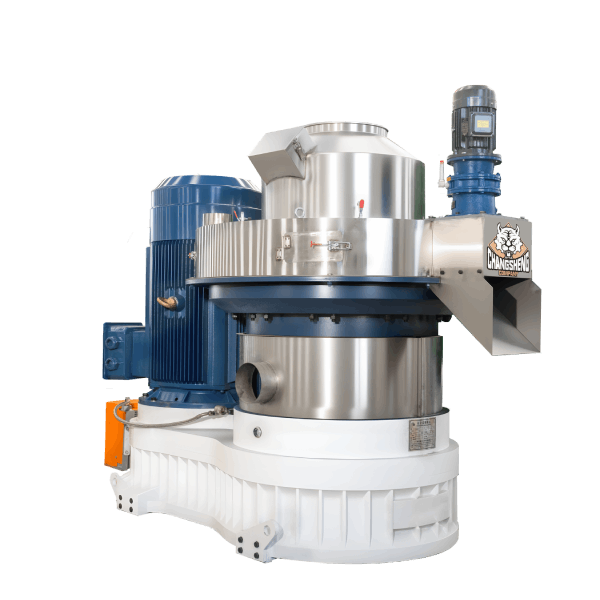
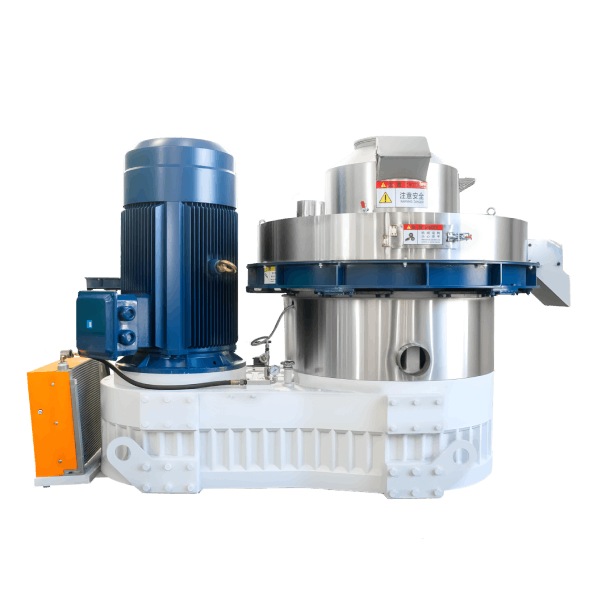
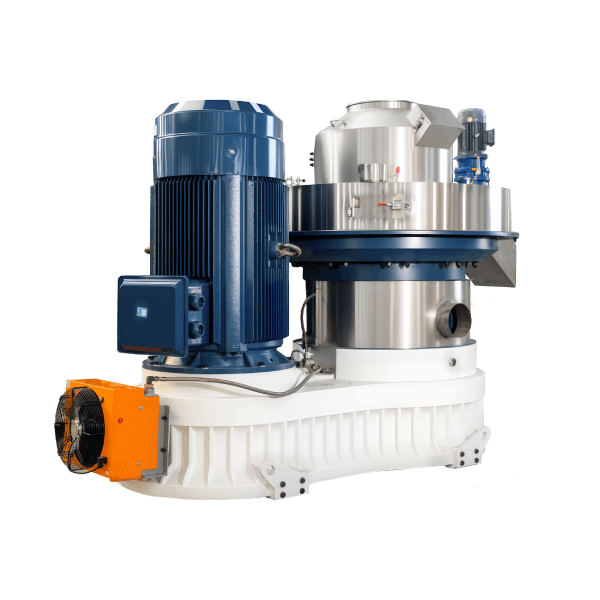
A pellet machine for furniture factory dust is a flat die compaction system that converts sanding dust, sawdust, and wood shavings generated by furniture manufacturing operations into dense cylindrical fuel pellets. The machine transforms an air quality and waste management challenge into a valuable solid fuel for heating or sale.
Technical Specifications & Performance Parameters
| Parameter | Value Range / Specification |
|---|---|
| Throughput capacity | 50 – 800 kg/h (feedstock-dependent) |
| Main motor power | 5.5 – 55 kW (electric) |
| Die type | Flat die (D-type configuration) |
| Die diameter | 200 – 550 mm |
| Pellet diameter | 4 – 12 mm (customisable) |
| Pellet bulk density | 600 – 750 kg/m³ |
| Raw material moisture | 10% – 16% (optimal: 12% – 14%) |
| Specific energy consumption | 35 – 65 kWh/t |
| Die service life | 500 – 700 hours |
| Roller service life | 600 – 800 hours |
| Maintenance man-hours | 2 – 4 h / week |
Structural Composition & Material Selection
The furniture factory dust pellet machine integrates four functional subsystems with defined material grades:
Mechanical System
- Flat die: 40Cr alloy steel, carburised hardening layer (HRC 55–58)
- Rollers: High-chromium cast iron (Cr26) with wear-resistant overlay
- Main shaft: Heat-treated 42CrMo4 steel with induction-hardened journals
- Gearbox: Helical-gear configuration for smooth power transmission
Support System
- Frame: Cast steel or heavy welded construction
- Vibration-damping mounts for stable operation
- Dust-tight construction to contain fine material
Lubrication System
- Manual grease lubrication for bearings
- Lubrication interval: every 4–8 operating hours
Control System
- Emergency stop button
- Optional VFD for speed control
- Manual operation with basic controls
Manufacturing Process – Engineering Workflow
Step 1 – Dust Collection & Storage
Sanding dust and sawdust collected from factory dust extraction system. Material stored in sealed container to prevent moisture absorption.
Step 2 – Moisture Conditioning
Furniture factory dust is typically 8%–12% moisture – drier than optimal. Water addition or mixing with shavings (12%–15%) adjusts to 12%–14% target.
Step 3 – Pelletising (Core Forming Process)
Material enters flat die chamber. Rollers compress dust particles through die holes under high pressure. Sanding dust has fine particle size – ideal for dense pellet formation. Lignin acts as natural binder.
Step 4 – Cooling
Pellets exit machine at 80–90°C. Cooling required to harden and stabilise. Fine dust pellets have high density and durability.
Step 5 – Screening & Bagging
Pellets screened to remove fines. Bagged for storage or sale. Factory dust pellets have consistent quality for heating markets.
Industry Comparison – Furniture Factory Dust Processing
| Equipment Type | Feedstock | Capacity | Pellet Density | Typical Application |
|---|---|---|---|---|
| Furniture Dust Pellet Machine | Sanding dust, sawdust | 50 – 800 kg/h | High – premium fuel | Furniture factories, joinery |
| Large Industrial Pellet Mill | Wood chips, sawdust | 1 – 10 t/h | High | Large wood processors |
| Flat Die Mill (Standard) | Sawdust, shavings | 50 – 800 kg/h | Moderate | General workshop use |
| Briquetting Press | Shavings, chips | 0.2 – 2.0 t/h | Lower (briquettes) | Heating, industrial fuel |
Differentiation (Shandong Changsheng Machinery):
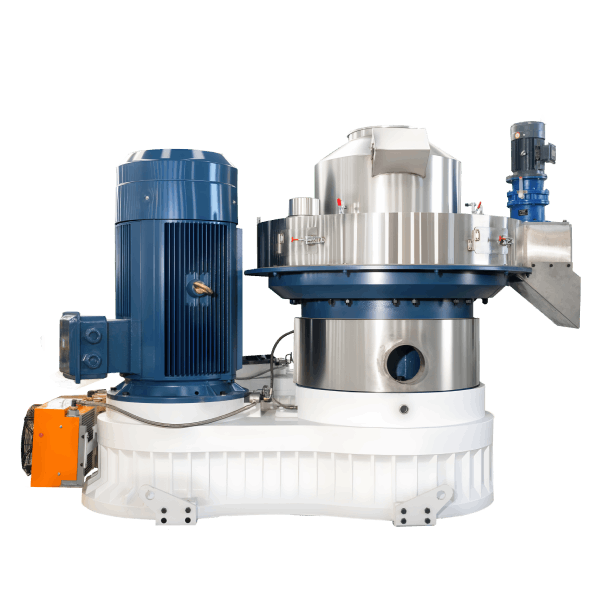
Our furniture dust pellet machines are specifically designed for fine sanding dust – the most challenging workshop waste. The fine particle size produces dense, high-quality pellets with excellent combustion characteristics. Dust-tight construction prevents fine material escape and contamination. The compact footprint enables installation adjacent to existing dust extraction systems.
Application Scenarios by Buyer Role
Distributors / Importers
Focus on machine suitability for fine dust materials. Require dust-tight construction and low maintenance design.
EPC Contractors
Integrating furniture factory dust pellet lines. Need connection to existing dust extraction systems and material handling.
Engineering Consultants / Technical Advisors
Evaluate dust-to-fuel feasibility. Require economic data – dust disposal and heating cost offset.
End-user Production Facilities
Furniture manufacturers, cabinet makers, and woodworking shops. Demand conversion of dust and shavings to saleable fuel.
Core Pain Points & Engineering Solutions
Pain Point 1 – Dust bridging and poor flow
Root cause: Fine sanding dust has poor flow characteristics – bridges in hopper.
Solution: Agitator in feed hopper. Mixing dust with shavings improves flow. Vibration assistance.
Pain Point 2 – Low moisture causing poor binding
Root cause: Furniture factory dust is typically 8%–10% moisture – too dry for binding.
Solution: Water addition in mixer. Conditioner for uniform moisture distribution. Target 12%–14%.
Pain Point 3 – Dust explosion risk during processing
Root cause: Fine wood dust is explosive in suspension.
Solution: Dust-tight construction. Static grounding. Explosion vents. Connection to dust extraction. No ignition sources.
Pain Point 4 – Pellet surface cracking from fine material
Root cause: Very fine dust lacks structural integrity – pellets may crack.
Solution: Add coarse shavings (10%–20%) for structure. Steam conditioning. Adjust die compression ratio.
Critical Risk Warnings & Mitigation Measures
Risk 1 – Dust explosion in processing area
Mitigation: Install explosion vents on equipment. Static grounding for all equipment. Dust extraction at transfer points. No smoking or open flames.
Risk 2 – Fine dust escaping from equipment
Mitigation: Dust-tight construction. Sealed bearings. Negative pressure at feed and discharge. Regular cleaning.
Risk 3 – Overloading motor from bridging and material surge
Mitigation: VFD for speed control. Amperage monitoring. Agitator for consistent feed. Manual feed adjustment.
Procurement Selection Guide – 7 Executable Steps
Step 1 – Analyse furniture factory dust stream
Quantity (kg/week), types (sanding dust, sawdust, shavings), moisture range, and collection method.
Step 2 – Determine required capacity
Select model with 20% margin above waste volume. Available capacities: 50–800 kg/h.
Step 3 – Select pellet diameter
6mm standard for heating. 4mm for specialised applications. 8mm for industrial use.
Step 4 – Verify moisture conditioning method
If dust is dry (<12%), include water addition system. If mixed with shavings, test moisture.
Step 5 – Confirm factory electrical capacity
Motor 5.5–55 kW. Verify workshop electrical capacity. Dust extraction system must run concurrently.
Step 6 – Plan for dust collection integration
Connect pellet machine to existing dust extraction. Install at transfer points.
Step 7 – Establish maintenance and cleaning schedule
Weekly cleaning of dust accumulation. Daily visual inspection. Monthly lubrication.
Engineering Case Study – Furniture Factory in Italy
Project Background
A furniture factory in Italy produces 500 kg/week of sanding dust and sawdust. Disposal cost €30/tonne – annual cost €780. Factory heating cost €8,000/year.
Initial Problem
Dust disposal was a cost and a dust explosion hazard. Factory had no use for waste stream.
Root Cause Analysis
No pelletisation equipment. Fine sanding dust difficult to handle and dispose of safely.
Solution Implemented
Acquired flat die pellet machine (100 kg/h capacity). Integrated with existing dust extraction. Pellets used for workshop heating.
Final Data Results
| Metric | Value |
|---|---|
| Dust processed | 500 kg/week |
| Pellet output | 450 kg/week (after moisture conditioning) |
| Disposal cost avoided | €780/year |
| Heating fuel saved | €3,000/year |
| Payback period | < 2 years |
Frequently Asked Questions (FAQ)
1. What furniture factory dust can be pelletised?
Sanding dust, sawdust, MDF dust, and shavings from woodworking operations.
2. What capacity is available?
50 – 800 kg/h, depending on model and feedstock.
3. What moisture is required?
10% – 16%, with 12% – 14% optimal. Furniture dust is typically dry – water addition may be required.
4. Is sanding dust suitable for pelletising?
Yes – fine sanding dust produces dense, high-quality pellets with excellent heating value.
5. What is the combustion value of furniture dust pellets?
17 – 19 MJ/kg – comparable to premium wood pellets.
6. Can I pelletise MDF dust?
MDF contains glue and resin – may produce pellets but with higher emissions. Test before investing.
7. What is the dust explosion risk?
Fine wood dust is explosive in suspension. Dust-tight construction and extraction are essential.
8. Do I need to add moisture?
Furniture factory dust is typically 8%–10% – water addition to 12%–14% improves binding.
9. How long does a flat die last?
500 – 700 hours, depending on feedstock. Sanding dust is fine and abrasive.
10. Can I use the pellets for my factory heating?
Yes – pellets can replace fossil fuel in factory heating systems.
11. What is the specific energy consumption?
35 – 65 kWh/t depending on material and machine.
12. What is the payback period?
Typically 1 – 3 years based on avoided disposal cost and heating fuel savings.
Author & E-E-A-T Credentials
Author: Dr. Chen Wei
Title: Senior Mechanical Engineer, Pelletising Systems Division
Experience: 14 years in biomass densification and feed processing equipment design
Notable Projects:
- Commissioned 10 furniture factory dust pelletisation systems across Italy, Germany, and China (2017–2025)
- Developed dust explosion prevention and moisture conditioning protocols for fine wood dust
- Co-author of “Industrial Pellet Mill Maintenance and Optimisation” (Engineering Press, 2022)
Affiliation: Shandong Changsheng Machinery Co., Ltd.