Biomass pellet production line: industrial guide
News 2026-03-19
Biomass Pellet Production Line: Engineering Design and Procurement Guide
Product Definition
A biomass pellet production line is an integrated industrial system that converts raw biomass materials such as sawdust, wood chips, and agricultural residues into high-density fuel pellets. It combines crushing, drying, pelletizing, cooling, and packaging processes into a continuous automated production solution.
Technical Parameters and Specifications
When evaluating a biomass pellet production line, the following technical parameters are critical for engineering and procurement decisions.
Production capacity
1–10 tons per hour depending on system configuration
Total installed power
150–800 kW depending on capacity and drying requirements
Raw material size requirement
≤5 mm after crushing
Raw material moisture
10–15 percent before pelletizing
Pellet diameter
6–12 mm
Pellet density
≥1.1–1.3 t/m³
Cooling temperature after pelletizing
Ambient temperature +5°C
Final pellet moisture
≤10 percent
Automation level
Manual, semi-automatic, or fully automatic PLC control
These parameters directly impact the efficiency and stability of a biomass pellet production line.
Structure and Material Composition
A standard biomass pellet production line consists of the following core systems.
Raw material handling system
Storage bins, conveyors, and feeding devices
Crushing system
Hammer mills or wood crushers reducing material size
Drying system
Rotary drum dryers reducing moisture content
Pelletizing system
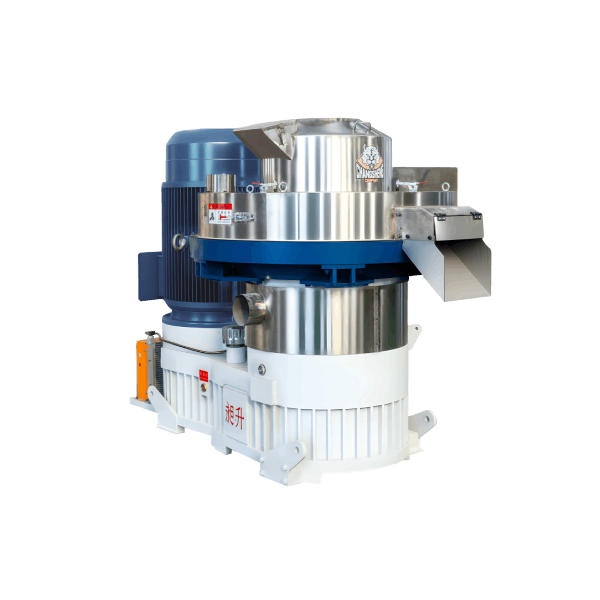
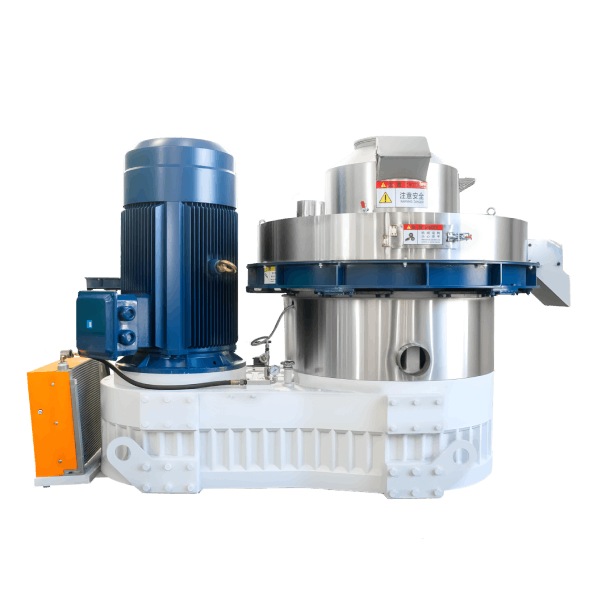
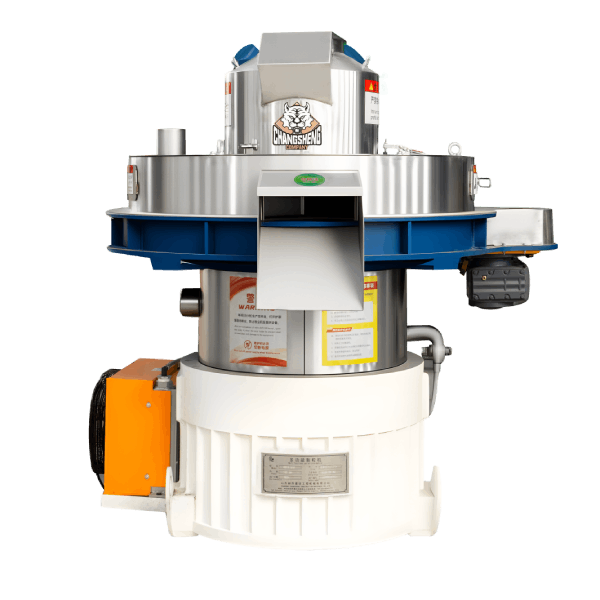
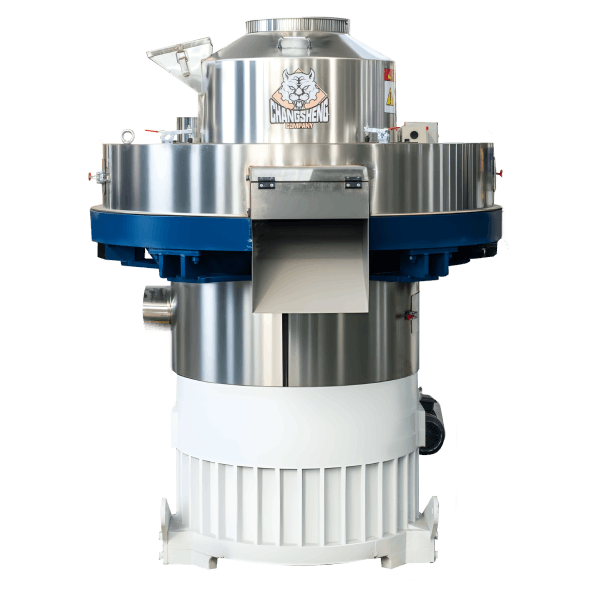
Ring die pellet machines with alloy steel dies and rollers
Cooling system
Counterflow coolers reducing pellet temperature
Screening system
Vibrating screens separating fines and qualified pellets
Packaging system
Automatic weighing and bagging machines
Control system
PLC-based automation for monitoring and operation
Each system must be engineered with industrial-grade materials to ensure long-term performance.
Manufacturing Process
The production of a biomass pellet production line follows a systematic engineering workflow.
Step 1 Process design
Engineers design process flow based on raw material type and target capacity
Step 2 Equipment selection
Crushers, dryers, pellet mills, and auxiliary systems are selected
Step 3 Structural fabrication
Steel structures and equipment frames are manufactured
Step 4 Component machining
Critical parts such as dies and shafts are precision machined
Step 5 System integration
All equipment is assembled into a complete production line
Step 6 Electrical integration
Control systems and automation are installed
Step 7 Testing and commissioning
Manufacturers such as Shandong Changsheng Machinery perform full-load testing using real biomass materials
This ensures the biomass pellet production line meets industrial production requirements.
Industry Equipment Comparison
| System Type | Investment Cost | Automation Level | Application |
|---|---|---|---|
| Small-scale line | Low | Manual | Farms and workshops |
| Semi-automatic line | Medium | Semi-automatic | Medium factories |
| Fully automatic line | High | Fully automated | Industrial pellet plants |
| Mobile pellet system | Medium | Semi-automatic | Temporary projects |
Industrial buyers typically prefer fully automated systems despite higher investment due to efficiency and labor savings.
Application Scenarios
A biomass pellet production line is widely used across multiple industries.
Biomass energy producers
Manufacturing fuel pellets for industrial boilers and power plants
Wood processing industries
Recycling sawdust and wood waste
Agricultural processing enterprises
Utilizing crop residues such as straw and husks
Equipment distributors and importers
Supplying integrated pellet production systems
EPC contractors and engineering firms
Designing and constructing pellet plants
Renewable energy developers
Implementing waste-to-energy solutions
These applications require reliable and scalable production systems.
Core Industry Pain Points and Engineering Solutions
Problem 1
Inconsistent raw material moisture
Cause
Variation in biomass sources
Solution
Install efficient drying systems with moisture control
Problem 2
High energy consumption
Cause
Inefficient system design
Solution
Optimize equipment configuration and use energy-efficient motors
Problem 3
Frequent equipment wear
Cause
Abrasive materials and continuous operation
Solution
Use high-strength alloy components and implement maintenance plans
Problem 4
Low pellet quality
Cause
Improper process parameters
Solution
Optimize pelletizing temperature, pressure, and die design
These solutions improve the performance of a biomass pellet production line.
Risk Warning and Prevention Strategies
Improper system design may lead to operational risks.
Common risks
Production instability
High maintenance costs
Low pellet quality
Increased downtime
Prevention strategies
Ensure accurate process design before installation
Control raw material quality and moisture
Perform regular maintenance inspections
Train operators for standardized operation
Monitor system parameters continuously
These measures ensure long-term stable operation.
Procurement and Equipment Selection Guide
Step 1
Evaluate raw material type and availability
Step 2
Define production capacity requirements
Step 3
Select appropriate process flow and automation level
Step 4
Assess manufacturer engineering experience
Step 5
Inspect equipment quality and material standards
Step 6
Verify spare parts supply and after-sales support
Step 7
Request detailed technical documentation and layout drawings
Following these steps ensures proper selection of a biomass pellet production line.
Engineering Case Study
A large-scale biomass energy project in Southeast Asia was designed to process sawdust and agricultural residues into fuel pellets.
The facility installed a complete production line supplied by Shandong Changsheng Machinery with a capacity of 8 tons per hour.
System configuration included
Wood crushing system
Rotary drum drying system
Two ring die pellet machines
Cooling and screening systems
Automatic packaging line
Centralized control system
After commissioning, the plant achieved stable continuous operation and supplied biomass pellets to industrial energy users.
This case demonstrates the effectiveness of a well-designed biomass pellet production line in industrial applications.
FAQ
What materials can be processed
Sawdust, wood chips, straw, and agricultural residues
What is the required moisture level
10–15 percent before pelletizing
What is typical production capacity
1–10 tons per hour
Is drying always required
Yes, for most biomass materials
What is the pellet size
Typically 6–12 mm
How long can the system operate continuously
Designed for 24-hour industrial operation
What are main wear parts
Ring dies and rollers
How often is maintenance required
Every 200–300 hours for inspection
Can the system be automated
Yes, fully automatic systems are available
What industries use pellet production lines
Biomass energy, agriculture, and wood processing
Request Technical Documentation and Quotation
Procurement managers, EPC contractors, and project developers can request detailed quotations, technical specifications, process flow diagrams, and engineering layouts from Shandong Changsheng Machinery for project evaluation and implementation.
E-E-A-T Author Expertise
This article is prepared by engineers with more than ten years of experience in biomass pellet equipment manufacturing and plant engineering. The technical content is based on real industrial project implementation and equipment supply experience from Shandong Changsheng Machinery, ensuring professional accuracy and engineering reliability.