Pellet Processing Line | Design, Specs & Cost Guide
News 2026-03-25
A pellet processing line is a fully integrated industrial system that converts raw materials such as wood, biomass, or agricultural residues into uniform pellets through crushing, drying, pelletizing, cooling, and packaging. It ensures continuous production, standardized pellet quality, and efficient large-scale operation.
Technical Parameters & Specifications
The performance of a pellet processing line depends on capacity, raw material characteristics, and system configuration. Typical engineering specifications include:
| Parameter | Typical Range |
|---|---|
| Production Capacity | 1–25 tons/hour |
| Pellet Diameter | 6–12 mm |
| Raw Material Moisture | 10–15% (after drying) |
| Pellet Density | 1.1–1.4 g/cm³ |
| Power Consumption | 80–280 kWh/ton |
| Pelletizing Temperature | 80–100°C |
| Automation Level | Semi / Fully automatic |
| Plant Area | 1,000–6,000 m² |
Structure & Material Composition
A standard pellet processing line includes the following modules:
- Feeding & Storage System
- Steel silos (Q235 carbon steel)
- Belt or screw conveyors
- Size Reduction Section
- Hammer mill (wear-resistant alloy hammers)
- Magnetic separator (removes metal impurities)
- Drying System
- Rotary drum dryer (heat-resistant steel)
- Hot air furnace
- Pelletizing Unit
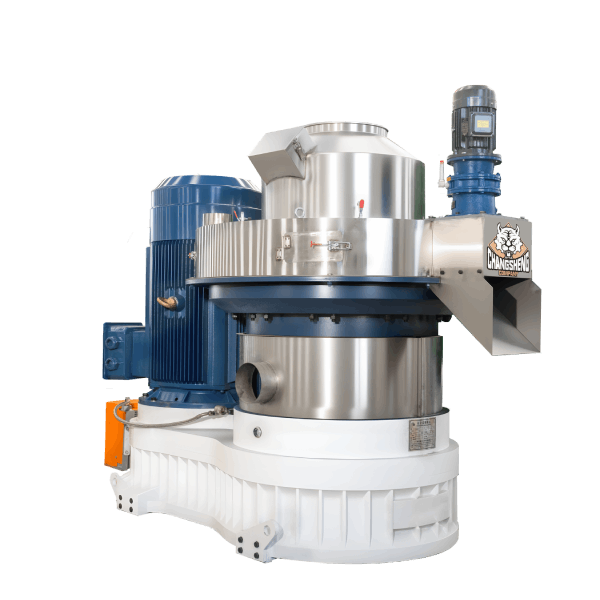
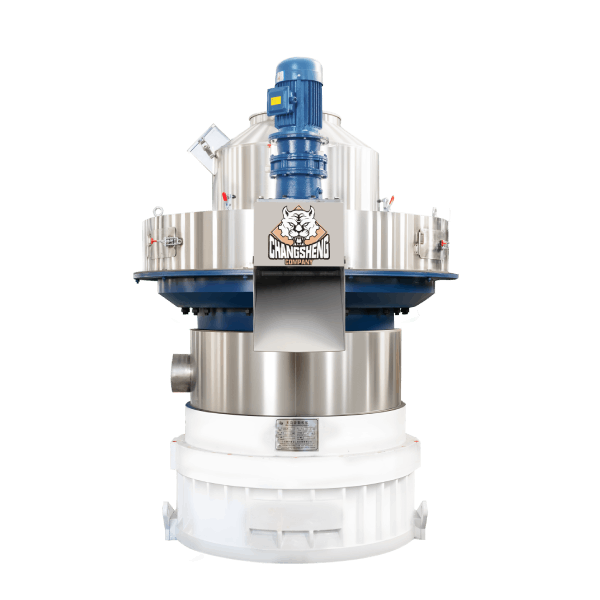
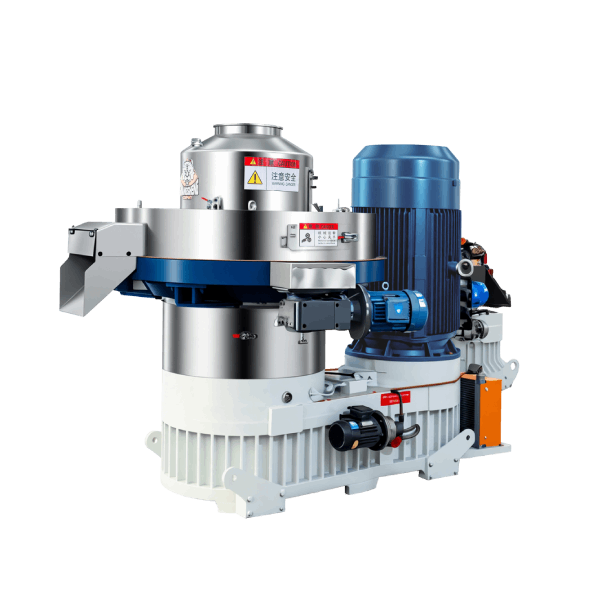
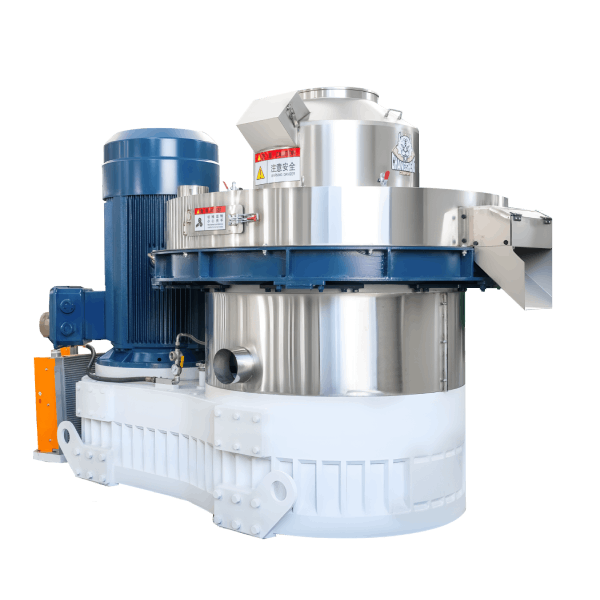
- Ring die pellet mill (alloy steel die, hardened rollers)
- Cooling & Screening
- Counterflow cooler (galvanized steel)
- Vibrating screen
- Packaging System
- Automatic weighing and bagging machine
- Dust Control System
- Cyclone separator + pulse jet dust collector
Manufacturing Process (Engineering Workflow)
The operation of a pellet processing line follows a structured workflow:
- Raw Material Feeding
- Equipment: Conveyor + feeder
- Key point: Stable feeding ensures uniform output
- Crushing
- Equipment: Hammer mill
- Particle size controlled to ≤5 mm
- Drying
- Equipment: Rotary dryer
- Reduce moisture to 10–15%
- Pelletizing
- Equipment: Ring die pellet machine
- High pressure compresses material into pellets
- Cooling
- Equipment: Counterflow cooler
- Prevent pellet deformation and cracks
- Screening & Packaging
- Remove fines and ensure product consistency
Industry Comparison
| Factor | Pellet Processing Line | Briquette Line | Feed Pellet Line |
|---|---|---|---|
| Product Uniformity | High | Medium | High |
| Automation Level | High | Low–Medium | High |
| Application Scope | Energy & fuel | Fuel | Animal feed |
| Energy Efficiency | High | Medium | High |
| Market Demand | Growing | Stable | Mature |
Application Scenarios
A pellet processing line is suitable for:
- Distributors / Importers
- Supply biomass pellets to heating markets
- EPC Contractors
- Develop renewable energy projects
- Industrial Enterprises
- Replace fossil fuels in boilers
- Agricultural Processors
- Convert waste into value-added fuel
Core Pain Points & Solutions
1. Low Pellet Durability
- Cause: Improper moisture or compression ratio
- Solution: Install moisture control system and optimize die parameters
2. High Maintenance Frequency
- Cause: Wear on die and rollers
- Solution: Use heat-treated alloy components and scheduled maintenance
3. Excessive Energy Consumption
- Cause: Inefficient drying or grinding
- Solution: Optimize airflow and adopt variable frequency drives
4. Dust and Environmental Issues
- Cause: Poor sealing and filtration
- Solution: Integrate pulse dust collection systems
Risk Warnings & Mitigation
- Fire Hazard in Drying System
- Install temperature sensors and fire suppression systems
- Overloading of Pellet Mill
- Use automatic load protection and control systems
- Raw Material Variability
- Pre-process and mix materials for consistency
- Improper Installation
- Require professional EPC commissioning
Procurement Selection Guide (≥6 Steps)
- Define Production Capacity
- Determine hourly and annual output
- Evaluate Raw Material Type
- Wood, straw, rice husk, etc.
- Assess Moisture Content
- Decide drying system capacity
- Check Core Components
- Pellet mill, die material, motor brand
- Review Automation Requirements
- PLC control, remote monitoring
- Analyze Energy Consumption
- Calculate cost per ton
- Verify Supplier Capability
- Engineering experience and project cases
Engineering Case Study
Project: 10 T/H Pellet Processing Line in Eastern Europe
- Raw Material: Pine wood chips
- Installed Power: 1,200 kW
- Drying Input Moisture: 40% → Output: 12%
- Pellet Diameter: 6 mm
Results:
- Stable output at 9.5–10 T/H
- Pellet durability >96%
- Energy cost reduced by 15% after optimization
FAQ (Frequently Asked Questions)
1. What is the ideal raw material size?
≤5 mm after crushing.
2. What moisture is required before pelletizing?
10–15% for optimal performance.
3. What is the lifespan of pellet mill components?
Die: 800–1,500 hours; rollers: 600–1,000 hours.
4. Can multiple raw materials be mixed?
Yes, with proper proportion control.
5. Is continuous operation possible?
Yes, designed for 24/7 industrial use.
6. How many operators are required?
3–8 depending on automation level.
7. What is the power consumption?
Typically 80–280 kWh per ton.
8. Is dust control necessary?
Yes, for safety and environmental compliance.
9. Can the system be customized?
Yes, based on raw material and capacity.
10. What is the ROI period?
Usually 12–24 months depending on market conditions.
Call to Action (CTA)
For detailed layouts, technical specifications, or a customized quotation for your pellet processing line, contact Shandong Changsheng Machinery.
Request engineering drawings, sample testing, and cost analysis to support your procurement decision.
E-E-A-T Authoritative Statement
This content is developed by engineering specialists with over a decade of experience in pellet equipment manufacturing and international project delivery. The team at Shandong Changsheng Machinery has implemented multiple pellet processing line projects across Asia, Europe, and Africa, providing reliable, data-driven solutions tailored to industrial buyers and EPC contractors.