Pellet machine pellets too soft or broken: causes and solutions
News 2026-03-09
Pellet Machine Pellets Too Soft or Broken: Engineering Diagnosis and Industrial Solutions
Product Definition
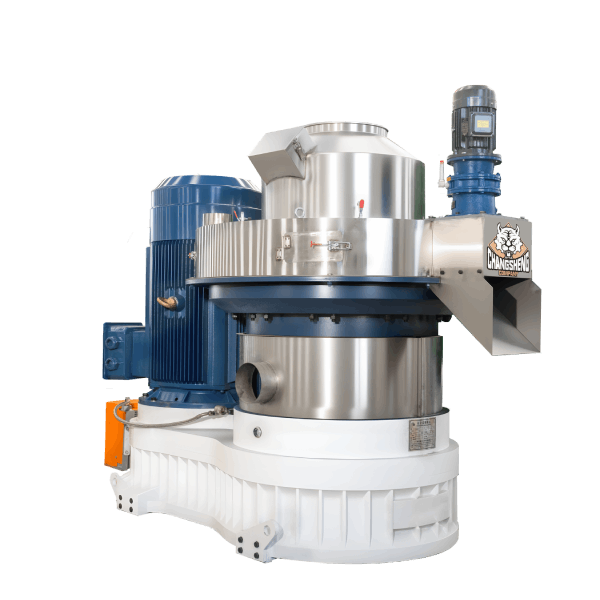
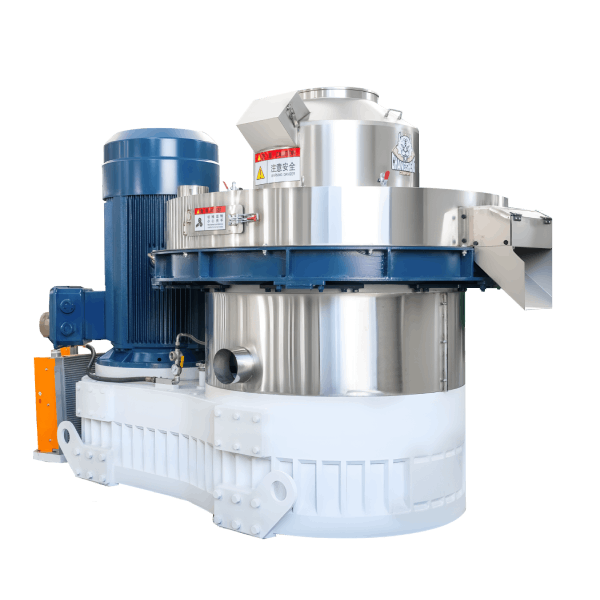
A pellet machine is an industrial system that compresses biomass materials such as sawdust, wood chips, and agricultural residues into cylindrical fuel pellets through high pressure and friction. When pellet machine pellets too soft or broken occur, pellet durability, storage stability, and transportation efficiency are significantly reduced.
For biomass pellet producers and equipment integrators, identifying the causes of pellet machine pellets too soft or broken is essential for maintaining product quality and stable plant operation.
Technical Parameters and Specifications
The following operational parameters strongly influence pellet quality and help diagnose pellet machine pellets too soft or broken problems.
Production capacity: 1–6 tons per hour depending on machine model
Main motor power: 90–315 kW
Ring die diameter: 450–850 mm
Pellet diameter: 6–10 mm
Compression ratio: 1:6 to 1:10 depending on raw material
Optimal raw material moisture: 10–15 percent
Raw material particle size: ≤5 mm recommended
Operating temperature: 75–95°C during compression
Pellet durability index (PDI): ≥95 percent for industrial pellets
If these parameters deviate significantly from recommended ranges, pellet machine pellets too soft or broken problems are likely to occur.
Structure and Material Composition
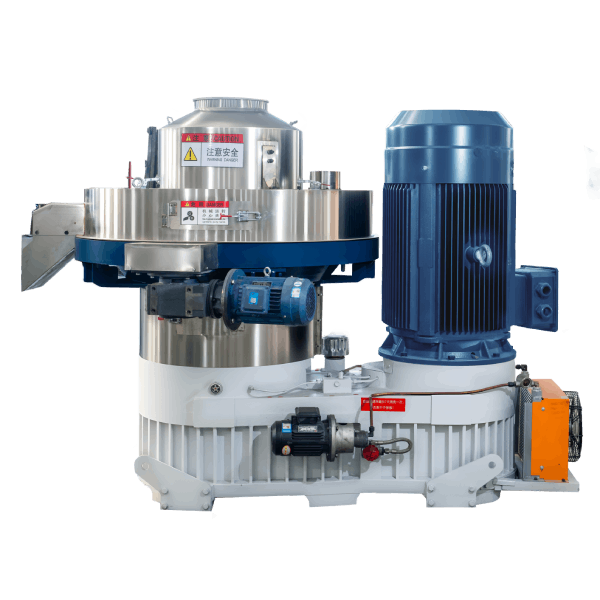
Pellet machines include several key structural components responsible for pellet density and mechanical integrity.
Main frame
Heavy-duty welded steel structure
Provides stability and vibration resistance
Ring die
Heat-treated alloy steel compression die
Determines pellet density and compression ratio
Compression rollers
High-strength chromium steel rollers
Apply pressure to force biomass through die holes
Main shaft assembly
Alloy steel rotating shaft
Transfers torque from motor to die system
Bearing system
Heavy-duty spherical roller bearings
Support continuous high-speed operation
Transmission system
Gearbox or belt drive
Regulates torque and rotational speed
Maintaining these components properly helps prevent pellet machine pellets too soft or broken during production.
Manufacturing Process
Industrial pellet machines are manufactured using engineering processes designed to maintain stable pellet quality.
Step 1 Raw material selection
Structural steel and alloy steel components are selected according to load requirements.
Step 2 CNC machining
Critical components such as shafts, dies, and rollers are precision machined.
Step 3 Heat treatment
Components undergo quenching and tempering to increase hardness and wear resistance.
Step 4 Dynamic balancing
Rotating assemblies are balanced to reduce vibration.
Step 5 Assembly and calibration
Die and roller clearances are calibrated to ensure proper compression pressure.
Step 6 Performance testing
Machines are tested under load to verify pellet quality and stability.
Proper manufacturing precision reduces the risk of pellet machine pellets too soft or broken.
Industry Comparison
Pelletizing Equipment | Pellet Density | Breakage Rate | Production Efficiency
Ring die pellet machine | High | Low | High
Flat die pellet machine | Medium | Moderate | Moderate
Screw extrusion pelletizer | Medium | Higher | Lower
Hydraulic briquette press | Very high | Very low | Low production speed
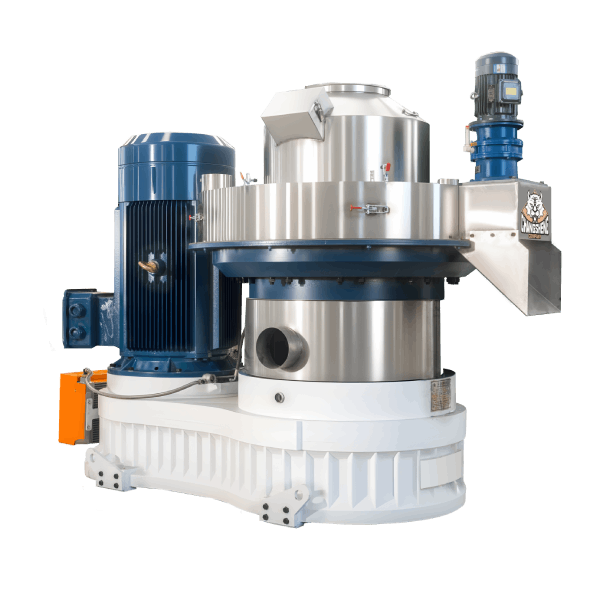
Industrial biomass plants typically use ring die pellet machines because they produce pellets with higher durability and lower breakage rates.
Application Scenarios
Solving pellet machine pellets too soft or broken issues is important in multiple biomass processing industries.
Biomass fuel pellet plants
Producing heating fuel pellets for residential or industrial markets.
Agricultural residue processing facilities
Converting straw, rice husk, and corn stalks into energy pellets.
Industrial pellet export plants
Manufacturing pellets for international energy markets requiring high pellet durability.
Equipment distributors and EPC contractors
Supplying pellet production lines to biomass energy projects.
In these industries, pellet durability directly affects storage, transportation, and combustion performance.
Core Pain Points and Engineering Solutions
Problem 1 High raw material moisture
Cause
Moisture above 15 percent reduces compression strength.
Solution
Install drying systems to maintain moisture between 10 and 15 percent.
Problem 2 Incorrect die compression ratio
Cause
Low compression ratios reduce pellet density.
Solution
Select ring dies with compression ratios matched to specific biomass materials.
Problem 3 Inconsistent raw material particle size
Cause
Large or uneven particles weaken pellet structure.
Solution
Install hammer mills and screening systems before pelletizing.
Problem 4 Insufficient roller pressure
Cause
Incorrect roller clearance reduces compression force.
Solution
Adjust roller gaps according to manufacturer specifications.
Risk Warnings and Prevention Strategies
Ignoring pellet machine pellets too soft or broken problems can create serious operational risks.
Possible risks include
Pellet breakage during transportation
Reduced combustion efficiency
Increased dust generation
Customer quality complaints
Lower market price for pellets
Preventive strategies include
Maintain strict moisture control
Inspect die and roller wear regularly
Ensure proper particle size preparation
Monitor pellet durability index
Conduct regular equipment calibration
Procurement and Equipment Selection Guide
Step 1 Identify target pellet specifications
Define pellet diameter, density, and durability requirements.
Step 2 Evaluate die compression ratio
Select dies specifically designed for the intended biomass material.
Step 3 Inspect roller material quality
High-strength rollers maintain stable compression pressure.
Step 4 Confirm machine structural rigidity
Heavy-duty frames improve compression stability.
Step 5 Evaluate raw material preparation systems
Efficient grinding and drying systems improve pellet strength.
Step 6 Verify manufacturer testing procedures
Reliable suppliers test pellet durability during equipment commissioning.
Step 7 Assess spare parts availability
Quick replacement of dies and rollers ensures consistent pellet quality.
Engineering Case Study
A biomass pellet plant in South America producing 3 tons per hour of wood pellets experienced frequent pellet breakage during transportation.
Engineering analysis revealed two major issues:
Raw material moisture averaged 18 percent.
The installed die had an insufficient compression ratio.
After installing a rotary dryer and replacing the die with a higher compression ratio model, pellet durability increased to 96 percent PDI and pellet breakage during transportation decreased significantly.
Production stability and product quality improved within two weeks of operational adjustments.
FAQ
Why are pellet machine pellets too soft or broken
Common causes include excessive moisture, improper compression ratio, or insufficient roller pressure.
What moisture level is best for pellet production
Most biomass materials require moisture between 10 and 15 percent.
Can worn dies cause soft pellets
Yes. Worn die holes reduce compression efficiency.
Does particle size affect pellet strength
Yes. Fine and uniform particle size improves pellet durability.
How can pellet durability be measured
Pellet durability index testing measures resistance to breakage.
Do roller adjustments affect pellet density
Correct roller pressure significantly improves pellet strength.
Can raw material contamination affect pellets
Yes. Sand and debris weaken pellet structure.
What compression ratio is recommended
Most biomass pellets require compression ratios between 1:6 and 1:10.
How often should pellet quality be inspected
Quality inspection is recommended daily during production.
Should pellet plants maintain spare dies
Yes. Keeping spare dies ensures continuous production and stable pellet quality.
Request Technical Support
Procurement managers, distributors, and engineering contractors can request technical specifications, pellet quality testing guidance, equipment drawings, and quotation packages for pellet production systems and pellet machine components.
E-E-A-T Author Expertise
This article was prepared by engineers with more than ten years of experience in biomass pellet machine design, pellet production optimization, and industrial biomass energy projects. The technical insights presented are based on real operational experience from pellet production plants and equipment manufacturing facilities serving global biomass fuel markets.