Pellet machine troubleshooting guide for industrial pellet production
News 2026-03-09
Pellet Machine Troubleshooting Guide for Industrial Biomass Production
Product Definition
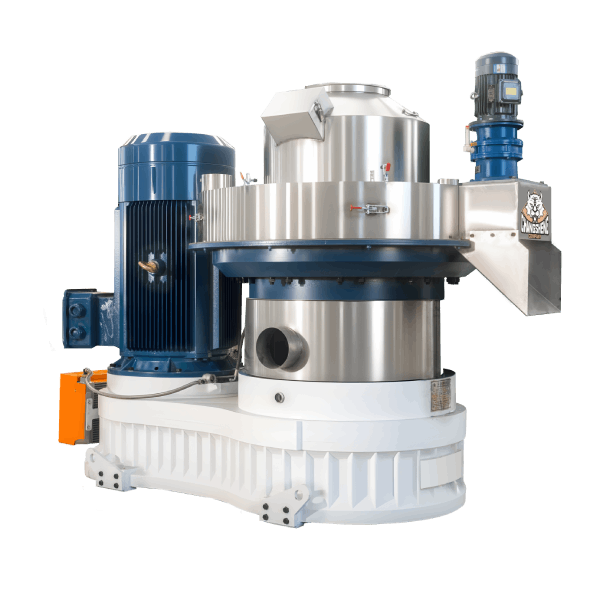
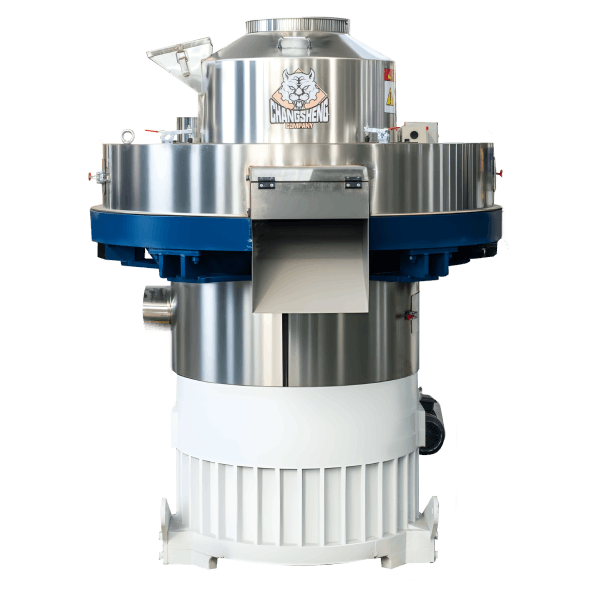
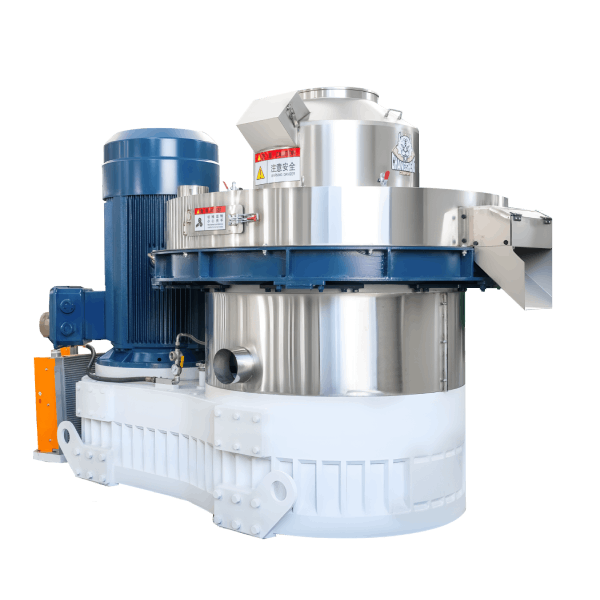
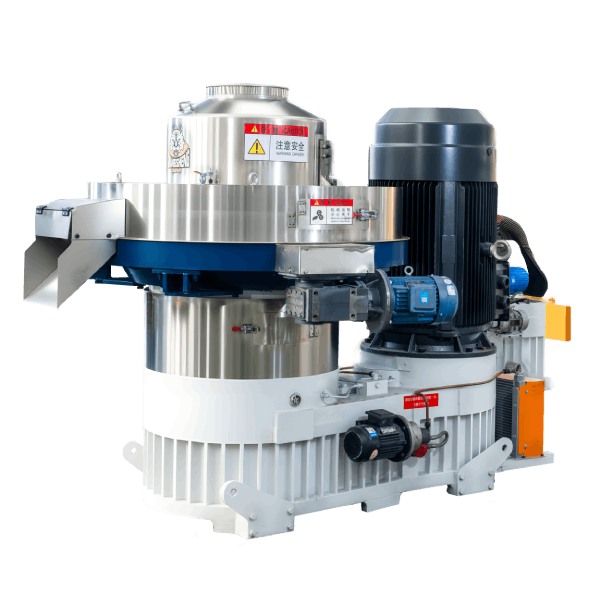
A pellet machine is an industrial compression system designed to convert biomass materials such as sawdust, wood chips, and agricultural residues into dense cylindrical fuel pellets. A professional pellet machine troubleshooting guide helps operators quickly diagnose operational problems, maintain stable production, and minimize equipment downtime in industrial pellet plants.
For EPC contractors, equipment distributors, and biomass fuel manufacturers, a structured pellet machine troubleshooting guide is an essential operational reference that improves maintenance efficiency and protects production capacity.
Technical Parameters and Specifications
Understanding basic equipment parameters is critical when using a pellet machine troubleshooting guide to diagnose operational issues.
Production capacity: 1–6 tons per hour depending on machine model
Main motor power: 90–315 kW
Ring die diameter: 450–850 mm
Compression rollers: 2–3 units
Operating speed: 300–450 rpm
Pellet diameter: 6–10 mm
Optimal raw material moisture: 10–15 percent
Operating temperature: 70–95°C
Allowable vibration amplitude: ≤2.8 mm/s
Bearing temperature limit: ≤85°C
If operating conditions exceed these values, troubleshooting procedures should be implemented immediately to prevent equipment damage.
Structure and Material Composition
A pellet machine includes several key mechanical systems that must be inspected during troubleshooting.
Main frame
Heavy-duty welded steel structure
Provides vibration resistance and machine stability
Main shaft assembly
High-strength alloy steel shaft
Transmits torque from the motor to the ring die
Ring die
Heat-treated alloy steel die
Forms compressed pellets from biomass materials
Compression rollers
Wear-resistant chromium steel rollers
Apply pressure to force material through die holes
Bearing system
Heavy-load spherical roller bearings
Support high-speed rotating assemblies
Transmission system
Gearbox or belt drive
Controls rotational speed and torque
Understanding these components allows technicians to apply the pellet machine troubleshooting guide systematically.
Manufacturing Process
High-quality pellet machines are manufactured using precision engineering methods that reduce operational failures.
Step 1 Material preparation
Structural steel and alloy steel components are selected based on mechanical load requirements.
Step 2 CNC machining
Critical components such as shafts, dies, and rollers are processed with precision CNC equipment.
Step 3 Heat treatment
Quenching and tempering processes increase component hardness and fatigue resistance.
Step 4 Dynamic balancing
Rotating parts are dynamically balanced to reduce operational vibration.
Step 5 Assembly and alignment
Mechanical components are assembled using calibrated alignment tools.
Step 6 Performance testing
Each machine is tested under simulated production conditions to confirm stability.
Proper manufacturing processes significantly reduce the frequency of troubleshooting events.
Industry Comparison
Equipment Type | Troubleshooting Complexity | Maintenance Level | Production Stability
Ring die pellet machine | Moderate | Medium | High
Flat die pellet machine | Moderate | Medium | Moderate
Extrusion pelletizer | High | High | Low–moderate
Hydraulic briquette press | Low | Low | Stable but slower
In industrial biomass production lines, ring die pellet machines are commonly used because troubleshooting procedures are well documented and mechanical reliability is high.
Application Scenarios
A pellet machine troubleshooting guide is widely used in various industrial biomass production environments.
Biomass pellet manufacturing plants
High-capacity wood pellet production facilities.
Agricultural waste pellet plants
Processing straw, rice husk, and corn stalks.
Biomass energy projects
Producing fuel pellets for heating systems or power plants.
Equipment distributors and system integrators
Providing technical support to pellet machine users.
Industrial pellet export facilities
Ensuring consistent pellet quality for international markets.
For these users, troubleshooting knowledge ensures production continuity and equipment longevity.
Core Pain Points and Engineering Solutions
Problem 1 Low pellet output
Cause
Improper die compression ratio or low raw material density.
Solution
Adjust die specifications and optimize raw material preparation.
Problem 2 Pellet machine vibration
Cause
Rotor imbalance, loose foundation bolts, or worn bearings.
Solution
Perform dynamic balancing and reinforce machine foundation.
Problem 3 Pellet breakage or poor density
Cause
Incorrect moisture content or roller pressure.
Solution
Maintain raw material moisture between 10 and 15 percent and adjust roller clearance.
Problem 4 Frequent machine blockage
Cause
Raw material particle size too large or high fiber content.
Solution
Install hammer mills and screening systems before pelletizing.
Risk Warnings and Prevention Strategies
If troubleshooting procedures are ignored, the following risks may occur.
Mechanical component damage
Bearing failure and overheating
Production line shutdown
Reduced pellet quality
Increased energy consumption
Preventive strategies include
Install vibration monitoring devices
Train operators on troubleshooting procedures
Maintain proper lubrication schedules
Conduct periodic inspection of die and rollers
Maintain stable raw material preparation systems
Procurement and Equipment Selection Guide
Step 1 Define production capacity
Determine pellet output requirements before selecting equipment.
Step 2 Evaluate machine frame design
Heavy-duty frames reduce vibration and simplify troubleshooting.
Step 3 Verify component quality
Ensure the machine uses high-quality bearings and alloy steel components.
Step 4 Assess manufacturer technical support
Reliable suppliers provide troubleshooting manuals and engineering assistance.
Step 5 Review spare parts availability
Quick access to dies, rollers, and bearings reduces downtime.
Step 6 Inspect manufacturing processes
Look for CNC machining, heat treatment, and dynamic balancing procedures.
Step 7 Evaluate lifecycle operating cost
Maintenance and troubleshooting costs should be considered during procurement.
Engineering Case Study
A biomass pellet production plant in Eastern Europe operating a 4 ton per hour pellet line reported frequent pellet breakage and reduced production capacity.
Using a structured pellet machine troubleshooting guide, engineers identified two main issues:
Raw material moisture exceeded 18 percent.
Roller clearance was incorrectly adjusted.
After installing a drying system and recalibrating the roller gap, pellet density increased by 15 percent and machine output returned to normal levels. Production downtime was reduced by approximately 30 percent.
This case demonstrates how systematic troubleshooting improves pellet plant performance.
FAQ
What is a pellet machine troubleshooting guide
It is a technical reference used to diagnose and resolve operational problems in pellet machines.
What causes pellet machines to stop producing pellets
Common causes include die blockage, improper moisture content, or worn rollers.
How can pellet machine vibration be reduced
Dynamic balancing, proper installation, and bearing maintenance help reduce vibration.
Why are pellets breaking during production
Low compression pressure or incorrect moisture levels often cause pellet breakage.
How often should pellet machines be inspected
Routine inspection is recommended daily, with detailed checks every 200–300 operating hours.
Can raw material quality affect pellet machine performance
Yes. Particle size, moisture content, and contaminants influence pellet quality.
What is the optimal moisture content for pelletizing
Most biomass materials require moisture between 10 and 15 percent.
Do worn dies affect pellet production
Yes. Worn dies reduce compression efficiency and pellet density.
How can machine blockage be prevented
Proper grinding, screening, and moisture control reduce blockage risk.
Should pellet plants maintain spare components
Yes. Keeping spare dies, rollers, and bearings minimizes production downtime.
Request Technical Support
Professional buyers, EPC contractors, and biomass plant operators can request detailed pellet machine troubleshooting manuals, engineering consultation, equipment specifications, or quotation packages for pellet production systems and spare components.
E-E-A-T Author Expertise
This article was prepared by engineers with more than ten years of experience in biomass pellet machine manufacturing, mechanical diagnostics, and industrial pellet production line engineering. The technical recommendations are based on practical field experience supporting biomass pellet plants, equipment distributors, and EPC engineering projects worldwide.