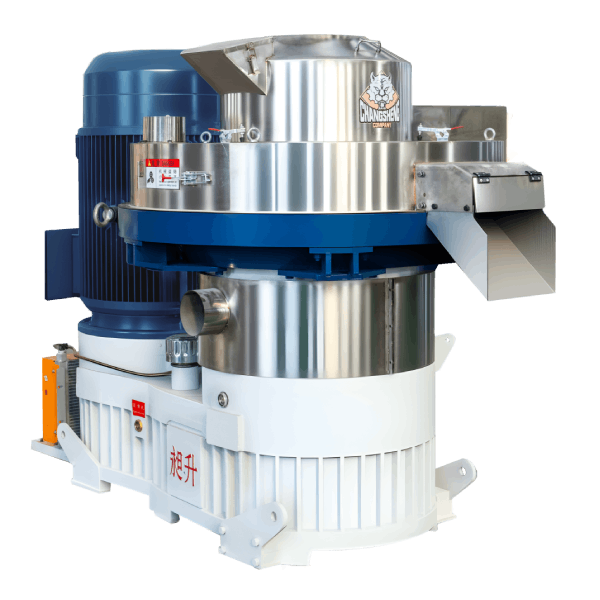
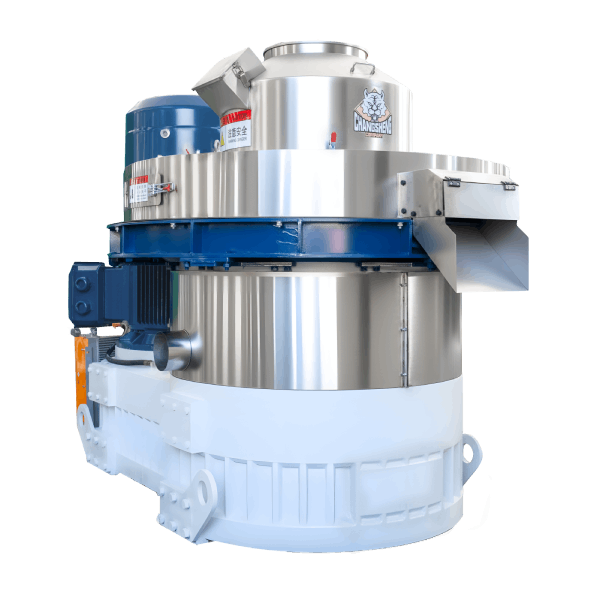
Pellet Machine High Temperature Issue Causes and Solutions
News 2026-03-05
Pellet Machine High Temperature Issue: Engineering Diagnosis and Control Strategy
Product Definition
Pellet machine high temperature issue refers to abnormal heat accumulation in the die, rollers, bearings, or main drive system during biomass compression. When operating temperatures exceed designed thermal limits, pellet quality declines, lubrication degrades, component wear accelerates, and unplanned shutdown risks increase in continuous industrial production environments.
- Technical Overview
In industrial biomass pellet production, controlled thermal behavior is essential for stable densification. A pellet machine high temperature issue typically manifests as die surface temperatures exceeding 100°C, bearing housing overheating, excessive motor current, or burnt odor in the pressing chamber.
Moderate heat (70–90°C in the compression zone) is necessary to activate lignin binding in wood biomass. However, excessive heat indicates friction imbalance, material inconsistency, or mechanical overload. For EPC contractors and plant operators, identifying the root cause early prevents severe mechanical damage and production downtime.
- Technical Parameters and Operating Specifications
Maintaining the following operating window minimizes pellet machine high temperature issue risks:
Die Working Temperature
• Normal compression range: 70–90°C
• Warning threshold: >100°C
Main Bearing Temperature
• Normal: 50–75°C
• Maximum continuous limit: 85°C
Motor Load
• Recommended operating load: 85–95% rated current
• Overload >100% increases heat buildup
Material Moisture
• Wood biomass: 10–15%
• Agricultural residues: 12–18%
Roller–Die Clearance
• 0.1–0.3 mm
Lubrication Interval
• Automatic grease injection every 15–30 minutes in heavy-duty systems
Deviation from these parameters is a common trigger for pellet machine high temperature issue in long-shift production lines.
- Structural Design and Material Composition
The thermal stability of a pellet mill depends on component design and material selection.
Ring Die
• Forged 42CrMo alloy steel
• Vacuum heat treated
• High surface hardness (52–58 HRC)
Press Rollers
• Alloy steel body
• Replaceable hardened shell
• Internal bearing lubrication system
Main Shaft Assembly
• Forged steel
• Dynamic load-balanced
Bearing System
• Heavy-duty spherical roller bearings
• High-temperature grease rating above 180°C
Cooling System
• Optional air-cooling or forced ventilation structure
Insufficient lubrication, poor alloy quality, or inadequate ventilation design increases the likelihood of pellet machine high temperature issue.
- Manufacturing and Engineering Process
Thermal performance is influenced by production precision.
Step 1: Raw Material Conditioning
Uniform drying ensures consistent compression resistance.
Step 2: Precision Die Drilling
CNC deep-hole drilling ensures smooth material extrusion.
Step 3: Heat Treatment
Controlled quenching improves wear resistance and thermal tolerance.
Step 4: Dynamic Balancing
Reduces friction and vibration under load.
Step 5: Factory Load Testing
Machines tested at 80–90% rated load for temperature stability.
Improper machining tolerance or uneven heat treatment can create friction hotspots, leading to pellet machine high temperature issue during field operation.
- Industry Comparison Table
Operating Condition Comparison
Factor | Stable System | Overheating-Prone System
Die Temperature | 80–90°C | >105°C
Bearing Temp | <75°C | >90°C
Motor Load | Stable 90% | Frequent overload
Lubrication | Automated | Manual/irregular
Material Moisture | Controlled | Fluctuating
Downtime | Low | Frequent
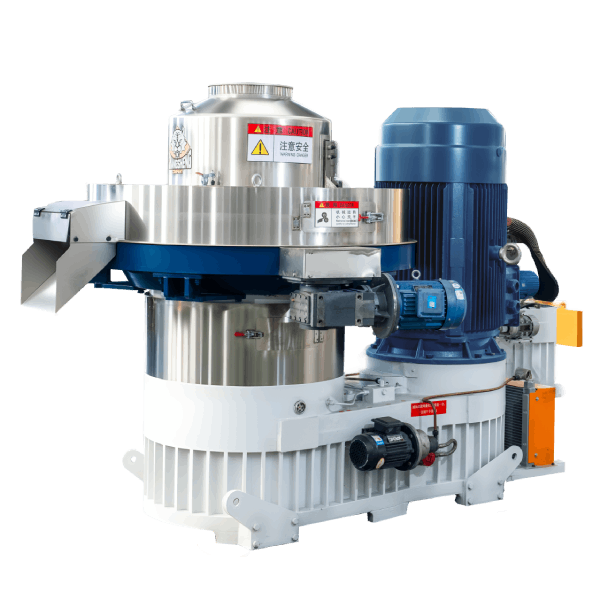
Plants with automated lubrication and moisture monitoring show significantly lower pellet machine high temperature issue frequency.
- Application Scenarios
Distributors
• After-sales service for overheating diagnostics
EPC Contractors
• Commissioning validation and load calibration
Engineering Consultants
• Specification review for tropical climates
Biomass Fuel Producers
• 16–24 hour continuous production
Agricultural Waste Processors
• Variable raw material density environments
In high-humidity or high-ambient-temperature regions, pellet machine high temperature issue risks increase without proper ventilation design.
- Core Pain Points and Engineering Solutions
Pain Point 1: Die Temperature Exceeds 110°C
Solution: Adjust roller clearance and check compression ratio.
Pain Point 2: Bearing Housing Overheating
Solution: Upgrade grease grade and verify lubrication cycle frequency.
Pain Point 3: Frequent Shutdown Due to Motor Overload
Solution: Evaluate feed rate consistency and motor power margin.
Pain Point 4: Burnt Pellet Surface
Solution: Optimize moisture control and reduce excessive friction.
Pain Point 5: Temperature Spikes After Die Replacement
Solution: Conduct controlled break-in procedure at partial load.
Systematic process control eliminates most pellet machine high temperature issue scenarios.
- Risk Warnings and Preventive Measures
• Do not operate at full load during initial die installation.
• Avoid feeding overly dry material below 8% moisture.
• Ensure ventilation openings remain unobstructed.
• Replace worn bearings promptly.
• Monitor amperage and temperature using digital sensors.
Ignoring early signs of pellet machine high temperature issue can lead to shaft deformation or die cracking.
- Procurement and Selection Guide
Step 1: Define required hourly capacity and duty cycle.
Step 2: Confirm motor power includes 10–15% safety margin.
Step 3: Verify die material certification and hardness report.
Step 4: Evaluate lubrication system automation level.
Step 5: Assess cooling and ventilation design.
Step 6: Review bearing brand and temperature rating.
Step 7: Request thermal performance test data.
Step 8: Confirm spare parts availability and service support.
Careful procurement planning reduces pellet machine high temperature issue probability during long-term operation.
- Engineering Case Study
Project: 4 t/h Hardwood Pellet Line
Operation: 20 hours per day
Initial Condition
After two months, pellet machine high temperature issue occurred. Die temperature reached 112°C and bearings exceeded 92°C.
Root Causes Identified
• Raw material moisture dropped to 8%
• Manual lubrication intervals inconsistent
• Roller clearance measured at 0.05 mm (too tight)
Corrective Measures
• Increased moisture to 12%
• Installed automatic lubrication pump
• Adjusted clearance to 0.2 mm
Results After 4 Months
• Die temperature stabilized at 85–90°C
• Bearing temperature reduced to 70°C
• Output increased by 12%
• No recurring pellet machine high temperature issue
This engineering adjustment restored mechanical balance and improved long-term reliability.
- FAQ – Pellet Machine High Temperature Issue
- What is the normal die temperature range?
70–90°C during stable compression. - Can low moisture cause overheating?
Yes, it increases friction resistance. - Is high motor load always a cause?
Often, but mechanical friction must also be checked. - Do worn rollers increase temperature?
Yes, uneven pressure creates localized heat. - Should lubrication be automated?
For industrial plants, yes. - Can bearing quality affect temperature?
Lower-grade bearings overheat faster. - Does compression ratio impact heat?
Higher ratios generate more friction heat. - Is ventilation important?
Yes, especially in tropical climates. - Can improper installation cause overheating?
Misalignment increases friction and load. - How often should temperature be monitored?
Continuously with digital sensors. - Request Technical Support and Documentation
For assistance addressing pellet machine high temperature issue in your facility, request:
• Thermal inspection checklist
• Die and roller technical specification sheet
• Lubrication system configuration details
• Performance testing report
• Spare parts quotation
Submit operating parameters and raw material data for structured engineering evaluation.
Author Expertise Statement (E-E-A-T)
This technical analysis is prepared by mechanical engineers and biomass commissioning specialists with over 15 years of experience in industrial pellet production systems. The recommendations are based on field diagnostics, operational data from continuous production plants, and equipment performance testing under heavy-duty conditions.
For detailed consultation regarding pellet machine high temperature issue, contact our engineering team for professional review and procurement guidance.