Pellet machine not forming pellets
News 2026-03-05
Pellet Machine Not Forming Pellets: Engineering Diagnosis and Corrective Strategy
Product Definition
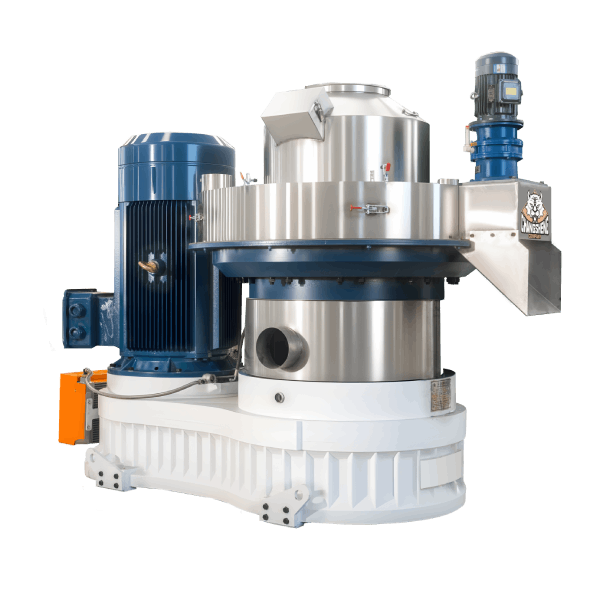
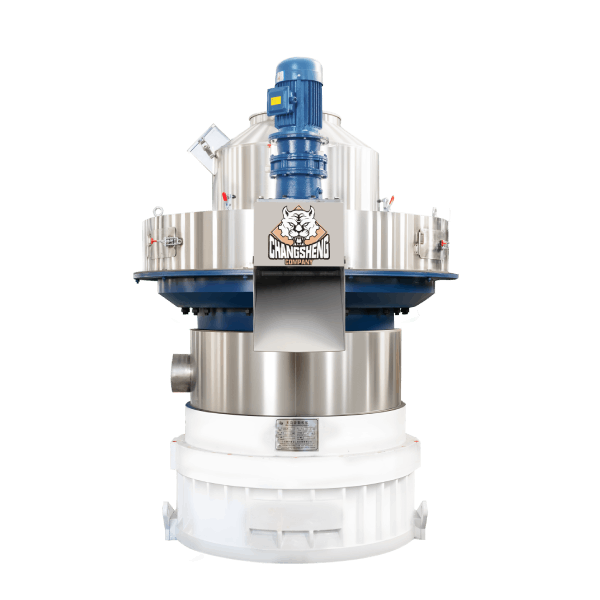
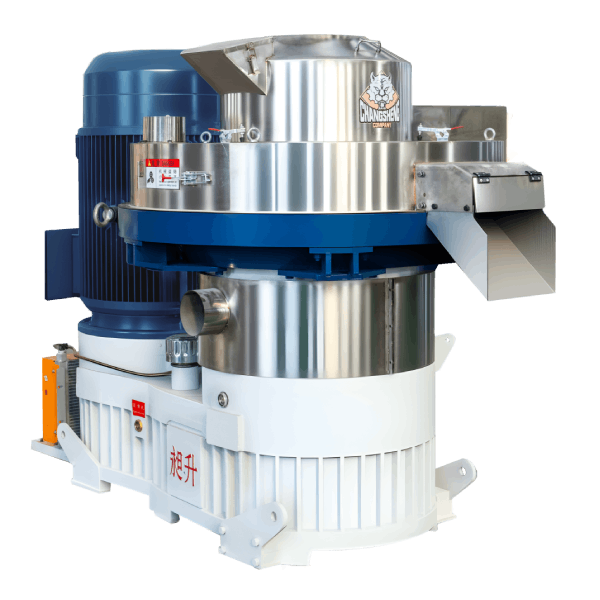
Pellet machine not forming pellets refers to a production failure where raw biomass material passes through the pelletizing chamber but fails to compress into stable cylindrical pellets. This condition affects output capacity, energy efficiency, and equipment reliability, requiring systematic technical diagnosis and parameter correction.
- Technical Overview of the Problem
In industrial biomass plants, pellet machine not forming pellets is a frequent commissioning and operational issue. Instead of dense pellets, operators observe loose powder, cracked fragments, or complete discharge without pellet formation.
This problem typically results from a mismatch between material properties, die compression ratio, moisture level, and mechanical pressure. For procurement managers and EPC contractors, resolving pellet machine not forming pellets is essential to avoid production delays and financial loss.
- Technical Parameters and Operating Specifications
Proper pellet formation depends on tightly controlled operating parameters.
Raw Material Moisture
• Recommended range (wood biomass): 10%–15%
• Below 9%: insufficient plasticization
• Above 17%: deformation and collapse
Particle Size After Milling
• Optimal: 3–5 mm
• Oversized particles reduce compression efficiency
Die Compression Ratio
• Softwood: 1:6–1:8
• Hardwood: 1:8–1:10
• Straw/agricultural residue: 1:4–1:6
Main Motor Load
• Normal production: 85%–95% rated current
• Low load often indicates insufficient compression
Die Temperature During Operation
• Stable range: 70–90°C
If these parameters are outside specification, pellet machine not forming pellets becomes highly probable.
- Structural Components and Material Composition
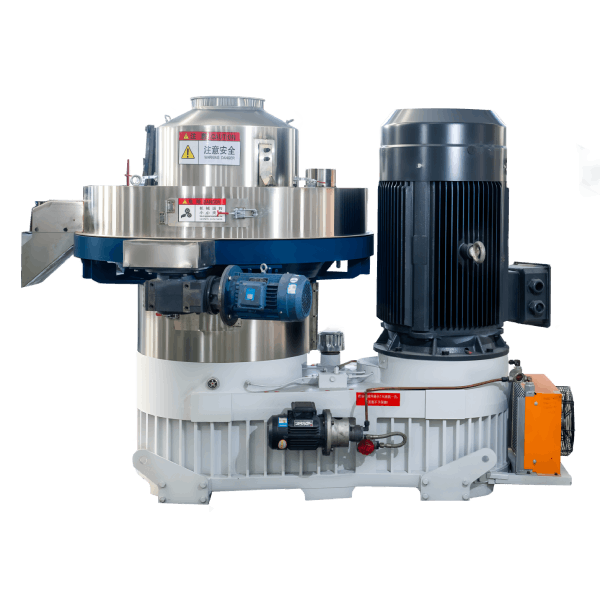
Pellet formation is influenced by mechanical structure and material quality.
Ring Die
• Forged alloy steel (commonly 42CrMo grade)
• Vacuum heat-treated
• Hardness range: 52–58 HRC
• Precision drilling tolerance within ±0.02 mm
Press Rollers
• Alloy steel core
• Wear-resistant outer shell
• Adjustable roller-die clearance
Feeding System
• Variable frequency controlled
• Uniform feed distribution
Main Shaft and Bearings
• Forged steel shaft
• Heavy-duty sealed bearings
Improper die hardness, inaccurate hole finishing, or excessive roller clearance can cause pellet machine not forming pellets under load.
- Manufacturing Process and Engineering Control
Equipment manufacturing quality directly impacts pellet formation reliability.
Step 1: Raw Material Preparation
Drying system ensures consistent moisture.
Step 2: Crushing and Screening
Hammer mill reduces material to controlled particle size.
Step 3: Conditioning (If Applicable)
Optional steam or moisture adjustment improves plasticity.
Step 4: Compression in Pellet Chamber
High-pressure extrusion through die holes.
Step 5: Cooling and Stabilization
Counterflow cooler reduces pellet temperature and moisture.
Critical engineering control points include die hole surface smoothness, alignment accuracy, and uniform roller pressure distribution. Weaknesses at these stages contribute to pellet machine not forming pellets during startup or continuous operation.
- Industry Comparison Table
Performance Factors Comparison:
Item | Correctly Configured System | Poorly Configured System
Moisture Stability | Controlled | Fluctuating
Compression Ratio Match | Material-specific | Generic
Pellet Density | Stable | Low
Motor Load | Near rated capacity | Underloaded
Formation Consistency | Continuous | Intermittent
Failure Frequency | Low | High
Systematic configuration prevents pellet machine not forming pellets in commercial plants.
- Application Scenarios
Distributors
• Technical support for installation troubleshooting
EPC Contractors
• Commissioning phase performance validation
Engineering Consultants
• Specification review for project feasibility
Biomass Fuel Producers
• Continuous production reliability
Agricultural Waste Processors
• Variable material characteristics management
In these scenarios, pellet machine not forming pellets can delay project handover and reduce investor confidence.
- Core Pain Points and Engineering Solutions
Pain Point 1: Material Discharges as Powder
Solution: Adjust moisture to 12%–14% and reduce roller clearance.
Pain Point 2: Low Motor Load During Operation
Solution: Increase compression ratio or adjust feeder rate.
Pain Point 3: Die Holes Polished Too Smooth After Replacement
Solution: Pre-condition die using oily biomass mix to create friction layer.
Pain Point 4: High Fiber Raw Material Not Compacting
Solution: Reduce particle size and consider lower compression ratio die.
Pain Point 5: Startup Failure with New Die
Solution: Conduct gradual loading procedure and stabilize temperature before full feed.
Addressing these points reduces pellet machine not forming pellets incidents significantly.
- Risk Warnings and Preventive Measures
• Do not operate with moisture below recommended level.
• Avoid immediate full-load startup with new die.
• Monitor amperage continuously during production.
• Replace worn rollers before excessive clearance develops.
• Maintain consistent raw material blending to avoid fluctuation.
Ignoring these precautions increases mechanical stress and prolongs pellet machine not forming pellets troubleshooting time.
- Procurement and Selection Guide
Step 1: Analyze raw material type and seasonal variation.
Step 2: Confirm moisture control system specification.
Step 3: Select die compression ratio specific to biomass type.
Step 4: Verify die manufacturing process and hardness certificate.
Step 5: Confirm roller adjustment mechanism design.
Step 6: Review motor power margin (avoid undersized drive systems).
Step 7: Request commissioning support plan from supplier.
Step 8: Evaluate spare parts availability and delivery lead time.
A structured procurement process minimizes pellet machine not forming pellets risk after installation.
- Engineering Case Study
Project: 3 t/h Mixed Hardwood Pellet Line
Operating Schedule: 18 hours per day
Initial Problem
Pellet machine not forming pellets during first month. Material discharged as loose fiber.
Diagnosis
• Moisture fluctuated between 8% and 11%
• Die compression ratio selected at 1:10
• Particle size inconsistent (2–8 mm range)
Corrective Actions
• Installed inline moisture monitoring
• Replaced die with 1:8 ratio
• Standardized hammer mill screen to 4 mm
Results After 4 Months
• Stable pellet density achieved
• Motor load maintained at 90% rated
• No recurrence of pellet machine not forming pellets
• Production efficiency improved by approximately 15%
Engineering-based correction eliminated systemic configuration errors.
- FAQ – Pellet Machine Not Forming Pellets
- Why does raw material exit as powder?
Insufficient compression or incorrect moisture. - Can low temperature cause failure?
Yes, inadequate die temperature reduces material plasticity. - Is die hardness important?
Yes, improper hardness affects friction and extrusion quality. - Does roller pressure matter?
Yes, excessive clearance prevents effective compression. - Can oversized particles cause issues?
Yes, they disrupt uniform compaction. - Is steam conditioning mandatory?
Not always, but helpful for certain materials. - Should motor current be high?
Stable operation typically near rated load. - How long does die break-in take?
Several hours under controlled feed conditions. - Can lubrication fix pellet formation?
Lubrication protects bearings but does not solve material mismatch. - When should die be replaced?
When hole wear causes unstable pellet density. - Request Technical Evaluation
For professional assessment of pellet machine not forming pellets in your facility, request:
• Raw material compatibility analysis
• Die compression ratio recommendation
• Commissioning checklist
• Spare parts specification
• Formal quotation
Submit material samples and production targets for structured engineering review.
Author Expertise Statement (E-E-A-T)
This technical guide is prepared by mechanical engineers with more than 15 years of experience in biomass pellet plant design, commissioning, and operational optimization. The analysis is based on field diagnostics, industrial production data, and mechanical performance evaluation to support informed procurement and engineering decisions.
For project-specific evaluation related to pellet machine not forming pellets, contact our technical department for a detailed performance assessment report.