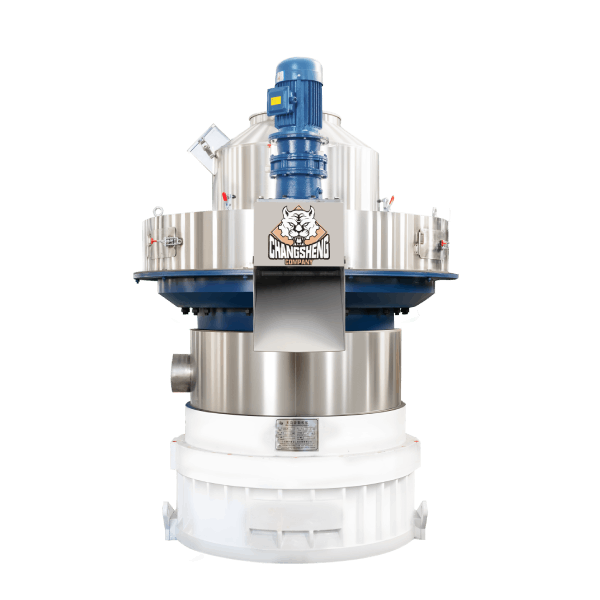
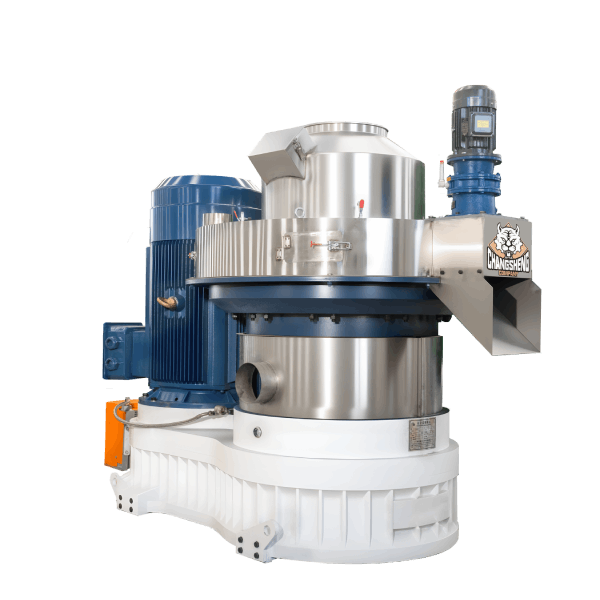
pellet production plant maintenance tips
News 2026-02-09
Pellet Production Plant Maintenance Tips: Engineering Best Practices for Industrial Operations
Product Definition (40–60 words)
Pellet production plant maintenance tips refer to systematic engineering practices, inspection standards, and preventive actions applied to pellet manufacturing facilities to ensure stable output, extended equipment lifespan, controlled operating costs, and safe continuous operation under industrial production conditions.
Technical Parameters and Maintenance Benchmarks
Effective pellet production plant maintenance tips must be based on measurable technical indicators rather than reactive repairs.
Operational Benchmarks
Designed operating hours: 6,000–8,000 hours per year
Recommended daily operation: ≤20 hours continuous
Load factor target: 85–90% of rated capacity
Unplanned downtime allowance: ≤3% annually
Mechanical Parameters
Pellet mill bearing temperature: ≤85°C
Main motor winding temperature: ≤110°C
Die working temperature: 70–95°C during operation
Vibration limit (rotating equipment): ≤4.5 mm/s
Consumable Lifespan (Typical Ranges)
Ring die lifespan: 800–1,200 operating hours
Roller shell lifespan: 1,000–1,500 operating hours
Hammer mill hammers: 600–1,000 operating hours
Lubrication grease replacement: every 250–500 hours
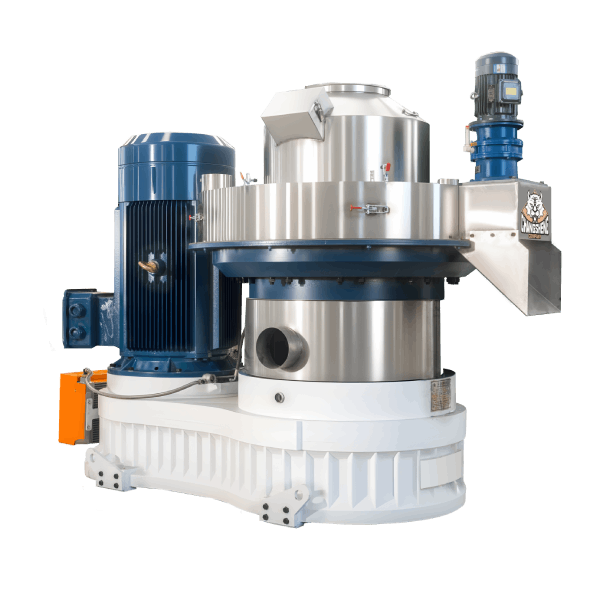
Structural and Material Composition Impacting Maintenance
Pellet production plant maintenance tips must consider how structure and materials affect wear and accessibility.
Pellet Mill Assembly
Heavy-duty carbon steel housing
Ring die and rollers manufactured from alloy steel (e.g., 42CrMo)
Forced lubrication systems for bearings
Size Reduction and Drying Systems
Hammer mills with replaceable alloy steel hammers
Rotary dryers with wear-resistant internal flights
Heat-resistant steel in hot air zones
Conveying and Handling
Sealed belt or chain conveyors
Carbon steel or galvanized structures
Accessible inspection ports for dust buildup
Electrical and Control Systems
Industrial motors with IE3 efficiency or higher
PLC-based control with fault logging
IP54-rated electrical cabinets
Manufacturing Process and Maintenance Focus Points
Pellet production plant maintenance tips vary by process stage and equipment function.
- Raw Material Handling
Maintenance focus: belt alignment, chain tension, bearing lubrication
Key risk: material blockage and dust accumulation - Size Reduction
Maintenance focus: hammer wear, screen condition, rotor balance
Key risk: excessive vibration from uneven wear - Drying
Maintenance focus: seal integrity, hot air distribution, cyclone cleaning
Key risk: uneven drying leading to pellet instability - Pelletizing
Maintenance focus: die and roller clearance, lubrication flow
Key risk: die blockage and overheating - Cooling and Screening
Maintenance focus: airflow balance, screen mesh condition
Key risk: high fines generation - Packaging and Storage
Maintenance focus: bagging accuracy, sensor calibration
Key risk: mechanical jamming
Industry Comparison
Maintenance Demand Comparison by Production Type
Parameter | Pellet Plant | Briquette Plant | Loose Biomass Handling
Maintenance Frequency | Medium | Medium | Low
Wear Component Cost | High | Medium | Low
Operational Stability | High | Medium | Low
Downtime Impact | High | Medium | Low
Skill Requirement | High | Medium | Low
Pellet production plant maintenance tips are critical because downtime directly affects product quality and throughput.
Application Scenarios
Pellet production plant maintenance tips are essential for the following users:
Distributors operating regional pellet facilities
EPC contractors responsible for O&M handover
Engineering consultants designing maintenance plans
Importers managing overseas pellet plants
Technical managers overseeing multi-line operations
Core Pain Points and Engineering Solutions
Frequent Die and Roller Failure
Pain point: improper lubrication or overload
Solution: lubrication flow monitoring and conservative load control
Excessive Unplanned Downtime
Pain point: reactive maintenance culture
Solution: preventive maintenance schedules and spare part planning
High Maintenance Cost
Pain point: non-standard wear parts
Solution: standardized components and lifecycle cost evaluation
Dust-Related Equipment Damage
Pain point: inadequate cleaning routines
Solution: scheduled dust removal and sealed conveying systems
Risk Warnings and Mitigation Strategies
Ignoring Early Warning Indicators
Risk: catastrophic equipment failure
Mitigation: vibration and temperature trend monitoring
Overrunning Equipment Capacity
Risk: accelerated wear and bearing damage
Mitigation: enforce load factor limits
Poor Lubrication Management
Risk: bearing seizure
Mitigation: centralized lubrication systems and inspection logs
Inadequate Operator Training
Risk: misuse and delayed fault detection
Mitigation: structured maintenance training programs
Procurement and Maintenance Planning Guide
- Define maintenance responsibility during EPC handover
- Establish critical spare parts list and stock levels
- Select equipment with standardized wear components
- Require detailed maintenance manuals and schedules
- Evaluate accessibility for inspection and replacement
- Integrate condition monitoring into control systems
- Plan annual shutdown and overhaul windows
- Review maintenance cost as part of lifecycle analysis
Engineering Case Scenario
A 5-ton-per-hour wood pellet plant implemented structured pellet production plant maintenance tips including vibration monitoring, die usage tracking, and centralized lubrication. After six months, unplanned downtime was reduced by 30%, die lifespan increased by 18%, and overall maintenance cost stabilized within forecasted limits.
Frequently Asked Questions (FAQ)
How often should pellet mill bearings be inspected?
Every 250–300 operating hours.
What is the most critical maintenance task?
Lubrication management of pellet mill bearings.
Can predictive maintenance reduce cost?
Yes, significantly when applied correctly.
How do you extend ring die lifespan?
Maintain proper moisture, load, and lubrication.
Is daily cleaning necessary?
Yes, especially for dust-prone areas.
What causes most unplanned shutdowns?
Bearing failure and die blockage.
Should spare dies be kept on-site?
Yes, for industrial-scale operations.
How long is a typical annual shutdown?
5–10 days depending on plant size.
Can maintenance be outsourced?
Partially, but core tasks should remain in-house.
What documentation should be maintained?
Maintenance logs, inspection reports, and spare usage records.
Call to Action
For detailed pellet production plant maintenance tips tailored to your facility, procurement and engineering teams may request maintenance manuals, spare part strategies, or on-site technical evaluations to ensure long-term operational reliability.
E-E-A-T Author Credentials
This article is prepared by an industrial process engineer with over 15 years of experience in pellet production plant operation, maintenance system design, and EPC project support for commercial-scale biomass processing facilities.