Pellet machine price for industrial use Guide
News 2026-02-25
Pellet Machine Price for Industrial Use: Engineering and Cost Analysis Guide
Product Definition
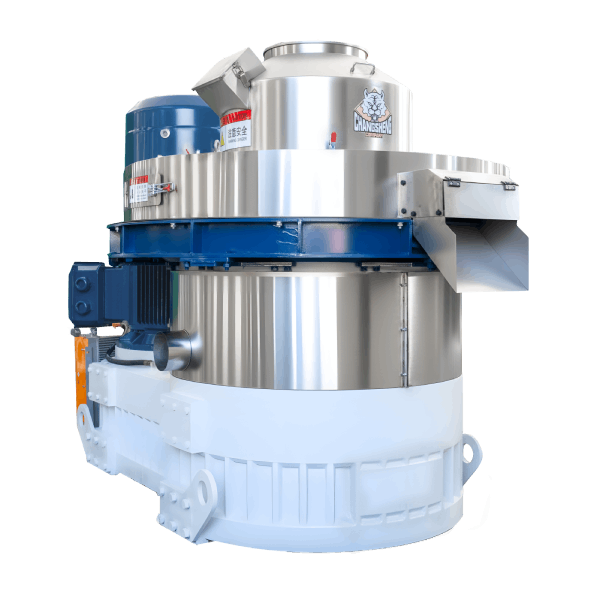
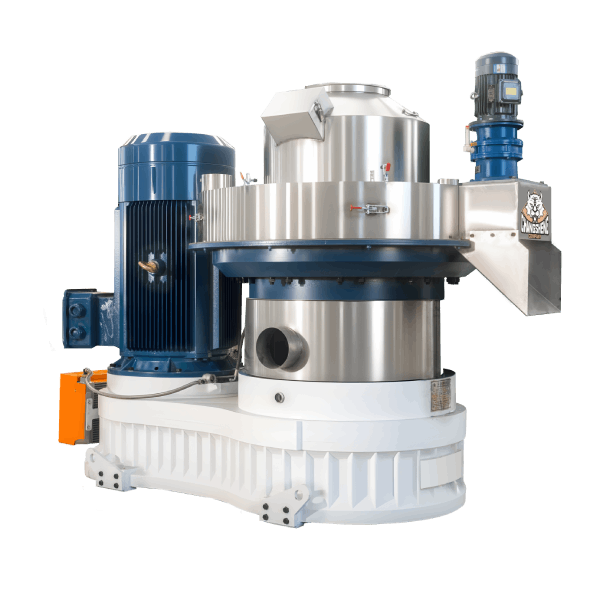
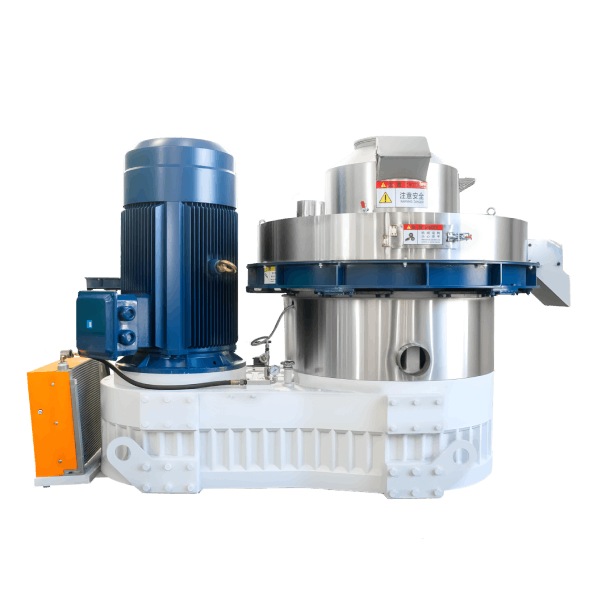
A pellet machine for industrial use is a heavy-duty ring die pelletizing system engineered for continuous, high-capacity production of biomass or feed pellets, designed to operate under factory load conditions with stable torque, automated control, and long service life.
Understanding Pellet Machine Price for Industrial Use
When evaluating pellet machine price for industrial use, procurement teams must move beyond headline equipment cost and assess total installed cost, lifecycle expense, and engineering compatibility. Industrial pellet systems differ significantly from small-scale units in terms of structure, power, automation, and durability.
Typical price ranges vary depending on capacity and configuration:
- 1–2 T/H single pellet mill: entry industrial level
- 3–5 T/H standard factory configuration
- 8–20 T/H large-scale production line integration
However, pellet machine price for industrial use is influenced by material characteristics, motor power, die diameter, automation level, and included auxiliary systems such as cooling and dust control.
Technical Parameters and Specifications
Capacity Range
- 1–20 tons per hour per line
Main Motor Power
- 90 kW (small industrial)
- 132–200 kW (medium scale)
- 250–315 kW (large industrial systems)
Ring Die Diameter
- 520 mm
- 560 mm
- 678 mm
Pellet Diameter
- 6–8 mm for biomass fuel
- 3–6 mm for feed
Moisture Requirement
- 10–15% at pelletizing stage
Energy Consumption
- 75–110 kWh per ton (depending on raw material)
Operating Mode
- 24/7 continuous production
Automation
- PLC control with load monitoring
These parameters directly affect pellet machine price for industrial use because higher torque transmission systems and wear-resistant components increase capital expenditure but reduce downtime.
Structure and Material Composition
Industrial pellet systems are built for durability and load stability.
Main Frame
- Heavy welded Q345B structural steel
- Machined base for vibration control
Ring Die
- Alloy steel (4Cr13 or equivalent)
- Vacuum heat treatment for wear resistance
Rollers
- Forged alloy steel
- Adjustable pressure mechanism
Transmission System
- High-precision helical gear reducer
- Oil bath lubrication with cooling
Bearing System
- Heavy-duty industrial bearings
- Temperature monitoring sensor
Electrical Control Cabinet
- PLC system
- Overload and emergency stop protection
Material selection significantly impacts pellet machine price for industrial use because high-grade alloys and precision machining improve lifecycle performance.
Manufacturing Process in Industrial Pellet Production
- Raw Material Crushing
Equipment: Hammer mill
Target particle size: 3–5 mm - Drying
Equipment: Rotary drum dryer
Moisture adjustment: ≤15% - Pelletizing
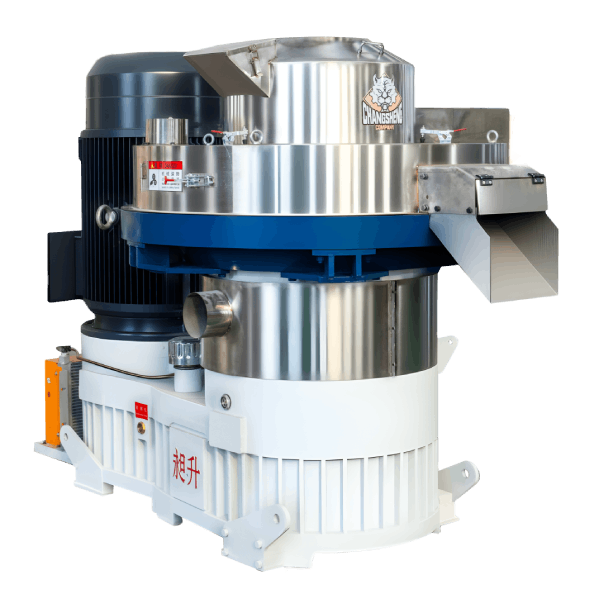
Equipment: Pellet machine for industrial use
Key factor: Stable feed rate and compression ratio - Cooling
Equipment: Counterflow cooler
Reduce temperature to near ambient - Screening
Equipment: Vibrating sieve
Remove fines and recycle - Packaging
Equipment: Automatic bagging system
Process integration determines system efficiency more than the pellet machine price for industrial use alone.
Industry Comparison
| Parameter | Industrial Pellet Machine | Small Commercial Unit | Flat Die Machine |
|---|---|---|---|
| Capacity | 1–20 T/H | 300–800 kg/h | <500 kg/h |
| Operation | Continuous | Semi-continuous | Intermittent |
| Motor Power | 90–315 kW | 22–55 kW | 3–15 kW |
| Die Type | Ring die | Ring die | Flat die |
| Automation | PLC integrated | Partial | Manual |
| Typical Buyers | EPC / Factory | Workshop | Household |
Pellet machine price for industrial use reflects its ability to operate under heavy-duty continuous conditions.
Application Scenarios
Distributors
- Bulk pellet fuel production for commercial heating markets
- Long-term feed supply contracts
EPC Contractors
- Biomass power plant fuel preparation lines
- Waste-to-energy conversion facilities
Engineering Firms
- Industrial boiler fuel systems
- Agricultural residue recycling plants
For these users, pellet machine price for industrial use must align with project ROI and long-term maintenance planning.
Core Pain Points and Solutions
- High Initial Investment
Solution: Evaluate lifecycle cost per ton rather than machine purchase price alone. - Rapid Die Wear
Solution: Optimize compression ratio and use heat-treated alloy dies. - Energy Consumption Concerns
Solution: Stabilize moisture and use high-efficiency motors with VFD control. - Production Instability
Solution: Integrate PLC-based load monitoring and automatic lubrication. - Spare Parts Downtime
Solution: Establish inventory planning and standardized die specifications.
Pellet machine price for industrial use becomes economical when downtime and maintenance costs are minimized.
Risk Warnings and Mitigation
- Underpowered motors may cause overload shutdown.
- Incorrect die compression ratio leads to blockage.
- Poor foundation installation results in vibration damage.
- Oversizing equipment increases energy waste.
Mitigation includes raw material testing, engineering design review, and supervised commissioning.
Procurement Selection Guide
- Define Target Annual Output
Calculate hourly capacity based on 8,000 operating hours. - Analyze Raw Material Characteristics
Moisture, density, fiber length. - Confirm Electrical Infrastructure
Transformer capacity and voltage compatibility. - Compare Energy Consumption per Ton
Request documented operating data. - Evaluate Wear Parts Cost
Die and roller replacement frequency. - Request Engineering References
Review completed factory installations. - Review Installation Scope
Clarify whether pellet machine price for industrial use includes control cabinet, lubrication system, and foundation drawings. - Conduct ROI Analysis
Estimate payback period based on pellet market price and energy cost.
A structured procurement process prevents underperforming investments.
Engineering Case Study
Project Location: Eastern Europe
Application: Wood sawdust fuel pellet production
Configuration:
- Two 560 mm ring die pellet machines
- 10 T/H combined capacity
- 160 kW motors per unit
- Integrated drying and cooling system
Operational Data:
- 24-hour continuous production
- 85 kWh per ton average consumption
- Die replacement cycle: 1,200 operating hours
Result:
- Stable industrial-grade pellets for export market
- Payback period: approximately 2.5 years
This case demonstrates that pellet machine price for industrial use must be evaluated in context of system efficiency and production scale.
FAQ
- What is the typical pellet machine price for industrial use?
It depends on capacity, motor size, and configuration. - Does the price include auxiliary equipment?
Usually not; dryers and coolers are separate. - What affects price most?
Motor power, die diameter, and automation level. - How long is the service life?
10+ years with proper maintenance. - What is the average energy cost per ton?
Typically 75–110 kWh per ton. - Is installation included?
Some suppliers provide supervision; confirm contract scope. - How often are wear parts replaced?
Die every 800–1500 hours depending on material. - Can it process different materials?
Yes, but die configuration may change. - What certifications are required?
CE or equivalent depending on region. - Is foundation engineering necessary?
Yes, reinforced concrete base is recommended.
CTA
For detailed cost breakdown, technical specifications, and a formal quotation for pellet machine price for industrial use, contact our engineering department. Project-specific feasibility assessments and load testing reports are available upon request.
E-E-A-T Author Statement
This article was prepared by an industrial pellet production engineering team with over 15 years of experience in biomass system design, factory commissioning, and EPC project support. All technical data reflects standard industrial practice and field performance benchmarks.