Pellet machine output decrease reasons Technical Guide
News 2026-03-02
Pellet Machine Output Decrease Reasons: Engineering Diagnosis and Industrial Solutions
Product Definition (40–60 words)
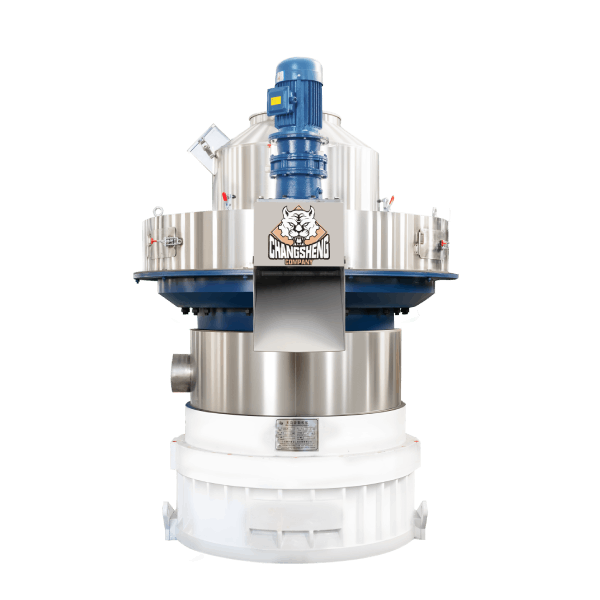
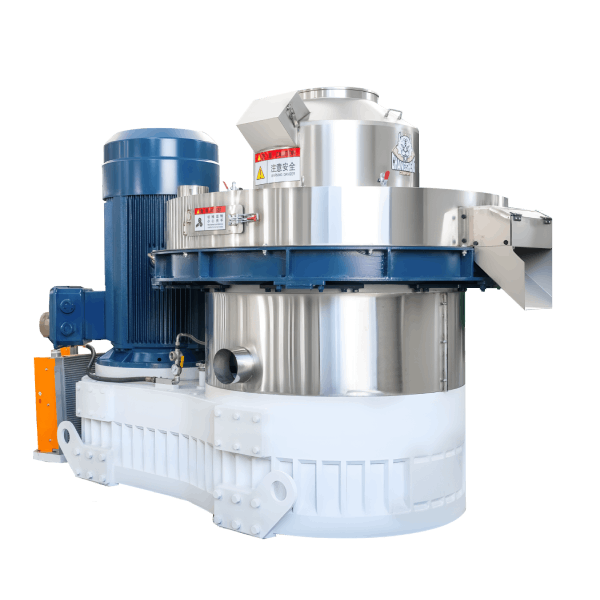
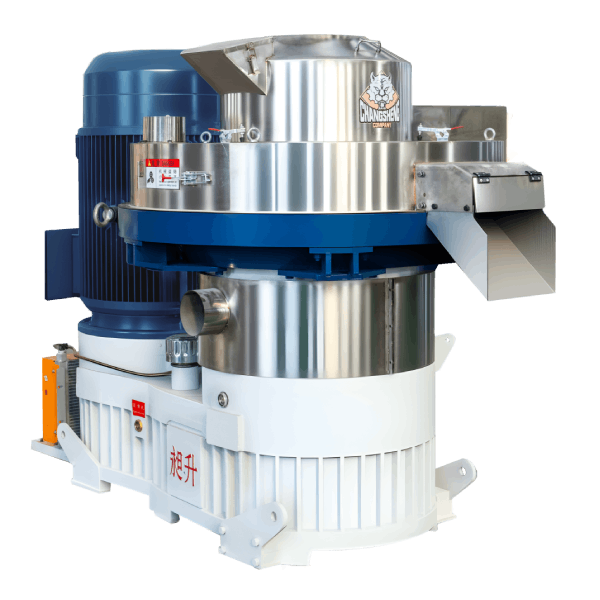
Pellet machine output decrease reasons refer to the mechanical, material, operational, and electrical factors that reduce actual pellet production below rated capacity. Identifying these causes requires systematic evaluation of raw material conditions, die and roller wear, transmission efficiency, and process control stability in industrial pellet production lines.
Introduction
For industrial buyers and plant operators, declining output is not merely a production inconvenience. It directly affects energy cost per ton, delivery schedules, and return on investment. Understanding pellet machine output decrease reasons from an engineering perspective allows procurement managers and EPC contractors to prevent capacity loss before it impacts financial performance.
Technical Parameters and Standard Performance Benchmarks
To diagnose pellet machine output decrease reasons, the machine’s rated and actual operating parameters must be compared. Typical industrial ring die pellet machine benchmarks are:
Ring Die Diameter: 420–560 mm
Main Motor Power: 90–250 kW
Rated Output: 1–5 t/h depending on model
Optimal Moisture Content: 12–15%
Energy Consumption: 75–105 kWh/ton
Roller–Die Clearance: 0.1–0.3 mm
Operating Temperature at Discharge: 70–90°C
If actual output falls 10–30% below rated capacity under these conditions, pellet machine output decrease reasons must be investigated systematically.
Structure and Material Composition
Output performance is closely linked to mechanical structure and materials.
Drive System
• Hardened alloy steel gearbox gears
• Direct coupling or gear transmission
• Oil circulation lubrication
Pelletizing Chamber
• Ring die (4Cr13 stainless alloy steel)
• Press rollers with replaceable hardened sleeves
• Adjustable roller support shaft
Feeding and Control System
• Variable frequency feeder
• Stainless steel conditioner (if feed line)
• Overload protection module
Cooling and Discharge
• Counterflow cooler
• Vibrating screen separator
Wear of any of these structural components can contribute to pellet machine output decrease reasons.
Manufacturing and Operating Process
- Raw Material Preparation
Equipment: Hammer mill
Target size: <5 mm
Uneven particle size increases resistance inside the die. - Drying
Equipment: Rotary dryer
Moisture control: 12–15%
Moisture above 18% significantly reduces throughput. - Pelletizing
Equipment: Ring die pellet machine
Compression ratio: 1:5 to 1:8
Incorrect compression ratio is a common cause among pellet machine output decrease reasons. - Cooling and Screening
Equipment: Counterflow cooler and vibrating sieve
High recycle rate (>5%) increases internal load and reduces net output.
Industry Comparison
| Cause Category | Biomass Pellet Line | Feed Pellet Line | Industrial Fuel Line |
|---|---|---|---|
| Moisture Fluctuation | High impact | Medium | High |
| Die Wear Sensitivity | High | High | Very High |
| Power Stability Influence | Medium | Low | High |
| Raw Material Variability | Very High | Medium | High |
Pellet machine output decrease reasons differ depending on industry segment and material characteristics.
Core Pain Points and Solutions
- Die Hole Blockage
Cause: High moisture or resin accumulation.
Solution: Adjust moisture to 12–15% and clean die regularly with oil material flushing. - Roller and Die Wear
Cause: Continuous high-pressure operation.
Solution: Monitor die hole diameter; replace die when wear exceeds 0.3 mm expansion. - Insufficient Motor Load
Cause: Voltage drop or unstable power supply.
Solution: Install voltage stabilizer and monitor current load (operate at 85–95% rated current). - Uneven Feeding
Cause: Feeder speed fluctuation.
Solution: Use frequency-controlled feeder with constant load feedback system. - Improper Compression Ratio
Cause: Wrong die selected for raw material density.
Solution: Match compression ratio to fiber length and bulk density.
These represent the most common pellet machine output decrease reasons observed in industrial audits.
Risk Warnings and Prevention
• Ignoring early output decline may lead to gearbox overload and premature failure.
• Over-tightening rollers to compensate for low output increases bearing damage risk.
• Operating above 18% moisture can permanently damage die holes.
• Using low-grade die steel accelerates wear and reduces efficiency.
Routine inspection every 500 operating hours is recommended to prevent pellet machine output decrease reasons from escalating.
Procurement and Selection Guide
Step 1: Define real daily capacity requirement including downtime factor.
Step 2: Analyze raw material characteristics (moisture, fiber type, ash content).
Step 3: Verify supplier’s real operating data, not laboratory capacity.
Step 4: Inspect gearbox type (gear-driven preferred for stable torque).
Step 5: Confirm die material hardness certificate.
Step 6: Review electrical load design and transformer capacity.
Step 7: Ensure supplier provides commissioning and training support.
Proper procurement decisions significantly reduce long-term pellet machine output decrease reasons.
Engineering Case Study
Project: 3 t/h Biomass Fuel Plant
Location: Eastern Europe
Raw Material: Pine sawdust
Initial Problem
Actual output dropped from 3 t/h to 2.2 t/h within 6 months.
Diagnosis
• Die hole enlargement by 0.4 mm
• Moisture fluctuation between 14–19%
• Feeder speed instability
Solution
• Replaced die with correct compression ratio (1:6.5)
• Installed inline moisture sensor
• Calibrated feeder inverter
Result
Output restored to 3.1 t/h
Energy consumption reduced from 102 to 88 kWh/ton
Downtime reduced by 18%
This case demonstrates how systematic analysis of pellet machine output decrease reasons can restore plant profitability.
Application Scenarios
Distributors
Provide technical troubleshooting support to maintain brand credibility.
EPC Contractors
Use diagnostic framework during commissioning and warranty period.
Engineering Consultants
Integrate output risk assessment into feasibility studies.
Importers and Wholesalers
Select machines with documented stability to reduce after-sales claims.
FAQ
- What is the most common cause of output decline?
Die and roller wear. - Does moisture affect output directly?
Yes, moisture above 18% reduces compaction efficiency. - How often should die be replaced?
Typically after 800–1500 operating hours depending on material. - Can voltage fluctuation reduce output?
Yes, unstable voltage reduces motor torque. - Is higher motor power a solution?
Not necessarily; mechanical condition must be checked first. - How to test real capacity?
Measure stable production for at least 4 continuous hours. - What is acceptable output deviation?
Within 5–10% of rated capacity. - Can poor cooling reduce net output?
Yes, high recycle rate lowers effective throughput. - Does raw material density matter?
Yes, bulk density affects compression resistance. - How to prevent sudden capacity drop?
Implement preventive maintenance schedule and moisture monitoring.
Request Technical Support or Quotation
If you are experiencing pellet machine output decrease reasons in your production line, submit your machine model, raw material data, and operating parameters. Our engineering team will provide structured diagnostic guidance, technical documentation, and formal quotation for upgrade solutions upon review.
Authoritative Industry Background (E-E-A-T)
This article is prepared by senior mechanical engineers with over 15 years of experience in biomass pellet plant design, commissioning, and industrial troubleshooting. The team has conducted on-site diagnostics across Asia, Europe, and the Middle East, focusing on capacity optimization, lifecycle cost control, and measurable production stability improvements.