Pellet production line cost per hour Calculation Guide
News 2026-02-26
Pellet Production Line Cost Per Hour: Engineering Cost Analysis for Industrial Buyers
For procurement managers and EPC contractors, understanding pellet production line cost per hour is critical for evaluating project feasibility, negotiating supply contracts, and calculating return on investment. Unlike simple equipment pricing, hourly operating cost reflects energy consumption, labor allocation, maintenance cycles, depreciation, and raw material preparation efficiency.
This guide provides a technical and financial breakdown of pellet production line cost per hour for industrial biomass plants operating at 1–10 tons per hour.
Product Definition (40–60 Words)
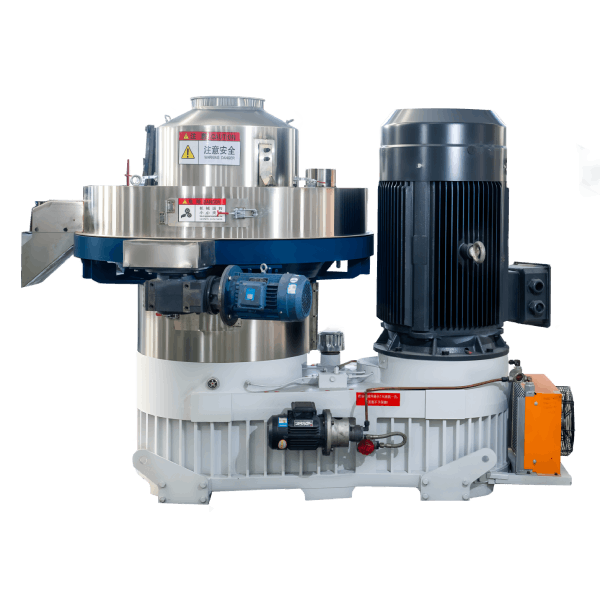
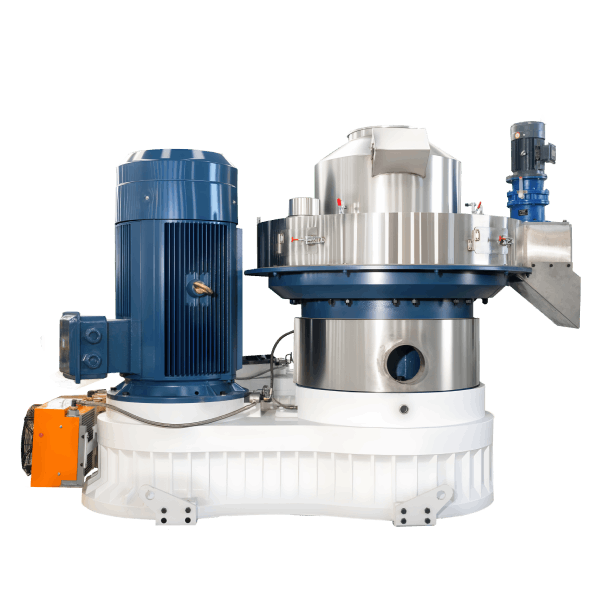
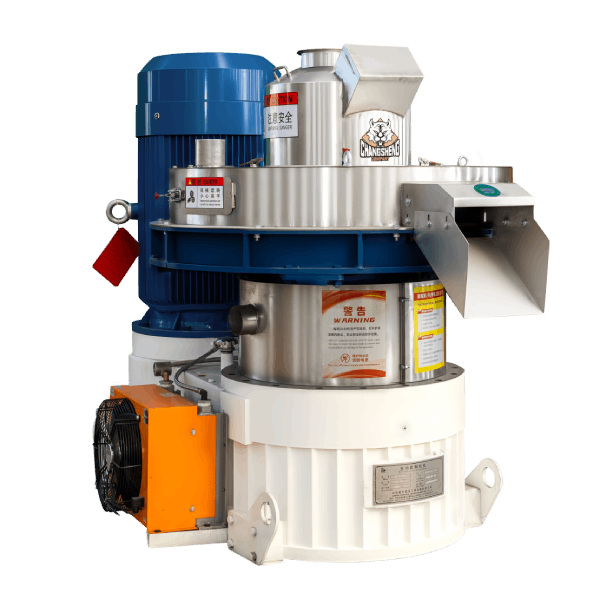
A pellet production line is an integrated industrial system consisting of crushing, drying, pelletizing, cooling, screening, and packaging equipment designed to convert biomass raw materials into standardized fuel pellets under continuous factory operation with controlled energy consumption and stable output capacity.
Understanding Pellet Production Line Cost Per Hour
Pellet production line cost per hour typically includes five main components:
- Electricity consumption
- Labor allocation
- Wear parts and maintenance
- Depreciation of equipment
- Auxiliary utilities and overhead
For industrial plants, the largest contributor to pellet production line cost per hour is energy consumption, followed by wear parts such as ring dies and press rollers.
Technical Parameters and Specifications
Typical Industrial Configuration (3–5 T/H Line)
Hammer Mill
- Power: 55–75 kW
- Output size: 3–5 mm
Rotary Dryer
- Thermal capacity: 1.2–1.8 MW
- Final moisture: 12–15%
- Capacity: 3–5 T/H
- Main motor: 132–160 kW
- Die diameter: 520 mm
Counterflow Cooler
- Capacity: matched to pellet mill
- Temperature reduction: to ambient +5°C
Vibrating Screen
- 2-layer separation
Total Installed Electrical Power
- 250–400 kW depending on configuration
Average Electricity Consumption
- 80–110 kWh per ton
These parameters directly determine pellet production line cost per hour because power load and capacity define operating expense.
Structure and Material Composition
Main Structural Components
Raw Material Section
- Steel hopper with wear-resistant lining
- Screw or belt feeding system
Drying System
- Carbon steel rotary drum
- Insulated combustion chamber
Pelletizing Section
- Alloy steel ring die
- Forged press rollers
- Hardened gear transmission
Cooling and Screening
- Galvanized steel cooling tower
- Spring-supported vibrating screen
Control System
- PLC automation panel
- Temperature and overload sensors
Durability and material grade influence maintenance frequency and therefore affect pellet production line cost per hour over time.
Manufacturing Process and Cost Impact
- Crushing
Equipment: Hammer mill
Impact on cost: Determines particle uniformity and energy efficiency - Drying
Equipment: Rotary drum dryer
Impact on cost: Thermal energy consumption significantly affects hourly expense - Pelletizing
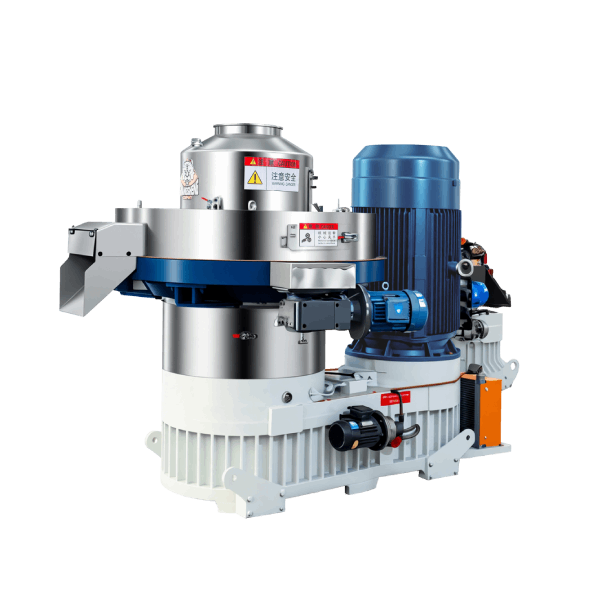
Equipment: Ring die pellet mill
Impact on cost: 60–70% of total electricity consumption - Cooling
Equipment: Counterflow cooler
Impact on cost: Stabilizes pellet durability and reduces breakage loss - Screening and Recycling
Equipment: Vibrating sieve
Impact on cost: Minimizes raw material waste - Packaging
Equipment: Automatic bagging machine
Impact on cost: Labor optimization
Each process step contributes to pellet production line cost per hour through energy, labor, and material loss variables.
Industry Comparison
| Parameter | Biomass Pellet Line | Feed Pellet Line | Briquette Line |
|---|---|---|---|
| Energy Use | 80–110 kWh/ton | 60–90 kWh/ton | 50–80 kWh/ton |
| Raw Material Prep | Drying required | Usually no drying | Limited drying |
| Wear Parts Cost | High (die/roller) | Moderate | Low |
| Automation Level | Medium–High | Medium | Low |
| Hourly Cost Sensitivity | High | Medium | Low |
Compared with feed or briquette systems, pellet production line cost per hour is more sensitive to moisture control and die wear.
Application Scenarios
Distributors
- Large-scale pellet supply for export contracts
- Cost benchmarking for competitive pricing
EPC Contractors
- Waste-to-energy projects
- Biomass fuel supply for industrial boilers
Engineering Consultants
- Feasibility studies for renewable energy projects
- Financial modeling for biomass plants
In these cases, pellet production line cost per hour becomes a central variable in project financial projections.
Core Pain Points and Solutions
- High Electricity Bills
Solution: Optimize die compression ratio and stabilize moisture at 12–15%. - Frequent Die Replacement
Solution: Use high-quality heat-treated alloy dies and avoid over-compression. - Inconsistent Output Capacity
Solution: Maintain uniform feed rate and install variable frequency drives. - Thermal Energy Waste in Dryer
Solution: Implement heat recovery or optimize combustion efficiency. - Underestimated Labor Costs
Solution: Integrate automation in feeding and packaging sections.
By addressing these issues, plants can reduce pellet production line cost per hour significantly.
Risk Warnings and Mitigation
- Overestimated capacity leads to underloaded equipment and higher unit cost.
- Insufficient transformer capacity causes unstable operation.
- Improper moisture control increases die wear and energy usage.
- Low-grade spare parts raise long-term maintenance cost.
Mitigation measures include engineering feasibility studies, power audits, and controlled commissioning procedures.
Procurement Selection Guide
- Define Target Cost Per Ton
Calculate acceptable pellet production line cost per hour divided by hourly output. - Analyze Raw Material Characteristics
Moisture and density determine drying and compression cost. - Verify Power Infrastructure
Confirm stable voltage and transformer rating. - Evaluate Energy Consumption Data
Request real operating reports from supplier references. - Estimate Wear Parts Replacement Cycle
Include die, roller, and bearing replacement frequency. - Review Automation Scope
Automation reduces labor share in pellet production line cost per hour. - Conduct ROI Analysis
Calculate payback based on pellet selling price and operating cost. - Confirm After-Sales Support
Ensure spare parts availability and technical training.
Engineering Case Study
Project Type
Industrial biomass fuel plant
Location
Eastern Europe
Configuration
- 4 T/H ring die pellet line
- 160 kW pellet mill motor
- Rotary dryer with biomass furnace
Operating Data
Electricity consumption:
- 95 kWh per ton
Hourly Output:
- 4 tons
Average Electricity Cost:
- 0.10 USD/kWh
Hourly Electricity Cost:
95 × 4 × 0.10 = 38 USD per hour
Labor:
- 3 operators per shift
Wear Parts Allocation:
- Approximate die cost amortized at 4–6 USD per ton
Estimated Pellet Production Line Cost Per Hour
Including power, labor, wear parts, and depreciation:
Approximately 80–120 USD per hour depending on local energy and labor rates.
This case illustrates how pellet production line cost per hour is calculated using measurable technical data rather than general assumptions.
FAQ
- What is pellet production line cost per hour mainly affected by?
Energy consumption and wear parts cost. - How do you calculate hourly cost?
Sum electricity, labor, maintenance, and depreciation. - What is typical electricity consumption?
80–110 kWh per ton. - Does higher capacity reduce unit cost?
Usually yes, due to economies of scale. - Is drying always required?
If moisture exceeds 15%, drying is necessary. - How often are dies replaced?
Typically every 800–1,500 hours. - Can automation reduce cost?
Yes, especially labor allocation. - Is pellet density related to cost?
Higher density may increase compression energy. - What is the largest hidden cost?
Inefficient drying and poor raw material control. - Can hourly cost vary seasonally?
Yes, depending on raw material moisture and energy prices.
CTA
For a customized calculation of pellet production line cost per hour based on your raw material, energy rate, and target capacity, request a technical feasibility report and cost simulation model from our engineering team.
E-E-A-T Author Statement
This article was prepared by industrial biomass plant engineers with over 15 years of experience in pellet production line design, commissioning, and operational optimization. All technical data and cost calculations reflect standard industrial performance benchmarks and practical project case data used in commercial feasibility studies.