pellet production line cost per ton: Engineering Cost Analysis
News 2026-02-11
Pellet production line cost per ton refers to the total manufacturing cost required to produce one metric ton of pellets, calculated by integrating capital depreciation, energy consumption, labor, maintenance, raw material preparation, and operating efficiency within an industrial pellet production system.
Understanding “Pellet Production Line Cost per Ton”
Pellet production line cost per ton is a unit economics metric, not a simple equipment price. It measures how efficiently a pellet plant converts raw materials and energy into sellable pellets over time.
This metric is widely used by:
• Procurement managers for supplier comparison
• EPC contractors for feasibility studies
• Investors evaluating ROI and payback period
A realistic cost-per-ton analysis must be based on actual operating conditions, not nominal machine ratings.
Technical Parameters and Cost-Related Specifications
Key engineering parameters directly affecting pellet production line cost per ton include:
Plant capacity
• 1–2 t/h: small commercial
• 5–6 t/h: standard industrial
• 8–12 t/h: high-efficiency industrial
Annual operating hours
• 5,000–7,500 h/year
Raw material moisture (input)
• 20–35% before drying
• ≤12% before pelletizing
Specific electricity consumption
• 90–130 kWh/ton (fuel pellets)
• 110–160 kWh/ton (feed pellets)
Thermal energy consumption (drying)
• 0.8–1.6 GJ/ton (biomass dryer)
Labor requirement
• 0.5–1.2 man-hours/ton (depending on automation)
Typical die lifetime
• 800–1,200 production hours
Structure and Material Composition of a Cost-Efficient Pellet Line
A pellet production line optimized for low cost per ton typically includes:
Raw Material System
• Carbon steel conveyors
• Mild steel storage silos
Size Reduction
• Hammer mill with alloy steel hammers
• Replaceable wear liners
Drying Section
• Rotary drum dryer (Q235 or equivalent steel)
• Biomass or gas hot air furnace
• Cyclone + bag filter
Pelletizing Unit
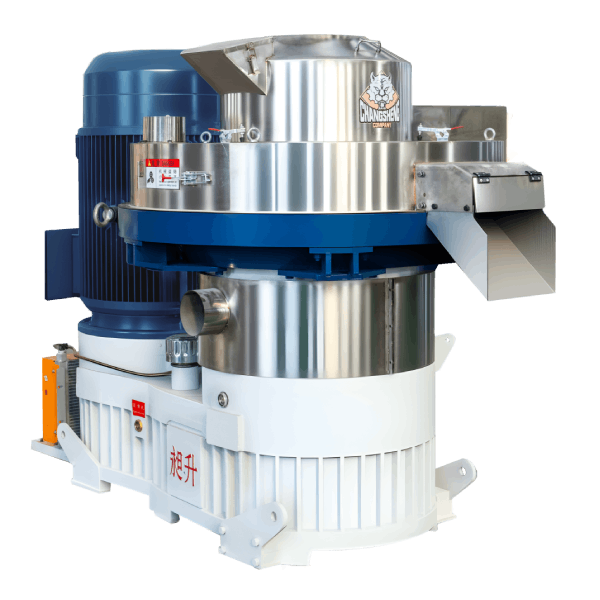
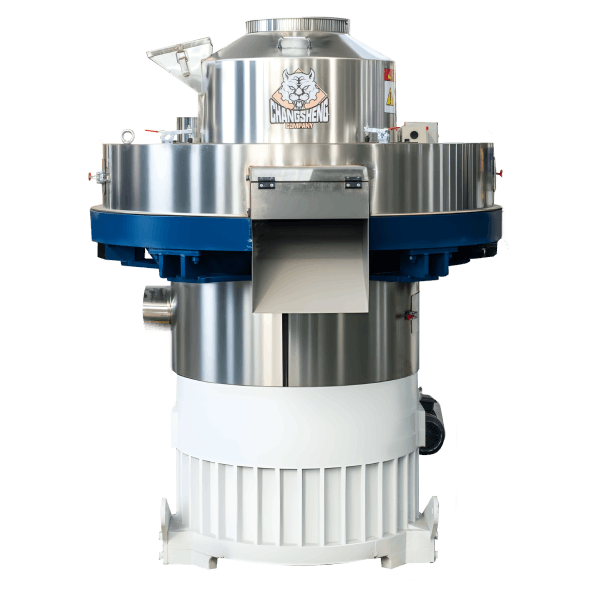
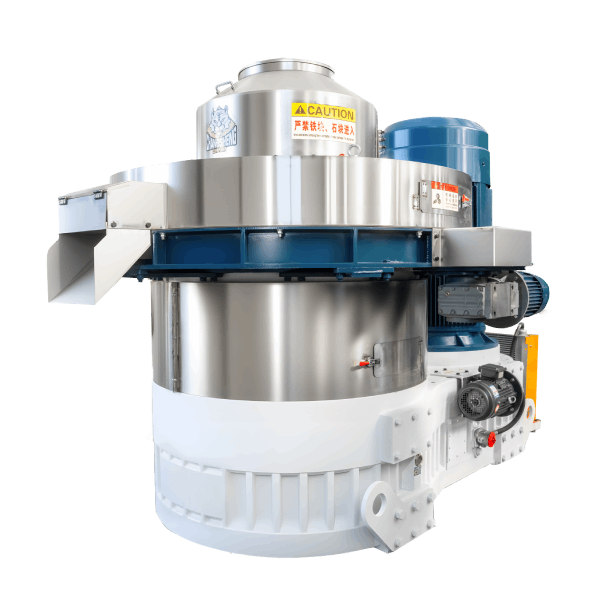
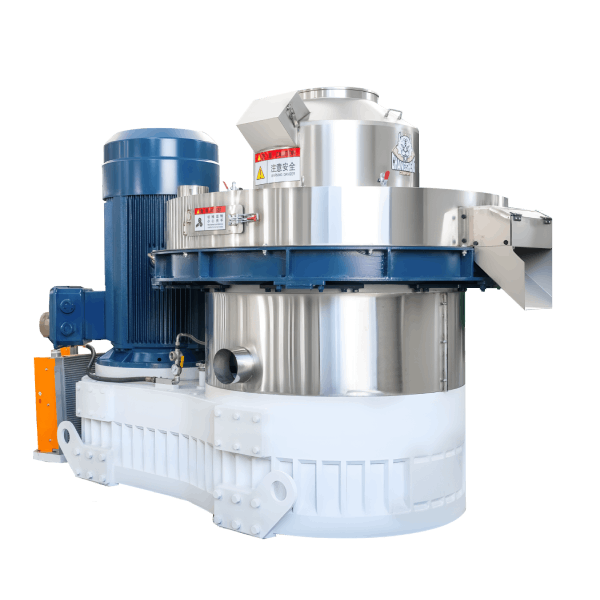
• Ring die pellet mill
• Forged alloy steel die
• Hardened roller shells
Cooling and Screening
• Counterflow cooler
• Vibrating screener with recycle loop
Electrical and Control
• PLC system
• Variable frequency drives
Each subsystem contributes to depreciation and maintenance cost per ton.
Manufacturing Process and Cost Drivers
Step 1: Raw Material Handling
Poor material flow increases downtime and raises labor cost per ton.
Step 2: Crushing
Over-crushing increases power consumption without improving pellet quality.
Step 3: Drying
Drying is the largest energy cost contributor, often 30–45% of total cost per ton.
Step 4: Pelletizing
Die compression ratio directly affects throughput, energy use, and die wear.
Step 5: Cooling and Screening
Insufficient cooling leads to pellet breakage and yield loss.
Step 6: Packaging or Bulk Handling
Manual bagging significantly increases labor cost per ton.
Industry Comparison (Cost per Ton Perspective)
| Production Model | Typical Cost per Ton | Energy Intensity | Labor Intensity | Scalability |
|---|---|---|---|---|
| Pellet Production Line | Medium–Low | Medium | Medium | High |
| Briquette Line | Low | Low | High | Limited |
| Loose Biomass | Very Low | Very Low | Low | Poor |
| Charcoal Processing | High | High | Medium | Medium |
Pellet production offers the best balance between logistics efficiency and controllable cost per ton.
Application Scenarios
Distributors and Importers
• Cost-per-ton benchmarking across suppliers
• Long-term supply contract pricing
EPC Contractors
• Feasibility modeling for biomass energy projects
• Industrial fuel conversion systems
Engineering Consultants
• Energy optimization audits
• Cost reduction redesign projects
Core Pain Points and Engineering Solutions
Pain Point 1: High Energy Cost per Ton
Solution: Use biomass-fired dryers and heat recovery systems.
Pain Point 2: Excessive Die Replacement Cost
Solution: Optimize compression ratio and raw material preparation.
Pain Point 3: Low Actual Output vs Rated Capacity
Solution: Design based on continuous output, not nameplate rating.
Pain Point 4: Labor Cost Escalation
Solution: Increase automation in feeding, bagging, and control systems.
Risk Warnings and Cost Control Measures
Ignoring raw material moisture variability leads to underestimated drying costs.
Over-sizing equipment increases depreciation cost per ton.
Inadequate dust control increases fire risk and insurance cost.
Poor maintenance planning results in unplanned downtime and higher unit cost.
Procurement and Selection Guide (Cost-Focused)
- Define target cost per ton before selecting equipment
- Request detailed power and heat balance calculations
- Compare lifecycle cost, not initial purchase price
- Verify die and roller material specifications
- Evaluate automation level vs labor cost
- Confirm spare parts cost and delivery time
- Require performance references at similar capacity
Engineering Case Example
A 6 t/h wood pellet plant in Southeast Asia operates 6,800 hours annually using a biomass-fired rotary dryer. Through energy integration and automated bagging, the pellet production line cost per ton was reduced by approximately 18% compared to an earlier 4 t/h semi-manual system.
FAQ
- What is the typical pellet production line cost per ton?
It varies widely but depends mainly on energy, labor, and scale. - Does higher capacity always mean lower cost per ton?
Generally yes, but only if utilization remains high. - What is the biggest cost contributor?
Drying energy is usually the largest component. - How does automation affect cost per ton?
Higher automation reduces labor cost but increases CAPEX. - Is feed pellet cost per ton higher than fuel pellets?
Often yes, due to stricter quality and conditioning requirements. - How often must pellet dies be replaced?
Typically every 800–1,200 operating hours. - Can cost per ton be reduced after commissioning?
Yes, through process optimization and energy recovery. - Does raw material type matter?
Significantly, especially moisture and fiber structure. - How important is preventive maintenance?
Critical for stable cost per ton. - Should cost per ton be calculated monthly or annually?
Annually for accuracy, monthly for operational control.
CTA
For a project-specific pellet production line cost per ton analysis, request a detailed engineering calculation, energy balance, and lifecycle cost model from an experienced pellet production system supplier.
E-E-A-T Author Credentials
This article is written by an industrial pellet plant engineering consultant with over 12 years of experience in biomass pellet production line design, cost modeling, EPC project evaluation, and operational optimization for commercial and industrial pellet facilities worldwide.