Pellet Machine Suitable for Continuous 24 Hour Operation
News 2026-02-24
Product Definition
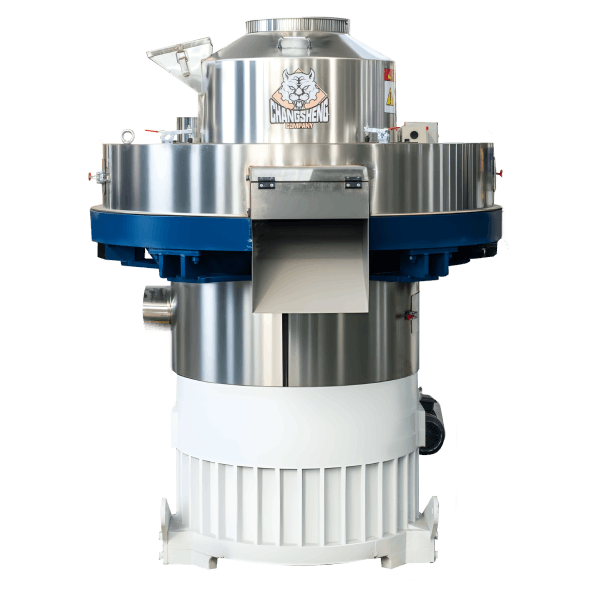
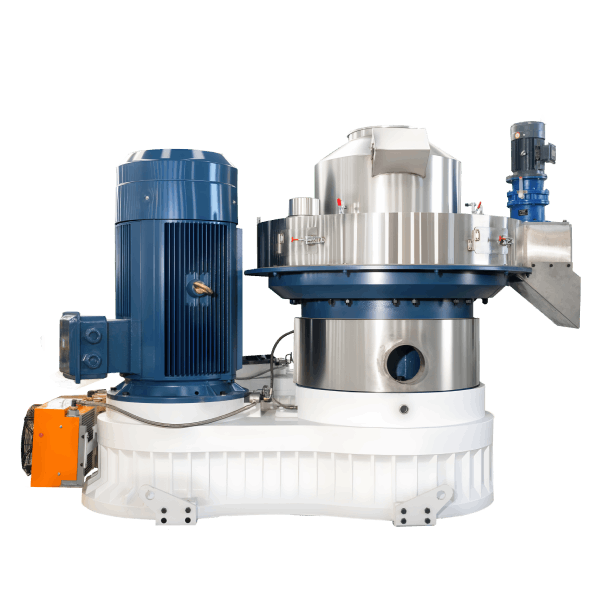
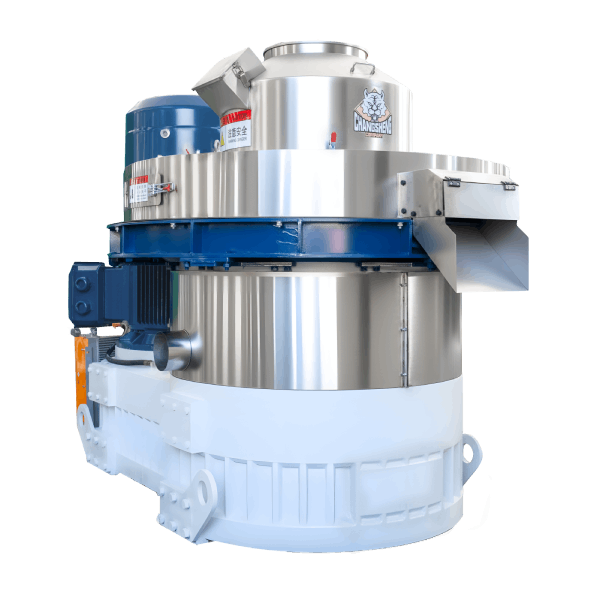
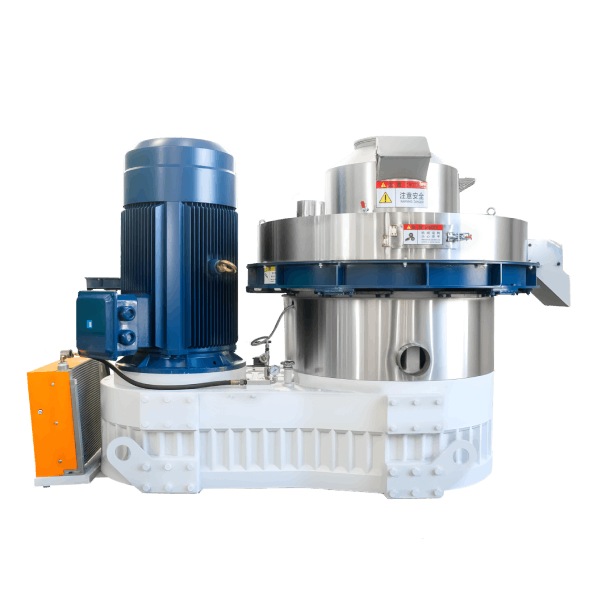
A pellet machine suitable for continuous 24 hour operation is an industrial-grade biomass densification system engineered for uninterrupted, high-load performance. It integrates heavy-duty transmission, reinforced bearings, optimized die design, and controlled feeding to ensure stable pellet output, consistent quality, and minimized downtime in round-the-clock production environments.
Technical Parameters and Specifications
Selecting a pellet machine suitable for continuous 24 hour operation requires careful evaluation of industrial duty ratings rather than nominal capacity alone.
Typical Industrial Specifications
Rated capacity: 2–12 tons per hour
Main motor power: 90–315 kW
Die diameter: 560–850 mm
Pellet diameter range: 6–12 mm
Raw material moisture requirement: 8–15%
Main drive type: hardened gearbox transmission
Lubrication system: automatic centralized lubrication
Bearing type: heavy-duty spherical roller bearings
Cooling method: counterflow pellet cooler integration
Expected annual operating hours: 6,000–8,000 hours
Die service life: 3,000–8,000 hours depending on material
A pellet machine suitable for continuous 24 hour operation must maintain thermal balance, mechanical stability, and consistent compression pressure over extended production cycles.
Structure and Material Composition
Industrial machines designed for 24-hour duty differ significantly from light-duty units.
Core Structural Components
• High-strength alloy steel ring die with precision-drilled die holes
• Two or three press rollers with replaceable shell surfaces
• Hardened gear transmission system with oil bath lubrication
• Reinforced main shaft and bearing housing
• Forced feeding system with variable frequency control
• Stainless steel conditioner (optional for steam conditioning)
• Heavy-duty base frame with vibration damping
Material Engineering Considerations
• Die steel: 4Cr13 or equivalent heat-treated alloy
• Roller shell hardness: HRC 52–60
• Gearbox material: carburized and ground alloy steel gears
• Lubrication oil temperature monitoring system
These structural features ensure a pellet machine suitable for continuous 24 hour operation can withstand sustained axial and radial loads.
Manufacturing and Pelletizing Process
Step 1: Raw Material Size Reduction
Hammer mills reduce biomass to 3–5 mm particle size. Uniform granularity is critical for stable compression.
Step 2: Moisture and Temperature Conditioning
Moisture is adjusted to optimal range. Steam conditioning improves pellet durability for industrial fuel markets.
Step 3: Controlled Feeding
Variable frequency feeders regulate material flow to avoid die overloading.
Step 4: Compression and Extrusion
Rollers press material through ring die holes under high pressure. Friction heat activates natural binders.
Step 5: Pellet Cutting and Discharge
Adjustable knives control pellet length.
Step 6: Cooling and Stabilization
Counterflow coolers reduce pellet temperature to near ambient, improving storage stability.
Step 7: Screening and Packaging
Fine particles are removed and recycled into the system.
A pellet machine suitable for continuous 24 hour operation must maintain stable feed rate, compression ratio, and temperature equilibrium throughout these steps.
Industry Comparison Table
Comparison of Machine Types for Continuous Production
Parameter
Standard Pellet Machine
Pellet Machine Suitable for Continuous 24 Hour Operation
Operating duty cycle
8–12 hours
24 hours continuous
Transmission system
Belt or light gearbox
Heavy industrial gearbox
Lubrication
Manual or semi-auto
Fully automatic centralized
Bearing life
Short to medium
Extended industrial grade
Maintenance interval
Frequent
Scheduled predictive
Production stability
Moderate
High
Energy efficiency
Variable
Optimized under full load
This comparison highlights why only specific configurations qualify as a pellet machine suitable for continuous 24 hour operation.
Application Scenarios
Distributors
Industrial distributors serving commercial fuel producers prioritize machines capable of uninterrupted output.
EPC Contractors
Large biomass fuel plants, waste-to-energy projects, and industrial heating fuel facilities require 24-hour systems.
Engineering Consultants
Projects involving long-term supply contracts demand reliable continuous-duty pellet lines.
Importers and Industrial Buyers
Regions with high electricity demand or biomass heating infrastructure require stable pellet production without frequent stoppages.
Core Pain Points and Engineering Solutions
- Bearing Overheating During Long Runs
Solution: Install automatic lubrication and temperature monitoring systems. - Die Cracking Under High Load
Solution: Use heat-treated alloy ring dies and optimized compression ratios. - Inconsistent Pellet Density Over Time
Solution: Implement variable frequency feeding and moisture stabilization. - Unexpected Downtime Due to Gear Wear
Solution: Use hardened gear transmission with oil bath cooling. - Excessive Energy Consumption
Solution: Operate near rated capacity and select correct motor sizing.
Each solution strengthens the operational reliability of a pellet machine suitable for continuous 24 hour operation.
Risk Warnings and Mitigation Advice
• Oversized equipment operating below 60% load reduces efficiency
• Poor raw material screening increases die blockage risk
• Inadequate lubrication leads to catastrophic bearing failure
• Ignoring vibration signals can result in shaft misalignment
• Using light-duty machines for 24-hour cycles shortens service life significantly
Risk mitigation requires predictive maintenance planning and trained operators.
Procurement and Selection Guide
- Define annual production volume and daily operating hours
- Confirm raw material type, hardness, and moisture variation range
- Calculate power infrastructure capacity and energy cost
- Specify automation level (PLC, remote monitoring, sensors)
- Evaluate spare parts availability and local technical support
- Analyze total cost of ownership over five years
- Request factory testing under simulated full-load conditions
- Verify gearbox and bearing manufacturer specifications
A pellet machine suitable for continuous 24 hour operation must be evaluated from lifecycle cost and engineering durability perspectives.
Engineering Case Example
A biomass fuel plant designed for 60,000 tons annual output required uninterrupted pellet production to meet industrial heating contracts. Initial trials using medium-duty equipment resulted in bearing overheating after 10–12 hours.
The project was upgraded to a pellet machine suitable for continuous 24 hour operation featuring a 132 kW motor, 700 mm ring die, automatic lubrication, and vibration monitoring. After commissioning, the plant achieved 22–23 operational hours daily with scheduled maintenance windows every two weeks. Output stability improved and unplanned downtime was reduced by over 40%.
Frequently Asked Questions
- What defines continuous 24-hour capability?
Industrial-grade transmission, lubrication, and bearing systems. - Can any ring die machine operate 24 hours?
No, only reinforced industrial configurations. - What is optimal moisture for continuous production?
Typically 8–15% depending on material. - How often should lubrication occur?
Automated systems operate continuously during production. - Is steam conditioning necessary?
Recommended for high-density industrial fuel pellets. - What causes die overheating?
Overfeeding, improper compression ratio, or inadequate cooling. - How long does a ring die last in 24-hour use?
3,000–8,000 hours depending on raw material abrasiveness. - Can agricultural waste run 24 hours?
Yes, with correct pre-processing and die configuration. - What monitoring systems are recommended?
Temperature, vibration, and motor load sensors. - Is preventive maintenance mandatory?
Yes, scheduled predictive maintenance is essential.
Call to Action
For detailed technical drawings, performance testing data, or a quotation tailored to your annual production target, request engineering documentation and application analysis from an industrial pellet system specialist.
E-E-A-T Author Credentials
This article is prepared by a mechanical engineer with over ten years of experience in biomass pellet production line design, industrial equipment commissioning, and continuous-operation system optimization for commercial fuel manufacturing facilities.