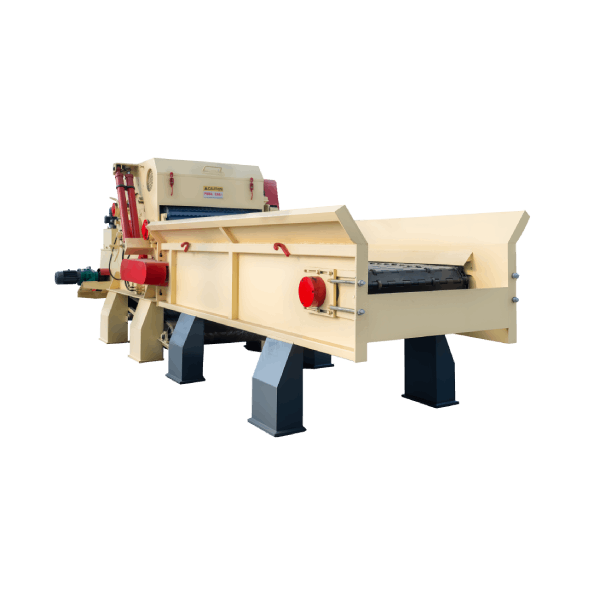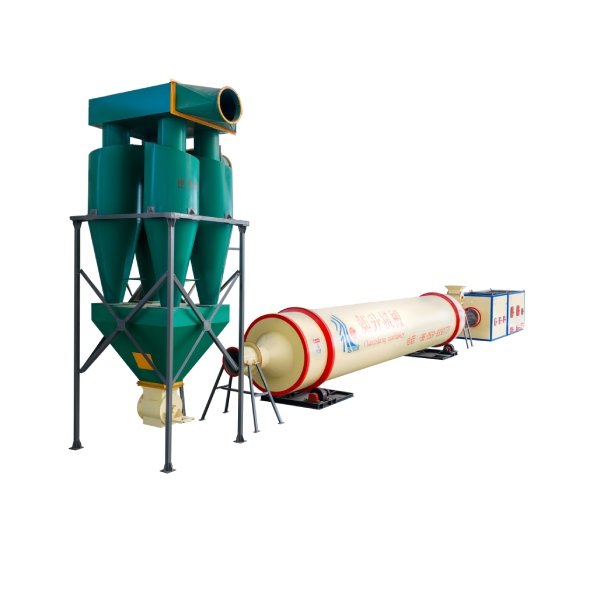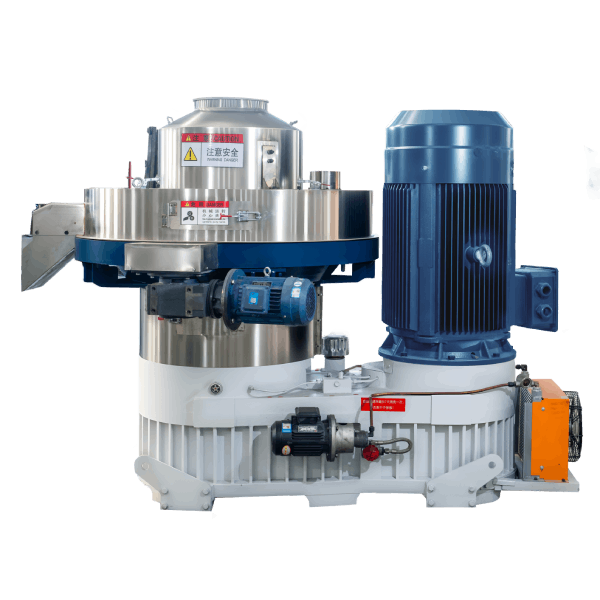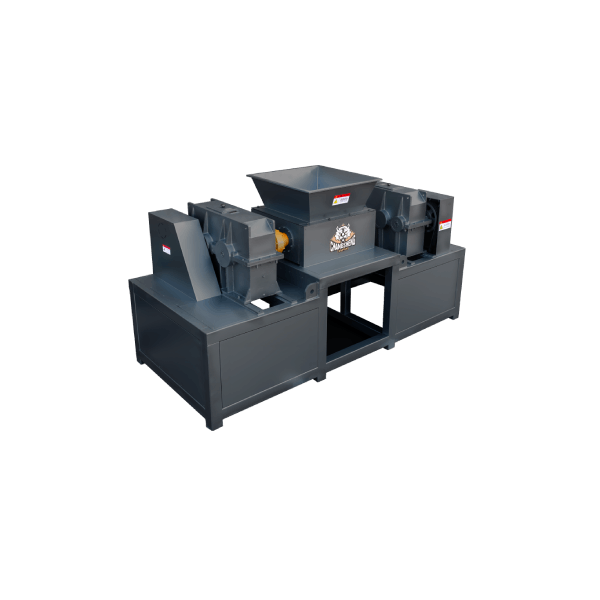
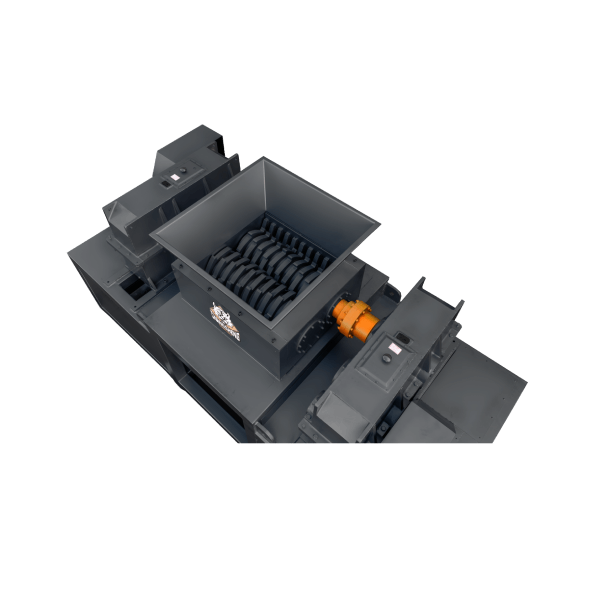
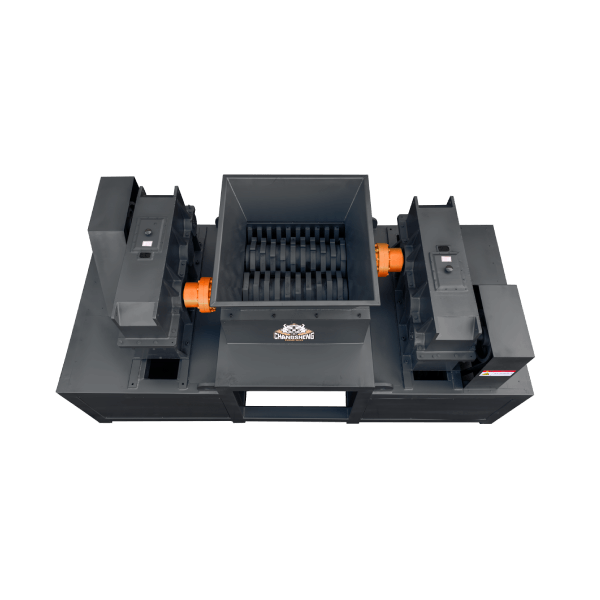
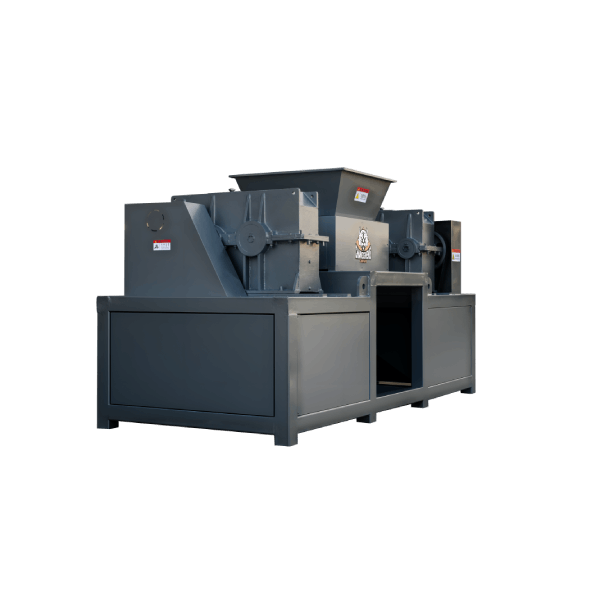
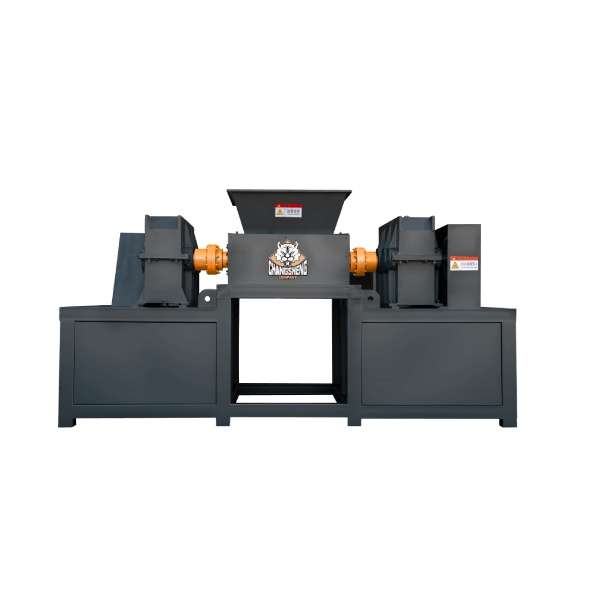
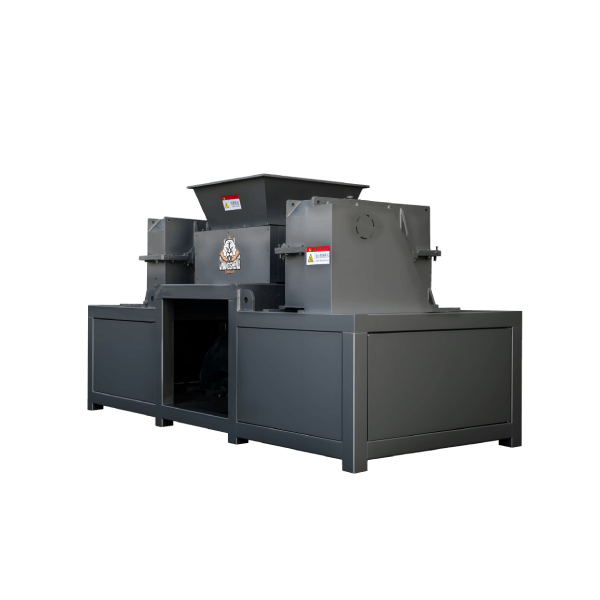
Straw Shredder
Brand: Changsheng
Model:YXS2080-750-80
Power: 355KW
Capacity: 30-35T
Effective Size of Crushing Chamber: 2080*1500MM
Feed Port Size: 2480*1900*5.75MM
Weight: 35T
Category:Product one
Product Details
Stop letting tangled, whole-bale straw bottleneck your pellet line. The Changsheng Straw Shredder delivers efficient, non-clogging primary processing to prepare perfect feedstock for your hammer mill and pellet press. Request a free straw processing analysis & quote.
For biomass plant managers using straw, the challenge starts at the very beginning. Whole, baled straw is a nightmare for standard feed systems—it’s bulky, tangles easily, and creates inconsistent, bridging material flow. This inefficient first step starves your downstream grinders and pellet mills, capping your plant’s capacity, driving up labor costs, and jeopardizing final pellet quality before production even truly begins.
The Changsheng Straw Shredder is engineered from the ground up as the definitive primary processing solution for agricultural residue pellet lines. It doesn’t just shred; it systematically breaks bales, cuts long fibers, and homogenizes straw into a uniform, flowable material. By solving the foundational intake and pre-processing challenge, this machine unlocks the full potential of your entire pelletizing operation, turning problematic straw bales into a reliable, profitable raw material stream.
Engineered to Master Straw: Performance Built for Fibers
Core Specifications for Straw Processing:
- Processing Capacity: 30-35 Tons Per Hour (of baled straw)
- Power Range: 355 kW (High-torque, low-RPM optimization)
- Max Bale Size: Customizable for square or round bales
- Output Size: Adjustable 80-100mm long fiber strips (ideal for secondary grinding)
- Key Feature: Patented Non-Winding Rotor Design
Why a Dedicated Straw Shredder Outperforms Generic Machinery
| Critical Challenge | Changsheng Straw Shredder | Generic Wood Shredder / Crusher | Impact on Your Pellet Line |
|---|---|---|---|
| Bale Infeed & Break-Up | Integrated Bale Infeed Deck & Powerful Pre-Cut Zone. | Often requires manual breaking or pre-processing. | Enables fully automated, continuous feeding from bale to finished shred. Eliminates manual labor bottleneck. |
| Fiber Tangling & Clogging | Patented “Cut-First” Rotor with Hooked, Reversible Teeth. Designed to slice fibers, not grab them. | Standard hammer or tear designs wrap and bind with long straw. | Eliminates unplanned downtime from jams. Ensures steady, predictable material flow to your hammer mill. |
| Output Consistency | Adjustable Grate Screen controls final fragment length. | Uncontrolled, uneven output size. | Produces uniform “intermediate product.” Optimizes feeding and efficiency of your secondary fine grinder, boosting its capacity and longevity. |
The Straw-Specific Processing Principle:
Unlike impact-based crushers, this machine employs a shear-and-cut action. A heavy-duty, staggered rotor with specially profiled teeth engages the straw, cleanly slicing through the fibrous strands against a fixed counter-edge. This controlled cutting action, combined with an integrated sizing screen, consistently reduces baled straw into manageable fragments without creating excessive dust or inefficient “fluff,” producing the ideal feedstock for the next stage in your pellet production chain.
Trust Built on Expertise in Agricultural Biomass
Focused Engineering: We don’t build all-purpose shredders. Our design and metallurgy are optimized specifically for the abrasiveness and fiber challenges of rice straw, wheat straw, and other cereal residues.
Proven in Pellet Plants: Changsheng Straw Shredders are operational in dedicated biomass pellet facilities across Asia and Europe, where they form the reliable first step in 24/7 production schedules.
Documented Impact from the Field:
- Case Study: Rice Straw Pellet Plant, Southeast Asia:
- Challenge: Manual bale breaking and inconsistent feeding caused major bottlenecks and limited plant capacity to 30% of design.
- Solution: Installation of a Changsheng high-capacity straw shredder with automated infeed.
- Result: Achieved full designed capacity of 5 TPH pellet output. Automated the entire pre-processing stage, reducing labor costs by 70% and creating a stable, jam-free feed stream for the grinding and pelleting line.
- Case Study: Wheat Straw Processing, Eastern Europe:
- Challenge: Constant clogging and rotor wrapping in their existing machine led to daily downtime and high maintenance.
- Solution: Replacement with a Changsheng shredder featuring the non-winding rotor.
- Result: Eliminated unplanned stops for wrapping. Reduced daily maintenance time by 2 hours and increased annual operating hours by over 15%, directly increasing production revenue.
Our Commitment to Your Uptime: Backed by a dedicated warranty on the cutting rotor and gearbox. We provide comprehensive operational training and ensure fast availability of wear parts designed for the specific abrasion of straw.
Answering Key Questions on Straw Pre-Processing
Q: How do you handle the high dust levels when processing dry straw?
A: Dust management is integral. The machine features sealed bearings and standard connection points for dust extraction systems. More importantly, the clean cutting action generates significantly less airborne dust compared to hammer-based pounding, creating a safer and cleaner working environment from the start.
Q: Can one machine handle different types and sizes of bales (e.g., rice vs. wheat, square vs. round)?
A: Yes. The core cutting mechanism is effective across straw types. The infeed conveyor and pre-break system can be configured or adjusted to handle various bale dimensions and densities, making it a versatile solution for plants that source multiple agricultural residues.
Your First Step to a High-Efficiency Straw Pellet Line
Download Our Expert Guide: Get our focused whitepaper: “Optimizing the Straw Pellet Line: Why Primary Processing is Your Biggest Lever for ROI.”
Get a Custom Configuration Analysis: Connect with our biomass specialists for a Free Straw Processing Audit. We’ll analyze your bale type and capacity goals to specify the optimal shredder model.
Test It with Your Straw: Request Your Free Material Test & a Detailed Proposal. Send us a sample bale. We will process it and provide you with a full report on throughput, output consistency, and wear part life estimates specific to your material.
The Definitive Primary Stage for Straw Pelletizing
In biomass pellet production, success or failure is often determined at the very first stage. For straw, attempting to bypass professional primary shredding means accepting chronic inefficiency, downtime, and capped capacity. The Changsheng Straw Shredder is not an optional piece of equipment; it is the essential foundation that transforms a problematic, raw agricultural product into a reliable industrial feedstock. It is the machine that enables the rest of your high-value pellet line to function as designed. Invest in the right start.
Frequently Asked Questions
A small home-use pellet mill (50-100kg/h) costs $1,000-$4,000. A commercial ring die machine (500-1000kg/h) ranges from $15,000 to $50,000. The final price depends on capacity, power (electric/diesel), and die type (flat/ring). For an exact quote, always specify your raw material (wood, feed, straw) and target hourly output.
For making wood pellets, a ring die pellet mill is best for commercial production (>300kg/h) due to higher output and durability. For home/small farm use (<300kg/h), a flat die machine is more cost-effective. Key factors: moisture content (<15%), material size (<3mm), and your required capacity.
Three main reasons: ① Incorrect moisture (too dry or wet – ideal is 10-15%). ② Worn die or rollers – replace if gap > 0.5mm. ③ Improper feeding – inconsistent or too fast. Always test with dry sawdust first and ensure material is finely crushed.
Pellet machines can process biomass (wood, straw, bamboo), animal feed (alfalfa, corn, soybean), and some organic waste. Wood is most common. Avoid materials with high sand, oil, or metal content. Each material requires specific die hole size and moisture adjustment.
- Market research – target local farms (feed) or homeowners (heating).
- Start small – begin with a 300-500kg/h machine (investment: ~$20k-$35k).
- Secure raw materials – local sawdust, agricultural waste.
- Focus on quality – produce high-density, low-ash pellets.
- Calculate ROI – average net profit: $30-$80/ton. A 500kg/h line can ROI in 12-18 months.