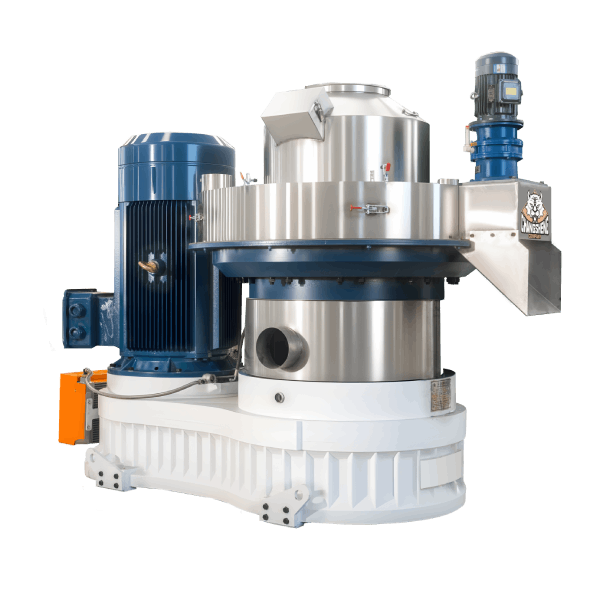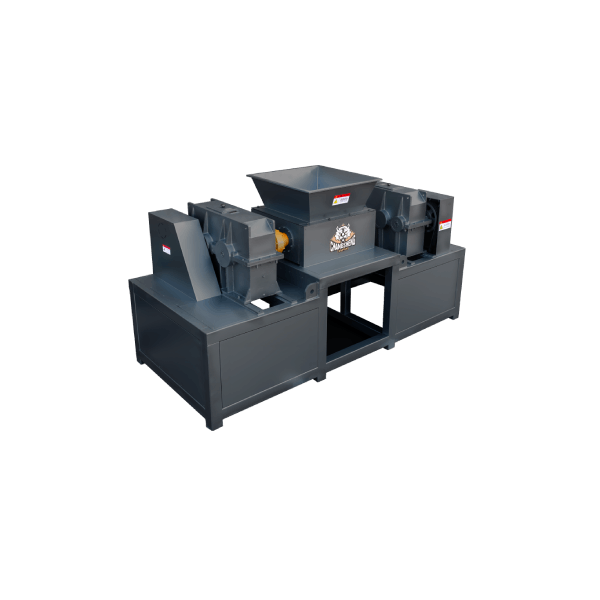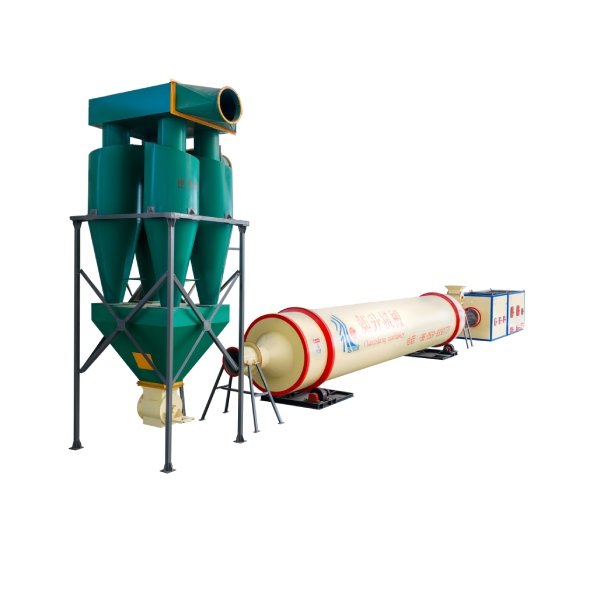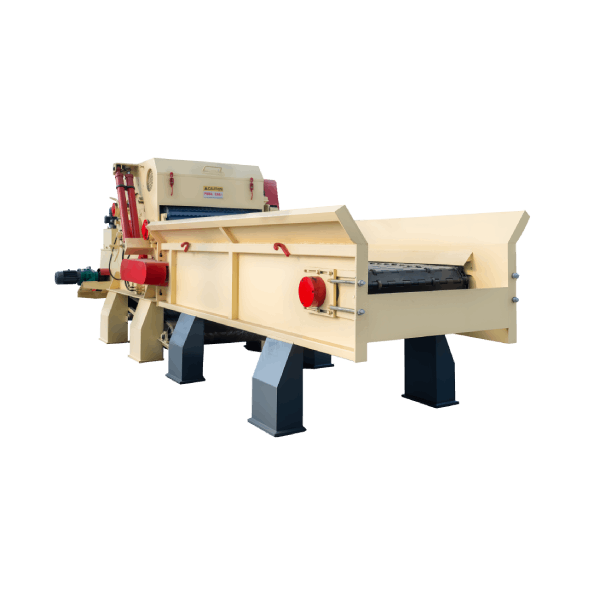
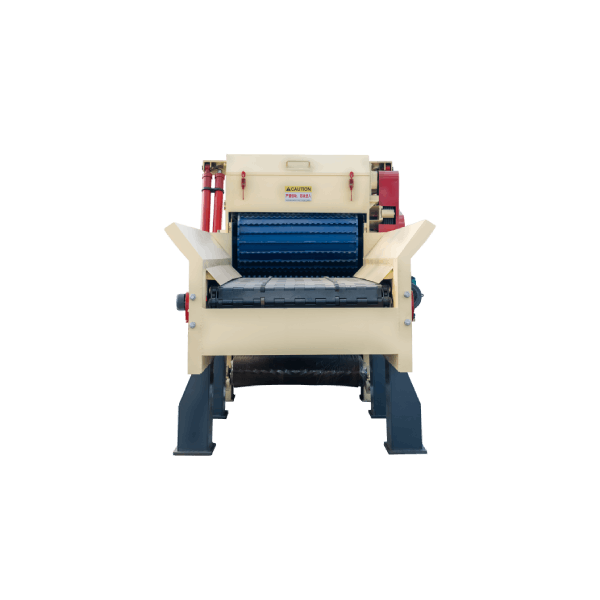
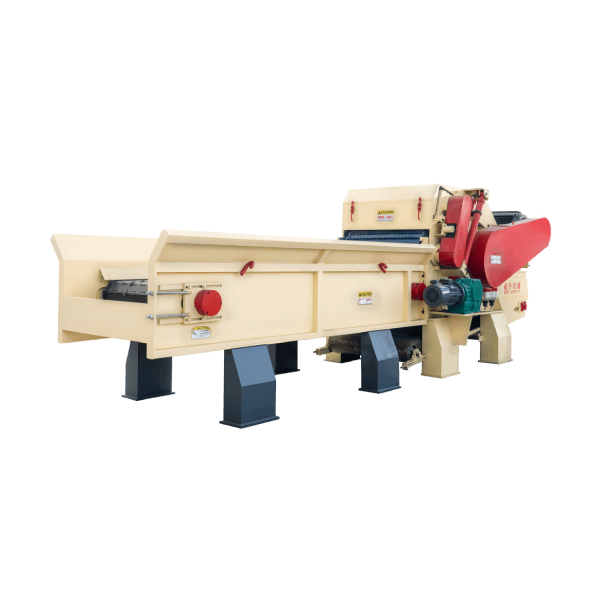
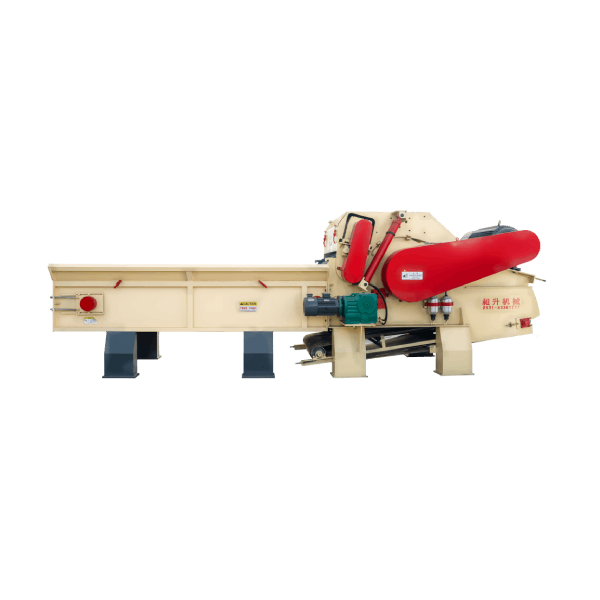
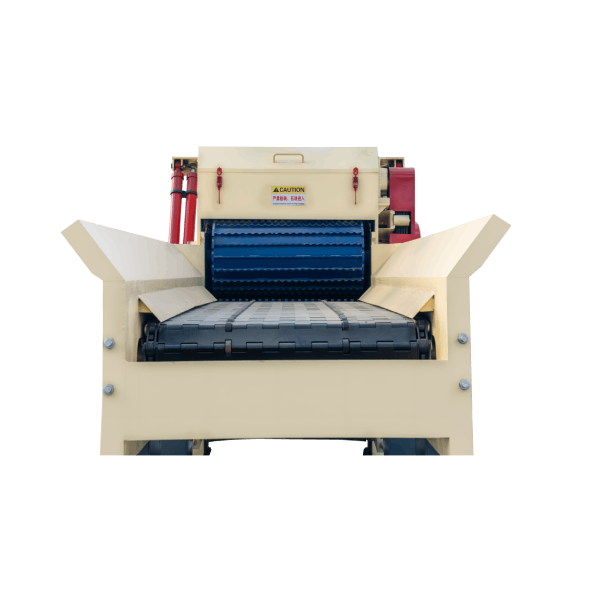
Wood Chip Crusher
Brand: Changsheng
Model: 1600-800
Power: 220KW
Yield: 20-25T
Size: 9.6*2.8*2.7M
Weight: 20T
Category:Product one
Product Details
Stop letting inconsistent chips compromise your downstream process. The Changsheng Wood Chip Crusher delivers uniform, high-volume chip production from varied wood waste, optimizing your feed for pulping, biomass, or pellet lines. Request a free chip sample analysis & quote.
For plant managers in biomass, MDF, or pellet production, the quality of your wood chips is not an output—it’s an input that defines everything that follows. Inconsistent chip size, high fines content, and contaminants from metal or stone lead to inefficient digestion, poor pellet quality, uneven combustion, and accelerated equipment wear. Your entire process depends on a reliable, uniform feedstock.
The Changsheng Wood Chip Crusher is engineered to be the precision instrument in your wood processing line. It goes beyond simple chipping to deliver controlled, consistent geometry chip after chip. By integrating a heavy-duty cutting drum with precision-honed knives and intelligent screening, this machine transforms mixed wood waste—from logs to slabs—into a high-value, specification-grade product that maximizes the efficiency and profitability of your entire operation.
Engineered for Precision: From Waste to Value-Added Chips
Core Performance Specifications:
- Capacity Range: 20 – 25 Tons (BDT) Per Hour
- Drive Power: 220 kW (High-torque hydraulic or direct electric drive)
- Cutting Drum Diameter: Up to 2,000+ mm for high-volume throughput
- Chip Length: Precisely adjustable (typically 15-35mm)
- Key Feature: Interchangeable Screen & Counter-Knife System
How a Precision Crusher Outperforms a Standard Chipper
| Critical Quality Metric | Changsheng Wood Chip Crusher | Standard Disc or Drum Chipper | Impact on Your Downstream Process |
|---|---|---|---|
| Chip Size Consistency | Interchangeable Screen Sizes & Precise Knife Gap Control govern chip length and thickness. | Chip length varies widely based on feed rate and wood geometry. | Eliminates screening rejects and process inefficiencies. Provides ideal, uniform feedstock for digesters, dryers, and pellet mills. |
| Fines & Splinter Control | Cleaving & Shearing Action of the counter knife produces clean-cut chips; integrated fines screening option. | Primarily a slicing action that can produce excess slivers and fines. | Dramatically reduces unwanted fines (under 5%). Increases bulk density, improves dryer efficiency, and enhances final product quality. |
| Contaminant Tolerance | Heavy-Duty Construction, Hydraulic Drive Options, and Stone Traps. | Highly susceptible to catastrophic damage from tramp metal or rocks. | Built-in protection minimizes unplanned downtime. Automatic reversal systems and robust components safeguard your investment from costly failures. |
The Precision Cutting Principle:
Unlike chippers that rely on a single impact, this machine employs a cleaving-shearing mechanism. A high-inertia rotating drum, fitted with strategically angled knives, pulls the wood against a rigid, adjustable counter knife. This action cleanly severs the wood fibers, producing chips with parallel grain and controlled dimensions. The immediate post-cut screening ensures only chips meeting the target size proceed, while oversize material is recirculated. This results in a bulk product of unparalleled consistency.
Trust Built on Delivering Specification-Grade Product
Industry-Focused Design: Our engineering prioritizes the chip quality parameters demanded by pulp mills, biomass power plants, and panel board manufacturers.
Global Benchmark Performance: Changsheng Chip Crushers are the core of high-volume operations in North American lumber mills, Scandinavian biomass plants, and Asian MDF facilities, where chip spec compliance is contract-critical.
Documented Results from High-Volume Operators:
- Case Study: Biomass Power Plant, Northern Europe:
- Challenge: High fines content (>12%) in purchased chips reduced boiler efficiency and increased ash handling costs.
- Solution: Installed an on-site Changsheng crusher to process their own forest residue.
- Result: Produced chips with consistent <6% fines content. Increased boiler thermal efficiency by 8% and reduced fuel handling costs by 15%, paying back the investment in under 18 months.
- Case Study: Oriented Strand Board (OSB) Plant, North America:
- Challenge: Inconsistent strand geometry from old chippers led to panel strength variations and increased resin usage.
- Solution: Upgraded two primary lines with Changsheng precision crushers.
- Result: Achieved strand geometry consistency within a 2mm tolerance. Improved panel MOR (Modulus of Rupture) by 10% and reduced resin consumption by 7%, significantly enhancing product quality and margin.
Our Commitment to Your Output Quality: We provide performance guarantees on chip size distribution. Our service includes knife metallurgy consulting, wear monitoring programs, and guaranteed parts supply to maintain spec compliance.
Answering Critical Questions on Industrial Chip Production
Q: How do you manage knife wear and maintain chip geometry over time?
A: Precision requires consistency. Our knives use specialized, through-hardened steel alloys. The cutter drum design allows for simultaneous indexing of all knives in minutes, ensuring the cutting circle remains perfect. Automated sharpening systems and knife usage tracking are available to maintain peak geometry and output quality 24/7.
Q: Can one machine efficiently process both softwoods and hardwoods?
A: Absolutely. The key is the adjustable knife geometry and hydraulic drive control. For softwoods, we optimize for higher volume and cleaner cuts. For hardwoods, we configure for higher torque and different knife angles to prevent splintering. We tailor the machine’s setup to your primary wood mix during the engineering phase.
Your Path to Premium Wood Chip Production
Download Our Technical Guide: Get our detailed report: “The Economics of Chip Quality: Calculating the Downstream Value of Consistent Wood Chip Specifications.”
Get a Chip Quality Analysis: Connect with our wood processing engineers for a Free Feedstock and Chip Spec Review. We’ll analyze your wood source and end-product requirements to model the optimal crusher configuration.
Prove the Premium Output: Request Your Free Chip Sample Test & Full Proposal. Send us your raw material. We will process it and return a detailed chip analysis report (size distribution, fines content, bulk density) alongside our commercial offer.
The Defining Machine for Chip-Critical Industries
In today’s market, raw wood is a commodity, but consistent, specification-grade wood chips are a premium product. The Changsheng Wood Chip Crusher is the transformative technology that bridges this gap. It is the difference between selling waste and producing a high-value engineered feedstock. For businesses where chip quality dictates process efficiency, product integrity, and contractual compliance, this isn’t just another machine—it’s the core asset of your profitability.
Frequently Asked Questions
A small home-use pellet mill (50-100kg/h) costs $1,000-$4,000. A commercial ring die machine (500-1000kg/h) ranges from $15,000 to $50,000. The final price depends on capacity, power (electric/diesel), and die type (flat/ring). For an exact quote, always specify your raw material (wood, feed, straw) and target hourly output.
For making wood pellets, a ring die pellet mill is best for commercial production (>300kg/h) due to higher output and durability. For home/small farm use (<300kg/h), a flat die machine is more cost-effective. Key factors: moisture content (<15%), material size (<3mm), and your required capacity.
Three main reasons: ① Incorrect moisture (too dry or wet – ideal is 10-15%). ② Worn die or rollers – replace if gap > 0.5mm. ③ Improper feeding – inconsistent or too fast. Always test with dry sawdust first and ensure material is finely crushed.
Pellet machines can process biomass (wood, straw, bamboo), animal feed (alfalfa, corn, soybean), and some organic waste. Wood is most common. Avoid materials with high sand, oil, or metal content. Each material requires specific die hole size and moisture adjustment.
- Market research – target local farms (feed) or homeowners (heating).
- Start small – begin with a 300-500kg/h machine (investment: ~$20k-$35k).
- Secure raw materials – local sawdust, agricultural waste.
- Focus on quality – produce high-density, low-ash pellets.
- Calculate ROI – average net profit: $30-$80/ton. A 500kg/h line can ROI in 12-18 months.