Pellet Die Replacement Cost: What Drives It and How to Budget for It
News 2026-11-05
A pellet die is a consumable, and the cost of replacing it is not the price on the die invoice. The cost that matters over the life of the machine is the die price divided by the tons produced on that die, plus the downtime of the change, plus the cost of the pellets that are off-specification before the die is changed. A cheap die that wears out noticeably faster than an expensive one can cost more per ton, and a die change that takes a full shift of lost production can cost more than the die itself.
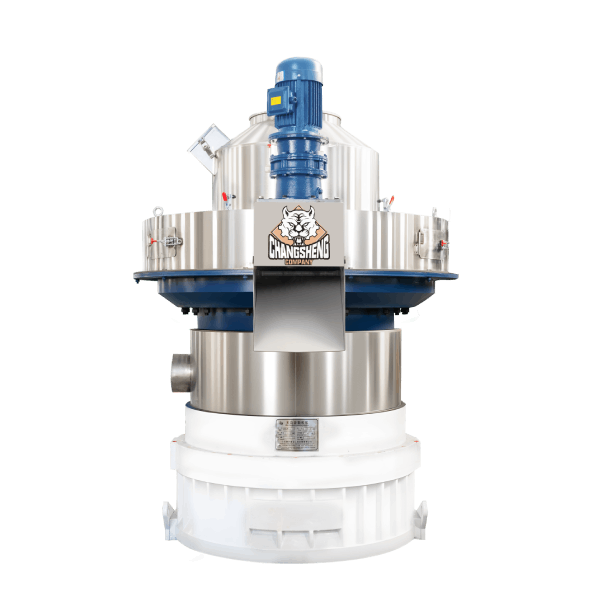
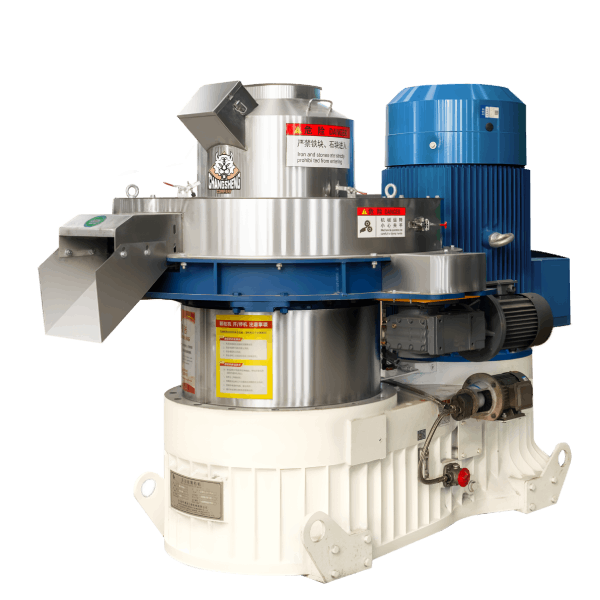
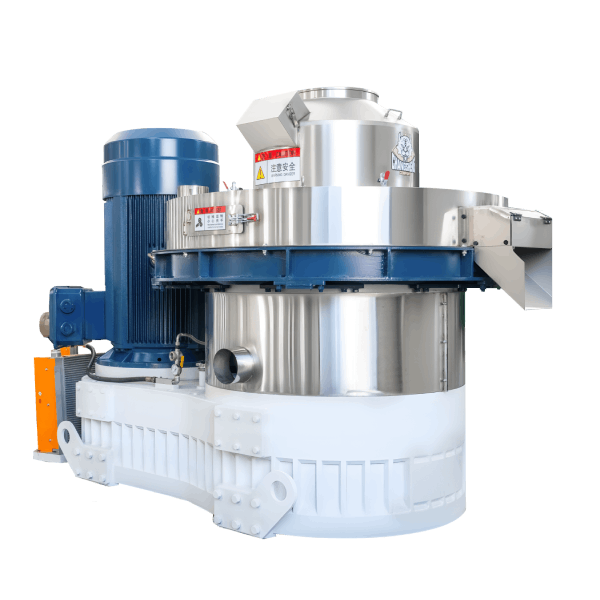
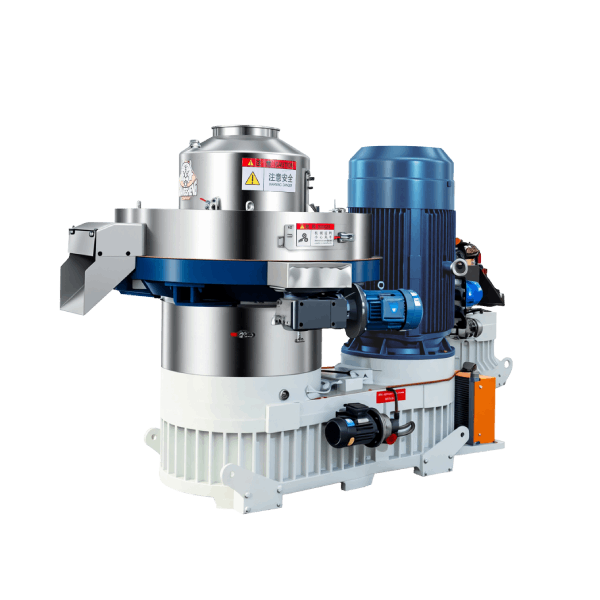
This page explains what a pellet die replacement costs, what drives the cost, how to calculate the cost per ton, how to budget for the replacement cycle, and what to check before buying a replacement die. Shandong Changsheng Machinery supplies ring die pellet mills and dies, and the guidance below reflects how die cost and die life are handled in service.
The short answer
The cost of a pellet die replacement has three parts: the die price, the downtime of the change, and the quality loss before the change. The die price is the easiest to quote and the least important over the replacement cycle; the downtime and the quality loss are usually larger, and they are the parts that the buyer controls through maintenance planning and through the die specification.
The practical rule: compare dies on cost per ton of pellets produced rather than on cost per die, treat the die change as a planned maintenance event rather than as an emergency, and use the project’s own figures for the die price, the tonnage, the change time, and the margin per ton rather than a general estimate.
What a pellet die replacement actually costs
The die price. The die price depends on the die size, the material grade, the heat treatment, the hole diameter and pattern, the compression ratio, the die type (single-layer or double-layer), the supplier’s own cost structure and the material it sources, and the order quantity. The die price should be quoted with the material grade and the heat treatment stated, because a die price without those is not a comparable price. A die for a small flat die machine is in a different price category from a die for a large industrial ring die machine, and the difference is a factor of several times to an order of magnitude, so the die price should be quoted for the specific machine rather than estimated from a general range. Shandong Changsheng Machinery supplies dies matched to the machines it manufactures, so the die specification and the expected life can be confirmed against the machine and the material before the order.
The downtime of the change. The die change requires a production stop, a die removal, a roller inspection, a die installation, a clearance adjustment, and a first production stabilization. The time depends on the machine size, the lifting equipment available, the experience of the maintenance team, and whether a spare die is on site. The downtime cost is the production rate multiplied by the change time multiplied by the margin per ton, and it is often larger than the die price itself.
The quality loss before the change. A worn die produces a lower pellet durability, a higher fines content, and a higher power draw before it fails completely. The quality loss is the value of the pellets that are downgraded or rejected, plus the energy cost of running a worn die, and it begins well before the die is visibly damaged.
The installation and verification cost. The die should be checked on arrival, fitted, and run on the actual material to confirm the durability and the output. The installation and verification cost includes the labor, the test material, and the production time taken for the trial.
What drives the die replacement cost
The die life on the material. The die life depends on the abrasiveness of the material, the moisture, the compression ratio, the roller clearance, and the way the machine is run. A high-silica material such as rice husk wears a die faster than clean softwood, and a die that is run with a wide roller clearance or with a wet material can wear out before its expected life.
The die specification. A die made from a higher wear-resistant material and correctly heat-treated lasts longer than a standard die, and the price difference is usually recovered over the replacement cycle if the material is abrasive. A die in a higher wear-resistant material is significantly more expensive than a standard die, and whether it is worth the difference depends on the abrasiveness of the material and the die life it delivers on that material. A die with the wrong compression ratio for the material wears faster and produces a poorer pellet, and the cost of the wrong specification is paid twice, once in the die and once in the quality loss.
The operating practice. A steady feed, the correct moisture at the die, the correct roller clearance, and a planned replacement on the wear signals all extend the die life. A surging feed, a wet material, a roller clearance that is too tight or too loose, and running the die until it fails all shorten the life and raise the cost per ton.
The spare die planning. A spare die on site turns a die failure into a planned change, and a planned change costs less downtime than an unplanned one. A project without a spare die will wait for the replacement to be manufactured and shipped, and the downtime during that wait is the largest cost of all.
How to calculate the cost per ton
The cost per ton of pellets produced on a die is the sum of the die price, the downtime cost, and the quality loss, divided by the tons produced on that die. The downtime cost is the production rate multiplied by the change time multiplied by the margin per ton. The margin per ton is the selling price minus the variable cost per ton, and it should come from the project’s own cost model rather than from a general figure. The quality loss is the tons of downgraded or rejected pellets multiplied by the price difference, plus the extra energy consumed by the worn die.
A worked example makes the calculation clear, and the numbers in it are illustrative and do not represent a specific die or a specific project. Take a die that costs 1,000, produces 2,000 tons before it is changed, and requires 4 hours to change, on a line producing 2 t/h with a margin of 100 per ton. The die cost per ton is 1,000 divided by 2,000, which is 0.50 per ton. The downtime cost per ton is 4 hours multiplied by 2 t/h multiplied by 100 per ton, divided by 2,000 tons, which is 0.40 per ton. The two together give 0.90 per ton before the quality loss, and the quality loss is added on top of that from the downgraded tonnage and the extra energy. The die cost per ton is therefore a fraction of the total pellet cost per ton, and the downtime and the quality loss are the parts that the buyer controls.
The example is not a quote and the figures should be replaced with the actual die price, the actual tonnage, the actual change time, and the actual margin per ton for the project. The point of the example is the structure, not the numbers.
How to budget for the replacement cycle
The die replacement should be budgeted as a recurring cost, not as an occasional purchase. The budget should be based on the expected die life on the material, the number of dies per year, the die price, the planned change time, and the spare die stock. The expected die life should come from the trial on the actual material, the buyer’s own historical record on the same material, or the supplier’s reference on a similar material, and it should be revised as the operating record accumulates.
The budget should also include the spare die stock, with at least one spare die per pellet mill in the line, so that a die change can be planned rather than forced by a failure. The spare die has a capital cost, but it is smaller than the cost of a production stoppage while a die is on order.
The budget should be reviewed against the actual consumption, because a die that is lasting longer or shorter than expected is a signal that the specification, the material, or the operating practice has changed, and the budget should follow the evidence rather than the assumption.
How to reduce the die replacement cost
The die replacement cost can be reduced by extending the die life and by reducing the downtime and the quality loss. The practical measures are the following.
Select the die specification for the material, and confirm it in a pelletizing test, because a die with the correct compression ratio and material grade lasts longer and produces a better pellet than a die selected from a general table.
Control the moisture at the die within the workable range, because a wet material slips and a dry material overpresses, and both shorten the die life.
Set the roller clearance to the supplier’s specification and check it regularly, because a clearance that is too tight wears the die and the rollers and raises the motor load.
Replace the die on the wear signals rather than on a fixed hour count, because running a worn die raises the power draw and lowers the pellet quality well before the die fails.
Keep a spare die on site, because a planned change costs less downtime than an unplanned one.
Record the die life and the operating conditions for each die, because the record is what allows the next die to be specified on evidence rather than on assumption.
What to check before buying a replacement die
Before ordering a replacement die, confirm the machine make and model, the die dimensions, the original die specification, the material the die will run, the moisture range, the target pellet diameter, the target pellet durability, and the expected die life. Ask the supplier to state the material grade, the heat treatment, the hardness, the hole diameter, the effective working length, the compression ratio and its definition, and the expected life on the specified material, and to confirm the acceptance terms if the die does not reach the agreed life.
A die quotation that lists only the dimensions and the price is not a die specification, and it cannot be compared with another quotation or used to calculate the cost per ton.
If you are budgeting for a pellet die replacement and need the die specification and the expected life confirmed against your machine and your material, send the machine model, the original die dimensions or a drawing, the material and its moisture range, the pellet diameter, and the target durability, and the Shandong Changsheng Machinery team can confirm the die specification and the expected life for that configuration.
Bottom line
A pellet die replacement costs more than the die price. The cost over the replacement cycle is the die price plus the downtime of the change plus the quality loss before the change, divided by the tons produced, and it is the cost per ton that should be compared between die options rather than the price per die. The die cost per ton is usually a fraction of the total pellet cost per ton, and the downtime and the quality loss are the larger and more controllable parts. The die life depends on the material, the die specification, the roller clearance, the moisture, and the operating practice, and it can be extended by selecting the die for the material, controlling the moisture and the roller clearance, replacing the die on the wear signals, and keeping a spare die on site. Budget the replacement as a recurring cost based on the expected life from the trial or the operating record, review the budget against the actual consumption, and specify the die with the material grade, the heat treatment, the hole diameter, the compression ratio and its definition, and the expected life on the purchase order, so that the next die is specified on evidence rather than on assumption.