Pellet machine investment cost for biomass plant Guide
News 2026-02-26
Pellet Machine Investment Cost for Biomass Plant: Complete Engineering and Financial Analysis
Understanding pellet machine investment cost for biomass plant development is critical for procurement managers, EPC contractors, and biomass investors. Equipment pricing alone does not reflect total capital expenditure. A realistic financial model must include machinery, civil construction, electrical systems, installation, commissioning, working capital, and operational risk buffers.
This technical guide provides a structured evaluation framework for pellet machine investment cost for biomass plant projects, helping industrial decision-makers build reliable budgets and reduce financial uncertainty.
Product Definition (40–60 Words)
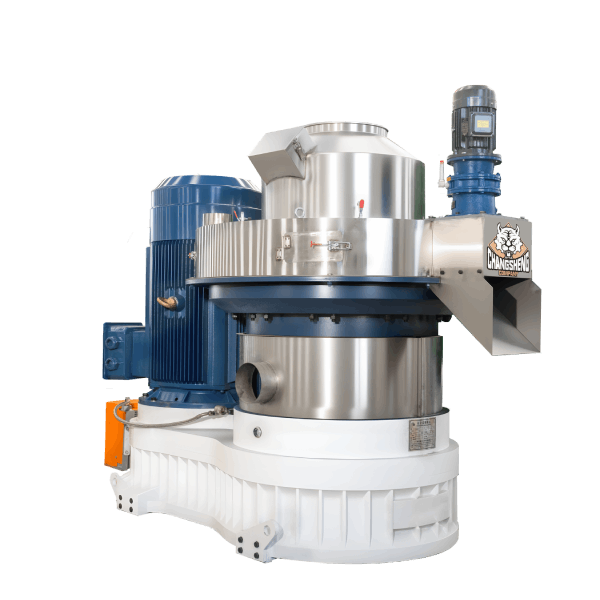
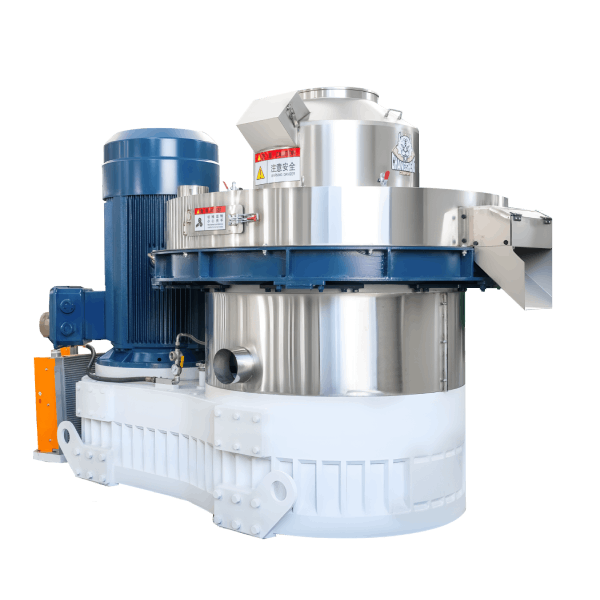
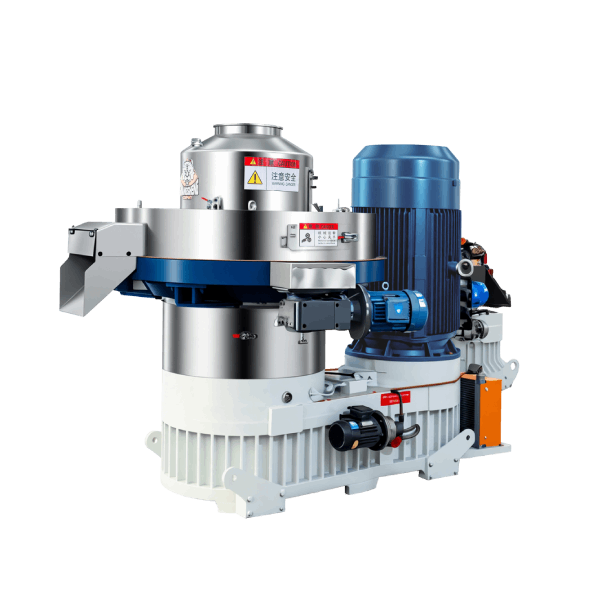
A pellet machine is an industrial compression unit designed to convert processed biomass materials into dense cylindrical fuel pellets through high-pressure extrusion, forming the core of a biomass production plant and requiring integrated power systems, structural foundations, and controlled feeding systems for stable commercial operation.
Investment Structure Overview
The pellet machine investment cost for biomass plant projects typically includes:
- Core pelletizing equipment
- Raw material preparation system
- Cooling and screening units
- Packaging and storage systems
- Civil foundation and structural steel
- Electrical and automation systems
- Installation and commissioning
- Spare parts and working capital
For medium-scale plants (2–5 T/H), pelletizing equipment usually accounts for 35–50% of total project investment.
Technical Parameters and Specifications
Typical Industrial Ring Die Pellet Machine for Biomass Plant
Capacity
2–6 tons per hour
Main Motor Power
110–160 kW
Feeder Motor
2.2–3 kW with frequency control
Ring Die Diameter
420–520 mm
Pellet Diameter
6–10 mm
Power Consumption
80–110 kWh per ton
Lubrication System
Automatic grease lubrication
Control System
PLC with temperature and load monitoring
These parameters directly influence pellet machine investment cost for biomass plant feasibility calculations.
Structure and Material Composition
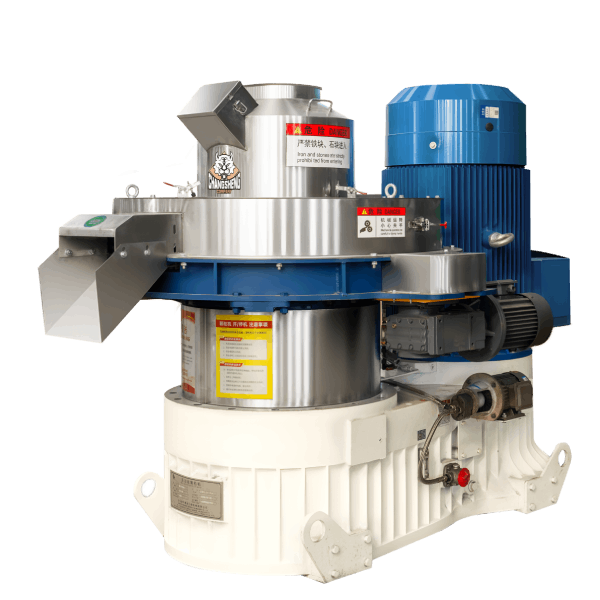
Main Structural Components
Feeding System
- Stainless steel variable-speed feeder
- Anti-bridging hopper
Pelletizing Chamber
- Alloy steel ring die (heat-treated)
- Hardened press rollers
- Wear-resistant inner liner
Drive System
- Heavy-duty gearbox
- High-strength alloy steel shaft
Bearing Assembly
- Industrial-grade spherical roller bearings
Lubrication System
- Centralized automatic lubrication
Control Cabinet
- PLC controller
- Overload and temperature protection
Material selection and heat treatment quality affect durability and lifecycle cost within total pellet machine investment cost for biomass plant planning.
Manufacturing and Engineering Process
- Raw Material Crushing
Equipment: Hammer mill
Key point: Particle size below 5 mm - Drying
Equipment: Rotary dryer
Key point: Moisture adjusted to 10–15% - Pelletizing
Equipment: Ring die pellet machine
Key point: Controlled feed rate and die compression ratio - Cooling
Equipment: Counterflow cooler
Key point: Reduce pellet temperature to ambient +5°C - Screening
Equipment: Vibrating sieve
Key point: Remove fines - Packaging
Equipment: Automatic bagging machine
Key point: Accurate weight control
Installation Engineering Steps
- Foundation layout and anchor positioning
- Mechanical alignment
- Electrical cable routing
- PLC integration
- No-load testing
- Load trial operation
These engineering activities contribute to pellet machine investment cost for biomass plant implementation.
Industry Comparison
| Parameter | Pellet Plant | Briquette Plant | Charcoal Plant |
|---|---|---|---|
| Initial Investment | Medium–High | Low–Medium | Medium |
| Installation Complexity | High | Low | Medium |
| Automation Level | High | Low | Medium |
| Energy Efficiency | High | Moderate | Moderate |
| Export Market Acceptance | High | Low | Medium |
Pellet systems require higher upfront investment but offer stronger export potential and consistent fuel quality.
Application Scenarios
Distributors
- Bulk pellet supply for heating markets
EPC Contractors
- Biomass power plant fuel preparation
Industrial End Users
- Boiler fuel replacement systems
Engineering Consultants
- Renewable energy transition planning
In all cases, pellet machine investment cost for biomass plant projects must align with expected output volume and market demand.
Core Pain Points and Solutions
- Capital Budget Underestimation
Solution: Include installation, utilities, and spare parts in initial planning. - Over-Sizing Equipment
Solution: Match capacity with raw material supply and market demand. - High Power Consumption
Solution: Select energy-efficient motors and optimized die compression ratios. - Raw Material Instability
Solution: Install moisture control and mixing systems. - Delayed ROI
Solution: Secure long-term pellet off-take agreements before commissioning.
Addressing these risks stabilizes pellet machine investment cost for biomass plant returns.
Risk Warnings and Mitigation
- Insufficient raw material supply may lead to underutilized capacity.
- Weak foundation can cause vibration damage.
- Poor electrical design may trigger motor overload.
- Low-quality ring dies increase maintenance cost.
Mitigation requires engineering verification, supplier evaluation, and structured commissioning plans.
Procurement and Selection Guide
- Define Production Capacity Target
Calculate annual output requirement. - Assess Raw Material Availability
Confirm consistent feedstock supply volume. - Request Detailed Equipment Proposal
Ensure pellet machine investment cost for biomass plant includes full system breakdown. - Review Foundation and Power Drawings
Plan civil and electrical work in advance. - Evaluate Supplier Engineering Experience
Check previous industrial installations. - Calculate Operating Cost per Ton
Include electricity, labor, maintenance, and spare parts. - Analyze Payback Period
Compare capital investment with pellet sales revenue. - Secure After-Sales Technical Support
Confirm spare part availability and response time.
These steps reduce financial uncertainty and improve capital efficiency.
Engineering Case Example
Project Type
Industrial biomass pellet plant
Capacity
3 T/H
Configuration
- 132 kW ring die pellet machine
- Hammer mill and rotary dryer
- Counterflow cooler
- Automatic packing line
Estimated Investment Breakdown
Pelletizing Equipment
90,000–130,000 USD
Drying and Crushing System
70,000–120,000 USD
Cooling and Packaging
40,000–70,000 USD
Civil and Structural Work
20,000–50,000 USD
Electrical and Installation
25,000–60,000 USD
Total Pellet Machine Investment Cost for Biomass Plant
Approximately 245,000–430,000 USD
This estimate reflects a mid-scale industrial project and excludes land acquisition.
FAQ
- What is included in pellet machine investment cost for biomass plant?
Equipment, installation, utilities, and commissioning. - Does it include land cost?
No, land is typically separate. - What is typical ROI period?
Usually 2–4 years depending on market. - How much power is required?
Approximately 150–250 kW for a 3 T/H system. - Can the plant operate 24 hours?
Yes, with proper maintenance scheduling. - What affects total cost most?
Drying system and automation level. - Is automation necessary?
Recommended for stable large-scale production. - How long is installation time?
Normally 30–60 days including commissioning. - Are spare parts costly?
Ring dies and rollers are primary consumables. - Can capacity be expanded later?
Yes, modular expansion is possible with proper layout planning.
CTA
For a customized pellet machine investment cost for biomass plant proposal based on your production target, raw material type, and regional power conditions, contact our engineering team to request a detailed technical and financial feasibility report.
E-E-A-T Author Statement
This technical analysis was prepared by biomass plant engineering professionals with over 15 years of experience in pellet production line design, industrial commissioning, and renewable energy project budgeting. Data presented is based on standard industrial configurations and real project benchmarks across multiple biomass markets.