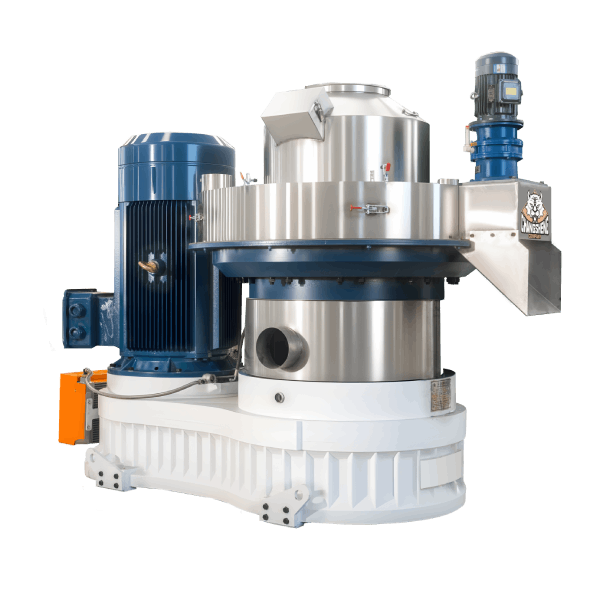
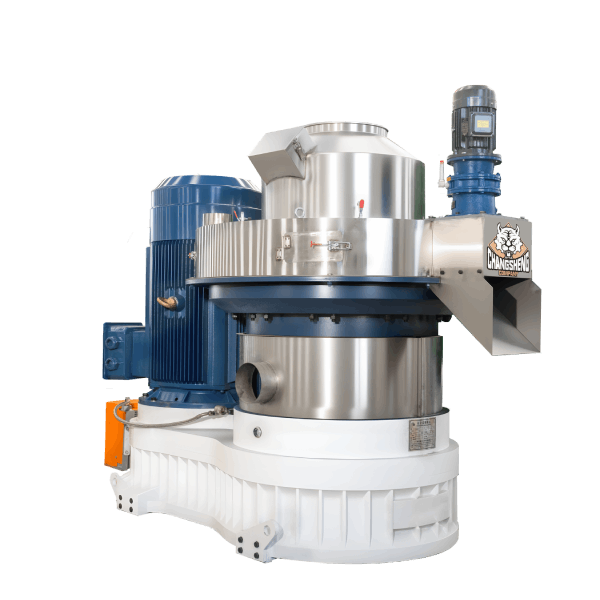
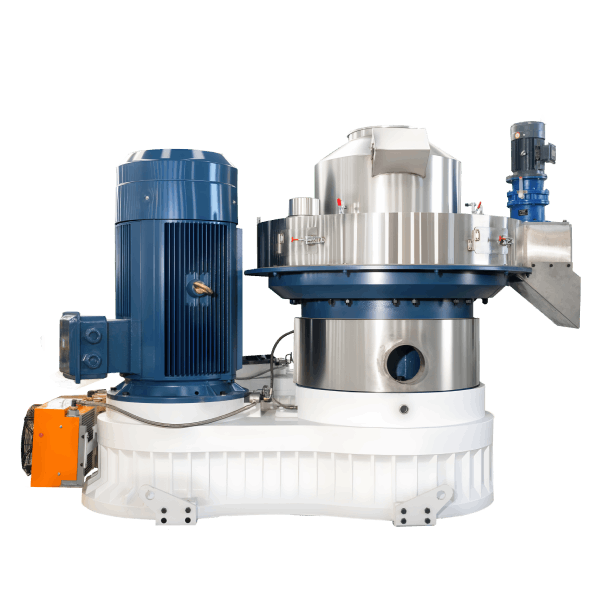
Pellet Mill for Island Community: How to Plan Power, Transport, and Maintenance Before You Buy
News 2026-09-21
A pellet mill for island community use is a different project from a machine installed in an industrial park. On an island, the main constraints are not pellet quality or capacity. They are power supply, sea freight, raw material logistics, corrosion, spare parts lead time, and the ability to keep the machine running with limited technical support.
This guide is written for procurement managers, importers, EPC contractors, community project leaders, and end users who plan to install a pellet mill on an island. It explains the six main constraints, the practical options for each, and what to confirm with the supplier before purchase.
The Six Main Constraints on an Island
Island community projects are shaped by six constraints:
Power supply: no grid, weak grid, or high-cost diesel generation
Sea freight and transport: long distance, limited port access, limited lifting equipment
Raw material logistics: scattered material, seasonal supply, variable quality
Environment: high humidity, salt air, and corrosion risk
Maintenance and spare parts: few technicians, long lead time for parts
Community operation: shared use, shared cost, and shared maintenance responsibility
Each constraint affects machine selection, configuration, and operating cost. The sections below address each one with practical measures.
Constraint 1: Power Supply
The most common question is whether a pellet mill can run without grid power on an island. The answer depends on the power source and the machine size.
Power options for island communities:
Diesel generator set
Hybrid diesel-solar system
Solar with battery and inverter, for small capacity only
Small grid with voltage stabilizer, where available
Biomass gasification or waste heat, in specific projects
Key engineering points:
Pellet machines have high starting current. The generator must be sized for starting current, not only running load.
Diesel fuel cost on islands is usually high. Power cost per ton of pellets should be calculated before choosing machine size.
For small community demand, a flat die machine with lower starting load is easier to power than a large ring die machine.
Solar systems are usually practical only for very small capacity and low daily running hours, because pelletizing is power-intensive.
A voltage stabilizer or automatic voltage regulator is recommended where grid voltage fluctuates.
Fuel storage, delivery frequency, and generator maintenance should be planned as part of the project.
What to confirm with the supplier:
Total connected load, including main motor and auxiliary equipment
Starting current and recommended generator size
Motor insulation class and protection class
Whether a soft starter or variable frequency drive is available to reduce starting current
Minimum and maximum voltage tolerance of the control system
Recommendations for high ambient temperature and high humidity
Constraint 2: Sea Freight and Transport
Island projects usually involve sea freight, port handling, and limited road access. Machine size and packing method directly affect feasibility and cost.
Key engineering points:
Large ring die machines may require frame container loading and heavy lifting equipment at the port and at site.
Flat die machines are generally easier to transport in sections and install with basic equipment.
Foundation requirements should be reviewed against local soil and access conditions.
If site access is limited, request a split design where the main body, motor, and frame can be transported separately.
Packing must protect against humidity and salt air during sea transport.
Shipping marks, case numbers, weight, and dimensions should match the packing list.
What to confirm with the supplier:
Total weight and dimensions of the largest single piece
Whether the machine can be shipped in sections
Foundation drawing and load data
Minimum lifting capacity required at the port and at site
Packing method for humid and salt air conditions, including desiccant and barrier film
Installation tools and special fixtures included
Constraint 3: Raw Material Logistics
On islands, raw material is often scattered, seasonal, and variable in moisture and quality. Common materials include coconut shell, wood waste, agricultural residues, and imported feedstock.
Key engineering points:
Small batch and variable material suits flat die machines better than large ring die machines.
A crusher and mixer may be needed on site to prepare material.
Moisture control is critical. A dryer may be needed if material is wet, especially in high humidity conditions.
Storage capacity should match the interval between material collection and use.
Pellet size and die compression ratio should be selected for the dominant material, not an ideal mix.
Coconut shell and similar hard materials require appropriate die compression ratio and may wear dies faster.
What to confirm with the supplier:
Recommended machine type for variable and small batch material
Recommended die compression ratio for the main material, such as coconut shell or wood waste
Whether a crusher, mixer, and dryer are needed
Recommended storage and moisture control method for high humidity conditions
Constraint 4: Environment and Corrosion Protection
High humidity and salt air accelerate corrosion on steel structures, electrical components, and fasteners. This is one of the most underestimated risks in island projects.
Key engineering points:
Specify corrosion protection for frames, guards, and exposed steel parts. Paint system should be suitable for coastal conditions.
Use stainless steel or treated fasteners where practical.
Electrical panels should be IP-rated and sealed against moisture and salt air.
Motors should have appropriate protection class and anti-condensation provision.
Control panels should include heaters or breathers to reduce condensation.
Bearings and lubrication points should be protected and inspected more frequently.
What to confirm with the supplier:
Paint system and corrosion protection class for coastal environment
IP rating of electrical panels and control cabinets
Motor protection class and anti-condensation provision
Material of fasteners and exposed parts
Recommended maintenance interval for corrosion inspection
Constraint 5: Maintenance and Spare Parts
On islands, maintenance must be simple and spare parts must be planned in advance. A machine that requires frequent specialist service is a poor fit.
Key engineering points:
Choose a machine with simple structure, easy access to dies and rollers, and commonly available bearings and belts.
Keep a minimum spare parts stock: one die, one set of rollers, bearings, belts, seals, lubricants, and electrical spares.
Train local operators on daily checks, die change, roller clearance adjustment, and troubleshooting.
Keep a maintenance log to track die hours, power consumption, and output.
Plan spare parts orders ahead of the wear cycle, considering shipping lead time.
Keep critical documents on site: operation manual, electrical diagram, foundation drawing, and spare parts list.
What to confirm with the supplier:
Recommended spare parts stock and part numbers
Expected die and roller life under your material
Maintenance schedule and required tools
Availability of remote technical support, such as video guidance
Recommended electrical spares, such as contactors, relays, and fuses
Constraint 6: Community Operation Model
An island community project often involves shared use, shared cost, and shared maintenance. The operation model affects machine size, automation level, and training requirements.
Key engineering points:
Define who operates the machine, who maintains it, and who pays for power and spare parts.
Choose capacity based on community demand, not on maximum possible output.
Consider a shared operator model where one or two trained operators run the machine for multiple users.
Keep a simple record of input material, output, power consumption, and spare parts use.
Plan a small reserve fund for spare parts and repairs.
What to confirm with the supplier:
Recommended automation level for community operation
Training plan for local operators
Documentation in a language understood by operators
Recommended record-keeping format for input, output, and maintenance
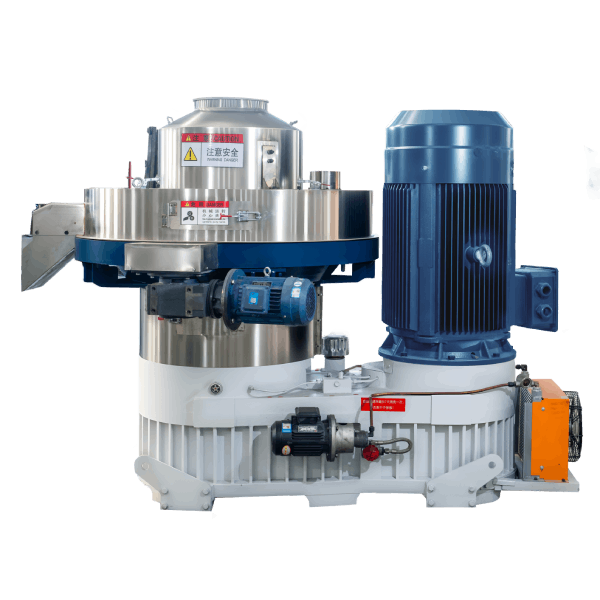
Machine Selection Guide for Island Communities
Small island community, low daily demand: flat die machine, 7.5 to 30 kW, diesel generator power, simple structure.
Medium island community, regular demand: flat die machine, 30 to 55 kW, with crusher and mixer, hybrid diesel-solar power where feasible.
Larger island community, continuous production: small ring die machine, 55 to 90 kW, with full auxiliary line and planned spare parts stock.
Very small community with limited power: consider a very small flat die machine or a shared unit with neighboring communities, and accept lower output.
In all cases, size the machine to the available power and transport conditions, not to the ideal output. A machine that cannot start reliably is worse than a smaller machine that runs every day.
Power Sizing Example
To estimate generator size, add the main motor power and all auxiliary loads, then apply a starting margin.
Example: main motor 30 kW, feeder 0.55 kW, conveyor 1.5 kW, total running load about 32 kW. With a starting margin of 1.3 to 1.5, a generator in the range of 45 to 55 kW is a practical starting point. Actual size depends on generator type, starting method, ambient temperature, and whether a soft starter or variable frequency drive is used.
Installation Checklist for Island Sites
Confirm port access and largest piece size
Confirm transport from port to site and lifting equipment
Confirm foundation and soil condition
Confirm power source, voltage, frequency, and protection
Confirm corrosion protection for coastal environment
Confirm workshop shelter, ventilation, and material storage
Confirm operator training plan
Confirm spare parts and tools are on site before commissioning
Operating Checklist for Island Communities
Check power source stability before startup
Follow a structured startup procedure to avoid overload
Monitor motor current, die temperature, and pellet quality
Record output and power consumption daily
Check lubrication, roller clearance, and corrosion regularly
Keep spare die and rollers in stock
Plan material collection and drying ahead of production
Review spare parts stock before the storm or rainy season
Risk Reminders
Undersized generator causes overload trips and motor damage
High diesel cost on islands makes power cost per ton a critical factor
Corrosion in salt air damages electrical components and fasteners
Poor material preparation causes blockage and fast die wear
No spare parts stock turns a one-day repair into a weeks-long shutdown
No operator training leads to repeated operating errors
No community operation plan leads to unclear responsibility and disputes
A Practical Case from an Island Community Project
An island community used coconut shell and wood waste to produce pellets for local heating and cooking. The first generator was sized only for running load, and the machine tripped repeatedly during startup. The community replaced it with a larger generator and added a soft starter. Startup became reliable, and daily output stabilized.
The community also kept one spare die and one set of rollers on site, and trained two local operators. When the first die wore out, production resumed the same day instead of waiting weeks for a replacement. Electrical panels were upgraded with better sealing and heaters after the first rainy season, which reduced condensation-related faults.
This case shows that on islands, power sizing, corrosion protection, and spare parts planning matter more than the machine price.
Decision Guide: When a Smaller Machine Is the Better Choice
Choose a smaller machine when power supply is limited, fuel cost is high, material is variable, transport access is difficult, or local maintenance capability is low.
Choose a larger machine only when power supply is confirmed, material is consistent, transport and installation are feasible, and spare parts and trained operators are available.
Frequently Asked Questions
Can a pellet mill run on a diesel generator on an island?
Yes, but the generator must be sized for starting current, not only running load. A starting margin of 1.3 to 1.5 times running load is a practical starting point.
Can a pellet mill run on solar power on an island?
For very small capacity and low daily running hours, solar with battery and inverter is possible. For continuous production, solar is usually not practical because pelletizing is power-intensive.
What is the best machine type for an island community?
Flat die machines are generally better for island communities because they are simpler, easier to transport, and easier to maintain. Ring die machines are suitable only when power, transport, and maintenance support are confirmed.
How do I protect the machine from salt air corrosion?
Specify a paint system suitable for coastal conditions, use IP-rated sealed electrical panels, choose treated or stainless fasteners, and inspect corrosion points regularly.
How do I handle high humidity in material storage?
Store material under cover, use ventilation, and consider a dryer if moisture is too high. Control moisture before pelletizing to avoid blockage and poor pellet quality.
How do I plan spare parts for an island site?
Keep at least one spare die, one set of rollers, bearings, belts, seals, lubricants, and critical electrical spares on site. Confirm part numbers and reorder before the wear cycle ends, considering shipping lead time.
How do we organize community operation?
Define operators, maintenance responsibility, cost sharing, and record keeping. Train one or two local operators and keep a simple log of input, output, power, and spare parts.
What is the biggest risk in island community projects?
The biggest risk is undersizing the power supply and underestimating spare parts lead time. Both cause long downtime that is difficult to recover on an island.
Author Introduction
This article was prepared by a technical content specialist with over ten years of experience in industrial equipment, biomass and feed processing machinery, and B2B export projects. The author has worked with pellet mill projects in island and off-grid locations, including diesel generator power, variable material, high humidity, and limited maintenance support, and understands the practical challenges buyers face in selection, installation, and operation.
The content reflects real engineering practice in pellet mill selection, off-grid power planning, corrosion protection, and international project execution. It is intended to help procurement managers, importers, EPC contractors, community project leaders, and end users make informed decisions and reduce downtime in island conditions.
Call to Action
If you are planning a pellet mill project for an island community and need help confirming power source, machine type, transport method, corrosion protection, or spare parts plan, you can request a technical proposal based on your raw material and required output. Share your material type, moisture, target pellet size, available power source, site access conditions, and daily demand, and a suitable configuration can be recommended. You can also request a quotation, ask for general arrangement drawings, or arrange a video factory inspection before making a final decision.