Page SEO Summary: This comprehensive guide helps European buyers source wood pellet machines—covering supplier types, CE compliance, price ranges, and selection criteria for the EU market.
Europe is the world’s most mature wood pellet market, with high demand, strict quality standards, and strong regulatory frameworks. For buyers in Europe, finding the right wood pellet machine supplier means navigating a landscape of premium European manufacturers, cost-effective Asian imports, and compliance requirements.
This guide provides a comprehensive overview of sourcing wood pellet machines from Europe suppliers.
The European Wood Pellet Market
Market Context
Aspect
Details
Market maturity
World’s most developed pellet market
Key applications
Residential heating, industrial, power
Quality standards
ENplus, EN standards
Regulatory framework
CE, EU regulations
Market Drivers
Driver
Impact
EU renewable targets
Strong demand
Coal phase-out
Replacement fuel
Energy security
Local fuel source
Carbon pricing
Economic advantage
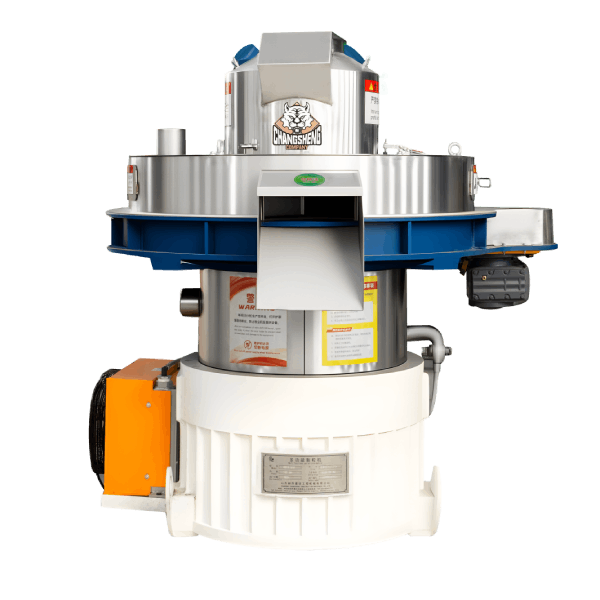
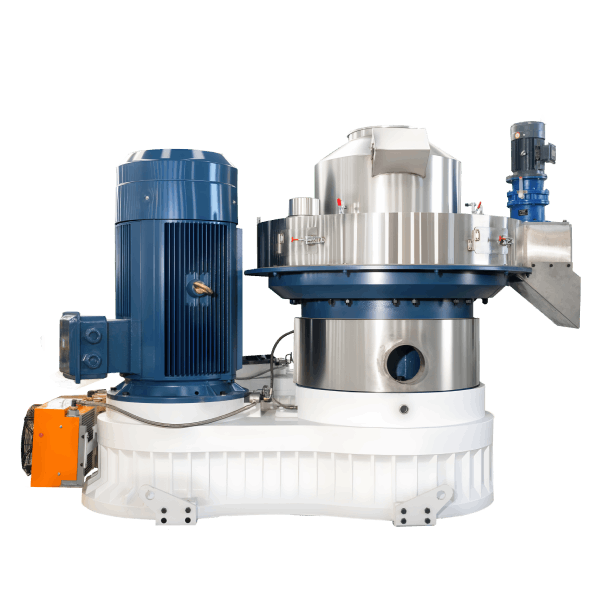
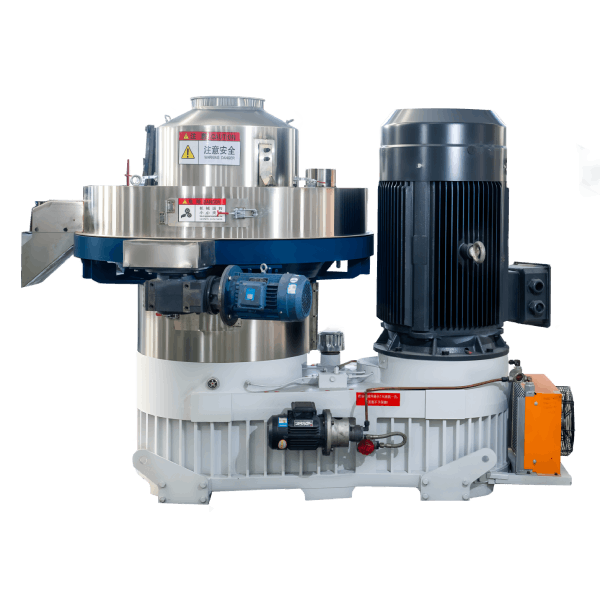
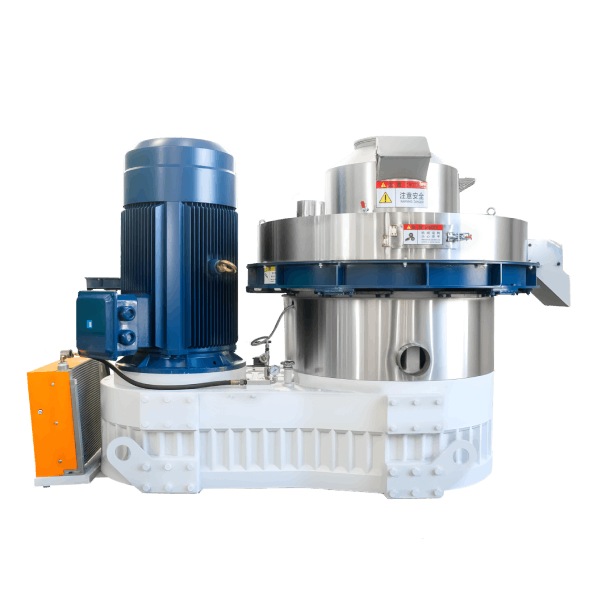
A wood pellet machine Europe supplier like Shandong Changsheng Machinery Co., Ltd. can serve the European market through local distribution partners, ensuring CE compliance and local support.
Supplier Types in Europe
Supplier Categories
Type
Description
Pros
Cons
European manufacturers
Built in Europe
Highest quality, CE compliant
Most expensive
European distributors
Import and sell
Local stock, support
Higher price
Direct import
From outside Europe
Best price
Longer lead time
European Manufacturing Countries
Country
Characteristics
Quality Position
Germany
Engineering excellence
Premium
Italy
Good quality, value
Very Good
Austria
Premium, biomass focus
Premium
Sweden
High quality
Premium
Finland
High quality
Premium
Compliance Requirements
CE Marking
Aspect
Details
Requirement
Mandatory for EU market
Standards
Machinery Directive, EMC Directive, LVD
Documentation
CE Declaration, Technical File
Verification
Supplier must provide
EN Standards
Standard
Requirement
Applicability
EN 14961
Solid biofuels
Fuel quality
ENplus
Pellet certification
Quality
Machinery Directive
Safety
Equipment
EMC Directive
Electromagnetic
Electrical
Documentation Required
Document
Purpose
CE Declaration
Compliance
Technical file
Engineering documentation
User manual
Operating instructions (EU language)
Warranty
Terms and conditions
Price Ranges (European Market)
Estimated Prices in EUR
Type
Capacity
Price Range
Flat die (small)
30-100 kg/h
€800-2,500
Flat die (medium)
100-300 kg/h
€2,500-5,000
Ring die (small)
200-500 kg/h
€8,000-20,000
Ring die (commercial)
500-1,500 kg/h
€20,000-50,000
Ring die (industrial)
1.5-5 t/h
€50,000-120,000
Complete line
1-3 t/h
€70,000-200,000
Price Comparison
Source
Price
Delivery
Support
CE
European manufacturer
Highest
2-8 weeks
Excellent
Guaranteed
EU distributor
High
1-3 weeks
Good
Guaranteed
Direct import
Lower (25-40% savings)
10-16 weeks
Limited
Must verify
European vs Imported Equipment
Comparison
Aspect
European
Imported (China)
Price
Highest
Lower (25-40% savings)
Quality
Excellent
Good
CE compliance
Guaranteed
Must verify
Delivery
2-8 weeks
10-16 weeks
Support
Excellent
Limited
Spare parts
Readily available
May take time
Warranty
EU service
International service
When to Choose European
Scenario
Reason
Highest quality needed
European engineering
24/7 operation
Reliability
Long-term investment
Durability
Local support desired
Easy communication
Budget allows
Premium quality
When to Consider Import
Scenario
Reason
Budget constraints
Lower cost
Basic requirements
Good quality sufficient
Import experience
Know the process
Not time-sensitive
Can wait for delivery
Evaluating Europe Suppliers
Key Criteria
Criterion
What to Check
How to Verify
CE compliance
Documentation
Verify certificates
Quality
Component brands
Component list
Experience
Years in business
Company history
Support
Service capability
Ask about support
References
Customer satisfaction
Contact references
Questions to Ask
Question
Why Ask
“Do you have CE certification?”
Legal compliance
“What is the delivery time?”
Planning
“What is the warranty?”
Protection
“Do you have spare parts?”
Maintenance
“Can you provide references?”
Verification
“What is the energy consumption?”
Operating cost
EU Renewable Energy Incentives
Support Schemes
Scheme
Type
Applicability
EU ETS
Carbon pricing
Emissions
National subsidies
Various
Member states
Feed-in tariffs
Power generation
Electricity
Tax incentives
Various
Investment
How to Qualify
Requirement
Details
Sustainable biomass
Sustainability criteria
Efficiency standards
Energy efficiency
Emissions compliance
Environmental standards
Local requirements
Member state specific
Buying Process
Steps to Buy
Step
Action
Timeline
1
Define requirements
1-2 weeks
2
Research suppliers
1-2 weeks
3
Request quotes
1 week
4
Compare options
1-2 weeks
5
Verify CE compliance
1 week
6
Select supplier
1 week
7
Order and payment
1 week
8
Delivery
2-8 weeks
9
Installation
1-2 weeks
10
Commissioning
1 week
Procurement Checklist
Requirements
□ Capacity confirmed
□ Material type identified
□ Budget established
□ Timeline confirmed
Supplier Evaluation
□ CE compliance verified
□ Quality assessed
□ References contacted
□ Support confirmed
Compliance
□ CE documentation reviewed
□ EN standards met
□ Warranty terms understood
Decision
□ Price compared (total delivered)
□ Quality vs cost evaluated
□ Supplier selected
Frequently Asked Questions
1. Where can I buy a wood pellet machine in Europe?
You can buy from European manufacturers, EU distributors, and direct importers. European manufacturers offer the highest quality and best support.
2. What is the price range in Europe?
Small machines: €800-5,000. Commercial machines: €8,000-50,000. Industrial machines: €50,000-120,000+.
3. What is CE marking and why is it important?
CE marking confirms that equipment meets EU safety, health, and environmental requirements. It is mandatory for equipment sold in the EU.
4. Is European equipment worth the higher price?
For critical applications, 24/7 operation, and long-term investment, yes. European equipment offers higher quality, reliability, and lower total cost of ownership.
5. Is it cheaper to import from China?
Yes. Direct import can save 25-40% on equipment cost. However, consider CE compliance verification, support availability, and shipping time.
6. What compliance is required?
CE marking is mandatory. EN standards apply. Equipment must meet European safety and quality standards.
7. Do European suppliers offer support and spare parts?
Yes. European suppliers offer excellent local support, installation assistance, and readily available spare parts.
8. What is the delivery time?
European manufacturers: 2-8 weeks. EU distributors: 1-3 weeks. Direct imports: 10-16 weeks.
Zhang Wei has over 12 years of experience in the biomass and feed pellet mill industry, with a background in mechanical engineering and international project execution. He has helped clients across Europe, including Germany, Italy, France, UK, and other EU countries, find the right wood pellet machines for their needs.
With hands-on experience in both the manufacturing workshop and client-side operations, Zhang brings practical insights into successful equipment procurement—from the factory floor to the European customer’s site.