Industrial pellet machine price
News 2026-03-22
Industrial Pellet Machine Price: Engineering Cost Breakdown for B2B Buyers
Product Definition
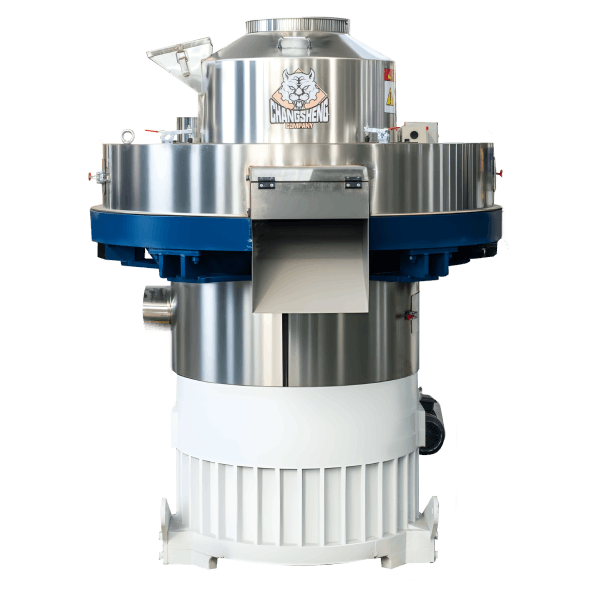
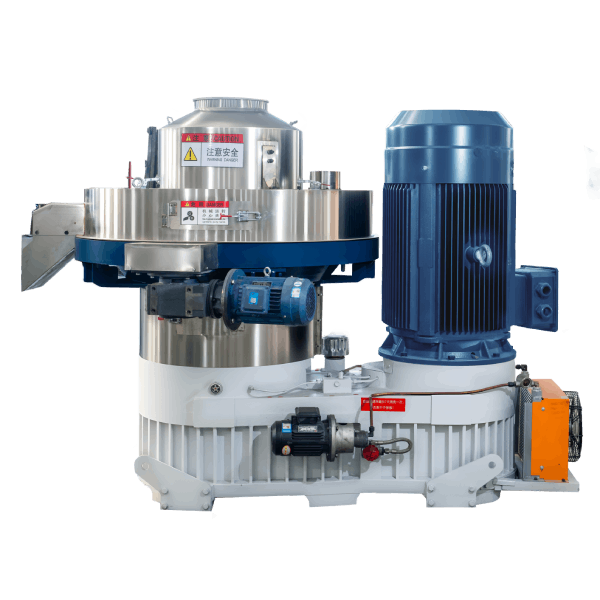
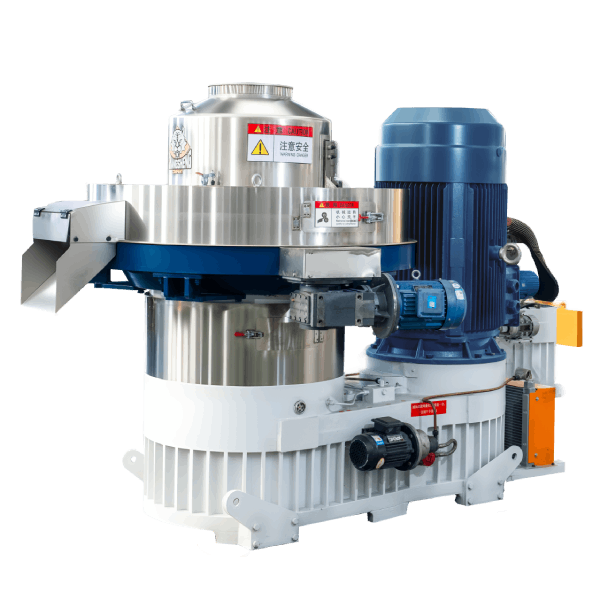
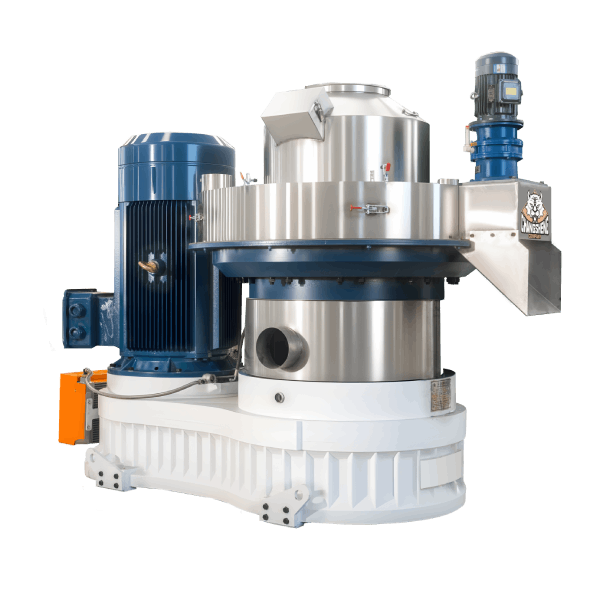
The industrial pellet machine price reflects the cost of heavy-duty equipment designed to compress biomass or feed materials into high-density pellets through mechanical pressure and heat. These machines are widely used in large-scale production and require robust engineering, stable operation, and long service life.
Technical Parameters and Specifications
Understanding technical specifications is essential when evaluating industrial pellet machine price.
Production capacity
2–15 tons per hour
Main motor power
90–315 kW
Ring die diameter
420 mm – 850 mm
Pellet diameter
4–12 mm (biomass), 2–8 mm (feed)
Compression ratio
1:6 – 1:12
Roller quantity
2–3 rollers
Moisture requirement
10–15 percent for biomass
Pelletizing temperature
80–110°C
Transmission system
High-efficiency gear drive
Machine weight
3–15 tons
Higher-capacity and heavy-duty configurations directly increase the industrial pellet machine price, but also improve productivity and durability.
Structure and Material Composition
The engineering design significantly affects the industrial pellet machine price and lifecycle cost.
Main frame
Heavy-duty steel structure for vibration resistance
Ring die
Alloy steel with high wear resistance
Press rollers
Hardened alloy rollers with long service life
Main shaft
Forged steel shaft for high torque transmission
Gearbox
Hardened gear system for continuous operation
Lubrication system
Automatic lubrication to reduce maintenance
Feeding system
Frequency-controlled feeder for stable input
Manufacturers such as Shandong Changsheng Machinery focus on high-grade materials to ensure long-term operational stability.
Manufacturing Process
The manufacturing quality directly impacts the industrial pellet machine price.
Step 1 Engineering design
Customized machine design based on application and capacity
Step 2 Raw material preparation
Selection of high-strength steel and alloy materials
Step 3 CNC machining
Precision machining of critical components
Step 4 Heat treatment
Quenching and tempering for durability and wear resistance
Step 5 Die hole processing
High-precision drilling ensures consistent pellet quality
Step 6 Assembly
Strict alignment and assembly to engineering standards
Step 7 Testing and commissioning
Full-load testing before delivery
Companies like Shandong Changsheng Machinery apply strict quality control throughout the production process.
Industry Equipment Comparison
| Equipment Type | Price Level | Efficiency | Application |
|---|---|---|---|
| Industrial ring die pellet machine | High | High | Large-scale biomass and feed |
| Flat die pellet machine | Low | Medium | Small-scale production |
| Hydraulic pellet press | High | Low–Medium | Special materials |
| Briquette press machine | Medium | Medium | Larger fuel blocks |
Industrial buyers often select ring die systems for optimal performance relative to industrial pellet machine price.
Application Scenarios
The industrial pellet machine price varies depending on application requirements.
Biomass energy plants
Large-scale production of wood and agricultural pellets
Feed manufacturing plants
High-capacity feed pellet production
EPC contractors
Turnkey pellet plant construction
Equipment distributors
Regional supply of industrial machinery
Recycling and waste processing facilities
Conversion of biomass waste into fuel
Renewable energy developers
Supporting carbon-neutral energy projects
These applications demand stable and efficient equipment.
Core Pain Points and Engineering Solutions
Problem 1
High capital investment
Solution
Evaluate total lifecycle cost, not just purchase price
Problem 2
Frequent equipment downtime
Solution
Select high-quality components and ensure proper installation
Problem 3
High wear of die and rollers
Solution
Use hardened alloy materials and optimize lubrication
Problem 4
Inconsistent pellet quality
Solution
Control raw material moisture and compression parameters
Understanding these factors helps justify the industrial pellet machine price in long-term operation.
Risk Warning and Avoidance Strategies
Common risks include
Low-cost machines with poor durability
High maintenance and downtime costs
Inadequate after-sales support
Mismatch between machine and application
Avoidance strategies
Verify manufacturer credentials and experience
Inspect production facilities
Request real project case studies
Confirm spare parts availability
Conduct pre-shipment testing
These steps minimize risks associated with industrial pellet machine price decisions.
Procurement and Selection Guide
Step 1
Define raw material type and production goals
Step 2
Determine required capacity and output
Step 3
Compare multiple suppliers and quotations
Step 4
Evaluate equipment structure and materials
Step 5
Analyze energy consumption and efficiency
Step 6
Assess maintenance and spare parts costs
Step 7
Review technical documentation and certifications
Step 8
Confirm after-sales service capability
A structured approach ensures the best value for industrial pellet machine price.
Engineering Case Study
A large-scale biomass pellet plant in Southeast Asia required high-capacity equipment for wood waste processing.
The project selected industrial pellet machines from Shandong Changsheng Machinery based on engineering reliability and competitive industrial pellet machine price.
Project configuration included
Wood crushing system
Rotary drum dryer
Industrial pellet machines
Cooling and screening systems
Automatic packaging line
The plant achieved stable production of 8 tons per hour with consistent pellet quality and reduced operational costs.
FAQ
What determines industrial pellet machine price
Capacity, materials, and configuration
What is the typical capacity range
2–15 tons per hour
What materials can be processed
Wood, sawdust, straw, and feed materials
What affects pellet quality
Moisture, pressure, and die design
How long does the machine last
Several years with proper maintenance
What are the main wear parts
Ring die and rollers
How often is maintenance required
Every 200–300 hours
Can machines be customized
Yes, based on project requirements
What is the best transmission system
Gear drive for industrial applications
How to choose a reliable supplier
Evaluate experience, quality, and project cases
Request Quotation and Technical Support
For procurement managers, EPC contractors, and distributors evaluating industrial pellet machine price, detailed quotations, technical specifications, and engineering solutions are available from Shandong Changsheng Machinery to support project planning and supplier selection.
E-E-A-T Author Expertise
This article is prepared by engineers with more than ten years of experience in biomass pellet equipment manufacturing and industrial plant design. The technical insights are based on real project implementations and equipment supplied by Shandong Changsheng Machinery, ensuring accuracy, reliability, and practical value for B2B buyers.