Page SEO Summary: This guide helps project consultants evaluate and select pellet mills—covering client needs analysis, technical assessment, supplier selection, and project risk management.
As a project consultant, your role is to guide clients through complex technical decisions. When a client needs a pellet mill, they rely on your expertise to navigate the options, assess the risks, and ensure the project succeeds. You are not just selecting equipment—you are delivering confidence.
This guide provides a framework for evaluating pellet mills from a consultant’s perspective, helping you make informed recommendations and manage project risks.
1. Understanding Client Needs
Key Questions to Ask
Question
Why Important
“What is the target production capacity?”
Defines equipment scale
“What raw materials will be processed?”
Determines configuration
“What is the end-use application?”
Defines quality requirements
“What is the budget?”
Sets scope
“What is the timeline?”
Defines delivery schedule
“What is the site condition?”
Installation considerations
Client Profile Assessment
Factor
Consideration
Experience level
First-time or experienced operator
Technical capability
In-house engineering or not
Maintenance capability
Skilled maintenance team
Existing infrastructure
Power, space, utilities
Business goals
Short-term or long-term
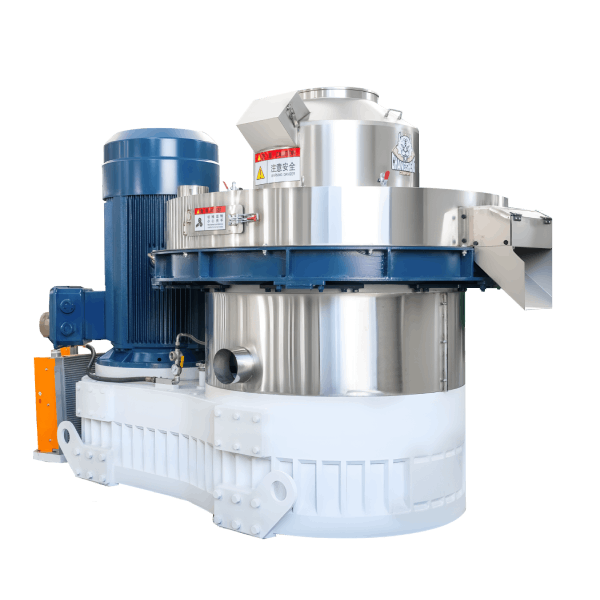
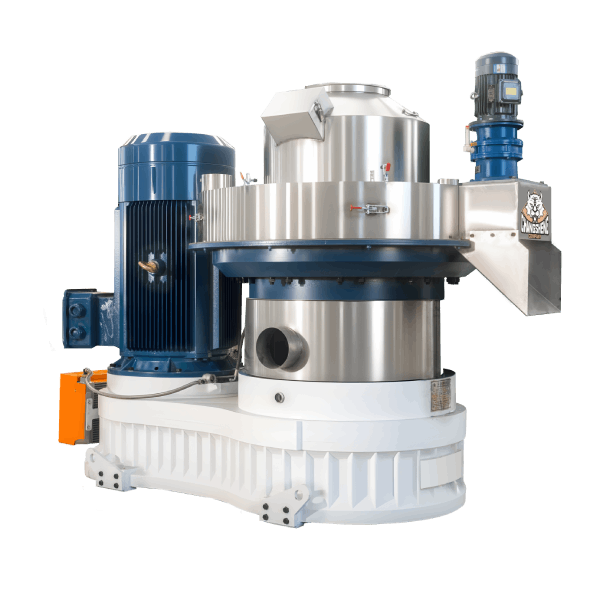
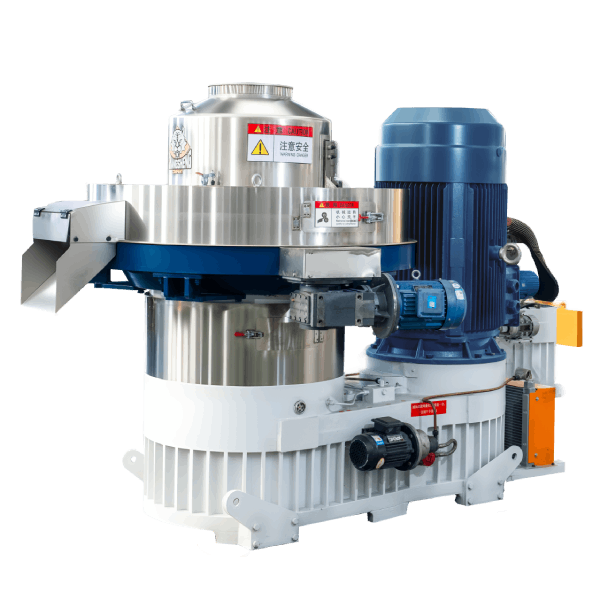
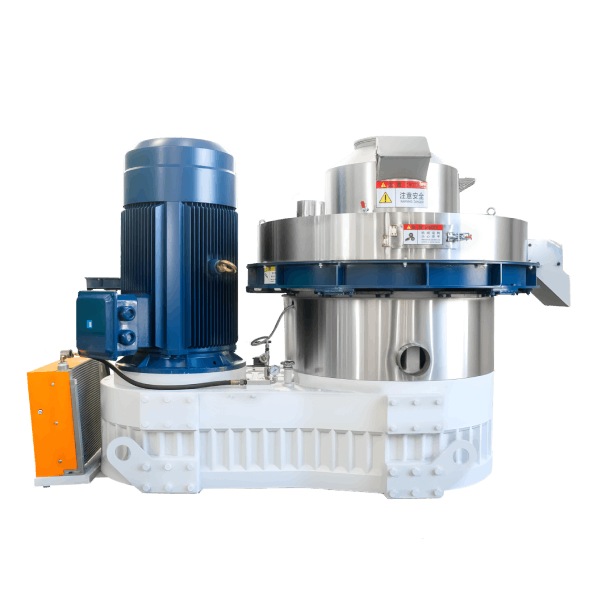
A pellet mill for project consultant evaluation from a manufacturer like Shandong Changsheng Machinery Co., Ltd. should be assessed against the client’s specific operational context.
2. Technical Assessment
Equipment Evaluation Criteria
Criterion
What to Check
Weight
Capacity
Rated vs actual output
High
Quality
Component brands, construction
High
Efficiency
Energy consumption
Medium
Reliability
MTBF, uptime
High
Serviceability
Maintenance access
Medium
Technology
Automation, controls
Medium
Key Technical Parameters
Parameter
What to Review
Acceptance Criteria
Motor power
kW/HP
Matches capacity
Die size
Diameter, width
Adequate for capacity
Gearbox
Type, service factor
Heavy-duty
Controls
PLC, HMI features
User-friendly
Safety
Guards, interlocks
Meets standards
Technical Due Diligence
Activity
Purpose
Design review
Verify engineering
Component verification
Confirm specified brands
Performance data review
Validate claims
Reference site visit
See operation firsthand
Factory inspection
Verify manufacturing quality
3. Supplier Evaluation
Supplier Assessment Criteria
Criterion
What to Check
Weight
Experience
Years, similar projects
High
Track record
Reference projects
High
Financial stability
Company health
Medium
Technical capability
Engineering team
High
Manufacturing quality
Factory, QC
High
Support capability
After-sales service
High
Evaluation Process
Step
Action
Outcome
1
Initial screening
Long list (10+)
2
Capability assessment
Short list (3-5)
3
Detailed evaluation
Detailed comparison
4
Reference checks
Validation
5
Site visit
Confirmation
6
Final selection
Recommendation
Reference Check Questions
Question
What to Listen For
“Was the equipment delivered on time?”
Schedule reliability
“Did it meet performance specifications?”
Quality
“How was the commissioning support?”
Service
“How are warranty issues handled?”
Support
“Would you buy from them again?”
Overall satisfaction
4. Cost Analysis
Cost Components
Cost Category
What to Include
Notes
Equipment
All line components
Base price
Engineering
Design, drawings
Often included
Shipping
Freight, insurance
Incoterm dependent
Installation
Labor, materials
Scope dependent
Commissioning
Start-up, testing
Often extra
Training
Operator training
Often extra
Import costs
Duties, taxes
Country specific
Total Cost of Ownership
Factor
1-Year
5-Year
10-Year
Equipment
High
—
—
Energy
Medium
High
High
Maintenance
Low
Medium
High
Consumables
Low
Medium
High
Labor
Medium
High
High
Cost Comparison Matrix
Supplier
Equipment
Shipping
Installation
TCO (5Y)
Recommendation
A
$X
$X
$X
$X
Consider
B
$X
$X
$X
$X
Preferred
C
$X
$X
$X
$X
Not recommended
5. Risk Management
Key Project Risks
Risk
Likelihood
Impact
Mitigation
Supplier performance
Medium
High
References, milestones
Schedule delays
Medium
Medium
Liquidated damages
Quality issues
Medium
High
FAT, inspection
Cost overruns
Medium
Medium
Fixed price contract
Scope gaps
Low-Medium
High
Detailed scope
Site readiness
Medium
Medium
Site assessment
Risk Mitigation Plan
Risk
Mitigation Action
Responsibility
Supplier issues
Regular progress reviews
Consultant
Schedule delays
Milestone tracking
Consultant/Client
Quality issues
FAT attendance
Consultant
Cost overruns
Change order process
Consultant/Client
Scope gaps
Clear contract
Consultant
6. Client Communication
Key Messages
Message
How to Convey
Technical explanation
Simple language, visuals
Supplier recommendation
Clear rationale
Cost justification
ROI analysis
Risk assessment
Transparent, mitigation
Communication Tools
Tool
Purpose
Executive summary
Overview
Comparison matrix
Visual comparison
ROI analysis
Financial justification
Risk register
Risk management
Project timeline
Schedule visibility
7. Project Delivery
Project Phases
Phase
Activities
Duration
1. Planning
Requirements, design
2-4 months
2. Procurement
Supplier selection, contract
2-3 months
3. Manufacturing
Equipment production
3-6 months
4. Installation
Site prep, installation
2-4 months
5. Commissioning
Testing, start-up
1-2 months
Key Milestones
Milestone
Description
Success Factor
Design approval
Client sign-off
No scope creep
FAT completion
Quality verified
Supplier accountability
Installation complete
Mechanical completion
On schedule
Commissioning
Production starts
Performance verified
Procurement Checklist: Consultant Edition
Pre-Assessment
□ Client requirements documented
□ Budget and timeline confirmed
□ Site conditions assessed
Evaluation
□ Technical specifications compared
□ Supplier capabilities assessed
□ References contacted
□ Site visits completed
Recommendation
□ Best option identified
□ Cost-benefit analysis prepared
□ Risk assessment completed
□ Recommendation presented
Project Management
□ Implementation timeline developed
□ Milestones established
□ Communication plan created
Frequently Asked Questions
1. What is the project consultant’s role in pellet mill procurement?
The consultant advises the client on needs assessment, supplier selection, technical evaluation, cost analysis, and project management.
2. How do I evaluate different suppliers?
Assess experience, technical capability, quality, commercial terms, and after-sales support. Contact references and visit sites.
3. What are the most important selection criteria?
Supplier track record, component quality, performance guarantee, and after-sales support are the most important.
4. How do I manage project risk?
Identify risks early, develop mitigation plans, use milestone-based payments, and conduct Factory Acceptance Testing.
5. What should I tell my client about costs?
Provide total cost of ownership (TCO) analysis, not just equipment price. Include operating and maintenance costs.
6. How do I ensure quality?
Specify component brands, conduct FAT, and include performance guarantees in the contract.
7. What is the typical project timeline?
From contract signing to commissioning: 6-18 months depending on scale.
8. How do I present recommendations to the client?
Use executive summary, comparison matrix, ROI analysis, and risk assessment to support your recommendation.
Zhang Wei has over 12 years of experience in the biomass and feed pellet mill industry, with a background in mechanical engineering and international project execution. He has worked with project consultants and EPC firms across Southeast Asia, the Middle East, Africa, Europe, and Latin America on pellet mill projects.
With hands-on experience in both the manufacturing workshop and client-side operations, Zhang brings practical insights into successful project evaluation and execution—from the factory floor to the consultant’s desk.