Page SEO Summary: This comprehensive guide covers wood recycling pellet machines—types of recyclable wood, processing requirements, equipment selection, and the economic value of turning waste wood into pellets.
Wood recycling pellet machines transform waste wood—pallets, construction scrap, furniture waste—into valuable wood pellets. This process turns a disposal problem into a profitable product, reducing landfill waste and creating renewable energy.
This guide provides a comprehensive overview of wood recycling pellet machines, helping you understand what they are, how they work, and how to choose the right one for your operation.
What Is a Wood Recycling Pellet Machine?
Basic Definition
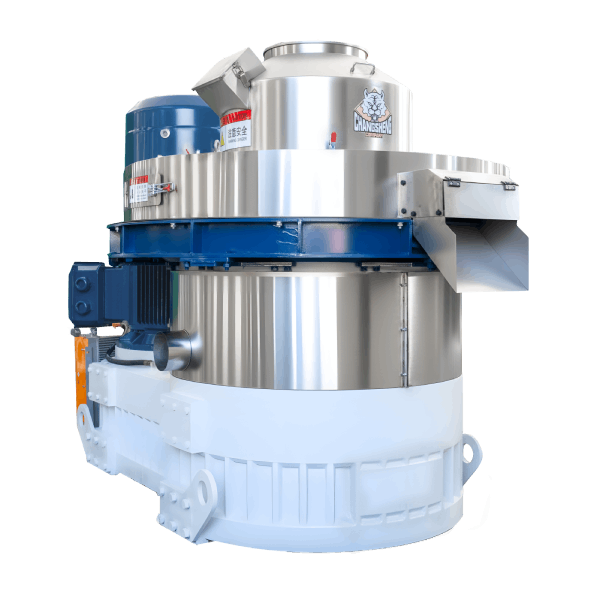
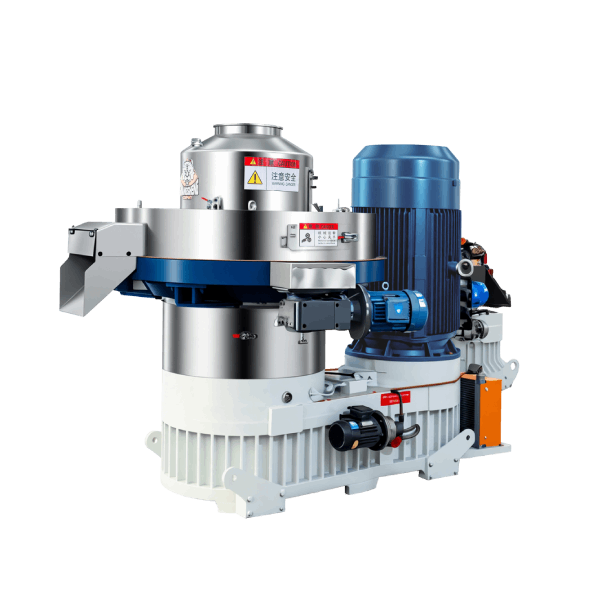
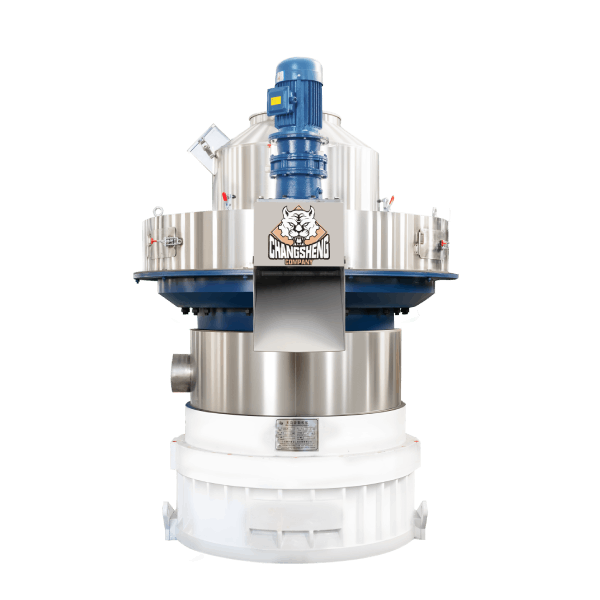
A wood recycling pellet machine is a system that processes waste wood materials into wood pellets. Unlike standard pellet mills that use clean sawdust, recycling systems include additional equipment to handle contaminants and variable feedstocks.
A wood recycling pellet machine is a system that processes waste wood materials (pallets, construction scrap) into wood pellets, including metal removal and contaminant handling.
2. What waste wood can be recycled?
Clean pallet wood, construction lumber, furniture waste, and wood packaging. Avoid treated wood, MDF, and OSB due to glue/resin content.
3. What equipment is needed?
Metal detector/magnet, shredder, hammer mill, dryer, pellet mill, and cooler. A complete system is needed for efficient operation.
4. Is metal removal important?
Yes. Metal (nails, staples) damages equipment and affects quality. Proper metal removal is essential.
5. Are recycled wood pellets good quality?
Yes, with proper processing. Quality depends on raw material cleanliness and processing. Pellets from clean pallet wood can be excellent.
6. Is wood recycling pelletizing profitable?
Yes, especially when waste wood would otherwise incur disposal costs. Low-cost feedstock and strong market demand make it attractive.
7. Can pallet wood make good pellets?
Yes. Clean pallet wood produces excellent pellets. Remove nails and staples first.
8. What is the payback period?
Typically 2-4 years, depending on volume, equipment cost, and market conditions.
Zhang Wei has over 12 years of experience in the biomass and feed pellet mill industry, with a background in mechanical engineering and international project execution. He has helped clients across Southeast Asia, the Middle East, Africa, Europe, and Latin America turn waste wood into valuable pellet products.
With hands-on experience in both the manufacturing workshop and client-side operations, Zhang brings practical insights into successful equipment procurement—from the factory floor to the customer’s recycling operation.